English
Based on “Gut Expert: Eating these 3 foods could improve your mental health | Tim Spector: Full Interview” from Big Think Watch the original video
Unlock Your Mind: A Gut Expert’s Guide to Boosting Mental Health Through Food
Episode summary
Tim Spector, an epidemiologist and co-founder of ZOE, argues that our gut microbiome, a “virtual organ” of trillions of microbes, profoundly impacts our brain and mental health, primarily through inflammation. He cites that nearly all mental health disorders exhibit above-average inflammation and abnormal gut microbes, and that the “Standard American Diet” (SAD) — devoid of fiber and rich in ultra-processed foods — fosters “bad bugs” that produce inflammatory chemicals, sending distress signals via the vagus nerve to the brain, leading to “sickness behavior” like fatigue and low mood.

An animated graphic illustrates the Standard American Diet (SAD) leading to gut inflammation and bad microbes.
To cultivate a healthy gut, Spector emphasizes “mindfulness” in eating, urging viewers to pause and consider what they consume beyond mere calories. The most crucial tip is to eat a diverse array of plants, aiming for around 30 different types weekly, rather than repeatedly eating the same few, to nourish the varied microbial species in our gut.
For centuries, the human brain has been considered the undisputed commander of the body, a complex organ operating in splendid isolation. But what if this long-held belief, deeply rooted in Cartesian philosophy, is fundamentally flawed? What if the brain is, in fact, just another organ, heavily reliant on a bustling “virtual organ” residing in our gut for most of its vital information?
This is the paradigm-shifting perspective offered by Professor Tim Spector, MD, a renowned epidemiologist at King’s College London and co-founder of the nutrition and gut health company, ZOE. According to Spector, our gut and its trillions of microscopic inhabitants hold a profound, often overlooked, key to our mental well-being, energy levels, and overall health.
“The latest science is showing that there really is very little difference,” Spector explains, challenging the historical divide between mental and physical health. “The brain is just another organ, and it relies on the gut for most of its information.”
The Unseen Universe Within: Your Gut Microbiome
The gut microbiome, a diverse collection of trillions of microbes, acts as “mini pharmacies” converting food into chemicals crucial for health, with diversity being key for a healthy gut.
Imagine a vibrant, bustling jungle or a meticulously curated natural zoo thriving within your lower colon. This is how Spector describes the gut microbiome – a collection of trillions of bacteria, fungi, parasites, and viruses that we’ve only recently begun to understand. Far from being passive passengers, these microbes are “mini pharmacies,” tirelessly converting the food we eat into hundreds of thousands of chemicals that exert an astonishing impact on our entire body.

An animated graphic shows diverse microbes thriving in a gut, illustrating the concept of a ‘natural zoo’.
Possessing 200 times more genes than our own human cells, these microbes are incredibly versatile, capable of producing a vast array of compounds crucial for our health. We didn’t just evolve with them; we evolved because of them. Our very first mammalian and human ancestors were built on the foundation of these microbial colonies, without which our bodies – and particularly our brains – simply wouldn’t develop normally.
A healthy gut microbiome is defined by its diversity. Just like animals in a zoo, each species of microbe has evolved specific tastes and occupies a unique niche, ensuring there’s no waste. Spector shares a fascinating example from his own research: “There is one bug that only really eats or drinks coffee. It is so fussy it hangs around maybe for years just waiting for that first cup of coffee before it will replicate.” This illustrates how many dormant bugs might be waiting for us to introduce unusual foods, like baobab or beetroot, to thrive.
The more diverse your gut microbes, the healthier you are. When a diverse community of microbes is well-fed, they leave no “leftovers.” In contrast, a less diversified, poorer colony leaves food waste, which “bad bugs” – those associated with inflammation and poor health outcomes – eagerly consume. The goal, therefore, isn’t to eradicate bad bugs, but to nourish and diversify the good ones, leaving the undesirable residents with nothing to eat.
Remarkably, our individual microbiomes are largely unique. We’re born sterile, and the microbes that colonize us are partly random. The average person shares only about 20% of their gut microbes with another, a figure that doesn’t significantly increase even among identical twins. This means each of us carries a distinct microbial fingerprint, performing slightly different functions.
The Gut-Brain Axis: A Two-Way Superhighway
Most communication flows from the gut to the brain via the vagus nerve, with microbes producing chemicals that influence metabolism, the immune system, and the nervous system.
For a long time, scientists believed the brain directed all traffic to the gut. However, recent discoveries have flipped this understanding on its head. Most of the communication actually flows from the gut to the brain, via an intricate network of nerves often dubbed our “second brain.” This neural network, as large as a cat’s brain, connects to the central nervous system primarily through the vagus nerve, a kind of “fast internet cable” constantly relaying signals from the gut to the brain.
Our gut microbes play a pivotal role in this communication. They produce chemicals like short-chain fatty acids when they break down fiber, and even influence hormone-sensing cells in the gut lining. These signals, whether hostile or beneficial, are picked up by neuron endings throughout the gut and transmitted to the brain, providing a crucial “weather report” of what’s happening internally.
This gut-brain interaction extends beyond just digestion. Spector highlights three key areas where the microbiome exerts its influence:
- Metabolism and Energy: It sends signals to the brain about appetite, body weight, and is likely crucial in conditions like Type 2 diabetes.
- The Immune System: Our immune system, vital for fighting disease, preventing cancer, and even influencing aging, is heavily dependent on a healthy microbiome. Without a robust gut, our immune defenses are compromised.
- The Nervous System: The direct neural connection means gut signals can profoundly impact our mood, cognition, and overall mental state.
The Silent Epidemic: Chronic Inflammation and Its Brain Toll
Chronic inflammation, driven by the “Standard American Diet,” leads to an imbalance of gut microbes, sending distress signals to the brain via the vagus nerve, causing “sickness behavior” like fatigue and low mood.
Spector, whose father was a professor specializing in inflammation, notes that this once-trendy concept is now undeniably back in the spotlight. Inflammation is a normal, healthy bodily response to threats like stress or infection. It mobilizes immune cells to neutralize the danger and then subsides. However, in modern Western societies, we face a pervasive problem: chronic inflammation.
“Instead of getting a brief spike of inflammation in response to a threat… our bodies have become in some way changed so that that threat level stays up,” Spector explains. This persistent, low-grade inflammation is a major culprit behind the explosion of mental health problems we’re witnessing today.
The primary driver of this chronic inflammation is our modern diet – the “Standard American Diet” (SAD). This diet, “denuded of fiber, plenty of saturated fats, and full of ultra-processed food,” has been shown in studies to cause gut inflammation, leading to an imbalance of good and bad microbes. The bad bugs, thriving in this inflammatory environment, produce toxins that further irritate the gut lining, perpetuating a vicious cycle.
When the gut sends these “bad food, inflammation, heightened fear” signals to the brain via the vagus nerve, the brain interprets it as a significant threat, much like an infection. The body then enters a “sickness behavior” mode: mood lowers, sociability decreases, activity reduces, and fatigue sets in. “And that’s what you get fatigue, mood change, and all the other associated factors, and you end up with what we’re calling depression,” Spector posits. This model offers a compelling explanation for the mental health crisis, particularly among children whose mothers had poor diets and who have been fed ultra-processed foods their entire lives.
Beyond diet, other risk factors for mental health disorders — childhood stress, trauma, and urban living — also contribute to this underlying inflammation, demonstrating a common pathway for both psychological and dietary stressors. This also explains the vicious cycle where stress or poor sleep leads to cravings for unhealthy, sugary, and fatty foods, which then worsen mood and gut health.
The Gut-Brain Link in Dementia
Dementia, including vascular dementia and Alzheimer’s, shares risk factors with poor gut health, such as a low ratio of good to bad bugs, poor microbial diversity, and chronic inflammation.
Spector’s personal experience with his mother’s stroke and subsequent dementia accelerated his focus on this area. He notes that dementia, particularly vascular dementia and Alzheimer’s, shares significant overlap in risk factors with poor gut health. A low ratio of good to bad bugs, poor microbial diversity, and chronic inflammation are major contributors to both types of dementia, as is Type 2 diabetes, which impacts the brain’s energy supply.
The Mouth: A Gateway to Systemic Inflammation
Gum disease, a sign of inflammation from “bad bugs” in the mouth, is linked to increased risk of heart disease (25%) and dementia (20-50%), highlighting the mouth’s role in systemic inflammation.
The gut microbiome extends from mouth to anus, and the microbes in our mouth offer a readily observable window into our inflammatory state. Gum disease, or periodontitis, is highly prevalent in Western societies and is a clear sign of inflammation caused by “bad bugs” feeding on food waste around our teeth and gums. These microbes form protective plaques, leading to redness, swelling, and bleeding gums.

An animated diagram shows plaque buildup and inflammation around teeth and gums, indicating gum disease.
Remarkably, the link between oral health and systemic disease is not new. Dental decay was linked to heart disease over a decade ago, with specific microbes like Streptococcus mutans associated with increased heart attack risk. Spector highlights that poor oral hygiene, leading to a high ratio of bad to good microbes, increases the risk of heart disease by roughly 25%. Even more strikingly, some studies show a 20-50% increase in dementia and cognitive decline due to poor oral health.
The good news? This link offers a clear path to prevention. Regular brushing and flossing can halve the risk of heart disease and, if done meticulously, can eliminate gum inflammation entirely, potentially bringing the dementia risk “right back to zero.” It’s a powerful example of how battling inflammation in one part of the body can safeguard our brain health.
Is Your Gut Healthy? Self-Assessment and Future Tests
Indicators of a healthy gut include regular, soft bowel movements and absence of bloating or fatigue; gut microbiome tests are predicted to become standard medical care.
So, how can you tell if your gut is healthy? Spector offers some practical, everyday indicators:
- Regular Bowel Movements: You should be going to the toilet once or twice a day.
- Stool Consistency: Your stool should be fairly soft, “something in between a cowpat and a sheep dropping.”
- Absence of Symptoms: No bloating, constipation, diarrhea, or irregularity.
- Mood and Energy: Are you fatigued? Is your mood lower than it should be? These can be signs of gut issues.
If you’re experiencing any of the opposite, it’s highly likely you have gut problems that need addressing through dietary changes. While improving plant intake, exercise, and water consumption are initial steps, Spector believes that “a good gut microbiome test is much more useful to you than getting your genes tested or your DNA.” He predicts that such tests will become standard medical care within five years, as “if your gut health is good, most of the rest of you is going to be pretty good. And if it’s bad, you’re going to have problems.”
Eight Pillars of a Thriving Gut Ecosystem
Nourishing gut microbes with real, diverse food is crucial for health, requiring a “seismic shift” from traditional calorie-focused nutritional advice.
The traditional nutritional advice, focused solely on calories, fat, protein, and sugar, has been a “complete disaster,” according to Spector. It has failed public health and primarily benefited food companies selling “crappy products.” The new paradigm demands a “seismic shift,” focusing on nourishing our gut microbes with real food, rich in thousands of diverse chemicals.
Here are Spector’s eight practical tips for cultivating a healthy gut ecosystem:
1. Practice Mindful Eating
Pause before eating to consider hunger, food content, and its effects on mood and energy, distinguishing genuine hunger from cravings. Before you grab that snack or put food in your mouth, pause and think. “Am I hungry? Do I need this? What’s in it?” Consider the immediate and long-term effects on your mood, energy, and overall well-being. This simple act helps you distinguish genuine hunger from marketing-driven cravings and reconnects you with the true purpose of food.
2. Eat a Diversity of Plants
Aim for 30 different plants weekly, including fruits, vegetables, nuts, seeds, herbs, and spices, to feed diverse microbial species in your gut. This is arguably the most crucial scientific finding. The target is 30 different plants a week for optimal gut health. This isn’t about eating the same vegetable repeatedly; it’s about variety. Remember, “plant” encompasses not just fruits and vegetables, but also nuts, seeds, herbs, spices, and even coffee (a fermented bean). Instead of focusing on what to exclude, focus on including more. Each unique plant feeds specific microbes, waiting for their preferred chemical compound.
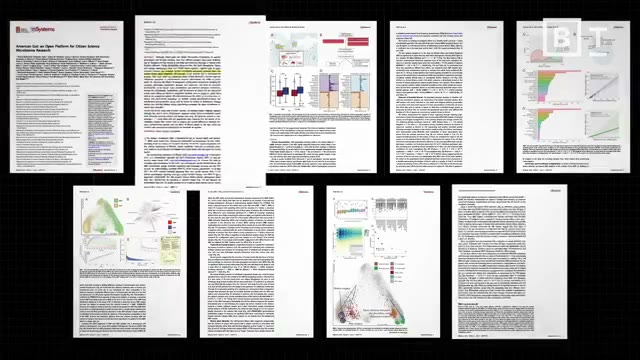
A bar chart shows that eating 30 different plants per week correlates with optimal gut health.
3. Consume Three Fermented Foods Daily
Incorporate three fermented foods like Kefir, Kimchi, Kraut, or Kombucha daily to improve gut health, immune function, and reduce inflammation by about 25%. Spector, initially skeptical, is now a “big fan” of fermented foods, thanks to emerging science. Fermented foods are those transformed by microbes into something better – milk into cheese, cabbage into sauerkraut, grapes into wine. Think the “4 Ks”: Kefir, Kimchi, Kraut, Kombucha. Also include natural yogurts, miso paste, and traditionally fermented pickles. A study by Christopher Gardner at Stanford showed that daily consumption of fermented foods significantly improved gut health, particularly the immune system, and reduced inflammation by about 25%. These diverse microbial species are often more beneficial than isolated probiotics.
4. Diversify Your Protein Sources
Explore plant-based protein sources like beans and lentils, which offer both protein and fiber for your body and gut microbes. While protein is essential, the current “protein craze” often overlooks quality and diversity. Instead of solely relying on red meat, Spector recommends exploring protein-rich plant sources like beans and lentils. These offer high protein content alongside abundant fiber, providing a dual benefit: protein for your body and fiber for your microbes. They are also cheap, accessible, and environmentally friendly.
5. Prioritize Food Quality Over Calorie Counting
Focus on whole foods with intact structures, as calorie counting is a “complete disaster” and distracts from the true value of food quality for gut microbes. “There are hardly any nutrition scientists who now believe in the dominance of the calorie,” Spector states emphatically. Calorie-restricted diets are notoriously difficult to sustain, and the body’s evolutionary design will often override hunger signals, leading to weight regain. Obsessing over calories distracts from the true measure of food value: its quality and impact on your gut microbes. Focus on whole foods – those in their original state with skins, casings, and natural structures intact – which provide the diverse nutrients and fiber your microbes crave. Low-calorie often signifies poor quality.
6. Avoid High-Risk Ultra-Processed Foods
These foods, making up 50-70% of the American diet, are harmful due to additives, hyper-palatability, lack of structure, and high calorie density. These foods, making up 50-70% of the American diet, are “really harmful for us.” They are typically made from cheap, government-subsidized ingredients (corn, soy, wheat, sugar) and engineered for maximum appeal. Spector identifies four key harmful components:
- Harmful Additives: Emulsifiers (bad for gut microbes), artificial sweeteners (cause microbes to produce strange chemicals), and other unknown chemicals.
- Hyper-Palatability: Engineered combinations of salt, sugar, and fat that override normal fullness signals, making you overeat.
- Lack of Structure: Stripped of fiber and natural texture, they “melt in your mouth,” allowing for rapid consumption without chewing or registering fullness.
- High Calorie Density: They deliver a large amount of energy very quickly. Examples include most breakfast cereals, children’s yogurts, savory snacks, cookies, ready meals, and sodas (even diet ones). While an occasional treat is fine, these foods should never be a regular part of your diet.
7. Eat the Rainbow
Consume colorful plants, rich in polyphenols (like those in dark chocolate or coffee), which are crucial fuel for gut microbes and protect plants from stressors. The vibrant colors of plants, particularly fruits and vegetables, are clues from nature. These bright hues often indicate high levels of polyphenols, defense chemicals that plants produce to protect themselves from insects and environmental stressors. These polyphenols, once vaguely called “antioxidants,” are now known to be a crucial fuel source for our gut microbes, making them more productive. Choose colorful varieties over pale ones (e.g., purple rosula lettuce over iceberg). Bitter-tasting foods like broccoli, nuts, seeds, extra virgin olive oil (the best ones make you cough), dark chocolate (over 70% cacao), coffee, and even red wine (in moderation) are also rich in polyphenols.
8. Give Your Gut a Rest with Time-Restricted Eating
Practice a 12 to 14-hour overnight fast to allow gut microbes to rest and repair the gut lining, improving mood, energy, and reducing hunger. Forget the idea of constant grazing. Your gut microbes, like you, have a circadian rhythm and need time to “go to sleep” and repair the gut lining. Constant eating, especially late-night snacks, deprives them of this crucial rest. Spector recommends an overnight fast of 12 to 14 hours. This allows a “defense team” of microbes to clean up the gut lining, making it more efficient and bolstering the immune system. The ZOE study involving 140,000 people found that adherents to time-restricted eating reported improved mood, energy, and reduced hunger. Start by simply avoiding food for at least two hours before bed, then gradually extend your overnight fast. This isn’t about calorie restriction but about optimizing the timing of your meals.
A New Era of Health
Tim Spector’s insights shift understanding towards a holistic approach, recognizing the gut microbiome’s central role in mental and physical well-being, nurtured by mindful and diverse eating.
Tim Spector’s insights represent a profound shift in our understanding of health and nutrition. By recognizing the gut microbiome as a central player in our mental and physical well-being, we move beyond outdated dietary dogma and embrace a holistic approach. The path to a healthier mind and body may just begin with nurturing the trillions of tiny allies within us, one mindful, diverse, and well-timed meal at a time.
An animated diagram depicts the vagus nerve as a ‘fast internet cable’ connecting the gut to the brain.
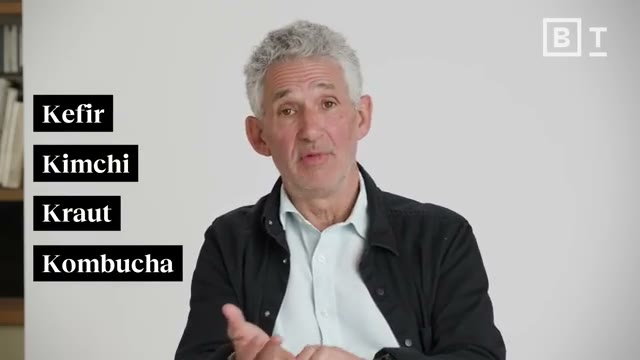
A visual displays the ‘4 Ks’ of fermented foods: Kefir, Kimchi, Kraut, Kombucha.
Based on “When is joy actually resistance? | Code Switch” from NPR Podcasts Watch the original video
Beyond the Hashtag: When Joy Becomes a Radical Act of Resistance
Episode summary
This Code Switch episode delves into the popular social media slogan “joy is resistance,” questioning when everyday happiness truly serves as a revolutionary act. Senior editor Leah Donnella, initially skeptical of posts about manicures or dinners captioned “joy is resistance,” speaks with writer adrienne maree brown, author of Pleasure Activism. Brown, inspired by Audre Lorde, argues that reclaiming pleasure, especially for marginalized communities, is vital for wholeness and liberation, citing the constrained lives of immigrant communities fearing ICE raids as an example where expressing joy pushes back against fear.
However, brown also cautions that joy can be co-opted by capitalism, noting that exclusive vacations or expensive dinners aren’t necessarily resistance if they merely reinforce the system. Historian Kelly Carter Jackson distinguishes joy from happiness, describing joy as a “splint” or “cast” that helps people endure suffering on the path to justice, not justice itself. She vividly recounts enslaved women in the Haitian Revolution smiling at their executioners as a powerful act of defiance, emphasizing that true joy, unlike fleeting happiness, often arises from a deep understanding of struggle and community.
Juneteenth, a day commemorating the emancipation of the last enslaved Black people in the United States, carries with it a profound weight of history. It’s a day that reminds us not only of freedom achieved but also of the persistent efforts to curb Black liberation and squash joy. In a world still grappling with systemic injustices, the idea of “joy as resistance” has permeated social media feeds, t-shirts, and even political discourse. But what does this popular slogan truly mean? When is joy a genuine act of defiance, and when might it be something else entirely?
This question sparked a deep dive into the nuanced relationship between pleasure, protest, and power, exploring its historical roots and contemporary manifestations.
The Slogan and the Skepticism
The ubiquitous phrase “#joyisresistance” on social media, seen in posts about manicures or dinners, sparks skepticism for many who question if personal happiness equates to resistance amidst threats to fundamental rights.
The phrase “#joyisresistance” has become ubiquitous. From Instagram posts featuring dinner with friends, blooming flowers, or a new manicure, to TikTok trends and endorsements from figures like Alexandria Ocasio-Cortez, who asserts, “You’re allowed to be happy. You are allowed to cultivate joy. In fact, you need to,” the message is clear: embrace joy.
Yet, for many, this widespread adoption triggers a “deep, visceral skepticism.” In a time when fundamental rights, access to healthcare, and even the ability to remain in the country are under threat, when authoritarianism looms, is a manicure truly an act of freedom fighting? The immediate reaction for some is that while personal happiness is desirable, equating it with resistance might dilute the urgency of actual struggle.
Reclaiming Pleasure: Audre Lorde and Pleasure Activism
Audre Lorde’s “Uses of the Erotic” and adrienne maree brown’s Pleasure Activism argue that reclaiming pleasure, especially for marginalized communities, is crucial for liberation and wholeness, pushing back against control tactics that deny joy.
To understand the deeper meaning of joy as resistance, we must look beyond superficial social media trends to its intellectual and historical foundations. Writer and activist adrienne maree brown, author of Pleasure Activism, traces this concept back to the groundbreaking work of Audre Lorde.
Lorde’s landmark essay, “Uses of the Erotic,” posits that the ability to feel the pleasures of being alive and to exercise agency over one’s actions is intrinsically linked to liberation. For Lorde, joy is not a frivolous indulgence but a transformative force. “The sharing of joy, whether physical, emotional, psychic, or intellectual, forms a bridge between the sharers,” she wrote, highlighting its communal power. Individually, experiencing deep joy cultivates a demand for one’s life to align with that profound capacity for feeling.
adrienne maree brown expands on this, arguing that experiencing pleasure and joy is crucial, especially for oppressed and marginalized communities. She explains that denying pleasure is a tactic of control. When joy is “taken off the table or made to feel like it’s not even a part of something that belongs to our lives,” it becomes easier to control people. The act of reclaiming pleasure, therefore, becomes an essential part of reclaiming the “wholeness of our lives.”
This becomes particularly poignant when considering communities living under constant threat, such as immigrant populations fearing ICE raids. In such atmospheres of fear and surveillance, where people constrain their lives—avoiding doctors, schools, or even playing music in their native language—the conscious act of claiming and expressing joy can be a powerful pushback against forces designed to isolate and terrify.
The Nuance: Beyond the “Best Bath Ever”
While individual acts of joy can be resistance, adrienne maree brown cautions that exclusive, capitalist-driven pleasures might not challenge the system; true “joy as resistance” often lies in collective action and community-rooted abundance.
While the foundational idea of pleasure activism resonates deeply, its application in everyday life warrants closer examination. adrienne maree brown acknowledges the “curmudgeonly energy” that arises when seeing mundane activities captioned “Joy is resistance.” She understands the impulse to say, “I exist, and I’m having a great life,” especially in a society designed to erase you. Seeing trans people dancing in the streets or queer people on retreats, celebrating their existence, is undeniably a joyful form of resistance.
However, brown cautions that this cannot be the entirety of resistance. If one’s only act is “having the best bath ever over and over again,” it might be time to consider what else can be done. Capitalism, she points out, is designed to keep enough people comfortable enough to avoid pushing back against the system. An exclusive vacation or an expensive dinner, while providing personal joy, can also be a sign of full participation in an economic model that might itself be part of the problem, rather than a challenge to it. The distinction lies between making the revolution irresistible (a genuine invitation to co-create change) and merely making it look irresistible (a curated, often aspirational, image).
True “joy as resistance,” brown suggests, can be found in collective action: joyfully showing up at protests, participating in boycotts, helping others access healthcare, and finding solace and strength in music and laughter. She cites indigenous organizer Dallas Goldtooth, who speaks to the importance of humor for indigenous peoples surviving genocidal conditions, and the resilient spirit of New Orleans second lines, where grief and joy intertwine. This shared, abundant pleasure, rooted in community, stands in stark contrast to the scarce, hoarded pleasures often associated with power and hierarchy. Queerness, in its original articulation, offers a model for pleasure and relationships that reject capitalist and heteronormative structures, emphasizing liberation and personal authority over one’s body, energy, and relationships.
Joy, in this context, is not an isolated emotion but a vital element within a larger “emotional ecosystem.” It’s about fighting for connection to aliveness, preventing a slip into despair that makes one easier to control and complicit in harm. It’s a declaration: “We don’t comply. We don’t agree. We don’t consent. And in fact, we are dancing down a different path.”
Joy is Not Justice: A Historian’s Crucial Distinction
Historian Kelly Carter Jackson stresses that joy is a “splint” for endurance on the path to justice, not justice itself; it’s a gritty, defiant force, exemplified by enslaved women smiling at executioners in the Haitian Revolution, distinct from fleeting happiness.
To further contextualize joy as a tool of resistance, historian Kelly Carter Jackson, chair of the Africana Studies Department at Wellesley College and author of We Refuse: A Forceful History of Black Resistance, offers a crucial distinction between joy and justice.
For Jackson, context is paramount. Joy in practice can be seen at a protest where, amidst chants and tears, a boombox sparks an electric slide, transforming sorrow into “uproarious laughter.” This is “insisting on justice, insisting on your basic humanity.” The depth of this joy, however, is only fully appreciated when one understands the suffering and the “steep cost” required to conjure it.
The “cost” is the constant burden of combating systemic oppression—racism, white supremacy, capitalism, sexism, homophobia—and the daily interruptions, distractions, and stigmas. Jackson highlights the cultural pride fostered by the Black Panther Party, which taught self-love for Black features and identity, pushing back against a white supremacist narrative designed to instill self-hatred. Similarly, enslaved women would sometimes travel miles into the forest to hold dance parties, “carving out spaces for themselves to experience joy, to experience even happiness, even under the threat of being caught, of being whipped, of being sold away.” This wasn’t to suggest the system was okay, but to insist on their humanity despite it.
A critical point Jackson emphasizes is: Joy is not justice. Confusing the two can lead to complacency, believing that a smiling face means “mission accomplished.” Instead, Jackson views joy as a “splint” or a “cast” that holds a broken bone in place, allowing it to heal. The true healing, she asserts, comes from justice. Joy is a remedy on the path, a vital force “so that you don’t quit, so that you don’t give up before you’ve gotten to where you want to be.”
Justice, moreover, is not a finish line but a continuum. Even when legislative victories are achieved, there is always resistance, always “people that want to mess up the party.” Joy, then, evolves from a tool of navigation through sadness and oppression to “jubilation” and “liberation” when justice is achieved, remaining an ongoing part of sustaining life.
Jackson also draws a sharp distinction between “happiness” and “joy.” For those not faced with systemic oppression, happiness can be untethered, a state of being free without constant assumptions or burdens. But for Black people and other marginalized groups, “joy has to come from a different place. Joy comes from a place that is much more gritty and difficult to navigate.”
This distinction is powerfully illustrated by the story of enslaved women during the Haitian Revolution who, facing public execution by the French, went to the gallows smiling. Their smiles were not born of happiness but of profound defiance. “No, no, no, you don’t take my life,” they proclaimed to their oppressors. “I’m robbing you of my labor… I do this for you as a way to bring about your freedom.” This ultimate act of resistance, leveraging joy in the face of death, encapsulates the grit and power of joy as defiance.
Sustaining the Struggle: The Need for Replenishment
Cultivating joy is also vital for self-preservation, as even figures like Dr. Martin Luther King Jr. needed replenishment to continue the arduous fight for justice, making joy a necessary source of energy for sustained resistance.
For those exhausted and burned out by the relentless struggle, the idea of cultivating joy might seem impossible. Kelly Carter Jackson offers a poignant reminder: even the most iconic figures of resistance needed replenishment. She shares rarely seen photographs of Dr. Martin Luther King Jr. on vacation in Jamaica, shirtless, relaxing with Coretta Scott King. He famously said, “In Jamaica I feel most like a human being.”
This image serves as a powerful testament that even those at the forefront of monumental struggles need to “tap out, hang up the cape for a little bit, and then you tap back in.” Joy, in this sense, is not just defiance but also necessary self-preservation, a vital source of energy to continue the long, arduous fight for justice.
In the end, the concept of “joy as resistance” is far more complex and profound than a simple social media slogan. It’s a historical legacy, a philosophical stance, and a practical tool for survival and liberation. It acknowledges the pain and suffering while insisting on the right to flourish. It’s not a substitute for justice, but a crucial companion on the path, allowing individuals and communities to dance down a different path, refusing to comply, and defiantly affirming their aliveness. Joy, in its deepest sense, is indeed a radical act.
Based on “JD Vance’s Blunt Warning to Israel, and Why Waymo Is Struggling to Go National” from New York Times Podcasts Watch the original video
Navigating a World in Flux: Geopolitical Warnings, Domestic Reversals, and the Shifting Landscape of Power
Episode summary
Vice President J.D. Vance delivered a stark warning to Israel, urging them to cease criticizing the U.S. over its peace deal with Iran, especially given the U.S. is Israel’s “only powerful ally.” He specifically condemned Israeli operations in Lebanon, citing a “major explosion” in Beirut that killed civilians, emphasizing the need for “closer coordination.” This comes as the U.S.-Iran negotiations for a new round of talks were unexpectedly postponed.
The segment also covers the Trump administration reversing course on its mass deportation campaign, offloading 11 costly and controversial migrant detention warehouses totaling over $700 million. Additionally, the Pentagon’s decision to end the mandatory flu vaccine for troops, framed as religious freedom, has led to a flu outbreak at a Texas air base, forcing a re-implementation of mandatory shots for recruits there.
From the volatile battlegrounds of the Middle East to the quiet hum of data centers across America, the nation finds itself at a crossroads, grappling with complex geopolitical alliances, significant domestic policy shifts, and the evolving challenges of technological advancement. Recent developments highlight a period of intense scrutiny and re-evaluation, impacting everything from international diplomacy to the future of corporate governance and autonomous travel.
Geopolitical Fault Lines: JD Vance’s Blunt Warning to Israel and the Iran Deal
Vice President J.D. Vance delivered a “blunt message” to Israel, warning them against criticizing the U.S.-Iran peace deal, as the U.S. is Israel’s “only powerful ally,” and condemned Israeli operations in Lebanon after a “major explosion” in Beirut.
The recent peace agreement between the United States and Iran has ignited a firestorm of criticism, particularly from Israel, prompting a terse warning from Vice President J.D. Vance. Speaking at the White House, Vance delivered a “blunt message” to Israeli critics of the deal, emphasizing the precariousness of their international standing.
“Donald J. Trump is the only head of state in the entire world who is sympathetic to the nation of Israel at this moment in time,” Vance asserted, adding, “If I was in the cabinet of the Israeli government, I might not be attacking the only powerful ally that I have anywhere left in the entire world.”
The administration’s pushback comes amid a growing chorus of disapproval, both domestically and abroad. Critics argue that the deal offers Iran immediate economic relief without adequately addressing its nuclear program, merely “punting negotiations… down the road.” One prominent Israeli newspaper editor denounced it as a “catastrophic capitulation,” reflecting widespread alarm.
Initially conceived as a joint U.S.-Israeli operation, Israel was notably excluded from the subsequent peace negotiations. Analysts and officials in Israel contend that the agreement leaves their nation in a worse position than before the conflict. Key concerns include the continued emboldenment of the Iranian regime, the agreement’s failure to address Iran’s ballistic missile arsenal (a critical threat to Israel), and a new clause demanding the “immediate and permanent termination of operations on all fronts,” including in Lebanon. This last point directly impacts Israel’s ongoing fight against the Iran-backed militia Hezbollah.
Vance acknowledged the White House’s growing frustration with certain Israeli operations in the region, citing a specific incident: “And then all of a sudden, there’s a major explosion that goes off in a civilian population center in Beirut, and a lot of people who have nothing to do with Hezbollah lose their lives. That’s not acceptable. That’s the sort of thing that we’ve asked for closer coordination so that we ensure it doesn’t happen.”
The volatile situation in Lebanon escalated overnight following Vance’s remarks, with Israeli airstrikes reportedly killing at least eight people, and Hezbollah claiming the lives of four Israeli soldiers in a rocket attack. This renewed violence underscores the fragility of the region and the profound challenges to peace.
Further complicating matters, a new round of negotiations between the U.S. and Iran, intended to address outstanding issues and scheduled to be hosted by Switzerland, was abruptly postponed. As of now, the reasons for this delay remain unclear, adding another layer of uncertainty to the already fraught diplomatic landscape.
Domestic Policy Reversals: From Detention Centers to Vaccine Mandates
The Trump administration is reversing course on mass deportation, offloading 11 costly migrant detention warehouses, and the Pentagon’s end to mandatory flu vaccines for troops led to an outbreak at a Texas air base.
Beyond international relations, the Trump administration has been navigating significant policy shifts on the home front, reversing course on once-signature initiatives and confronting unforeseen consequences.
The Unraveling of the Mass Deportation Campaign
The Department of Homeland Security is offloading most of the 11 warehouses purchased for over $700 million, which were intended to be large-scale migrant detention centers, due to high costs and lawsuits.
A cornerstone of the administration’s aggressive immigration enforcement strategy was the plan to convert numerous acquired warehouses into large-scale migrant detention centers. Over the past year, the Department of Homeland Security (DHS) embarked on a “spending spree,” purchasing properties across the country, with one Texas warehouse slated to become the largest migrant detention facility in the state, potentially housing 10,000 immigrants.
However, this ambitious plan quickly ran into costly and controversial roadblocks. Converting the warehouses to safely accommodate thousands of people proved expensive, and the agency faced a barrage of lawsuits alleging it skirted environmental laws in its rush to establish the centers. Critics also raised alarms about the potential strain on local infrastructure and the conditions within these facilities.
Now, in a significant reversal, documents obtained by The New York Times reveal that Immigration and Customs Enforcement (ICE) is set to offload most of the 11 warehouses it purchased, either selling them or transferring them to other federal agencies. The price tag for these properties exceeded $700 million. In a statement, DHS indicated it is “moving swiftly to utilize existing detention space,” signaling a dramatic shift away from its previous strategy of aggressive expansion.
The Flu’s Unforeseen Comeback in the Military
After Defense Secretary Pete Hegseth ended the mandatory flu vaccine for troops, vaccination rates plummeted, leading to a flu outbreak at a Texas air base and forcing the re-implementation of mandatory shots for recruits there.
Another policy change generating unexpected repercussions involves the military’s flu vaccination policy. Earlier this year, Defense Secretary Pete Hegseth announced the Pentagon would no longer require U.S. troops to receive the universal flu vaccine. Hegseth framed the decision as a matter of religious freedom, asserting individuals’ right to make their own medical decisions and discard “absurd, overreaching mandates that only weaken our war-fighting capabilities.”
The consequences of this policy shift have been swift and concerning. Flu vaccination rates in the Air Force have plummeted, with approximately 60% of trainees opting out, according to a military official. The most immediate impact has been an outbreak of the flu at an air base in Texas, where nearly 160 service members have fallen ill, and one trainee tragically died last week, though the direct link to the flu is still being investigated. In response to the outbreak, the Air Force has been forced to temporarily reinstate mandatory flu shots for all recruits at the affected base, highlighting the delicate balance between individual liberties and public health imperatives, particularly within a collective force.
Student Loan System Overhaul
The Education Department is overhauling the student loan system, lowering interest rates for federal borrowers on automatic payments and requiring millions to choose new repayment plans starting in July.
In a separate domestic update, the Education Department has unveiled a new initiative aimed at increasing student loan repayments. Starting in July, interest rates for most federal borrowers who sign up for automatic payments will be temporarily lowered by up to a full percentage point. This benefit, created by the Trump administration, seeks to address the staggering fact that a majority of federal student loan holders are behind on their payments.
This move is part of a broader overhaul of the entire student loan system. In less than two weeks, millions of federal borrowers will receive notifications requiring them to choose a new repayment plan, signaling a significant restructuring of how student debt is managed in the U.S.
The Battle for Corporate America: Delaware’s Dominance Challenged
Delaware’s century-long dominance as “America’s corporate capital” is being challenged by states like Texas and Nevada, which are attracting companies, including Tesla and SpaceX, after Elon Musk’s public dispute with Delaware courts.
For over a century, Delaware has held the undisputed title of “America’s corporate capital,” its aggressively bland building at 1209 North Orange Street in Wilmington serving as the legal address for hundreds of thousands of corporations, including titans like Walmart, General Motors, Coca-Cola, and Apple. The state’s dominance stems from its promise of more lenient corporate laws compared to other states, making its corporate law the de facto arbiter in U.S. law schools.
However, this long-standing hegemony is now facing a formidable challenge, largely ignited by tech magnate Elon Musk. A couple of years ago, a Delaware court thwarted Tesla’s plan to award Musk a staggering $55 billion compensation package. Infuriated, Musk effectively “declared war” on Delaware, announcing plans to move Tesla and SpaceX to Texas and urging other companies to follow suit.
Where Musk leads, others are indeed following. A growing number of prominent companies have since departed Delaware, reincorporating in states like Texas or Nevada. These states are actively capitalizing on this “incipient revolt” by signaling, through legislation and public messaging, that companies can expect “gentler treatment” within their jurisdictions. This pitch appears to be resonating.
The shift has sparked a debate among experts. Some suggest that regulatory competition could be a positive development, especially given the rise of “trillion-dollar companies” and “centibillionaire CEOs.” They argue that competition might help determine how best to regulate these immensely powerful entities and individuals.
However, other experts express deep skepticism, fearing a “race to the bottom.” In this scenario, states, vying to attract companies, would progressively weaken checks on corporate malfeasance, effectively signaling to corporate insiders that they can “get away with pretty much anything” if they register their companies in these less stringent states. The outcome of this corporate turf war could redefine the landscape of American business governance for decades to come.
The Road Ahead for Autonomous Vehicles: Waymo’s National Ambitions Hit a Wall
Waymo’s national expansion of self-driving taxis has stalled due to a lack of federal rules and local resistance, exemplified by New York City’s concerns about job displacement and safety.
The initial promise of Waymo’s self-driving taxis spreading across the nation seemed limitless, with autonomous vehicles rapidly deploying in city after city, state after state. Indeed, Waymo cars are currently giving hundreds of thousands of rides every week in California, Texas, Florida, and Tennessee, captivating passengers with the novelty of driverless transport.
Yet, despite this early success, Waymo’s national expansion efforts have largely stalled in many other key markets. A primary impediment is the vacuum of federal rules governing AI-powered self-driving technology. This forces the company to win over state and local officials individually, a process fraught with roadblocks.
New York City, one of the world’s largest ride-share markets, exemplifies these challenges. Mayor Eric Adams has voiced concerns about the potential impact of self-driving taxis on traditional cab drivers, and a state-level proposal faced fierce pushback from the driver community. Waymo has similarly been unable to advance its plans in Illinois or Washington D.C.
The reasons for this stalled progress are multi-faceted, encompassing legitimate safety concerns alongside a broader, growing public wariness of AI in general. Many are apprehensive about AI’s potential to disrupt the economy and the job market.
In New York City, Waymo’s limbo has created a peculiar sight. The company had been testing autonomous driving there, but its permit expired in March. Consequently, its cars continue to cruise the city, diligently collecting data, but they are now driven by humans, a stark visual reminder of the regulatory and societal hurdles still facing the autonomous vehicle revolution.
The Quirks of Modern Life: Data Centers and Unexpected Tourist Attractions
Modern life is shaped by the ubiquitous hum of data centers, now within five miles of nearly 40% of U.S. homes, and international tourists are surprisingly turning American big-box stores and chain restaurants into attractions.
Beyond the major policy debates, the fabric of American life is also being subtly reshaped by technological growth and cultural phenomena, sometimes in unexpected ways.
The Ubiquitous Hum: Data Centers’ Unseen Impact
A persistent, disruptive hum across the U.S. is identified as emanating from data centers’ massive cooling systems and powerful generators, with nearly 40% of American homes now located near at least one facility.
Across the country, a curious and persistent noise has become the subject of numerous lawsuits and widespread frustration. People in urban, suburban, and rural areas alike report encountering a specific hum, often loud enough to disrupt sleep and, in some cases, even physically rumble. Decibel meters have been deployed, online clips posted, and legal action pursued.
The source of this vexing sound? Data centers. The noise emanates from the humming of massive cooling systems essential to prevent computer chips from melting, and the rumbling of powerful generators powering these facilities. The rapid proliferation of data centers across the U.S. is staggering; according to one analysis, nearly 40% of American homes are now located within five miles of at least one data center, making their unseen impact increasingly audible.
American Icons for International Tourists
International World Cup visitors are turning American big-box stores like Walmart, Buc-ee’s, Bass Pro Shops, and Waffle House into unexpected tourist destinations, marveling at their scale and unique offerings.
As the World Cup unfolds across 11 U.S. host cities, thousands of international visitors are not only catching games but also embarking on unexpected cultural explorations. Many soccer fans are turning major American big-box stores and chain restaurants into unlikely tourist destinations.
Clips abound online of tourists marveling at the scale and offerings of places like Walmart, describing it as “like a museum.” The Texas-based mega gas station chain, Buc-ee’s, known for its beaver mascot and extensive convenience stores, has become a pit stop phenomenon, with visitors eager to try “beaver nuggets” and jerky. Outdoor retailer Bass Pro Shops has also astonished international guests with its sheer selection, from boats to quad bikes. And the quintessentially American Waffle House, particularly its hash browns and waffles, has captivated Scottish tourists and others seeking a taste of classic diner fare.
These quirky observations highlight the diverse and sometimes surprising ways in which America’s unique consumer culture and infrastructure are perceived and experienced by those from abroad, offering a lighthearted counterpoint to the more serious geopolitical and domestic challenges facing the nation.
From the intricate dance of international diplomacy to the evolving contours of domestic policy and the very fabric of American corporate and technological life, the current moment is defined by significant shifts and challenges. These diverse narratives, though seemingly disparate, collectively paint a picture of a nation actively grappling with its identity, its global responsibilities, and its future.
Based on “The Simple Rule that BREAKS Mathematics” from Up and Atom Watch the original video
The Infinite Paradox: How a Simple Rule Shatters Mathematical Intuition
Episode summary
The video explores Goodstein’s Theorem, which states that a sequence of numbers, despite appearing to grow astronomically large, will always eventually reach zero. This “Goodstein sequence” starts with any number, rewrites it in hereditary base notation, “bumps the base” (e.g., replaces all 2s with 3s), and subtracts one. For instance, starting with 19, the sequence quickly generates numbers like 7.6 trillion and even 2,185-digit numbers, yet Goodstein proved it always terminates at zero.
The counter-intuitive proof relies on Georg Cantor’s infinite ordinal numbers, which, unlike natural numbers, can count down only a finite number of steps to zero. By mapping each step of a Goodstein sequence to an “ordinal shadow” that always decreases, Goodstein demonstrated that the sequence itself must also terminate. This theorem is a rare example of a true mathematical statement about natural numbers that cannot be proven using only natural numbers (Peano arithmetic), requiring the “outside” perspective of infinite ordinals.
Mathematics often presents us with elegant rules that lead to predictable outcomes. But every so often, a concept emerges that defies our deepest intuitions, revealing hidden depths and connections we never imagined. One such enigma is Goodstein’s Theorem, a statement so profoundly counterintuitive that it challenges the very limits of what can be proven within arithmetic. It describes a sequence of numbers that, despite growing to astronomical sizes, is guaranteed to always end at zero.
The mathematician James Henley famously described it as “such a surprising statement that it is hard to believe it is true.” To understand why, we must first dive into the deceptively simple rule that governs these “Goodstein sequences.”
The Goodstein Sequence: A Rule of Explosive Growth
A Goodstein sequence starts with a positive integer, rewrites it in hereditary base notation, bumps the base up by one, and subtracts one, leading to numbers that grow astronomically large, like 7.6 trillion from 19.
Let’s start with any positive integer. For instance, take the number 19. Now, we’ll apply a three-step process:
- Rewrite in Hereditary Base Notation: Express the number using only a specific base number (let’s start with base 2) and numbers less than that base. Importantly, all exponents must also be written in this same base.
- For 19 in base 2: $16 + 2 + 1 = 2^4 + 2^1 + 2^0$.
- Now, write the exponents in base 2: $4 = 2^2$, $1 = 2^0$.
- So, 19 in hereditary base 2 becomes $2^{(2^2)} + 2^2 + 2^0$.
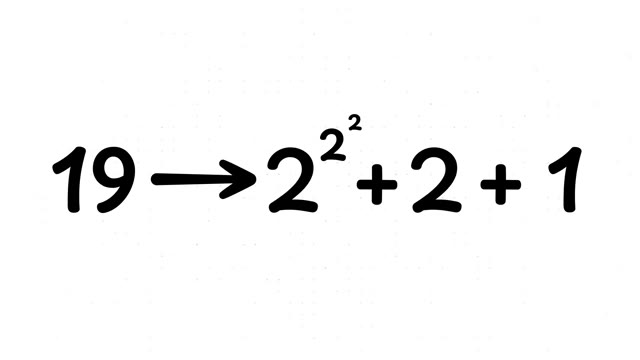
An equation showing 19 rewritten in hereditary base 2 notation, illustrating the first step.
- Bump the Base: Everywhere you see the current base (in our example, 2), replace it with the next integer (3).
- Our expression $2^{(2^2)} + 2^2 + 2^0$ now becomes $3^{(3^3)} + 3^3 + 3^0$.
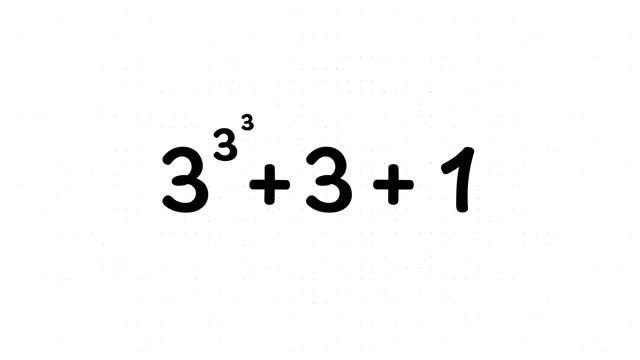
The equation shows 19 after bumping the base from 2 to 3, demonstrating the second step.
- Subtract One: Simply subtract 1 from the resulting number.
- $3^{(3^3)} + 3^3 + 3^0 - 1$.
Can you guess what this new number is? It’s not just big; it’s astronomically huge: 7,625,597,484,990.
Now, we repeat the process. We take this new, colossal number, rewrite it in hereditary base 3 (using 3s and numbers less than 3 for bases and exponents), bump all the 3s to 4s, and subtract 1. This generates a number 155 digits long. Continue this: rewrite in hereditary base 4, bump to 5, subtract 1. The numbers quickly become so large they break standard calculators – a number with 2,185 digits and growing.
Our intuition screams that this sequence must explode towards infinity. With each step, we replace a base with a larger one, creating towers of exponents that dwarf the humble subtraction of one. It seems impossible that such a sequence could ever terminate.
The Shocking Revelation: It Always Ends at Zero
Despite their explosive growth, Ruben Goodstein proved that every Goodstein sequence, regardless of its starting number, eventually reaches zero, a counter-intuitive truth explained by connecting to infinite ordinals.
Yet, Ruben Goodstein, the mathematician who invented this sequence, proved that every Goodstein sequence, regardless of its starting number, eventually reaches zero.
How can this be? How does a sequence that generates numbers of unimaginable scale ultimately dwindle to nothing? The answer lies in a profound connection to a realm of mathematics that Goodstein, a “finitist” who believed mathematics should be grounded in finite numbers, might have initially found distasteful: the realm of infinity.
Hereditary Base Notation: The Unsung Hero
Hereditary base notation expresses a number using a specific base, where all exponents must also be written in that same base, ensuring the expression is purely in terms of the base and numbers smaller than it.
Before we unravel Goodstein’s proof, we need a clearer understanding of “hereditary base notation.” Our everyday numbers are in base 10. The number 266 means $2 \times 10^2 + 6 \times 10^1 + 6 \times 10^0$. We can use any number as a base, like base 2. In base 2, 266 is $2^8 + 2^3 + 2^1$.
Hereditary base notation takes this a step further: all numbers in the expression, including the exponents, must be written in the chosen base.
- For 266 in base 2: $2^8 + 2^3 + 2^1$.
- Now, write the exponents (8, 3, 1) in base 2:
- $8 = 2^3$
- $3 = 2^1 + 2^0$
- $1 = 2^0$
- Substitute these back: $2^{(2^3)} + 2^{(2^1 + 2^0)} + 2^{(2^0)}$.
- And we must continue this recursively until all numbers are either the base (2) or less than the base (1 or 0, though 0 is usually implicit). So, the $3$ in $2^3$ becomes $2^1 + 2^0$.
- Thus, 266 in full hereditary base 2 is $2^{(2^{(2^1 + 2^0)})} + 2^{(2^1 + 2^0)} + 2^{(2^0)}$.
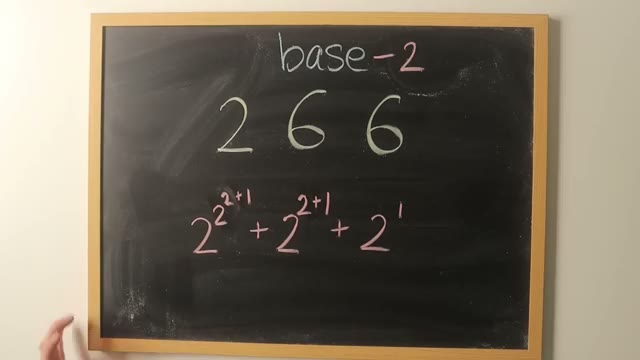
A complex equation shows 266 fully converted into hereditary base 2 notation.
This notation ensures that a number is expressed purely in terms of the chosen base and numbers smaller than it.
The Paradox of Termination: A Quick Example
Even a small Goodstein sequence starting with 3, despite appearing to loop, eventually terminates at zero after a few steps, demonstrating the theorem’s counter-intuitive conclusion.
To illustrate the termination, let’s try a very small Goodstein sequence, starting with 3 (G3), using base 2:
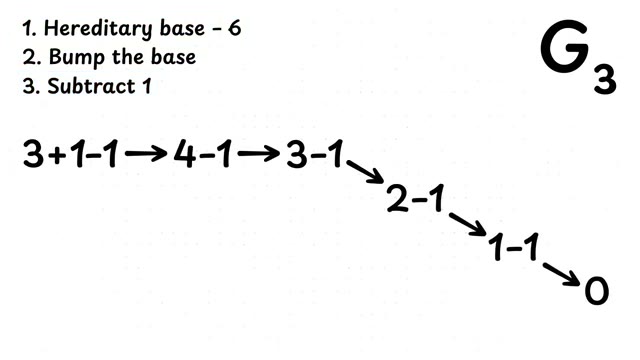
A table visually tracks the Goodstein sequence starting with 3, showing each step until it reaches zero.
-
Start: 3
- Hereditary base 2: $2^1 + 2^0$ (since $3 = 2+1$).
- Bump base (2 to 3): $3^1 + 3^0$.
- Subtract 1: $(3+1) - 1 = 3$. We’re back to 3.
-
Current: 3
- Hereditary base 3: We can simply write 3 as 3. (We’re allowed to use the base itself and numbers less than it).
- Bump base (3 to 4): 4.
- Subtract 1: $4 - 1 = 3$. Again, we’re back to 3.
-
Current: 3
- Hereditary base 4: 3. (3 is less than 4, so it’s already in the correct form).
- Bump base (4 to 5): 3. (There are no 4s to bump, so the number remains 3).
- Subtract 1: $3 - 1 = 2$.
-
Current: 2
- Hereditary base 5: 2.
- Bump base (5 to 6): 2.
- Subtract 1: $2 - 1 = 1$.
-
Current: 1
- Hereditary base 6: 1.
- Bump base (6 to 7): 1.
- Subtract 1: $1 - 1 = 0$.
The sequence terminates! This simple example gives a glimpse, but it doesn’t explain how the gargantuan G19 or G4 (which climbs for a “121 milldigit” number of steps before descending) eventually reach zero. For that, we need to introduce infinite ordinals.
Enter the Infinite: Cantor’s Ordinal Numbers
Goodstein’s proof relies on Georg Cantor’s infinite ordinal numbers (like $\omega$, $\omega+1$, $\omega^2$), which, unlike natural numbers, can only count down a finite number of steps to zero, a property called well-foundedness.
Goodstein’s proof, remarkably, relies on the work of Georg Cantor, a 19th-century mathematician whose theories of infinity were initially met with fierce opposition. Many mathematicians, like Leopold Kronecker (who famously declared, “God made the integers; all else is the work of man”), believed that infinity was a process, not a number that could be manipulated. Cantor, however, developed a rigorous theory of “transfinite numbers,” including ordinal numbers, which describe the order of elements in a set.
Finite ordinals are just our natural numbers: 0, 1, 2, 3… But what comes after all natural numbers? Cantor invented $\omega$ (omega), the first infinite ordinal. It represents the position after an infinite sequence.
We can continue counting: $\omega+1$, $\omega+2$, and so on. After another infinite sequence of these, we reach $\omega+\omega$, which is $\omega \times 2$. Then $\omega \times 3$, $\omega \times 4$, and after an infinite sequence of those, we reach $\omega^2$. This continues to $\omega^3$, $\omega^4$, and eventually to $\omega^\omega$, and even further to $\omega^{\omega^\omega}$, forming ever more complex “towers” of infinities.
Crucially, these ordinal numbers have a peculiar property: you can count up from any ordinal forever, but you cannot count down forever. If you start counting down from an ordinal, you will always reach zero in a finite number of steps. For instance, from $\omega^2 + \omega \times 2 + 5$, you subtract 1 five times to get $\omega^2 + \omega \times 2$. But there’s no $\omega \times 2 - 1$. You must jump to a smaller ordinal, say $\omega \times 1 + 100$. You continue subtracting and jumping, always eventually landing on a finite number and then reaching zero. As John Stillwell put it, “even though the road to an ordinal may be long, any return trip is short because it is finite.”
This property of “well-foundedness” — that every decreasing sequence of ordinals must eventually terminate — is the key to Goodstein’s proof.
Goodstein’s Genius: The Ordinal Shadow
Goodstein created an “ordinal shadow” by mapping each step of a Goodstein sequence to an ordinal number, replacing the base with $\omega$; this shadow always decreases with each step, proving the sequence must terminate at zero.
Goodstein’s stroke of genius was to create a function that maps every step of a Goodstein sequence to an ordinal number. He called this the “ordinal shadow.”
The function works like this: take a number written in hereditary base $n$, and everywhere you see the base $n$, replace it with $\omega$. For example, if we have $2^{(2^2)} + 2^2 + 2^0$ (our initial 19 in hereditary base 2), its ordinal shadow is $\omega^{(\omega^\omega)} + \omega^\omega + \omega^0$.
Now, let’s observe what happens to the ordinal shadow as the Goodstein sequence progresses.
-
Start: $19 = 2^{(2^2)} + 2^2 + 2^0$.
- Ordinal Shadow: $\omega^{(\omega^\omega)} + \omega^\omega + \omega^0$.
-
Next term of G19: $3^{(3^3)} + 3^3 + 3^0 - 1$.
- This is the result of bumping base 2 to base 3 and subtracting 1.
- Its ordinal shadow is $\omega^{(\omega^\omega)} + \omega^\omega + \omega^0 - 1$.
Notice something remarkable: the ordinal shadow decreased! The “bump the base” step, which causes the explosive growth in the Goodstein sequence (e.g., changing 2s to 3s), does not affect the ordinal shadow’s value because the base is always replaced by $\omega$. The only operation that changes the ordinal shadow is the subtraction of one.
Since the ordinal shadow decreases at every step, and we know that any decreasing sequence of ordinal numbers must eventually reach zero, the ordinal shadow must terminate.
And here’s the crucial logical leap: if the ordinal shadow must terminate, then the corresponding Goodstein sequence must also terminate. If a Goodstein sequence were infinite, its ordinal shadow would also be infinite. But this contradicts the proven property of ordinals that they always count down to zero. Therefore, every Goodstein sequence, no matter how large it becomes, must eventually reach zero.
Beyond the Proof: Unprovable Truths and the Nature of Math
Goodstein’s Theorem is a concrete mathematical truth about natural numbers that cannot be proven within Peano arithmetic, requiring the “outside perspective” of infinite ordinals, highlighting the debate on whether mathematics is invented or discovered.
Goodstein’s Theorem is more than just a clever proof; it’s a profound example of a mathematical truth that cannot be proven within the very system it describes. This connects it directly to Kurt Gödel’s Incompleteness Theorems, which demonstrated that there are true statements in mathematics that cannot be proven within their own axiomatic system (like Peano arithmetic, which describes the natural numbers).
Gödel’s original examples were abstract and self-referential. Goodstein’s Theorem, however, is a concrete statement about finite natural numbers. Yet, as Jeff Paris and Lawrence Kirby later showed, it cannot be proven using only the axioms of natural number arithmetic. The reason it can’t be proven is precisely because of its incredibly rapid growth, which can only be “tamed” and understood by looking at it through the lens of Cantor’s infinite ordinal numbers. The infinite ordinals provide an “outside perspective” necessary to prove a truth about finite numbers that they cannot prove about themselves.
This raises a fascinating philosophical question: Cantor invented $\omega$ and the transfinite ordinals because there was a “gap” in mathematics. These were human constructs, tools built to solve problems. Yet, Goodstein’s Theorem shows that these “made-up” numbers are necessary to prove a truth about the natural numbers.
Did Cantor truly invent omega, or did he discover a fundamental aspect of mathematical reality that was always “out there,” waiting to be found? This debate—whether mathematics is invented or discovered—has raged among mathematicians and philosophers for millennia. Goodstein’s Theorem stands as a powerful testament to the mysterious and often counterintuitive connections between the finite and the infinite, reminding us that the universe of numbers holds secrets that continue to challenge our understanding of truth itself.
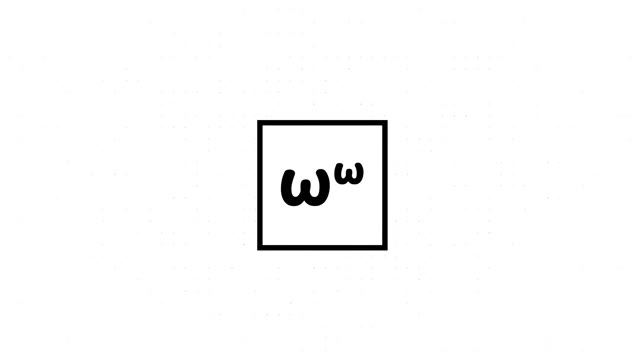
A visual representation of ordinal numbers, showing the progression from omega to omega to the power of omega.
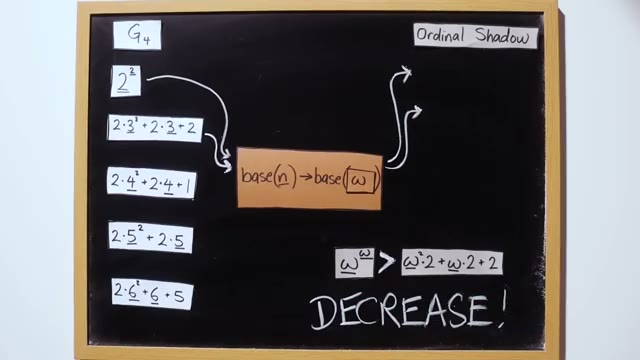
A table compares the Goodstein sequence steps with their corresponding ordinal shadows, highlighting the decrease.
Based on “When colleges think Plato is too gay | The Gray Area” from Vox Watch the original video
The Unwoke Censor: How Texas A&M Banned Plato’s Symposium
Episode summary
Texas A&M philosophy professor Martin Peterson recounts his resignation after the university, under pressure from Governor Greg Abbott and conservative Regents, banned his use of Plato’s Symposium in a “Contemporary Moral Issues” class. The university deemed the text “woke” for its discussion of same-sex relationships and sexual identity, violating a new policy limiting classroom discussion of race and gender. Peterson highlights the absurdity of censoring a 2,300-year-old classic, noting he previously used a Supreme Court ruling on same-sex marriage, which he found more ideological than Plato.
Peterson’s departure for a private institution, Southern Methodist University, underscores the practical impact of such policies on academic freedom. He argues that while public universities are accountable to taxpayers, micromanaging curriculum by political appointees undermines the expertise of professors and the quality of education, potentially eroding the global standing of American universities. He advises that professors should be trusted as experts, and censorship should only occur after a professor has said something inappropriate, not preemptively.
In the hallowed halls of academia, where the free exchange of ideas is supposed to be paramount, a quiet but profound battle is unfolding. At its heart is an ancient Greek philosopher, Plato, and a modern university system grappling with what it deems “woke” ideology. This past year, the Texas A&M University System found itself embroiled in controversy when a philosophy professor, Martin Peterson, was instructed to remove Plato’s Symposium from his syllabus. His refusal to comply, and subsequent resignation, has ignited a national conversation about academic freedom, political interference in education, and the very purpose of a university.
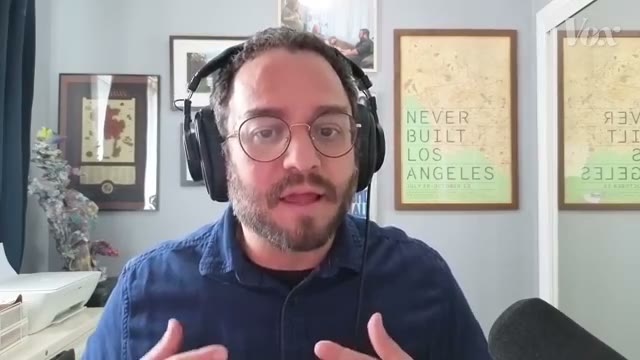
On-screen text identifies Martin Peterson as a Philosophy Professor at Texas A&M University.
Peterson, a philosophy professor with decades of experience, had assigned Plato’s Symposium for his “Contemporary Moral Issues” class at Texas A&M. The text, a classic exploration of the nature of love, was deemed problematic by the university, which cited a recently adopted policy limiting discussion of race and gender in the classroom. The directive was, as Peterson recounted, “absurd.” “I’m in a philosophy department, and that’s of course absurd,” he stated in an interview. “Everyone understands that in a philosophy department professors must be allowed to teach Plato.”
The Unthinkable Ban: When a Classic Becomes “Woke”
Plato’s Symposium, a 2,300-year-old text discussing various forms of love, including same-sex relationships, was banned from a Texas A&M philosophy class because the university deemed its discussion of sexual identity “woke” and a violation of a new censorship policy.
Plato’s Symposium, written over 2,300 years ago, is a foundational text in Western philosophy. It depicts a dinner party where several prominent Athenians, including Socrates and Aristophanes, deliver speeches on the nature of love, or Eros. Peterson explained why he included it: “It’s a text about the nature of love. Plato discusses many different forms of love.” While Plato ultimately elevates the love of philosophy and abstract feelings as the highest form, the text also, crucially, “talks about same-sex relationships as being something fully natural and not something that we have to be ashamed of.”
This particular aspect, the candid discussion of same-sex relationships, was the university’s sticking point. “That was a part that the university had problems with,” Peterson confirmed, “because according to this censorship policy, we aren’t allowed to talk about sexual identity.”
Peterson specifically highlighted Aristophanes’ speech in the Symposium, which presents a mythical origin of different sexual identities. In this myth, humans were originally spherical beings with two sets of limbs and organs – male-male, female-female, or male-female. When split by the gods, these halves were left to search for their counterparts, thus explaining heterosexual and homosexual attraction. The dialogue also touches upon relationships between older men and younger men, common in ancient Athens.
For Peterson, including Symposium was not an endorsement of ancient practices, but an academic exercise. “Just reading Aristophanes’ speech and discover how ancient thinkers thought about certain types of relationships being perfectly normal and even valuable is revealing,” he argued. “It’s perhaps shocking to some people. I’m not defending Plato or saying that Plato was right… but just discovering that those ideas and practices have been around for a very long time. It’s interesting and worth having a discussion about.” The text, he noted, fit seamlessly into a curriculum alongside other classical thinkers like Aristotle and John Stuart Mill.
A Policy Forged in Controversy
The policy banning discussion of race and gender was adopted by politically appointed Regents in late 2025, following Governor Greg Abbott’s public demand for an English lecturer’s firing for teaching children’s literature from a gender perspective, effectively creating a blanket ban for core curriculum courses.
The policy that led to Plato’s ban was adopted by the Texas A&M University System Regents in late 2025. It mandates approval for any courses addressing race, gender, sexual orientation, or gender identity. The genesis of this policy, Peterson revealed, lies in a politically charged incident from the previous year.
In September, an English lecturer, Melissa McColl, was fired from the university. Her transgression? Teaching children’s literature from a gender perspective, questioning, for example, “Why are all children’s books stories about heterosexual couples? Why aren’t there any children’s books with homosexual parents, for example?” Texas Governor Greg Abbott publicly tweeted that she should be fired, and the university president complied. “In response to that,” Peterson explained, “the Board of Regents decided to implement this new policy.”

A screenshot of Texas Governor Greg Abbott’s tweet advocating for Melissa McColl’s firing.
The Regents themselves, Peterson clarified, are political appointees, typically “successful businessmen, very conservative.” They view their role as implementing the governor’s vision for the university, a dynamic Peterson finds deeply problematic for a public institution.
The policy’s review process requires professors to demonstrate a “necessary educational purpose” for materials discussing race, gender, or sexuality, and then obtain written approval from the campus president. However, Peterson’s course, a “core class,” was explicitly excluded from this review process. “It’s by design,” he asserted. “We don’t want us to teach the topics, but they designed the process so it sounds like we can’t teach them if we go through the process. But as a matter of fact, it’s not a real option for us to do that.” This effectively created a blanket ban for core curriculum courses.
Collateral Damage: The Wider Impact on Education
This policy has fundamentally compromised foundational courses like “Introduction to Race and Ethnicity” and “Human Sexuality,” leading to their cancellation or heavy censorship, which professors fear will diminish Texas A&M’s reputation and the value of its degrees.
The implications of this policy extend far beyond a single philosophy class or the works of Plato. Peterson pointed out that other foundational courses, such as “Introduction to Race and Ethnicity,” “Introduction to Women’s and Gender Studies,” “Social and Cultural Anthropology,” and “Human Sexuality,” are now fundamentally compromised. “They cannot be taught anymore,” he stated. “Texas A&M used to be a university where students could take such courses, but no, not anymore. They’re all being canceled or heavily censored or modified.” The university’s cultural discourse requirement is actively being revised to align with the new restrictions.
The broader academic community at Texas A&M is, understandably, deeply concerned. While many professors share Peterson’s views, fear of professional repercussions silences them. “Many many professors agree with me, but they aren’t so keen to speak up because it’s a risky business that people get fired,” he said. The long-term consequences, Peterson fears, are dire: “It’s bad for the university. It’s bad for our reputation. The value of a degree from Texas A&M will no longer be what it used to be.”
The University’s Narrative vs. The Professor’s Reality
While Texas A&M claimed it still teaches Plato, Peterson clarified that Symposium, a crucial text, was banned due to its “controversial parts,” pushing back against conservative critics who labeled his actions a “hoax” for teaching a classic in a philosophy class.
In a statement, Texas A&M maintained that it “will teach numerous dialogues by Plato in a variety of courses this semester and will continue to do so in the future,” framing Peterson’s issue as the rejection of “one section of Philosophy 111… because the professor slated to teach the class had included modules on gender and race ideology.”
Peterson acknowledged he had indeed modified his syllabus. Previously, he had included a Supreme Court ruling legalizing same-sex marriage. He chose Symposium as a philosophical alternative that made “more or less the same point: Same-sex relationships are okay. They are fully normal. It’s nothing to worry about.” He pushed back against the university’s framing: “No one has claimed that everything Plato ever wrote has been banned at Texas A&M. But one of the most important text, Symposium, has been banned. We are I’m not allowed to teach that text. And that’s how censorship works, right? It’s pretty rare that everything an author wrote is censored. It’s typically their most controversial parts, probably the parts we have to talk about, we ought to talk about, that are being censored.” He found the censorship of Plato particularly surprising.
Conservative critics, however, accused Peterson of orchestrating a “hoax” or “academic theater” to provoke a reaction. Peterson vehemently denied this. “How can it be inappropriate to teach Plato in a philosophy class? I teach John Stuart Mill, I teach Aristotle. How could it be a hoax to ask students to read Plato?” He clarified that he didn’t contact the press directly; he forwarded the email from his department head to a colleague, which then went viral.
Why Plato’s Ban Resonated
The ban garnered international attention because censoring a 2,300-year-old, non-dangerous classic like Plato’s Symposium confirmed public suspicion that the far-right ideological push had gone too far, regardless of any alleged “setup” by the professor.
The story of Plato’s ban garnered international attention, a rare feat for a philosophy professor. Peterson believes its resonance stems from a broader public sentiment. “Everyone understands that Plato is not dangerous. Plato is not part of a problem,” he observed. “Teaching Plato in a philosophy department can’t be something that we should be concerned about. If we end up censoring the classics, someone has been dead for more than 2,300 years, that just makes no sense.” The incident, he surmised, “confirmed the suspicion that the far-right ideological push has gone too far.”
Even if the accusations of a “setup” were true, Peterson argued, the core issue would remain. “If I had told you… that I deliberately did this, I wanted to provoke a reaction… it would still be bad, right? Of course, I should still be allowed to teach Plato in the philosophy department.”
Dissenting Compliance and Resignation
Peterson replaced the banned text with a unit on free speech and academic freedom, then resigned from Texas A&M to join a private institution, Southern Methodist University, after the board refused to rescind the policy, practicing “dissenting compliance” by speaking out while technically complying.
In the immediate aftermath of the ban, Peterson found an ingenious way to address the situation in his classroom. He replaced the censored Symposium with a unit on free speech and academic freedom. The assigned reading became a New York Times article about the very incident, followed by a guest lecture from a UT Austin law professor on the legal aspects of academic freedom, and Peterson’s own lecture on John Stuart Mill’s defense of free speech. “The university helped me to create some good content for a class on contemporary moral issues,” he quipped, though reiterating it was not intentional.
Ultimately, Peterson chose to resign from his tenured position at Texas A&M, effective at the end of July. He felt he had made his point through numerous interviews and public testimonies, but the board remained unyielding. “Vaden has made it pretty clear that his plan is to continue to censor Plato and other texts… So, the board is not revising or rescinding the policy. In a sense, you could say that they have won.”
He has since accepted a position at Southern Methodist University (SMU) in Dallas, a private institution. This move is crucial, as private universities are not directly subject to the state censorship policies. Peterson views his public criticism as a form of “loyalty” to Texas A&M in the long run, hoping it will help the institution become a truly great academic institution.
His strategy throughout the ordeal, he explained, was “dissenting compliance.” Unlike civil disobedience, which risks immediate termination and little change, Peterson chose to “very, very forcefully express my concerns. I say what I think is wrong, but I at the end comply with the policy, so they can’t find me, so they can’t punish me.” This, he believes, is “the most reasonable compromise.”
The Gray Area of Academic Freedom
Peterson advocates for academic freedom within professors’ expertise, opposing pre-emptive censorship and arguing that while public universities are accountable to taxpayers, micromanaging curriculum by political appointees undermines expert professors and educational quality.
The Texas A&M saga raises fundamental questions about the nature of academic freedom and university governance. Peterson, as chair of an academic freedom council, doesn’t advocate for unlimited freedom in the classroom. Professors, he believes, must adhere to their expertise and ensure content is relevant to the course description. “If you teach biology, you can’t really talk about the Plato all the time because Plato isn’t relevant in your biology course,” he offered as an example. “You must also be competent… what you say must be based on on your scientific expertise.”
However, he strongly opposes pre-emptive censorship. “We shouldn’t censor professors before they’ve said something controversial. It’s better to wait until they have actually said something they shouldn’t have said and at that point intervene and sanction them if appropriate.”
Regarding the Regents’ argument that as a public university, they are accountable to Texas taxpayers, Peterson conceded they have a point. But he drew a clear line: “It’s not appropriate for the board to micromanage the course content. What’s the point of having an expert in the classroom if expert doesn’t get to decide what is said in the classroom?” He emphasized the need to shield universities from dramatic political shifts, regardless of which party is in power, to maintain stability and quality. “They have to trust the professors. We are the experts,” he concluded. “I do not advocate for any ideologies. I present arguments for and against all the views that I discuss.”
Interestingly, Peterson’s own philosophical work explores these nuanced decisions. His book, Ethics in the Gray Area, A Gradualist Theory of Right and Wrong, posits that many ethical choices are not simply black or white. He argues that mainstream ethical theories often fail to account for the “common sense intuition that there is a gray area in ethics,” where actions can be “a bit right and a bit wrong.” Applying this to his own situation, Peterson admitted he was operating in a gray area regarding his loyalty to the institution versus his obligation to speak out. While he believes censoring Plato is unequivocally wrong, his personal response—criticizing the university while still technically complying—was a complex ethical decision.
Beyond A&M: A Future in Flux
Peterson’s move to SMU reflects concerns that political interference and censorship could erode the global standing of American universities, emphasizing that attracting talent and fostering free intellectual development are paramount to academic excellence.
At SMU, Peterson will take up the Scurlock Chair in AI Ethics, a rapidly developing and crucial field for philosophical inquiry. His move reflects a broader concern about the direction of American higher education. “The US is not doing so well in international comparisons anymore,” he warned. “There is a reason for why American universities have been so strong… if it continues like this, that may not be true in the future.” The ability to attract global talent and foster free intellectual development, unburdened by political interference and censorship, is, in his view, paramount to academic excellence.
The Texas A&M incident, culminating in the departure of a tenured professor over a classical text, serves as a stark reminder of the ongoing struggle for academic freedom in an increasingly polarized political landscape. The question remains: if Plato’s Symposium can be deemed “woke” and banned, what other fundamental texts and discussions will follow? The battle for the classroom, it seems, is far from over.

On-screen text highlights the title of the banned text, ‘Plato’s Symposium’.

A list of courses like ‘Introduction to Race and Ethnicity’ that are now compromised.
A New York Times article about the Plato ban, which Peterson used as a replacement reading.
A book cover for ‘Ethics in the Gray Area, A Gradualist Theory of Right and Wrong’ by Martin Peterson.
Based on “Oligarchy is worse than you think” from Johnny Harris Watch the original video
The Invisible Hand of Power: How Oligarchy Silently Shapes Our World
Episode summary
Johnny Harris explores oligarchy, arguing it’s not merely rich people governing, but a system where extreme wealth itself grants power, primarily to defend that wealth. He illustrates this with a 1973 IRS investigation into offshore tax evasion by America’s wealthiest, which was abruptly shut down by a new IRS director who deemed pursuing the rich an improper use of resources. This decision coincided with a doubling of the top 0.1%’s wealth from 9% to 18% of the nation’s total.
This “wealth defense industry” — a vast network of lawyers, accountants, and lobbyists — helps the ultra-rich obscure asset ownership, enabling them to evade an estimated half-trillion dollars in global taxes annually, with Americans paying 15% more to compensate. While some oligarchs directly influence policy, many simply leverage this industry to stay rich. The core takeaway is that this embedded power structure makes it incredibly difficult for democratic systems to enact change, as evidenced by a 2014 study showing average citizens have “essentially zero estimated impact upon policy change” compared to economic elites.
A chart shows a strong correlation between economic elites’ preferences and policy outcomes, while average citizens’ preferences have no impact.
Miami, 1973. A seemingly innocuous date between a Bahamian bank executive and a young woman turns into a pivotal moment in American history. What the executive didn’t know was that his charming companion was a private investigator, and the friend who set them up was an informant for the IRS. Their target? His briefcase. While the couple dined, the briefcase was stealthily photographed, its contents revealing a goldmine for tax investigators: a list of clients using an offshore Bahamian bank to evade taxes.
The IRS agents expected to find organized crime figures, and they did. But the vast majority of the hundreds of names on that list were not known criminals. Instead, they were some of the richest people in America. This discovery was a historic turning point, exposing the sheer scale to which the ultra-wealthy were hiding colossal sums from the government. The IRS’s “Intelligence Unit,” previously focused on mobsters, realized the real money in unpaid taxes lay with the top 0.1%.
What happened next is a stark illustration of how deep the roots of oligarchy run. A new IRS director, a former elite tax lawyer, personally intervened. He deemed the investigation an improper use of IRS resources, shut it down, and even refocused and renamed the Intelligence Unit to the “Criminal Investigation Division,” shifting its focus away from ultra-rich tax evasion. In essence, the US government, at its highest levels, chose to turn a blind eye to how its wealthiest citizens were avoiding their tax obligations.
This 1973 incident is more than just a historical footnote. It’s a foundational story that helps us understand a concept we hear about often but rarely grasp in its full complexity: oligarchy. Today, the wealthiest 0.1% of Americans hold double the share of the nation’s wealth they did in 1973. A group small enough to fit inside a double-decker bus now commands as much wealth as half the entire US population. We feel this growing imbalance, this sense that the rich are getting richer while the rest of us struggle, and that we are powerless to change it. This article delves into the hidden mechanisms of oligarchy, exploring why this lopsided reality persists, regardless of who we vote for.
A graphic shows a double-decker bus next to a crowd of people, illustrating wealth disparity.
Defining Oligarchy: Wealth as Power
Oligarchy, as defined by Jeffrey Winters, is not just rich people running the government, but wealth itself being a form of power, primarily used by the wealthy to protect their assets from government redistribution.
When most of us hear “oligarchy,” we might think of Russia’s powerful billionaires or a small, oppressive ruling class. While those are valid examples, the definition offered by scholar Jeffrey Winters, who has literally written the book on the subject, is far more nuanced and unsettling. Winters argues that oligarchy isn’t just about rich people running a government; it’s about wealth itself being a form of power. Those who possess concentrated wealth are oligarchs, and their defining obsession is to protect that wealth.
Historically, defending a vast fortune might have involved literal physical combat, like feudal lords warring to seize each other’s assets. In the modern state, however, oligarchs have largely ceded their role as armed rulers to a powerful, centralized government that guarantees the protection of property. This allows them to appear as “simply wealthy,” seemingly apolitical and not reliant on coercion. Yet, this doesn’t mean their wealth is entirely safe. States can be “redistributive,” using taxation and other policies to reduce concentrated wealth and spread it throughout society. It is against this threat – the government’s power to tax and redistribute – that modern oligarchs deploy their power.
Consider Kevin Trudeau, the 1990s infomercial superstar who pushed quack pseudoscience and amassed a fortune of hundreds of millions. When the US government eventually caught up to him, suing and jailing him, he knew what was coming. Before the final judgment, he frantically moved all his money offshore to places like Belize, Liechtenstein, and the Seychelles. The government’s filing explicitly stated that his money was “beyond the FTC’s reach, beyond the government’s reach.” Trudeau, though perhaps not an oligarch himself, perfectly illustrates a crucial feature of oligarchy: at a certain level, wealth grants the power to evade your own government.
The Wealth Defense Industry: An Invisible Army
The “wealth defense industry,” a vast network of professionals, helps the ultra-rich obscure asset ownership through complex structures, enabling them to evade an estimated half-trillion dollars in global taxes annually.
Trudeau’s success in shielding his assets was not a solo act. He, like countless others, benefited from what scholars call the “wealth defense industry.” This isn’t a shadowy cabal, but a sprawling, loose network of millions of lawyers, accountants, lobbyists, tax experts, political operatives, money managers, and estate planners. Their singular goal: to keep the government from taking rich people’s money.
This industry thrives on complexity. As the Panama Papers leaks revealed a decade ago, companies like Mossack Fonseca acted as one-stop shops for wealth defense, serving criminals, politicians, and ordinary millionaires alike. At its core, the strategy is simple: muddy the link between an asset and its owner. Governments can only tax what they know belongs to someone. The wealth defense industry creates a labyrinth of shell companies, trusts, and offshore accounts, making it nearly impossible to trace ownership. You can see the asset, but you don’t know who owns it; you can see the rich person, but you don’t know what they truly own. The connection between the two runs through a maze designed to be impenetrable.
A complex diagram shows assets connected to owners through a maze of shell companies and trusts.
The scale of this evasion is staggering. Governments worldwide lose an estimated half a trillion dollars annually in uncollected taxes due to offshore wealth. In the US alone, this figure is around $100 billion each year. This isn’t “remake the US government” money, but it could fund several government agencies multiple times over. A 2001 study found that the average American was paying 15% more in taxes because of what the ultra-rich weren’t paying. Given that the ultra-rich pay even less in taxes today than they did 25 years ago, that number is almost certainly higher now.
Wealth defense extends beyond mere tax evasion. It can involve direct political influence. We’ve seen billionaires spend millions on ad campaigns to defeat proposed tax hikes in their states, or even start their own political parties to repeal mining taxes, as one Australian billionaire did. These actions, whether quiet offshore maneuvers or overt political campaigns, are all manifestations of wealth defending itself. And it’s not just the household names like Bezos or Zuckerberg; it’s a class of thousands upon thousands of individuals, most of whom we’ve never heard of, whose wealth grants them this extraordinary power.
The individuals working within this industry are not necessarily nefarious. They are often highly intelligent, pragmatic professionals. Many are drawn by the lucrative salaries, choosing to apply their talents in the private sector rather than public interest. They see themselves as cogs in a system, operating within existing rules. As one expert noted, “If the systems were different, I would do it differently. I’m just a cog in the system. Until the systems change, this is how I have to do business.” This creates a significant imbalance: the private sector attracts and cultivates the best minds to protect wealth, while government regulators often lack the capacity and resources to keep pace.
The big reframe here is that oligarchy isn’t just about a few powerful figures overtly controlling the government. It’s much more widespread, quieter, and harder to track. It’s the inherent capacity of extreme wealth to hire armies of “wealth defense soldiers” who help hide money from taxes. Whether active in politics or not, these individuals are oligarchs because they possess a power that the average citizen does not: the ability to deploy their wealth to protect itself.
The Illusion of Influence: Why We Can’t Change It
A 2014 study found that average citizens have “essentially zero estimated impact upon policy change,” while economic elites’ preferences strongly correlate with policy outcomes, especially on “vertical issues” concerning wealth distribution.
If the majority of us are on the struggling end of the wealth pyramid, why can’t we do something about this? The answer, as a bombshell 2014 study by two political scientists from Princeton and Northwestern revealed, is chilling. After analyzing nearly 2,000 policy cases over two decades, they found that “average citizens’ preferences have essentially zero estimated impact upon policy change.”
The study showed a strong correlation between what “economic elites” (the ultra-rich) want and what actually becomes policy. If 100% of rich people want a certain policy, it’s very likely to happen. Conversely, what average citizens want barely makes a difference in policy outcomes. This isn’t to say your vote doesn’t matter, but rather that its impact is severely limited when it conflicts with the interests of the ultra-rich. If the wealthy agree on a policy and the majority of citizens disagree, the wealthy tend to win.
This phenomenon can be understood through the lens of “vertical” versus “horizontal” political issues. Imagine the wealth pyramid as a triangle.
- Vertical issues address conflicts or tradeoffs between the very wealthy and everyone else. Higher taxes on the wealthy is the most obvious example. On these issues, the power of the rich is most directly challenged, and their influence is most pronounced.
- Horizontal issues deal with differences among the rest of us – things like abortion, religion, social policies, or cultural wars. On these issues, where the interests of the ultra-rich as a class are often neutral or divided, voters do have a significant freedom to determine outcomes.
A graphic illustrates the wealth pyramid, depicting the top 0.1% at the very narrow peak.
Oligarchs, Winters argues, are very comfortable with us fighting over horizontal issues. Debates about immigration, “woke” culture, or political correctness, while often passionately held, rarely point the finger at the concentration of wealth at the top. This focus on what divides us distracts from what could unite us: the shared experience of having little, while others at the top have a lot. As Winters puts it, we have “participatory inequality” – real freedoms and a true democracy, but one that is very limited in its capacity to address fundamental economic disparities.
Oligarchy in America’s DNA: A Historical Perspective
The US system, with its checks and balances, was deliberately designed by founders like James Madison to temper direct democracy and safeguard property rights, institutionalizing limitations on the majority’s will to protect the wealthy.
The current era of “in-your-face oligarchy,” as Winters describes it, isn’t entirely new. It echoes the Gilded Age of the late 19th century, when figures like Rockefeller, Carnegie, and Vanderbilt built vast monopolies in oil, railroads, and steel. This period was characterized by new technologies, minimal government regulation, immense wealth concentration (the richest 1% owned half the country’s wealth), and rampant corruption (local judges, senators, and state governments effectively bought off). These “robber barons” or “plutocrats,” as they were then called, engaged in their own forms of wealth defense.
The extreme inequality, unconscionable labor practices, and widespread poverty eventually sparked a powerful backlash. Mass strikes, labor agitation, and populist politics emerged, demanding reform. In 1890, Congress passed a major anti-monopoly law, and in 1894, the federal income tax was enacted, giving the government the power to redistribute wealth. This was a monumental shift.
However, less than a year later, the US Supreme Court, in a five-to-four decision, declared the income tax unconstitutional. It took nearly 20 more years, and a constitutional amendment (the 16th, in 1913), to finally establish a permanent federal income tax. Once implemented, the graph of top earners’ income tax rates soared, and correspondingly, the concentration of wealth among the top 0.1% plummeted. This era, from the 1950s to the 1970s, is often called the “golden age of American capitalism,” where many people made money, but it wasn’t concentrated to the same extreme degree as before or since.
This struggle over the income tax highlights a crucial insight from Winters: the American system itself is deliberately designed with elements of oligarchy baked in. What we call “checks and balances” – the separation of powers into Congress, the President, and the federal courts – isn’t just about preventing centralized tyranny. It also serves to temper direct democracy.
Consider the original design: the House of Representatives was the only body directly elected by the people. Senators were chosen by state legislatures, not popular vote. The President was selected by the Electoral College, not directly by citizens. And federal judges are appointed. For any law to pass, all these bodies must align. The Senate can block the House, the President can veto, and the courts can declare laws unconstitutional.
Winters argues that this structure, rather than simply spreading power, consolidates it away from the democratic will of the majority. Transcripts from the Constitutional Convention reveal founders like James Madison expressing concern that under pure democracy, poor and working people (“those who labor under all the hardships of life”) might outnumber and overpower the rich (“those above the feelings of indigence”). Another founder explicitly stated that a major reason for creating the Senate was “to secure the rights of property,” and that “the evils we experience flow from the excess of democracy.” These statements suggest a deliberate skepticism towards unchecked popular power and a desire to safeguard the interests of the wealthy.
The US, in the 1780s, effectively set a model for how oligarchy and democracy could coexist, institutionalizing limitations on what democracy could do. While we proudly uphold our democratic ideals, we also live within a system where tempering forces counterbalance the majority’s will, a balance that has been exported to democracies worldwide. The US, therefore, is not unique in being both a democracy and an oligarchy; it’s a tension, a slider that moves back and forth, and we’re currently witnessing it slide towards greater oligarchic visibility.
The Path Forward: Recognizing the Vertical
Recognizing that we live in both a democracy and an oligarchy is crucial; understanding the wealth defense industry and historical imbalances allows us to address the deeper, “vertical” issue of wealth inequality for a healthier society.
Today, as a handful of billionaires expand their influence across technology, media, and geopolitics, the line between corporate and government power blurs in unprecedented ways. This “in-your-face oligarchy” feels new, but it is a resurgence of dynamics seen in the Gilded Age, where immense wealth concentration coincided with a lack of regulation and visible elite power.
The truth is, we live in both a democracy and an oligarchy simultaneously. They are real, they coexist, and there is a constant tension between them. Recognizing this complex reality is the first step. Understanding the mechanisms of the wealth defense industry, the subtle ways policy is shaped, and the historical roots of these imbalances within our own system, allows us to see beyond the distracting horizontal conflicts and address the deeper, vertical issue of wealth inequality. A far healthier society is within our reach, but it requires us to acknowledge that inequality tears at the fabric of society, increasing horizontal conflicts and distracting us from the concentrated power at the top.
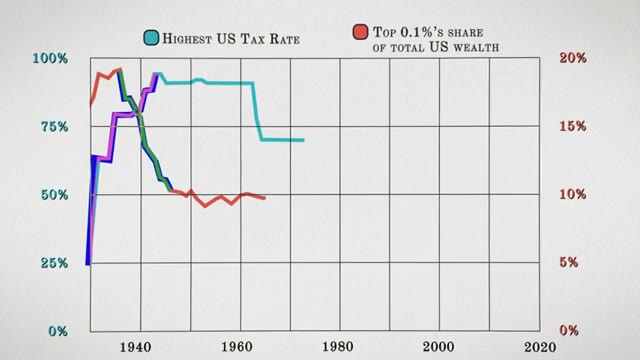
A dynamic graph shows top income tax rates rising as wealth concentration for the top 0.1% falls, then reversing.
A diagram illustrates the three branches of the US government and how each body is (or was) chosen.
한국어
“Gut Expert: Eating these 3 foods could improve your mental health | Tim Spector: Full Interview” — Big Think 기반 기사 원본 영상 보기
뇌 건강과 정신 건강의 열쇠, 바로 ‘장’에 있다: 팀 스펙터 교수의 혁명적인 식단 원칙 8가지
에피소드 요약
팀 스펙터(Tim Spector) 킹스 칼리지 런던 역학 교수는 장내 미생물(gut microbiome)이 뇌와 정신 건강에 미치는 지대한 영향을 강조하며, 장 건강이 전반적인 신체 및 정신 건강의 핵심이라고 주장한다. 그는 장내 미생물을 우리 몸의 ‘가상 장기’이자 ‘미니 약국’으로 비유하며, 우리가 섭취하는 음식을 수천 가지 화학 물질로 전환하여 신체에 놀라운 영향을 미친다고 설명한다. 특히 장내 미생물의 다양성이 건강과 직결되며, 장내 미생물이 200배 더 많은 유전자를 가지고 있어 인간 세포보다 훨씬 다재다능하다고 강조한다. 장 건강과 뇌 건강의 연관성은 장-뇌 축(gut-brain axis)을 통해 이루어지는데, 특히 미주신경(vagus nerve)을 통해 장에서 뇌로 전달되는 신호가 뇌의 기능과 기분에 큰 영향을 미친다는 것이 최근 연구를 통해 밝혀졌다. 스펙터 교수는 서구식 식단으로 인한 만성 염증이 우울증, 불안, 치매 등 정신 건강 문제의 주요 원인이며, 이 염증은 주로 장에서 시작되어 뇌로 신호를 보낸다고 설명한다. 실제로 정신 건강 문제를 겪는 사람들은 평균 이상의 염증 수치와 비정상적인 장내 미생물을 보이는 것으로 나타났다.
스펙터 교수는 장 건강 개선을 위해 ‘마음 챙김(mindfulness)‘을 통해 음식 섭취에 대한 인식을 높이고, 다양한 식물성 식품을 섭취하는 것이 중요하다고 조언한다. 특히 일주일에 30가지 이상의 다양한 식물성 식품을 섭취하여 장내 미생물의 다양성을 확보하는 것이 핵심이다. 또한, 구강 위생이 전신 염증과 뇌 건강에 미치는 영향을 강조하며, 규칙적인 양치질과 치실 사용으로 치주염을 예방하는 것이 심장 질환 및 치매 위험을 크게 낮출 수 있다고 설명한다. 그는 장 건강이 좋다면 대부분의 다른 건강 문제도 해결될 것이라며, 장내 미생물 검사가 유전자 검사보다 훨씬 유용할 것이라고 덧붙인다.
오랫동안 우리는 뇌가 신체의 모든 것을 통제하는 독립적인 기관이라고 믿어왔습니다. 그러나 최근 과학적 발견들은 이러한 전통적인 사고방식에 거대한 변화를 요구하고 있습니다. 킹스 칼리지 런던의 역학 교수이자 영양 및 장 건강 기업 ZOE의 공동 설립자인 팀 스펙터(Tim Spector) 박사는 우리 몸속 ‘장’이 뇌 건강과 정신 건강에 미치는 지대한 영향력을 강조하며, 놀라운 과학적 통찰과 함께 일상생활에서 실천할 수 있는 구체적인 식단 원칙들을 제시합니다.
스펙터 박사는 장 건강이 단순히 소화 문제를 넘어 비만, 면역 체계, 그리고 우리의 정신 건강에 깊이 연결되어 있음을 역설합니다. 이제 뇌는 몸과 분리된 존재가 아니라, 장으로부터 대부분의 정보를 얻는 또 다른 기관으로 이해되어야 합니다.
1. 장 미생물군: 우리 몸의 숨겨진 ‘가상 장기’
장 미생물군은 수조 개의 미생물로 이루어진 ‘가상 장기’이자 ‘미니 약국’으로, 우리가 먹는 음식을 수천 가지 화학물질로 변환하며 인간 세포보다 200배 많은 유전자를 가집니다.
스펙터 박사는 장 미생물군(gut microbiome)을 우리 몸속에 새로이 발견된 ‘가상 장기(virtual organ)‘에 비유합니다. 현미경으로만 볼 수 있는 박테리아, 곰팡이, 기생충, 바이러스 등 수조 개의 미생물로 이루어진 이 공동체는 주로 대장(large intestine) 하부에 서식합니다. 이들은 우리가 섭취하는 음식을 수천 가지 화학물질로 변환하는 ‘미니 약국(mini pharmacies)‘과 같습니다. 이 화학물질들은 우리 몸에 놀라운 영향을 미치며, 그 중요성은 이제 막 밝혀지기 시작했습니다.
놀랍게도 장 미생물군은 우리 인간 세포보다 약 200배 많은 유전자를 가지고 있어 훨씬 더 다재다능하고 다양한 화학물질을 생산할 수 있습니다. 스펙터 박사는 초기 포유류와 인류가 미생물 군집을 통해 상호작용하며 진화했으며, 이 미생물 없이는 우리의 신체 기능, 특히 뇌 발달이 정상적으로 이루어질 수 없었을 것이라고 설명합니다.
장 미생물군은 수천 종의 미생물이 각자의 특화된 틈새시장을 차지하고 있는 ‘정글’ 또는 ‘자연 동물원’과 같습니다. 이들은 모두 같은 음식을 놓고 싸우는 것이 아니라, 마치 동물들이 특정한 맛을 선호하도록 진화했듯이 각자 좋아하는 음식이 다릅니다. 예를 들어, 스펙터 박사의 연구팀은 오직 커피만 먹는 특정 미생물을 발견했는데, 이 미생물은 수년 동안 첫 커피 한 잔을 기다리며 잠복해 있다가 커피를 마셔야만 번식하기 시작합니다. 이는 우리 장 속에 우리가 먹는 특별한 음식을 기다리는 수많은 미생물이 잠재해 있을 수 있음을 시사합니다.
다양성이 곧 건강이다
장 미생물군이 다양할수록 건강하며, 각 미생물은 특정 음식을 선호하여 완벽한 생태계를 이루고, 개인별 장 미생물군은 유전보다 환경적 영향을 많이 받습니다.
스펙터 박사는 장 미생물군이 다양할수록 우리가 더 건강하다는 점을 강조합니다. 어떤 미생물은 커피를 좋아하고, 어떤 미생물은 양배추 잎을, 또 어떤 미생물은 씨앗이나 견과류를 좋아합니다. 심지어 다른 미생물이 먹고 남긴 찌꺼기를 먹는 미생물도 있습니다. 이들은 완벽한 생태계를 이루며 협력하여 음식물 쓰레기를 남기지 않습니다. 쥐 연구에 따르면, 매우 다양하고 강력한 미생물 군집을 가진 쥐는 일반적인 식단을 먹어도 남는 음식물 쓰레기가 없었지만, 미생물 다양성이 부족한 쥐는 잔여물이 남았습니다. 이 잔여물은 염증을 유발하는 ‘나쁜 미생물’의 먹이가 됩니다. 즉, 모든 미생물이 각자의 역할을 하고 먹을 것을 얻는 건강한 ‘장 속 동물원’은 지속 가능한 사회처럼 기능합니다.
개개인의 장 미생물군은 매우 다릅니다. 태어날 때 무균 상태인 아기는 어떤 미생물이 장에 정착하느냐에 따라 달라지기 때문에, 평균적으로 두 사람 사이에는 약 20%의 장 미생물만 공유됩니다. 심지어 일란성 쌍둥이조차도 그 이상을 공유하지 않습니다. 이는 장 미생물군이 유전적이라기보다는 무작위적이고 환경적인 영향을 많이 받는다는 것을 의미합니다.
과거에는 ‘나쁜 미생물’을 제거하는 데 초점을 맞추었지만, 이제는 ‘좋은 미생물’을 최대한 늘리는 것이 중요하다고 스펙터 박사는 말합니다. 다양한 음식으로 좋은 미생물에게 먹이를 제공함으로써, 우리 몸이 활용할 수 있는 가장 광범위한 화학물질을 생산하도록 돕는 것이 핵심입니다.
2. 장 불균형이 뇌 질환으로 이어지는 과정
장 미생물군은 신진대사, 면역 체계, 신경계와 상호작용하며, 특히 미주신경을 통해 장에서 뇌로 정보가 전달되어 뇌 기능에 큰 영향을 미칩니다.
스펙터 박사는 장 미생물 연구를 시작할 당시에는 장이 비만과 신진대사에만 관여한다고 생각했지만, 최근 들어 그 역할이 훨씬 더 광범위하다는 것을 깨달았다고 말합니다. 장 미생물군은 우리 몸의 세 가지 핵심 부분과 상호작용합니다.
- 신진대사(Metabolism): 에너지 수준, 식욕, 체중 조절, 제2형 당뇨병(Type 2 Diabetes) 등에 영향을 미칩니다.
- 면역 체계(Immune System): 자가면역 질환, 식품 알레르기, 암 예방, 노화 과정 등 거의 모든 질병에 중요한 역할을 합니다. 건강한 장 미생물군 없이는 건강한 면역 체계를 가질 수 없습니다.
- 신경계(Nervous System): 장은 ‘제2의 뇌(second brain)‘라고 불리는 거대한 신경망을 통해 뇌와 연결됩니다. 이 신경망은 주로 미주신경(vagus nerve)을 통해 뇌로 신호를 보냅니다. 미주신경은 장 미생물군에서 생성되는 단쇄 지방산(short-chain fatty acids)과 같은 화학물질, 호르몬, 그리고 유해하거나 유익한 신호들을 뇌에 전달하는 ‘고속 인터넷 케이블’과 같습니다.
과거에는 뇌가 장에 명령을 내린다고 생각했지만, 이제는 대부분의 정보 흐름이 장에서 뇌로 향한다는 것이 밝혀졌습니다. 이는 데카르트 이래 서양 의학을 지배했던 뇌와 신체를 분리하는 이원론적 관점이 잘못되었음을 시사합니다. 뇌는 장으로부터 대부분의 정보를 얻는 또 다른 기관일 뿐입니다.
만성 염증: 정신 건강 문제의 숨겨진 원인
만성 염증은 정신 건강 문제의 주요 원인으로, 우울증, 불안 등을 겪는 사람들은 높은 염증 수치와 비정상적인 장 미생물군을 보입니다.
스펙터 박사는 염증(inflammation)의 중요성을 강조합니다. 염증은 스트레스, 감염, 외부 물질 등 위협에 대한 정상적인 신체 반응이지만, 문제는 ‘만성 염증(chronic inflammation)‘입니다. 만성 염증은 위협이 사라진 후에도 염증 반응이 너무 오래 지속되어 신체가 지속적으로 ‘위협 상태’에 놓이는 것을 의미합니다. 이는 좋지 않은 식단, 오염, 살충제, 스트레스, 소셜 미디어 등 다양한 환경적 요인 때문일 수 있습니다. 서구 사회의 스트레스 수준은 아프리카나 인도 등 조상들이 살았던 지역보다 염증 수치가 훨씬 높습니다.
스펙터 박사는 류마티스 관절염(rheumatoid arthritis) 환자를 치료했던 과거 경험을 통해 염증과 정신 건강의 연관성을 일찍이 깨달았다고 말합니다. 당시에는 관절 통증 때문에 피곤하고 우울하다고 생각했지만, 사실은 신체의 염증 반응이 뇌에 영향을 미쳐 피로감과 우울감을 유발했던 것입니다.
현재까지 연구된 거의 모든 정신 건강 문제(우울증, 불안, 심지어 정신병, 조현병, 간질, 편두통 등)는 평균 이상의 염증 수치와 비정상적인 장 미생물군을 동반합니다. 이는 정신 건강 문제의 폭발적인 증가가 뇌 화학물질의 불균형 때문이 아니라, 장에서 시작된 근본적인 염증 때문일 수 있다는 새로운 설명을 제시합니다.
서구식 식단과 질병 행동(Sickness Behavior)
섬유질 부족, 초가공식품 위주의 서구식 식단은 장 염증을 유발하고, 나쁜 미생물을 번성시켜 뇌에 ‘위협 신호’를 보내 ‘질병 행동’을 유발합니다.
그렇다면 이 만성 염증은 어디서 오는 것일까요? 스펙터 박사는 서구 사회의 정신 건강 문제 팬데믹의 가장 명백한 원인으로 1970년대 이후 악화된 식단을 꼽습니다. ‘표준 미국 식단(Standard American Diet, SAD)‘은 섬유질이 부족하고 포화 지방과 초가공식품(Ultra-Processed Food, UPF)으로 가득합니다. 이러한 식단은 쥐 연구에서 장 염증을 유발하고, 좋은 미생물은 먹을 것이 없어 줄어들고, 나쁜 미생물이 번성하게 만듭니다. 나쁜 미생물은 염증 환경을 좋아하며, 장 점막을 자극하고 면역 세포를 활성화하여 신체가 감염되거나 병든 것처럼 느끼게 하는 화학물질을 생산합니다.
스펙터 박사는 이것이 ‘나쁜 음식’이 장기적으로 면역 세포를 증가시키고, 결국 뇌에 ‘위협 신호’를 보내는 통합적인 메커니즘이라고 설명합니다. 장 미생물은 환경 신호를 감지하여 뇌에 전달하는 진화적 역할을 합니다. 만약 이 신호들이 ‘나쁜 음식’, ‘염증’, ‘높아진 공포’라면 뇌는 ‘여기 뭔가 잘못되고 있다’고 판단하고 일종의 ‘봉쇄 모드’에 들어갑니다. 이를 ‘질병 행동(sickness behavior)‘이라고 부릅니다. 미주신경을 통해 장으로부터 “아래에서 온갖 엉망진창인 일이 벌어지고 있다”는 신호를 받은 뇌는 진화적으로 감염에 반응하듯이 기분을 저하시키고, 사회성을 낮추고, 활동량을 줄이며, 몸에 피로감을 느끼게 하여 휴식을 취하게 합니다. 이것이 바로 피로, 기분 변화 등 우리가 ‘우울증’이라고 부르는 증상으로 나타나는 것입니다.
이 모델은 지난 50년간 우리의 삶에서 가장 크게 변화한 요인, 특히 어린아이들 사이에서 정신 건강 문제의 팬데믹이 발생하는 이유를 설명합니다. 어릴 때부터 초가공식품만 먹고 자란 아이들은 좋은 미생물을 키울 기회가 없었고, 나쁜 미생물만 지방, 찌꺼기, 인공 감미료, 화학물질 등을 먹으며 살아남았기 때문입니다.
심리적 스트레스 또한 염증을 유발합니다. 어린 시절의 스트레스, 트라우마, 나쁜 식단, 도시 환경 거주 등 정신 건강 문제의 위험 요소들은 모두 면역 체계의 염증 증가로 이어질 수 있습니다. 즉, 심리적 스트레스와 식단/장 스트레스는 결국 같은 경로를 통해 몸에 영향을 미칩니다.
뇌 퇴행성 질환과의 연결: 치매와 구강 건강
나쁜 장 건강과 염증은 혈관성 치매 및 알츠하이머병의 공통 위험 요소이며, 구강 위생 불량으로 인한 염증은 심장병 위험을 25%, 치매 위험을 20~50% 증가시킵니다.
스펙터 박사는 9년 전 어머니가 뇌졸중으로 치매를 앓게 되면서 치매 연구에 더욱 집중하게 되었다고 고백합니다. 치매는 크게 혈관성 치매(vascular dementia)와 알츠하이머병(Alzheimer’s disease)으로 나뉩니다. 혈관성 치매는 뇌로 가는 혈액 공급이 점진적으로 감소하며 발생하고, 알츠하이머병은 아밀로이드(amyloid)와 타우(tau) 단백질의 축적과 관련이 있습니다. 이 두 가지 유형의 치매는 원인이 다르지만, 스펙터 박사는 공통적인 위험 요소가 있다고 설명합니다. 바로 ‘나쁜 장 건강’입니다. 좋은 미생물 대 나쁜 미생물의 비율이 낮고, 미생물 다양성이 부족하며, 염증이 지속되는 장 환경은 두 가지 치매 모두의 주요 위험 요소입니다. 제2형 당뇨병 또한 치매 발병에 영향을 미치는 공통 위험 요소입니다.
놀랍게도 구강 건강(oral health) 또한 뇌 건강과 깊이 연결되어 있습니다. 우리의 입속 또한 미생물로 가득하며, 음식물 찌꺼기가 쌓이면 ‘나쁜 미생물’이 번식하여 잇몸과 치아 사이에서 염증을 유발합니다. 흔히 볼 수 있는 잇몸병(periodontitis)은 염증의 징후이며, 잇몸이 붓고 붉어지며 피가 나는 증상이 나타납니다. 이러한 나쁜 미생물들은 플라크(plaque)라는 보호막을 형성하여 우리가 양치질을 해도 제거하기 어렵게 만듭니다.
수십 년 전부터 충치와 심장병의 연관성이 밝혀졌고, 특정 구강 미생물(예: 스트렙토코쿠스 뮤탄스, Streptococcus mutans)이 심장마비 위험 증가와 관련이 있다는 사실도 알려졌습니다. 스펙터 박사는 구강 위생이 불량하면 나쁜 미생물의 비율이 높아지고, 이는 염증을 유발하여 심장병 위험을 약 25% 증가시킨다고 말합니다. 또한 일부 연구에서는 치매 및 인지 기능 저하 위험을 20~50%까지 증가시키는 것으로 나타났습니다. 즉, 통제되지 않은 신체 내 염증이 뇌와 같은 예상치 못한 부위에 직접적인 영향을 미칠 수 있다는 강력한 증거입니다. 규칙적인 양치질과 치실 사용으로 이러한 위험을 절반 이상 줄일 수 있습니다.
내 장 건강 상태는?
규칙적인 배변 습관(브리스톨 스케일 3~4번)과 복부 팽만감, 피로감, 기분 저하가 없는 것이 장 건강의 지표이며, 장 미생물 검사는 미래의 유용한 건강 지표가 될 것입니다.
평균적인 사람이 자신의 장 건강을 아는 것은 쉽지 않습니다. 하지만 몇 가지 지표를 통해 유추할 수 있습니다.
- 배변 습관: 하루 1
2회 규칙적으로 배변하고, 변의 형태가 너무 묽거나 딱딱하지 않고 부드러운 상태(예: 브리스톨 스케일 34번)라면 건강한 편입니다. 변비, 설사, 불규칙한 배변, 이상한 모양의 변 등은 장 문제의 신호입니다. - 신체 증상: 복부 팽만감, 피로감, 기분 저하 등도 장 건강 문제의 징후일 수 있습니다.
- 장 미생물 검사: 현재는 접근하기 어렵지만, 5년 내에는 장 미생물 검사가 표준 진료가 될 것이라고 스펙터 박사는 예측합니다. 그는 이 검사가 유전자 검사보다 훨씬 유용하며, “대사 혈압(metabolic blood pressure)“과 같다고 표현합니다. 장 건강이 좋으면 대부분의 신체 건강이 좋고, 장 건강이 나쁘면 문제가 발생할 것이라는 뜻입니다.
3. 건강한 장 생태계를 위한 8가지 실천 원칙
과거의 영양학 교육은 실패했으며, 장 미생물에 초점을 맞춰야 건강을 설명할 수 있고, 이를 위한 8가지 식단 원칙이 제시됩니다.
스펙터 박사는 과거 영양학 교육이 칼로리, 지방, 단백질, 설탕 등 네 가지에만 초점을 맞췄으며, 지난 40년간 이 조언을 따른 결과는 “완전한 재앙”이었다고 비판합니다. 이러한 접근은 식품 회사들이 더 많은 “쓰레기 같은 제품”을 팔도록 도왔고, 공중 보건에 엄청난 규모의 재앙을 초래했습니다. 진짜 음식은 수천 가지 화학물질을 포함하고 있으며, 이는 장 미생물을 길러 수천 가지 다른 화학물질을 생산하게 합니다. 스펙터 박사는 우리 몸의 새로운 장기인 장 미생물에 영양 건강 지침을 집중해야만 모든 것이 합리적으로 설명될 수 있다고 강조하며, 건강한 장 생태계를 위한 8가지 원칙을 제시합니다.
원칙 1: ‘마음챙김(Mindfulness)‘으로 식사하라
음식 섭취 전 ‘내가 정말 배고픈가?’, ‘이 음식이 나에게 어떤 영향을 미칠까?‘와 같은 질문으로 음식에 대한 인식을 높여야 합니다.
음식을 먹기 전에 잠시 멈춰 생각하는 습관을 들이세요. “내가 정말 배고픈가?”, “이 음식에는 무엇이 들어 있는가?”, “이 음식이 나에게 어떤 영향을 미칠까?”, “진정으로 맛있는 음식인가, 아니면 마케팅에 의해 강요받는 쓰레기인가?”와 같은 질문을 던져보세요. 음식은 단순히 칼로리 이상이며, 우리의 기분과 장기적인 건강에 영향을 미칩니다. 이러한 세 단계의 마음챙김은 음식을 대하는 태도를 변화시키는 중요한 첫걸음입니다.
원칙 2: 다양한 식물성 식품을 섭취하라
최적의 장 건강을 위해 일주일에 30가지 이상의 다양한 식물성 식품(과일, 채소, 견과류, 씨앗, 허브, 향신료 등)을 섭취하여 장 미생물 다양성을 확보해야 합니다.
가장 중요한 과학적 원칙 중 하나는 다양한 식물성 식품을 섭취하는 것입니다. 일주일에 30가지 이상의 다양한 식물성 식품을 먹는 것이 최적의 장 건강을 위한 목표입니다. 채식주의자든 육식주의자든 상관없이, 더 많은 식물성 식품을 섭취하는 사람들이 가장 건강한 장을 가집니다. 여기서 ‘식물’이란 과일, 채소뿐만 아니라 견과류, 씨앗, 허브, 향신료, 심지어 커피와 같은 발효된 콩도 포함합니다. 대부분의 다이어트가 특정 음식을 ‘제한’하는 데 초점을 맞추지만, 장 건강을 위해서는 더 많은 종류의 음식을 ‘포함’하는 것이 중요합니다. 우리의 장 미생물은 특별한 견과류나 씨앗, 베리, 또는 그로부터 나오는 화학물질을 기다리고 있습니다.
원칙 3: 매일 세 가지 발효 식품을 섭취하라
매일 3가지 발효 식품(치즈, 와인, 사우어크라우트 등)을 섭취하면 장 건강 개선, 면역 체계 강화, 염증 수치 약 25% 감소에 긍정적인 영향을 미칩니다.
스펙터 박사는 지난 3년간 발효 식품을 연구하며 과학적 증거에 확신을 얻었다고 말합니다. 스탠퍼드 대학의 크리스토퍼 가드너(Christopher Gardner) 교수의 연구에 따르면, 매일 5가지 발효 식품을 섭취한 성인 그룹은 장 건강이 향상되었을 뿐만 아니라 면역 체계에도 긍정적인 영향을 미치고 염증 수치가 약 25% 감소했습니다.
발효 식품은 미생물에 의해 더 나은 것으로 변모한 음식입니다. 우유가 치즈로, 포도가 와인으로, 양배추가 사우어크라우트(sauerkraut)로 변하는 것처럼 말입니다. 케피
“When is joy actually resistance? | Code Switch” — NPR Podcasts 기반 기사 원본 영상 보기
기쁨은 언제 진정한 저항이 되는가? ‘즐거움 운동’의 깊은 의미를 탐색하다
에피소드 요약
NPR의 ‘코드 스위치’ 에피소드 “기쁨이 저항이 되는 순간은 언제인가?”는 소셜 미디어에서 흔히 사용되는 “기쁨은 저항이다”라는 문구의 의미와 실천적 함의를 깊이 탐구한다. 진행자 B.A. 파커와 선임 편집자 리아 도넬라는 이 문구가 일상의 평범한 즐거움에까지 확대 적용되는 현상에 의문을 제기하며, 기쁨이 진정한 저항의 형태가 될 수 있는 조건과 맥락을 파고든다. 작가이자 활동가인 아드리엔 마리 브라운은 오드리 로드의 “에로틱의 활용(Uses of the Erotic)” 에세이에서 영감을 받은 자신의 저서 “쾌락 행동주의(Pleasure Activism)“를 통해, 쾌락과 기쁨을 느끼는 것이 억압받는 공동체에게는 해방의 길이자 삶의 온전함을 되찾는 중요한 과정이라고 설명한다. 특히 억압받는 이들이 기쁨을 통해 존재 자체를 주장하고, 자본주의가 제공하는 일시적인 편안함에 안주하지 않으며, 공동체적 유대감을 형성하는 것이 진정한 저항의 동력이 된다는 점을 강조한다.
역사가 켈리 카터 잭슨은 기쁨이 정의 그 자체는 아니지만, 정의를 향한 길에서 포기하지 않도록 돕는 “부목”과 같은 역할을 한다고 비유한다. 그녀는 노예 여성들이 숲속에서 비밀리에 춤 파티를 열거나, 아이티 혁명 당시 처형 직전 미소 지으며 저항했던 사례를 통해 고통 속에서 피어나는 기쁨이 얼마나 강력한 투쟁의 도구가 될 수 있는지 보여준다. 이러한 기쁨은 단순한 행복감과 달리, 억압과 고난의 깊이를 이해할 때 비로소 그 진정한 의미를 발휘하며, 흑인 커뮤니티가 백인 우월주의에 맞서 문화적 자부심과 자아 존중감을 형성하는 데 기여해왔다. 궁극적으로 기쁨은 개인과 공동체가 절망에 빠지지 않고 지속적인 저항을 이어갈 수 있도록 하는 필수적인 정서적 자원이며, 이는 특히 억압받는 이들에게 더욱 절실하게 요구되는, 투쟁의 동력이자 삶을 지탱하는 힘이 된다.
준틴스(Juneteenth)를 맞아 NPR의 팟캐스트 ‘코드 스위치(Code Switch)‘는 흑인 노예들이 자유를 선언받았던 역사적인 날을 기념하며, 억압 속에서도 기쁨을 추구하는 행위의 의미를 되짚어 보았습니다. 진행자 B.A. 파커는 “어쩌면 이 압도적인 시대를 살아가는 나의 작은 저항 행위가 바로 기쁨을 경험하는 것일지도 모릅니다”라고 운을 떼며, ‘기쁨은 저항이다(Joy is Resistance)‘라는 문구가 소셜 미디어에서 끊임없이 반복되는 현상에 대해 깊이 있는 질문을 던집니다. 과연 기쁨은 언제 진정한 저항이 될 수 있을까요? 그리고 언제 기쁨, 혹은 기쁨의 환상은 다른 목적을 위해 봉사하게 될까요? 파커와 선임 편집자 리아 도넬라(Leah Donnella)는 이 질문에 대한 답을 찾기 위해 작가이자 활동가, 그리고 역사가의 지혜를 구합니다.
‘즐거움 운동’: 오드리 로드에서 애드리언 마리 브라운까지
애드리언 마리 브라운은 오드리 로드의 에세이에서 영감을 받아 저서 ‘즐거움 운동’을 통해 ‘기쁨은 저항이다’ 개념을 대중화했습니다.
리아 도넬라는 ‘기쁨은 저항이다’라는 문구의 뿌리를 찾기 위해 작가이자 활동가인 애드리언 마리 브라운(adrienne maree brown)을 찾아갑니다. 브라운은 2019년에 출간된 그녀의 저서 ‘즐거움 운동(Pleasure Activism)‘을 통해 이 개념을 대중화했습니다. 이 책은 시인이자 작가인 오드리 로드(Audre Lorde)의 기념비적인 에세이 ‘에로틱의 사용(Uses of the Erotic)‘에서 영감을 받았습니다.
오드리 로드의 ‘에로틱의 사용’과 즐거움의 해방
오드리 로드는 기쁨을 느끼고 주체성을 갖는 것이 해방의 길이자 징표이며, 기쁨을 나누는 것이 공동체 유대와 개인의 삶의 온전함을 회복시킨다고 보았습니다.
애드리언 마리 브라운은 오드리 로드의 사상을 인용하며, “매일 살아있음의 즐거움을 실제로 느끼고, 우리가 하는 일에 대한 주체성을 갖는 것이 사실 우리의 해방으로 가는 길이자 해방의 징표”라고 설명합니다. 로드는 이 에세이에서 기쁨이 공동체 안에서 어떻게 변혁적인 힘을 가질 수 있는지 이야기합니다. “육체적이든, 감정적이든, 정신적이든, 지적이든 기쁨을 나누는 것은 공유하는 사람들 사이에 다리를 놓습니다.” 또한 로드는 기쁨이 개인에게 미치는 영향에 대해서도 강조합니다. “우리가 삶의 모든 측면을 깊이 느끼기 시작하면, 우리 자신에게서, 그리고 우리의 모든 삶의 추구에서 우리가 스스로 경험할 수 있다고 아는 그 기쁨과 일치하는 감정을 요구하기 시작합니다.”
억압받는 이들에게 즐거움의 의미
애드리언 마리 브라운은 억압받는 이들에게 쾌락과 기쁨을 경험하는 것이 통제에 맞서 삶의 온전함을 되찾는 중요한 부분이며, 공포 속에서 기쁨을 주장하는 것은 저항의 방식이라고 강조합니다.
애드리언 마리 브라운은 ‘즐거움 운동’에서 쾌락과 기쁨을 다양한 형태로 경험하는 것이 결코 사소한 일이 아니라고 주장합니다. 그녀는 특히 억압받고 소외된 공동체 출신 사람들에게 이 책을 권하고 싶었다고 말합니다. “쾌락이 식탁에서 사라지거나 우리의 삶에 속하지 않는 것처럼 느껴질 때, 우리는 가장 쉽게 통제됩니다. 따라서 지금 여기에서 쾌락을 되찾는 것은 우리 삶의 온전함을 되찾는 중요한 부분입니다.”
이러한 관점은 현재 이민자 공동체가 겪는 공포와도 연결됩니다. 이민세관집행국(ICE)의 급습에 대한 두려움으로 인해 많은 이민자들이 삶을 제약하고 있습니다. 예를 들어, 플로리다에서는 이민자들이 차 안에서 스페인어 음악을 틀지 못하는 경우가 보고되기도 합니다. 끊임없이 감시당하고 있다는 두려움 속에서 기쁨을 주장하고 표현하는 것은 공포와 고립의 분위기를 조성하는 세력에 맞서는 방식이 될 수 있습니다.
‘기쁨은 저항이다’ 슬로건에 대한 비판적 고찰
리아 도넬라는 모든 기쁨이 저항이 될 수 있는지 의문을 제기하며, 일상적인 즐거움이 진정한 저항인지 비판적으로 고찰합니다.
하지만 리아 도넬라는 모든 기쁨이 저항이 될 수 있는지에 대해 회의적인 시각을 드러냅니다. “테러당하는 집단의 일원이 아니라면, 당신의 기쁨도 여전히 그런 역할을 할까요?”
일상적 즐거움과 저항의 경계
애드리언 마리 브라운은 자본주의가 제공하는 안락함이 저항을 막을 수 있으며, 고급 휴가나 비싼 저녁 식사는 저항이 아닌 경제 모델에 완전히 참여하는 것일 수 있다고 지적합니다.
리아는 소셜 미디어에서 친구들과 저녁 식사를 하거나, 꽃을 보거나, 새 매니큐어를 받는 등 지극히 ‘일상적인’ 경험들을 ‘#기쁨은저항이다’라는 해시태그와 함께 게시하는 것을 보며 의문을 제기합니다. 그녀는 “지금 미국에서는 많은 집단이 자신들의 권리, 생계, 의료 접근성, 사회 복지 혜택, 체류 능력 등이 박탈될 위험에 처해 있거나 이미 박탈당하고 있습니다. 많은 사람들이 우리가 헌법적 위기 속에 있으며 권위주의 정권의 부상을 목도하고 있다고 우려합니다. 친구들과 어울리며 멋진 시간을 보내는 것은 좋지만, 그것이 당신을 자유 투사로 만드는 것은 아닙니다.”라고 솔직한 의구심을 표현합니다.
애드리언 마리 브라운 역시 리아의 ‘괴팍한 에너지(curmudgeonly energy)‘를 이해하며, “만약 사람들이 최고의 목욕만 반복해서 하고 다른 어떤 것도 하지 않는다면, ‘내가 무엇을 더 할 수 있을까?‘라고 생각해 볼 필요가 있습니다”라고 말합니다. 그녀는 자본주의가 충분한 사람들을 안락하게 유지하여 시스템에 저항하지 못하게 설계되었다는 점을 지적합니다. “고급 휴가를 가거나 비싼 저녁 식사를 하는 것이 자본주의가 당신에게 잘 작동하고 있다는 신호라면, 그것은 저항이 아닐 수 있습니다. 오히려 경제 모델에 완전히 참여하고 있다는 의미가 될 수 있습니다.”
진정한 저항으로서의 즐거움: ‘저항할 수 없는 혁명’을 만들다
진정한 저항은 사람들을 참여시키고 공동으로 창조하게 하는 것에 뿌리를 두며, 시위 참여, 불매운동, 공동체적 도움, 음악과 유머가 저항의 기쁨을 만들 수 있습니다.
그렇다면 기쁨이 실제로 저항의 형태로 나타나는 것은 어떤 모습일까요? 애드리언은 유명한 토니 케이드 밤바라(Toni Cade Bambara)의 말을 인용하며 ‘혁명을 저항할 수 없게 만드는 것(making the revolution irresistible)‘과 ‘혁명을 저항할 수 없어 보이게 만드는 것(making the revolution look irresistible)‘의 차이를 설명합니다. 진정한 저항은 사람들을 참여시키고 공동으로 무언가를 창조하도록 초대하는 것에 뿌리를 두어야 합니다.
애드리언은 소셜 미디어에서 항상 진정한 저항이나 진정한 기쁨을 보지는 못하지만, 실제 세계에서는 이러한 현상을 목격한다고 말합니다. 시위에 기쁘게 참여하고, 불매운동에 즐겁게 동참하며, 서로의 의료 접근성을 돕는 사람들에게서 기쁨을 봅니다. 또한 음악과 웃음의 중요성을 강조하며, 원주민 활동가 댈러스 골드투스(Dallas Goldtooth)와의 인터뷰를 언급합니다. 골드투스는 대량 학살과 기후 재앙의 시대를 살아가는 원주민들에게 유머가 얼마나 중요한 생존 도구인지 이야기합니다. 뉴올리언스 사람들이 슬픔 속에서도 ‘세컨드 라인(second line)’ 행진 음악을 연주하는 것처럼, 공동체의 기쁨을 통해 불가능해 보이는 슬픔과 압도적인 절망 속에서도 버틸 수 있는 힘을 얻습니다.
이러한 대화에서 ‘함께함’과 ‘공동체’라는 개념이 중요하게 부각됩니다. 애드리언은 현재 사회가 기쁨과 쾌락을 권력 있는 사람들이 사거나 다른 사람들에게 요구하는 것으로 여기는 경향이 있지만, 나누고 풍요로운 더 깊은 종류의 쾌락이 존재한다고 말합니다. 그녀는 자신의 책에서 유색인 퀴어(queer people of color)들의 글을 많이 인용했습니다. 퀴어적 관점은 고정된 권력 위계에서 파생되지 않는 쾌락을 이해하는 데 도움을 줄 수 있기 때문입니다. 퀴어성(queerness)은 소유권과 자본주의적 관계 방식에서 벗어나, 관계가 단지 쾌락에 관한 것일 수도 있다는 인식을 제공하며, 이는 모든 사람이 자신의 몸, 에너지, 관계에 대한 주체성을 갖는 해방의 정치학으로부터 이득을 얻을 수 있음을 시사합니다.
애드리언은 또한 기쁨이 고립된 감정이 아니라 더 큰 감정 생태계의 중요한 요소라고 강조합니다. 절망, 수치심, 분노와 같은 감정의 전 범위를 느끼는 것이 중요하며, 삶과의 연결을 위해 싸우지 않으면 절망에 빠지기 쉽습니다. 절망은 우리를 통제하기 쉽게 만들고, “이것은 피할 수 없어. 희망이 없어. 우리가 하는 어떤 일도 이 싸움에 충분하지 않을 거야”라고 생각하게 만듭니다. 그녀는 우리가 “우리는 따르지 않는다. 우리는 동의하지 않는다. 우리는 승낙하지 않는다”라고 말하며 다른 길로 춤추며 나아가는 것이 중요하다고 역설합니다.
역사가 말하는 ‘저항의 기쁨’: 고통 속에서 피어나는 힘
역사가 켈리 카터 잭슨 교수는 기쁨이 거부 행위로서의 맥락이 중요하며, 고통과 비통함을 넘어 정의를 주장하는 ‘실천하는 기쁨’이 강력한 저항이 된다고 설명합니다.
리아는 기쁨이 저항의 효과적인 도구로 작용했던 역사를 이해하기 위해 역사가 켈리 카터 잭슨(Kelly Carter Jackson) 교수를 찾아갑니다. 웰즐리 칼리지(Wellesley College) 아프리카나학부 학과장이자 ‘우리는 거부한다: 흑인 저항의 강력한 역사(We Refuse: A Forceful History of Black Resistance)‘의 저자인 잭슨 교수는 흑인 공동체가 백인 우월주의에 맞서 성공적으로 저항해 온 다양한 방식들을 탐구했습니다.
켈리 카터 잭슨 교수의 통찰: 기쁨과 행복의 차이
잭슨 교수는 기쁨이 정의 그 자체는 아니지만, 정의로 가는 길에서 포기하지 않도록 돕는 ‘부목’과 같으며, 흑인 커뮤니티의 ‘문화적 자부심’이 백인 우월주의에 맞선 강력한 자아 사랑 운동이었다고 말합니다.
잭슨 교수는 기쁨이 거부 행위로서 어떤 모습인지 설명하며, “맥락이 매우 중요합니다. 누가 기쁨을 느끼는지, 어떻게 기쁨을 느끼는지 중요합니다”라고 말합니다. 시위 현장에서 사람들이 슬로건을 외치다 붐박스(boombox)에서 음악이 나오면 일렉트릭 슬라이드 춤을 추고, 울던 사람들이 폭소하는 모습은 그녀에게 ‘실천하는 기쁨(joy in practice)‘입니다. “그것은 외상적이고 고통스럽고 비통한 것을 취하여 정의를 주장하고, 당신의 기본적인 인간성을 주장하는 것입니다. 행동으로 그것을 보는 것은 정말 즐거운 일입니다. 전염성이 있을 수 있습니다. 그러나 고통을 이해하지 못하면, 그 기쁨을 불러일으키는 데 필요한 대가를 이해하지 못하면, 모든 사람이 기쁨의 깊이를 얻지는 못합니다.”
그녀는 ‘대가(cost)‘에 대해 설명하며, 인종차별, 백인 우월주의, 자본주의, 성차별, 동성애 혐오 등 모든 ‘주의(isms)‘들이 얼마나 삶을 피폐하게 만드는지 강조합니다. 흑인 판터당(Black Panther Party)의 ‘무료 아침 식사 프로그램’과 같은 사회 사업 외에 그들이 기여한 가장 큰 것 중 하나는 ‘문화적 자부심(cultural pride)‘이었다고 말합니다. 넓은 코, 도톰한 입술, 곱슬거리는 자연스러운 머리카락을 보며 아름답다고 말할 수 있는 것, “크게 말해! 나는 흑인이고 자랑스러워!(Say it loud! I’m black and I’m proud!)”라고 외치는 것은 백인 우월주의가 자신을 미워하고 백인이 되기를 열망하게 만드는 것에 대항하는 강력한 자아 사랑의 문화 운동이었습니다.
잭슨 교수는 기쁨을 ‘정의로 가는 길의 치료제’로 비유합니다. “기쁨은 정의가 아닙니다. 우리는 기쁨을 정의와 혼동하지 않도록 조심해야 합니다. 만약 우리가 기쁨을 정의와 혼동한다면, 우리는 미소 짓거나 행복해하는 사람을 보고 ‘봐, 그들은 괜찮아. 더 이상 아무것도 할 필요 없어. 임무 완수야’라고 말할 것입니다. 그러나 기쁨은 그런 식으로 작동하지 않습니다. 저는 기쁨을 부목(splint)으로, 부러진 뼈가 제대로 치유될 수 있도록 고정하는 깁스(cast)로 봅니다. 그러나 그 치유는 진정으로 정의에서 비롯됩니다. 기쁨은 당신이 그곳에 도달하는 데 도움이 되기 위한 것입니다. 기쁨은 당신이 포기하지 않도록, 원하는 곳에 도달하기 전에 그만두지 않도록 돕기 위해 존재합니다.”
정의가 실현되면 기쁨은 사라질까요? 잭슨 교수는 아니라고 단호하게 말합니다. 기쁨은 슬픔, 비탄, 억압에서 비롯되어 그것들을 헤쳐나가는 도구로 사용되지만, 치유와 정의를 얻었을 때 기쁨은 환희(jubilation)가 되고 해방(liberation)이 됩니다. 정의를 위한 노력은 끊임없이 지속되어야 하는 과정이며, 기쁨은 그 과정 속에서 우리가 지치지 않고 나아갈 수 있도록 돕는 힘입니다.
잭슨 교수는 억압받지 않는 사람들이 기쁨을 경험할 수 있는지에 대한 질문에 “백인들이 기쁨을 가질 수 없다는 것이 아니라, 그들은 종종 체계적인 억압에 직면하지 않기 때문에, 그들의 기쁨은 아마 조금 다르게 보일 것이고 다른 맥락을 가질 것입니다”라고 답합니다. 그녀는 종종 “백인들은 행복을 얻지만, 흑인들은 기쁨을 얻는다”고 말합니다. 행복은 얽매인 것이 없이 자유롭게 존재할 수 있지만, 기쁨은 훨씬 더 거칠고 헤쳐나가기 어려운 곳에서 비롯됩니다.
역사 속 저항의 사례들
아이티 혁명 당시 처형 직전 미소 지었던 흑인 여성 전사들과 노예 여성들이 숲속에서 비밀리에 춤 파티를 열었던 사례는 고통 속에서 피어난 강력한 저항의 기쁨을 보여줍니다.
잭슨 교수는 아이티 혁명(Haitian Revolution) 당시 프랑스군에 붙잡힌 흑인 여성 전사들의 이야기를 들려줍니다. 이 여성들은 처형대에 오르면서도 미소를 지었습니다. 그들은 행복해서 웃은 것이 아니라, 저항의 한 형태로 미소를 지은 것입니다. “아니, 아니, 당신은 내 삶을 빼앗는 게 아니야. 나는 당신의 노동력을, 나의 존재를, 당신의 이익을 빼앗는 거야. 나는 기꺼이 교수대로 갈 거야. 왜냐하면 자유가 아니면 죽음이니까.” 그들은 자신들의 딸들에게 “나를 위해 울지 마. 너희의 자궁은 자유로운 아이들을 낳을 거야. 나는 너희의 자유를 가져오기 위해 이 일을 하는 거야”라고 말하는 강력한 순간이었습니다. 이 미소는 죽음의 문턱에서 억압자에게 “농담은 너에게 있어”라고 말하는 강력한 저항의 형태였습니다.
또한 그녀는 노예 상태의 여성들이 때로는 몇 마일 떨어진 숲 한가운데로 가서 춤 파티를 열었던 이야기를 언급합니다. 잡히거나 채찍질당하거나 팔려갈 위협 속에서도 그들은 자신들을 위한 공간을 만들고 기쁨을 경험했습니다. 이러한 기쁨의 추구에는 항상 위협이 따르지만, 그 순간을 지키려는 강력한 의지가 담겨 있습니다.
지치고 소진된 이들을 위한 기쁨: 마틴 루터 킹 주니어의 휴식
잭슨 교수는 마틴 루터 킹 주니어의 자메이카 휴가처럼, 지치고 소진된 이들에게 재충전과 휴식이 저항을 지속하기 위한 필수적인 과정임을 강조합니다.
지치고 소진되어 “그만두고 싶다”고 느끼는 사람들에게 잭슨 교수는 마틴 루터 킹 주니어(Martin Luther King Jr.)의 자메이카 휴가 사진을 보여줍니다. 킹 목사는 수영장에서 상의를 벗고 휴식을 취하며 “자메이카에서 나는 가장 인간다운 존재처럼 느껴진다”고 말했습니다. 우리는 킹 목사를 항상 정장을 입고 일하며 연설하고 행진하는 모습으로 기억하지만, 그 역시 재충전이 필요했습니다. “영원히는 아니지만, 가서 재충전하고, 잠시 망토를 벗어 던지고, 그리고 다시 참여하는 것”이 중요하다고 잭슨 교수는 강조합니다. 우리가 그것을 보든 보지 못하든, 우리는 계속해서 일해야 합니다. “내가 그곳에 도달하지 못할 수도 있지만, 나는 이 일을 멈출 수 없어. 왜냐하면 그것이 나에게 도움이 되지 않더라도, 너에게 도움이 된다면, 임무 완수니까.”
결론
‘기쁨은 저항이다’는 단순한 슬로건을 넘어, 공동체 유대, 문화적 자부심, 미래 세대를 위한 헌신과 연결될 때 진정한 저항의 도구가 되며, 정의를 향한 여정을 지탱하는 강력한 힘입니다.
‘기쁨은 저항이다’라는 문구는 단순한 슬로건을 넘어, 억압받는 이들의 삶 속에서 깊은 의미를 지닙니다. 애드리언 마리 브라운과 켈리 카터 잭슨 교수의 통찰은 기쁨이 개인의 안락함이나 자본주의적 소비 행위에 머무는 것이 아니라, 공동체적 유대, 문화적 자부심, 그리고 미래 세대를 위한 헌신과 연결될 때 진정한 저항의 도구가 될 수 있음을 보여줍니다.
기쁨은 정의 그 자체가 아니지만, 정의를 향한 험난한 여정에서 우리를 지탱하고, 절망에 빠지지 않게 하며, 투쟁을 지속하게 하는 강력한 연료입니다. 때로는 죽음 앞에서 미소 짓는 용기 있는 저항의 형태를 띠기도 하고, 때로는 지친 몸과 마음을 재충전하는 소중한 휴식의 모습으로 나타나기도 합니다. 기쁨은 고통과 억압의 맥락 속에서 더욱 빛을 발하며, 우리를 인간답게 만들고, 더 나은 세상을 향한 발걸음을 멈추지 않게 하는 근원적인 힘입니다. 이처럼 복잡하고 다층적인 ‘저항의 기쁨’은 오늘날 우리 사회에 존재론적인 질문을 던지며, 우리가 어떻게 살아가야 할지에 대한 깊은 성찰을 요구합니다.
“JD Vance’s Blunt Warning to Israel, and Why Waymo Is Struggling to Go National” — New York Times Podcasts 기반 기사 원본 영상 보기
경고, 좌초, 그리고 변화의 물결: 미국 정책부터 자율주행 기술까지
에피소드 요약
이 뉴욕타임스 팟캐스트는 JD 밴스 부통령의 이스라엘에 대한 ‘직설적인 경고’와 자율주행 택시 기업 웨이모(Waymo)의 전국 확장 난항을 주요 헤드라인으로 다룬다. 밴스 부통령은 이란과의 평화 협상에 대한 이스라엘의 비판에 대해, 미국이 이스라엘의 유일한 강력한 동맹임을 강조하며 비판을 자제하라고 경고했다. 그는 이스라엘이 레바논에서 이란의 지원을 받는 헤즈볼라와 싸우는 과정에서 민간인 피해가 발생한 것에 대한 백악관의 불만을 표명하며, 이스라엘이 협상에서 배제되고 이란의 탄도 미사일 문제가 해결되지 않았음에도 불구하고, 미국과의 긴밀한 조율을 요구했다. 한편, 트럼프 행정부는 대규모 추방 캠페인을 위해 매입했던 11개 창고를 구금 시설로 전환하려던 계획을 철회하고, 7억 달러 이상의 비용이 든 이 창고들을 매각하거나 다른 연방 기관에 넘길 예정이다. 이는 시설 전환 비용과 환경법 위반 소송 등으로 인해 계획이 좌초된 결과다.
이러한 상황은 국제 관계에서 동맹국 간의 미묘한 역학 관계와 국내 정책 추진의 현실적 어려움을 보여준다. 웨이모의 사례는 자율주행 기술이 기술적 성과에도 불구하고, 연방 규제 공백, 주 및 지방 정부의 반대, 일자리 감소 우려 등 사회적, 정치적 장벽에 부딪혀 전국 확장이 지연되고 있음을 시사한다. 특히 뉴욕시와 같은 대규모 시장에서 시장 에릭 아담스 시장이 택시 운전사들의 일자리에 미칠 영향을 우려하며 확장을 반대하는 것은 기술 발전이 가져올 사회적 변화에 대한 깊은 고민이 필요함을 보여준다. 또한, 델라웨어의 기업 친화적 법률에 대한 일론 머스크의 반발과 다른 주들의 경쟁적 유치 시도는 기업 지배 구조와 규제 경쟁의 미래에 대한 중요한 질문을 던진다.
최근 미국에서는 외교 정책의 미묘한 균열부터 국내 행정 정책의 급작스러운 변화, 그리고 혁신 기술의 현실적 난관에 이르기까지 다양한 분야에서 격동의 흐름이 감지되고 있습니다. 부통령의 이스라엘을 향한 단도직입적인 경고, 이민자 수용 시설 계획의 백지화, 국방부의 백신 정책 변화가 가져온 파장, 그리고 자율주행 기술의 전국적인 확장에 발목을 잡는 현실적 제약들은 미국 사회가 직면한 복잡한 도전을 여실히 보여줍니다. 뉴욕 타임즈 팟캐스트 ‘더 헤드라인즈’는 이처럼 다층적인 이슈들을 조명하며, 각 사안의 배경과 현재 상황, 그리고 미래에 미칠 영향에 대해 심층적으로 다루고 있습니다.
JD 밴스 부통령의 이스라엘 향한 ‘직언’: 미국-이란 평화 협정의 파장
JD 밴스 부통령은 이란 평화 협정을 비판하는 이스라엘에 미국이 유일한 동맹임을 강조하며 비판을 자제하라고 경고했고, 이스라엘은 협상에서 배제된 채 이란의 탄도 미사일 문제가 해결되지 않아 상황이 악화되었다고 평가합니다.
지난주, J.D. 밴스(J.D. Vance) 부통령은 이란과의 평화 협정을 비판하는 이스라엘 관계자들에게 단도직입적인 경고 메시지를 보냈습니다. 그는 백악관에서 열린 기자회견에서 “만약 내가 이스라엘 정부 내각에 있다면, 이 세상에 남은 유일한 강력한 동맹국을 공격하지 않을 것”이라고 말하며, 이란과의 협정에 대한 이스라엘의 비판에 불편한 심기를 드러냈습니다.
이번 평화 협정은 미국이 이란에 즉각적인 경제적 구제를 제공하는 반면, 이란의 핵 프로그램에 대한 협상은 추후로 미루는 내용을 담고 있습니다. 이로 인해 국내외에서 거센 비판에 직면해 있으며, 특히 이스라엘의 주요 언론사 대표는 이를 “재앙적인 굴복(catastrophic capitulation)“이라고 맹렬히 비난했습니다.
원래 미국-이스라엘 공동 작전으로 시작된 전쟁이었음에도 불구하고, 이스라엘은 평화 협상에서 배제되었습니다. 이스라엘 분석가들과 관계자들은 이번 합의로 인해 이스라엘이 전쟁 전보다 더 나쁜 상황에 처하게 되었다고 평가합니다. 이란 정권은 여전히 건재할 뿐만 아니라 더욱 대담해졌으며, 이스라엘의 핵심 우려 사항인 이란의 탄도 미사일(ballistic missile) 비축량 문제는 협정에서 다뤄지지 않았습니다.
더욱이 이번 협정은 이스라엘 군에 새로운 제약을 가하려 합니다. 레바논에서 이란의 지원을 받는 민병대 헤즈볼라(Hezbollah)와 이스라엘이 전투를 벌여온 것을 포함하여 “모든 전선에서의 작전을 즉각적이고 영구적으로 중단”할 것을 요구하고 있기 때문입니다. 밴스 부통령은 백악관이 이스라엘의 일부 작전에 대해 좌절감을 느끼고 있음을 인정하며, “베이루트의 민간인 거주지에서 대규모 폭발이 일어나 헤즈볼라와 아무 관련 없는 많은 사람이 목숨을 잃는 것은 용납할 수 없는 일”이라고 지적했습니다. 그는 이러한 사건이 다시 발생하지 않도록 긴밀한 조정을 요청했다고 덧붙였습니다.
하지만 이러한 경고에도 불구하고, 레바논 남부에서는 새로운 치명적인 공격이 이어지며 전투가 끝나지 않았음을 보여주었습니다. 레바논 국영 통신사는 이스라엘의 공습으로 최소 8명이 사망했으며, 이스라엘 군은 헤즈볼라의 로켓 공격으로 자국 군인 4명이 사망했다고 발표했습니다.
평화 협정의 다음 단계와 관련하여, 미국과 이란은 미해결된 주요 문제들에 대해 새로운 협상 라운드를 시작할 예정이었으나, 개최국으로 예정되었던 스위스는 협상이 연기되었다고 밝혔습니다. 연기 사유는 아직 명확하게 밝혀지지 않고 있습니다.
트럼프 행정부의 정책 유턴: 대규모 이민자 수용 시설 계획 백지화
트럼프 행정부는 대규모 추방 캠페인을 위해 7억 달러 이상을 들여 매입했던 11개 창고를 이민자 수용 시설로 전환하려던 계획을 비용과 환경법 위반 소송으로 인해 백지화하고 매각할 예정입니다.
트럼프 행정부는 지난 1년간 대규모 이민자 수용 시설로 전환하기 위해 많은 창고 건물을 매입했습니다. 이는 행정부의 대량 추방 캠페인의 핵심 전략이었지만, 이 시설들은 곧 막대한 비용과 논란에 휩싸였습니다.
수천 명의 이민자를 안전하게 수용할 수 있도록 창고를 개조하는 데는 막대한 비용이 들었으며, 이민세관집행국(ICE)은 시설 운영을 서두르면서 환경법을 위반했다는 소송에 시달렸습니다. 비평가들은 지역 인프라에 가해지는 부담과 시설 내부의 열악한 환경에 대해 우려를 표했습니다.
결국, 뉴욕 타임즈가 입수한 문서에 따르면, ICE는 매입했던 11개 창고 중 대부분을 매각하거나 다른 연방 기관에 넘길 계획입니다. 이 부동산들의 총 매입 비용은 7억 달러(약 9,600억 원) 이상에 달합니다. 이는 잠재적 추방 대상자들을 적극적으로 단속하려 했던 국토안보부(DHS)의 핵심 계획이 전면 철회된 것을 의미합니다. 국토안보부는 성명을 통해 “기존 수용 공간을 신속하게 활용하고 있다”고 밝혔습니다.
국방부 독감 백신 의무화 폐지 후폭풍: 텍사스 기지 독감 확산
피트 헤그세스 국방장관의 독감 백신 의무화 폐지 후 텍사스 공군 기지에서 독감 확산으로 160명의 장병이 감염되었고, 한 훈련병 사망 후 공군은 신병들에게 백신 접종을 다시 의무화했습니다.
올해 초, 피트 헤그세스(Pete Hegseth) 국방장관은 미군 병사들에게 더 이상 독감 백신 접종을 의무화하지 않을 것이라고 발표했습니다. 그는 이러한 변화를 종교의 자유와 개인의 의료 결정권 문제로 규정했습니다.
하지만 이러한 정책 변화는 예상치 못한 결과를 초래했습니다. 현재 텍사스의 한 공군 기지에서는 독감 확산 사태가 발생하여 약 160명의 장병이 병에 걸렸습니다. 지난주에는 한 훈련병이 병에 걸린 후 사망했으며, 사망 원인이 독감과 직접적인 관련이 있는지는 즉시 확인되지 않았습니다.
새로운 정책이 시행된 이후 공군 내 독감 백신 접종률은 급격히 감소했습니다. 한 군 관계자에 따르면, 훈련병의 약 60%가 백신 접종을 선택하지 않았습니다. 이에 공군은 확산 사태를 통제하기 위해 해당 기지의 모든 신병들에게 독감 예방 접종을 의무화하고 나섰습니다.
학자금 대출 상환율 높이기 위한 새로운 시도: 자동 납부 시 이자율 인하
교육부는 7월부터 자동 납부를 신청하는 연방 학자금 대출자들에게 이자율을 최대 1%p 인하하여 상환율을 높이려 하며, 이는 전체 학자금 대출 시스템 개편의 일환입니다.
교육부는 학자금 대출 상환율을 높이기 위한 새로운 노력을 발표했습니다. 7월부터 자동 납부를 신청하는 대부분의 대출자들에게 학자금 대출 이자율을 최대 1%p 인하할 예정입니다. 이는 연방 학자금 대출을 받은 대다수의 사람들이 상환에 어려움을 겪고 있다는 사실을 해결하기 위해 트럼프 행정부가 고안한 혜택입니다.
이러한 조치는 행정부가 전체 학자금 대출 시스템을 광범위하게 개편하는 과정에서 나옵니다. 2주도 채 남지 않은 시점에서 수백만 명의 연방 대출자들은 새로운 상환 계획을 선택해야 한다는 통지를 받게 될 것입니다.
엘론 머스크가 촉발한 기업 등록지 변경 전쟁: 델라웨어의 왕좌가 흔들린다
엘론 머스크가 델라웨어 법원의 테슬라 보상 패키지 좌절에 반발하여 텍사스로 이전한 후, 많은 기업들이 델라웨어를 떠나 텍사스나 네바다로 옮기며 델라웨어의 ‘기업 수도’ 지위가 흔들리고 있습니다.
델라웨어주 윌밍턴에 위치한 ‘1209 노스 오렌지 스트리트’는 외견상 평범한 건물입니다. 하지만 이 건물은 월마트, 제너럴 모터스, 코카콜라, 애플 등 수십만 개의 기업, 심지어 세계에서 가장 큰 기업들의 법률상 주소지입니다. 델라웨어는 한 세기 이상 미국의 ‘기업 수도(corporate capital)’ 역할을 해왔지만, 엘론 머스크(Elon Musk) 덕분에 이러한 지위가 흔들리고 있습니다.
뉴욕 타임즈 매거진의 기고가 마이클 스타인버거(Michael Steinberger)는 델라웨어의 기업 지배력은 다른 주보다 관대한 기업법을 약속하며 기업들을 유치하기 시작한 100년 전으로 거슬러 올라간다고 설명합니다. 그러나 몇 년 전 델라웨어 법원이 테슬라(Tesla)가 CEO인 엘론 머스크에게 550억 달러(약 75조 원)의 보상 패키지를 지급하려던 계획을 좌절시켰습니다. 이에 격분한 머스크는 델라웨어에 사실상의 선전포고를 하며, 테슬라와 스페이스X(SpaceX)를 텍사스로 옮기고 다른 기업들에게도 같은 조치를 취할 것을 촉구했습니다.
머스크의 선례를 따라 다른 기업들도 움직이고 있습니다. 많은 유명 기업들이 델라웨어를 떠나 텍사스나 네바다주에 다시 법인을 설립했습니다. 이들 주는 델라웨어에 대한 이러한 “초기 반란(incipient revolt)“을 활용하려 하고 있습니다. 두 주 모두 법률과 공개 메시지를 통해 기업들이 자사의 관할권에서 “더 부드러운 대우(gentler treatment)“를 기대할 수 있다고 시사했으며, 이러한 제안은 효과를 보고 있는 것으로 보입니다.
한편으로는 미국에서 두 번째로 작은 주에 불과한 델라웨어가 기업 지배 구조(corporate governance)에 대해 그토록 많은 권한을 행사한다는 사실 자체가 늘 이례적이었습니다. 델라웨어는 사실상 미국 기업법의 중재자(de facto arbiter)이며, 미국 법대에서 기업법은 주로 델라웨어 기업법을 연구하는 것을 의미합니다.
일부 전문가들은 이러한 규제 경쟁(regulatory competition)이 좋은 결과를 가져올 수도 있다고 제안합니다. 현재 1조 달러 규모의 기업들이 늘어나고 있으며, 억만장자 CEO들이 등장하는 상황에서 규제 경쟁은 이처럼 강력한 주체와 개인들을 어떻게 규제해야 할지 파악하는 데 도움이 될 수 있다는 것입니다. 그러나 다른 전문가들은 이것이 매우 희망적인 생각이며, “바닥을 향한 경쟁(race to the bottom)“이 벌어질 가능성이 더 높다고 우려합니다. 기업을 유치하기 위해 경쟁하는 주들이 기업 비리(corporate malfeasance)에 대한 견제를 점진적으로 약화시키고, 기업 내부자들에게 자사 주에 회사를 등록하면 거의 모든 것을 모면할 수 있다는 신호를 보낼 수 있다는 지적입니다.
자율주행 택시 웨이모(Waymo), 전국 확장 난항 겪는 이유
구글 웨이모는 연방 규제 공백과 주 및 지방 정부의 반대, 일자리 감소 우려 등으로 뉴욕시 등 대규모 시장에서 전국 확장에 난항을 겪고 있으며, AI에 대한 대중의 경계심도 영향을 미치고 있습니다.
한때 구글의 자율주행 택시 서비스인 웨이모(Waymo)는 도시마다, 주마다 도로에 진출하며 빠르게 확산되는 듯 보였습니다. 캘리포니아, 텍사스, 플로리다, 테네시 등 많은 지역에서 운행되며 매주 50만 건의 승차 서비스를 제공할 정도로 성공적인 행보를 보였습니다.
그러나 다른 많은 지역에서는 웨이모의 확장 노력이 정체되고 있습니다. 부분적으로는 AI 기반 자율주행 기술에 대한 연방 규제의 공백(vacuum of federal rules) 때문입니다. 이로 인해 웨이모는 주 및 지역 관리들을 일일이 설득해야 하는데, 이 과정에서 여러 난관에 부딪히고 있습니다.
예를 들어, 뉴욕시는 세계에서 가장 큰 차량 공유 시장 중 하나이지만, 에릭 아담스(Eric Adams) 뉴욕 시장은 자율주행 택시가 기존 택시 운전사들에게 미칠 영향에 대해 우려를 표했습니다. 뉴욕 주 차원의 제안 또한 운전사들로부터 거센 반발에 직면했습니다. 웨이모는 일리노이주나 워싱턴 D.C.에서도 진전을 보지 못하고 있습니다.
이러한 난항의 일부는 안전 우려(safety concerns) 때문이며, 일부는 최근 AI가 경제와 노동 시장을 교란할 수 있다는 우려로 인해 사람들이 인공지능(AI) 전반에 대해 점점 더 경계심을 갖게 된 것을 반영할 수도 있습니다. 현재 뉴욕시에서 웨이모의 상황은 다소 기묘합니다. 웨이모는 그곳에서 자율주행 테스트를 진행해왔지만, 3월에 허가가 만료되었습니다. 따라서 웨이모 차량들은 여전히 도시를 순회하며 데이터를 수집하고 있지만, 사람이 직접 운전하고 있습니다.
결론
미국은 외교, 국내 정책, 기술 혁신 등 광범위한 영역에서 중대한 전환점을 맞고 있으며, 각 사안은 복잡한 파급 효과를 예고하며 앞으로의 전개에 귀추가 주목됩니다.
이처럼 미국은 외교, 국내 정책, 기술 혁신에 이르는 광범위한 영역에서 중대한 전환점을 맞고 있습니다. 각 사안은 단순한 정책 변화를 넘어, 사회 전반에 걸쳐 복잡한 파급 효과를 예고하며, 앞으로의 전개에 귀추가 주목됩니다.
“The Simple Rule that BREAKS Mathematics” — Up and Atom 기반 기사 원본 영상 보기
수학의 상식을 뒤엎는 단순한 규칙: 굿스타인 수열의 역설과 무한의 증명
에피소드 요약
이 영상은 굿스타인 수열(Goodstein sequence)이라는 수학적 개념을 통해, 겉보기에는 무한히 증가할 것 같은 수열이 결국 0에 도달한다는 놀라운 사실을 다룬다. 굿스타인 수열은 어떤 숫자에서 시작하여, 해당 숫자를 특정 진법(hereditary base notation)으로 표현한 뒤, 진법의 밑(base)을 1 증가시키고 1을 빼는 과정을 반복한다. 예를 들어, 19를 2진법으로 표현하고 2를 3으로 바꾼 뒤 1을 빼면 7조가 넘는 거대한 숫자가 되며, 이 과정을 반복하면 숫자는 기하급수적으로 커져 구글 계산기도 감당하지 못할 정도가 된다. 하지만 수학자 루벤 굿스타인(Ruben Goodstein)은 모든 굿스타인 수열이 결국 0에 도달한다는 것을 증명했는데, 이는 게오르크 칸토어(Georg Cantor)의 무한 서수(infinite ordinal numbers) 이론을 활용한 기발한 방법으로 가능했다. 굿스타인은 각 수열 단계에 해당하는 서수 그림자(ordinal shadow) 함수를 만들고, 이 서수 그림자가 매 단계마다 감소하며 결국 0에 도달한다는 것을 보여줌으로써, 유한한 수열 역시 결국 0에 도달할 수밖에 없음을 증명했다.
굿스타인 정리(Goodstein’s Theorem)는 자연수에 대한 진술임에도 불구하고, 이를 증명하기 위해서는 자연수 체계(페아노 산술, Peano arithmetic)만으로는 불가능하며 무한 서수라는 더 강력한 시스템이 필요하다는 점에서 괴델의 불완전성 정리(Gödel’s incompleteness theorem)의 구체적인 예시가 된다. 이는 수학이 발명된 것인가 아니면 발견된 것인가에 대한 오랜 철학적 질문을 제기한다. 칸토어가 만들어낸 ‘오메가(omega)‘라는 개념이 실제 자연수의 특성을 증명하는 데 필수적이라는 사실은, 인간이 창조한 추상적인 개념이 현실 세계의 진리를 드러내는 데 필요한 도구가 될 수 있음을 시사한다. 이는 우리가 복잡한 문제를 해결하거나 새로운 통찰을 얻기 위해 기존의 사고방식이나 유한한 범위에 갇히지 않고, 더 넓고 추상적인 개념이나 도구를 탐구하는 것이 중요함을 보여준다.
수학에는 겉보기에는 단순하지만, 그 속에는 상상을 초월하는 깊이와 역설을 품고 있는 개념들이 존재합니다. 오늘 소개할 ‘굿스타인 수열(Goodstein Sequence)‘은 바로 그러한 예시 중 하나입니다. 어린아이도 따라 할 수 있을 만큼 간단한 규칙을 따르지만, 그 이면에는 표준 산술(standard arithmetic)로는 증명할 수 없는 심오한 정리(theorem)가 숨어 있습니다. 수학자 제임스 헨리(James Henley)는 “너무나 놀라운 진술이어서 진실이라고 믿기 어려울 정도”라고 평가했을 정도입니다.
굿스타인 수열의 마법: 상상을 초월하는 폭증의 시작
굿스타인 수열은 숫자를 유전적 기수법으로 표현하고 기수를 1 증가시킨 뒤 1을 빼는 과정을 반복하며, 19에서 시작하면 7조가 넘는 숫자가 되는 등 초반에 폭발적으로 증가하지만 결국 0에 도달합니다.
굿스타인 수열은 어떤 숫자에서든 시작할 수 있습니다. 예를 들어, 숫자 19로 시작해봅시다. 다음 세 가지 단계를 반복하여 새로운 숫자를 만들어냅니다.
- 유전적 기수법(Hereditary Base Notation)으로 재작성: 주어진 숫자를 ‘2’와 ‘2보다 작은 숫자’만을 사용하여 표현합니다.
- 19는
2^4 + 2 + 1(16 + 2 + 1)로 쓸 수 있습니다.
- 19는
- 기수(Base) 증가: 모든 ‘2’를 ‘3’으로 바꿉니다.
2^4 + 2 + 1은3^4 + 3 + 1이 됩니다. (참고: 여기서 지수 4도 2진법으로 표현되어야 하지만, 간단한 예시를 위해 생략했습니다. 실제로는2^(2^2) + 2 + 1이므로3^(3^3) + 3 + 1이 됩니다.)
- 1 빼기: 새로 만들어진 숫자에서 1을 뺍니다.
3^(3^3) + 3 + 1에서 1을 빼면,3^(3^3) + 3이 됩니다.
자, 이 숫자가 무엇일까요? 계산해보면 무려 7조 6255억 9748만 4990이라는 어마어마한 숫자가 나옵니다.
이 과정을 한 번 더 반복해봅시다.
- 이 방금 나온 7조 숫자를 ‘3’과 ‘3보다 작은 숫자’만을 사용해 유전적 기수법으로 재작성합니다.
- 모든 ‘3’을 ‘4’로 바꿉니다.
- 1을 뺍니다. 이러면 155자리 길이에 달하는 숫자가 나옵니다.
계속해서 이 과정을 반복하면 어떻게 될까요? ‘4’를 ‘5’로 바꾸고 1을 빼면, 5^5는 3,125입니다. 그리고 5^(5^5)는 구글 계산기도 계산할 수 없을 정도로 커집니다. 실제로는 2,185자리 길이에 달하는 숫자입니다.
‘5’를 ‘6’으로, ‘6’을 ‘7’으로 계속 바꾸고 1을 빼는 과정을 무한히 반복하면, 우리는 결국 무한대에 도달하거나 적어도 상상할 수 없을 만큼 거대한 숫자에 이를 것이라고 추측할 수 있습니다. 수열의 초반 단계인데도 이미 천문학적인 숫자에 도달했으니까요.
하지만 놀랍게도, 이 굿스타인 수열은 어떤 숫자로 시작하든 결국 0에 도달합니다. 도대체 어떻게 이런 일이 가능할까요?
유전적 기수법과 굿스타인의 통찰
유전적 기수법은 숫자를 특정 기수와 그보다 작은 숫자로만 표현하는 방식이며, 굿스타인 수열은 어떤 숫자로 시작하든 결국 0에 도달한다는 굿스타인 정리가 있습니다.
이 수열을 이해하려면, 이 개념을 고안한 수학자 루벤 굿스타인(Reuben Goodstein)을 만나야 합니다. 굿스타인은 수학이 유한한 숫자(finite numbers)에 기반해야 한다고 믿는 ‘유한주의자(finitist)‘였습니다. 그는 무한대라는 개념은 흥미롭지만, 실제 수학에서는 설 자리가 없다고 생각했습니다.
먼저, 숫자를 ‘2’나 ‘3’처럼 특정 기수와 그보다 작은 숫자들로만 재작성하는 과정을 좀 더 자세히 살펴봅시다. 이는 ‘유전적 기수법(Hereditary Base Notation)‘이라고 불립니다.
우리의 일상적인 숫자는 10진법(base 10)으로 쓰여집니다. 예를 들어, 숫자 266은 2 * 10^2 + 6 * 10^1 + 6 * 10^0을 의미합니다. 여기서 기수는 10입니다. 하지만 기수는 꼭 10일 필요는 없습니다. 2와 같은 다른 숫자도 가능합니다. 266을 2진법(base 2)으로 쓰면 2^8 + 2^3 + 2^1이 됩니다.
여기서 중요한 점은, 지수(exponent)인 8, 3, 1은 여전히 10진법으로 쓰여 있다는 것입니다. 유전적 기수법은 여기서 한 걸음 더 나아가, 지수까지도 해당 기수(예: 2진법)로 표현합니다.
- 8은 2진법으로
2^3입니다. - 3은 2진법으로
2 + 1입니다. - 따라서 266은
2^(2^3) + 2^(2+1) + 2^1로 표현됩니다. - 여기서 다시 지수의 지수까지 2진법으로 표현하면
2^(2^(2+1)) + 2^(2+1) + 2^1이 됩니다.
유전적 기수법은 ‘기수 n’과 ‘n보다 작은 숫자’만을 사용하여 숫자를 표현하는 방식입니다. 예를 들어, 57을 유전적 4진법(hereditary base 4)으로 쓰면 3 * 4^2 + 2 * 4^1 + 1이 됩니다. 기수 4와 4보다 작은 숫자들(3, 2, 1)만 사용되었죠.
굿스타인 정리(Goodstein’s Theorem)는 모든 굿스타인 수열이 시작 숫자에 관계없이 결국 0에 도달한다고 말합니다. 처음의 폭발적인 성장을 본 후에는 믿기 어려운 사실입니다.
그렇다면 어떻게 0에 도달하는지 간단한 예시를 통해 살펴봅시다. 숫자 3으로 시작하는 굿스타인 수열 G3를 만들어 봅시다.
- 3을 유전적 2진법으로 재작성합니다. 3은
2 + 1입니다. - 기수를 1 높여 모든 ‘2’를 ‘3’으로 바꿉니다.
3 + 1이 됩니다. - 1을 뺍니다.
3 + 1 - 1 = 3이 됩니다. 다시 3으로 돌아왔습니다.
다시 3으로 시작합니다.
- 3을 유전적 3진법으로 재작성합니다. 3은 3진법에서 이미 ‘3’입니다. (3보다 작은 숫자로만 표현해야 하는 것이 아니라, ‘기수 n’과 ‘n보다 작은 숫자’를 사용해야 합니다. 3은 3진법에서 3으로 표현됩니다.)
- 기수를 1 높여 모든 ‘3’을 ‘4’로 바꿉니다.
4가 됩니다. - 1을 뺍니다.
4 - 1 = 3이 됩니다. 다시 3으로 돌아왔습니다.
이 과정을 계속 반복합니다.
- 3을 유전적 4진법으로 재작성합니다. 3은 4진법에서 ‘3’입니다.
- 기수를 1 높여 모든 ‘4’를 ‘5’로 바꿉니다. 하지만 3에는 바꿀 ‘4’가 없습니다. 아무 일도 일어나지 않습니다.
- 1을 뺍니다.
3 - 1 = 2가 됩니다.
이제 2로 시작합니다.
- 2를 유전적 5진법으로 재작성합니다. 2는 5진법에서 ‘2’입니다.
- 기수를 1 높여 모든 ‘5’를 ‘6’으로 바꿉니다. 바꿀 ‘5’가 없습니다.
- 1을 뺍니다.
2 - 1 = 1이 됩니다.
이제 1로 시작합니다.
- 1을 유전적 6진법으로 재작성합니다. 1은 6진법에서 ‘1’입니다.
- 기수를 1 높여 모든 ‘6’을 ‘7’로 바꿉니다. 바꿀 ‘6’이 없습니다.
- 1을 뺍니다.
1 - 1 = 0이 됩니다.
수열이 종료됩니다! 이렇게 굿스타인 수열은 0에 도달할 수 있습니다. 하지만 G4처럼 엄청나게 커지는 수열은 어떻게 0에 도달할 수 있을까요? G4는 1억 2100만 자리 숫자의 단계 동안 계속 상승하고, 또 다른 1억 2100만 자리 숫자의 단계 동안 정점에 머물다가 천천히 0으로 내려옵니다. 이 모든 과정을 거쳐 G4는 결국 0에 도달합니다.
무한의 열쇠: 칸토어의 서수(Ordinal Numbers)
칸토어는 자연수를 넘어선 무한대 개념인 ‘서수’를 발명했으며, 서수는 위로 영원히 셀 수 있지만 아래로는 항상 유한한 단계 내에 0에 도달하는 특성을 가집니다.
굿스타인은 모든 굿스타인 수열이 종결된다는 것을 증명했습니다. 하지만 무한히 많은 시작 숫자가 있고, G4처럼 엄청난 시간이 걸리는 수열을 일일이 확인할 수는 없습니다. G1000이나 G1000000 같은 수열은 어떻게 알 수 있을까요?
여기서 굿스타인은 예상치 못한 천재적인 발상을 합니다. 그는 모든 거대한 숫자들을 넘어 무한대를 바라보았습니다. 유한한 숫자들에 대한 진술인데 왜 무한대가 필요했을까요?
굿스타인이 왜 무한대를 필요로 했는지 이해하려면 또 다른 수학자 게오르크 칸토어(Georg Cantor)를 만나야 합니다. 1870년대, 칸토어는 ‘실해석학(real analysis)’ 문제를 해결하던 중, 모든 자연수를 넘어선 지점들을 추적할 방법이 필요했습니다. 당시에는 이런 방법이 없었기에, 그는 혁명적인 일을 해냅니다. 그는 모든 자연수 다음에 오는 새로운 종류의 숫자, 즉 ‘무한대’의 수학적으로 엄밀한 이론인 ‘서수(ordinal numbers)‘를 발명했습니다.
하지만 칸토어의 새로운 무한 개념은 조용히 수학계에 받아들여지지 않았습니다. 칸토어 이전에는 많은 수학자들이 무한대를 ‘영원히 계속되는 과정’으로 편안하게 받아들였지만, 수학은 궁극적으로 유한한 숫자에 기반해야 한다고 믿었습니다. 그러나 칸토어는 무한대를 수학적 대상으로 다룰 수 있다고 주장했습니다. 무한대를 세고, 조작하고, 비교할 수 있다고 말이죠. 어떤 수학자들에게는 이것이 단지 이상한 것이 아니라, 그들이 알고 있던 수학 자체를 위협하는 것이었습니다. 특히 베를린의 가장 강력한 수학자 중 한 명이었던 레오폴트 크로네커(Leopold Kronecker)는 칸토어에게 강력히 반대했습니다. 그의 유명한 말은 “신은 정수(integers)를 만들었고, 그 외의 모든 것은 인간의 작품이다”였습니다. 칸토어는 후에 심각한 우울증을 겪었고 요양원에서 생을 마감했습니다.
하지만 칸토어의 무한 이론 속에 모든 굿스타인 수열이 결국 0으로 끝난다는 굿스타인의 증명을 돕는 핵심 아이디어가 숨겨져 있었습니다. 이를 이해하기 위해 특정 유형의 무한대에 대한 간략한 설명을 들어봅시다.
여러분은 커피 카트를 열었고, 무한히 많은 사람들이 커피를 사기 위해 줄을 섰다고 상상해봅시다. 이 무한한 사람들의 줄에는 순서가 있습니다. 첫 번째 사람, 두 번째 사람, 세 번째 사람… 모든 사람은 자연수에 해당하는 위치를 가집니다. 여러분과 커피 카트의 위치를 0이라고 합시다. 숫자의 배열이나 순서에 대해 이야기할 때, 이를 ‘서수(ordinal numbers)‘라고 부릅니다. 이것들은 유한 서수(finite ordinals)입니다.
그런데 무한한 줄 뒤에 한 사람이 더 줄을 선다면 그 사람은 몇 번째 위치에 있을까요? 어떤 자연수도 될 수 없습니다. 모든 자연수 위치는 이미 차 있습니다. 우리는 모든 자연수 다음에 오는 위치가 필요합니다. 칸토어는 이를 그리스 알파벳의 마지막 글자인 ‘오메가(omega)‘라고 불렀습니다. 오메가는 첫 번째 무한 서수입니다.
이어서 한 사람이 더 줄을 서면 ‘오메가 + 1’입니다. 그 다음은 ‘오메가 + 2’, ‘오메가 + 3’입니다. 우리는 ‘오메가 + 모든 자연수’로 이루어진 또 다른 무한한 줄을 가질 수 있습니다. 그렇다면 이 사람은 몇 번째 위치에 있을까요? 두 개의 무한한 줄을 지나서 줄을 섰으니, ‘오메가 * 2’ 위치에 있습니다. (참고: 서수에서는 교환 법칙이 성립하지 않습니다. 2 * 오메가는 2를 오메가 번 더하는 것을 의미하고, 오메가 * 2는 오메가를 두 번 더하는 것을 의미합니다. 우리가 원하는 것은 후자입니다.)
더 많은 사람들이 줄을 서서 세 개의 무한한 줄, 네 개의 무한한 줄… 무한히 많은 무한한 줄이 끝없이 이어진다면, 그 사람은 ‘오메가 제곱(omega squared)’ 위치에 있게 됩니다. 무한히 많은 오메가 제곱 블록은 ‘오메가 세제곱(omega cubed)‘을, 그리고 계속해서 ‘오메가^4’, ‘오메가^5’ 등등 ‘오메가^오메가’까지 갈 수 있습니다.
무한 서수에는 정말 이상한 속성이 있습니다. 어떤 서수에서 시작하든 영원히 위로 셀 수 있지만, 영원히 아래로 셀 수는 없습니다. 예를 들어, 오메가^2 + 100이라는 서수에서 시작하여 위로 세면 영원히 계속되지만, 아래로 세기 시작하면 100단계 후에 오메가^2에 도달합니다. 여기서 어디로 더 내려갈까요? 오메가^2 - 1이라는 것은 없습니다. 서수가 구성되는 방식 때문에 오메가^2 바로 아래에 있는 것은 없습니다. 아래에 있는 것은 더 작은 서수들입니다. 오메가 * 2, 오메가 * 3 같은 것들 말이죠. 하지만 우리는 세면서 그곳에 도달할 수 없습니다. 우리는 ‘점프(jump)‘를 해야 합니다. 그리고 특정하게 점프할 하위 서수가 없기 때문에, 우리는 원하는 어떤 서수로든 착지할 수 있습니다. 예를 들어, 오메가 * 2 + 541로 점프하고, 541단계를 세어 오메가 * 2에 도달합니다. 여기서 또 점프하여 오메가 + 42에 도달하고, 42단계를 세어 오메가에 도달합니다. 다시 점프하여 일반 숫자 404에 도달하고, 404단계를 세어 결국 0에 도달합니다.
존 스틸웰(John Stillwell)이 그의 책 “무한으로 가는 길(Roads to Infinity)“에서 말했듯이, “서수로 가는 길은 길지라도, 돌아오는 길은 유한하기 때문에 짧다.” 위로 영원히 셀 수 있지만 아래로 영원히 셀 수 없는 이 속성이 바로 굿스타인이 활용한 것입니다.
서수 그림자: 무한이 유한을 증명하다
굿스타인은 굿스타인 수열의 각 항을 ‘기수 n을 오메가로 바꾸는 함수’에 매핑하여 ‘서수 그림자’를 만들었고, 이 서수 그림자는 매 단계마다 감소하여 결국 0에 도달하므로, 굿스타인 수열도 0에 도달함을 증명합니다.
굿스타인은 이 무한 서수를 어떻게 활용하여 유한한 굿스타인 수열의 종결을 증명했을까요? 그는 굿스타인 수열의 각 단계를 서수에 매핑(mapping)하는 함수를 만들었습니다. 함수는 입력값을 받아 출력값을 내는 규칙입니다.
굿스타인은 ‘기수 n’을 ‘오메가(omega)‘로 바꾸는 함수를 만들었습니다. 이 함수는 굿스타인 수열의 ‘기수 증가(bump the base)’ 단계와 유사해 보이지만, 기수를 1 증가시키는 대신 무한 서수 오메가로 대체합니다. 이렇게 만들어진 것이 바로 굿스타인 수열의 ‘서수 그림자(ordinal shadow)‘입니다.
G4 수열의 첫 다섯 항을 유전적 기수법으로 표현하고, 각 항을 이 ‘기수 n을 오메가로 바꾸는 함수’에 통과시켜 봅시다.
- G4의 첫 항은 유전적 2진법으로
2^2입니다. 이를 함수에 통과시키면오메가^오메가가 됩니다. - 다음 항은 유전적 3진법으로
2 * 3^2 + 2 * 3 + 2입니다. 이를 함수에 통과시키면2 * 오메가^2 + 2 * 오메가 + 2가 됩니다.- 여기서 중요한 변화가 일어납니다.
2 * 오메가^2 + 2 * 오메가 + 2는오메가^오메가보다 작은 서수입니다. 서수 그림자가 감소한 것입니다.
- 여기서 중요한 변화가 일어납니다.
- 다음 항은 유전적 4진법으로
2 * 4^2 + 2 * 4 + 1입니다. 이를 함수에 통과시키면2 * 오메가^2 + 2 * 오메가 + 1이 됩니다.- 이 서수는 이전 단계의
2 * 오메가^2 + 2 * 오메가 + 2보다 작습니다. 또다시 서수 그림자가 감소했습니다.
- 이 서수는 이전 단계의
이러한 패턴은 계속됩니다. 굿스타인 수열의 각 단계에서 ‘서수 그림자’는 항상 감소합니다. 왜 서수 그림자는 감소할까요? 굿스타인 수열 자체의 폭발적인 성장은 ‘기수 증가’ 단계 때문입니다. ‘1 빼기’ 단계는 거의 아무런 영향을 미치지 않는 것처럼 보입니다. 하지만 서수 그림자는 ‘기수 증가’ 단계에 면역입니다. 기수가 무엇이든 상관없이 ‘오메가’로 대체되기 때문입니다. 서수 그림자에 영향을 미치는 유일한 것은 ‘1 빼기’ 단계입니다.
그리고 우리는 어떤 서수에서 시작하더라도 아래로 세면 항상 0에 도달한다는 것을 알고 있습니다. 서수 그림자가 계속 감소한다면, 결국 0에 도달해야만 합니다.
그렇다면 이것이 굿스타인 수열 자체에는 어떤 의미를 가질까요? 서수 그림자가 0에 도달한다고 해서 굿스타인 수열이 0에 도달한다는 보장은 없을까요? 실제로 서수 그림자가 0에 도달하면 굿스타인 수열도 0에 도달해야 합니다. 만약 굿스타인 수열이 무한히 많은 단계를 가진다면, 그에 상응하는 서수 그림자도 무한히 많은 단계를 가져야 할 것입니다. 하지만 우리는 서수 그림자가 결국 종결된다는 것을 압니다. 이는 모순입니다. 따라서 유일한 결론은 굿스타인 수열도 유한한 단계 내에 종결되어야 한다는 것입니다.
굿스타인은 유한주의자였지만, 자신의 정리를 증명하기 위해 역설적으로 무한의 개념을 사용했습니다.
증명 불가능성과 수학의 본질
굿스타인 정리는 자연수에 대한 진술임에도 불구하고 페아노 산술 내에서는 증명할 수 없으며, 무한 서수라는 더 강력한 시스템이 필요하다는 점에서 괴델의 불완전성 정리의 구체적인 예시가 됩니다.
굿스타인 정리는 발표 후 37년간 주목받지 못하다가, 두 수학자 제프 패리스(Jeff Paris)와 로렌스 커비(Lawrence Kirby)에 의해 재발견되었습니다. 그리고 그들은 더욱 충격적인 사실을 증명했습니다.
혹시 괴델의 불완전성 정리(Gödel’s Incompleteness Theorems)에 대해 들어보셨나요? 이는 수학에서 어떤 진술들은 참이지만, 그 진술이 설계된 시스템 내에서는 증명할 수 없다는 것을 의미합니다. 때로는 우리가 참이라고 알고 있는 것을 증명하기 위해 외부에서 바라보는 더 강력한 시스템이 필요하다는 것이죠.
패리스와 커비는 자연수에 대한 정리인 굿스타인 정리가 자연수 시스템인 ‘피아노 산술(Peano Arithmetic)’ 내에서는 증명될 수 없다는 것을 보여주었습니다. 이 정리가 증명될 수 없는 이유는 그 성장이 너무나 빠르기 때문입니다. 우리는 이 정리를 증명하기 위해 무한 서수라는 개념이 필요합니다. 오직 숫자에 대한 정리이지만, 오직 숫자로만 증명될 수 없는 것입니다. 칸토어의 무한대는 유한한 숫자들 스스로는 볼 수 없는 어떤 진실을 볼 수 있게 해줍니다.
칸토어의 이론은 굿스타인 정리가 나오기 약 70년 전에 이미 받아들여지기 시작했습니다. 1900년경에는 수학자들이 무한
“When colleges think Plato is too gay | The Gray Area” — Vox 기반 기사 원본 영상 보기
고대 그리스 철학자 플라톤, 21세기 미국 대학에서 ‘금서’가 되다: 텍사스 A&M 학문 자유 침해 논란
에피소드 요약
텍사스 A&M 대학교 철학과 교수 마틴 피터슨은 대학 당국이 플라톤의 『향연(Symposium)』 강의를 금지한 것은 학문의 자유에 대한 부당한 검열이자 극우 이념의 과도한 개입이라고 비판하며, 이에 대한 항의로 교수직을 사임했다. 대학 측은 최근 채택된 ‘인종, 젠더, 성적 지향, 젠더 정체성’ 관련 논의를 제한하는 정책에 따라 『향연』이 젠더 문제를 다루기 때문에 “워커(woke)“하다고 판단했다. 피터슨 교수는 『향연』이 고대 사상가들이 동성 관계를 자연스럽고 가치 있다고 여겼던 방식을 보여주며, 이는 현대 도덕적 쟁점을 다루는 데 필수적인 고전 텍스트라고 강조했다. 그는 이전에는 동성 결혼 합법화 관련 대법원 판결문을 사용했지만, 철학적 관점에서 플라톤의 『향연』이 더 적절하다고 판단하여 교재를 변경했다고 밝혔다.
피터슨 교수의 사례는 공공 교육기관에서 정치적 입김이 학문적 내용에 미치는 부정적인 영향을 극명하게 보여준다. 그는 텍사스 주지사가 임명한 이사회가 교과과정을 미시적으로 관리하려는 시도가 대학의 명성과 학문의 질을 저해한다고 지적한다. 시청자들은 이 사례를 통해 대학의 학문적 독립성과 교수 자율성의 중요성을 재고하고, 고전 텍스트의 검열이 지식 탐구와 비판적 사고에 미치는 영향을 고민해볼 수 있다. 피터슨 교수는 사립 기관인 서던 메소디스트 대학교(SMU)로 자리를 옮기며, 미국 대학들이 학문의 자유를 지키지 못한다면 국제적 경쟁력을 잃을 것이라는 경고를 남겼다.
텍사스 A&M 대학교(Texas A&M University)에서 고대 그리스 철학자 플라톤(Plato)의 저서 『향연』(Symposium)이 ‘젠더 및 인종 이데올로기’를 다룬다는 이유로 강의에서 금지되는 초유의 사태가 발생했습니다. 이 사건은 학문의 자유와 대학의 역할에 대한 심각한 질문을 던지며, 해당 교수인 마틴 피터슨(Martin Peterson)의 사임으로까지 이어졌습니다. 과연 2300년 전의 고전이 현대 미국 대학에서 검열의 대상이 된 이유는 무엇일까요?
플라톤의 『향연』(Symposium)과 검열의 시작
텍사스 A&M의 마틴 피터슨 교수는 ‘현대 도덕 문제’ 수업에서 플라톤의 『향연』을 통해 고대 그리스인들의 성 정체성 및 동성 관계 인식을 가르치려 했으나, 대학 측은 ‘젠더 문제’를 다룬다는 이유로 해당 텍스트 사용을 금지했다.
수십 년간 철학을 가르쳐온 텍사스 A&M 대학교의 마틴 피터슨 교수는 올 초 ‘현대 도덕 문제(Contemporary Moral Issues)’ 수업에서 플라톤의 『향연』을 학생들에게 읽도록 요청했습니다. 『향연』은 고대 그리스의 저명한 인물들이 사랑의 본질에 대해 논하는 대화록으로, 소크라테스(Socrates)와 아리스토파네스(Aristophanes) 등 여러 인물이 사랑의 다양한 형태를 탐구하는 내용을 담고 있습니다.
피터슨 교수는 특히 아리스토파네스의 연설을 통해 고대인들이 성 정체성(sexual identity)을 어떻게 이해했는지 보여주고자 했습니다. 아리스토파네스는 과거에 남성-남성, 여성-여성, 남성-여성 세 종류의 인간이 있었고, 이들이 나뉜 후 각자의 짝을 찾는다는 이론을 제시합니다. 이는 동성 관계를 자연스러운 것으로 묘사하며, 나이 든 남성과 젊은 남성 간의 관계 등 당시 아테네 사회의 다양한 사랑 형태를 논합니다. 피터슨 교수는 이러한 고대 사상가들의 관점을 통해 특정 관계가 “완전히 정상적이고 심지어 가치 있는 것”으로 여겨졌다는 사실이 “매우 흥미롭고 논의할 가치가 있다”고 설명했습니다.
그러나 대학 측은 『향연』이 ‘젠더 문제’와 ‘성 정체성’ 관련 주제를 다루므로 새로 채택된 정책에 위배된다며 해당 텍스트의 사용을 금지했습니다. 피터슨 교수는 철학과에서 플라톤을 가르치는 것이 금지되는 상황을 “터무니없다(absurd)“고 일축하며, 이는 “모두가 이해할 수 있는” 검열이라고 비판했습니다.
텍사스 A&M의 ‘젠더 및 인종 이데올로기’ 금지 정책
텍사스 A&M 이사회는 ‘인종, 젠더, 성적 지향, 젠더 정체성’ 관련 강좌에 대해 사전 승인을 요구하는 정책을 채택했는데, 이는 주지사가 임명한 보수적 이사회가 대학 교육에 정치적 입김을 행사하려는 시도로 해석된다.
이번 논란의 배경에는 텍사스 A&M 대학교 시스템 이사회(Texas A&M University System Regents)가 2025년 말 채택한 새로운 정책이 있습니다. 이 정책은 인종(race), 젠더(gender), 성적 지향(sexual orientation), 젠더 정체성(gender identity)을 다루는 모든 강좌에 대해 사전 승인을 요구하며, 이러한 주제가 “필수적인 교육 목적(necessary educational purpose)“을 충족하는지 입증해야 한다고 명시하고 있습니다. 또한, 캠퍼스 총장의 서면 승인을 받아야만 해당 내용을 강의에 포함할 수 있습니다.
이 정책은 이전 사건에 뿌리를 두고 있습니다. 2025년 9월, 텍사스 A&M 대학교 영어학과 강사 멜리사 맥콜(Melissa McColl)은 어린이 문학을 젠더 관점에서 가르쳤다는 이유로 해고되었습니다. 당시 텍사스 주지사 그레그 애벗(Greg Abbott)은 그녀의 해고를 공개적으로 지지하는 트윗을 올렸고, 이에 대한 대응으로 이사회는 새로운 정책을 시행했습니다. 이사회 구성원들은 주지사가 임명한 보수적인 기업인들로, 대학 운영에 주지사의 견해를 반영하려는 정치적 과정의 일환으로 보입니다.
피터슨 교수는 이러한 정책이 공립 대학의 본질을 훼손한다고 지적합니다. 그는 대학이 “모든 학생이 정치적 성향과 관계없이 환영받는다고 느껴야 하는 공공의 선”이라고 강조하며, 이사회가 교육 내용까지 세세하게 관리하는 것은 “문제가 있다”고 비판했습니다. 특히, 그의 수업과 같은 핵심 교양 과목(core class)은 총장의 예외 승인 대상조차 아니어서, 사실상 해당 주제를 가르치는 것이 원천적으로 봉쇄되어 있었습니다.
이 정책은 『인종과 민족 입문』, 『여성 및 젠더 연구 입문』, 『인간 성애』 등 기존에 제공되던 “문화 담론(cultural discourse)” 관련 과목들에도 영향을 미쳐, 많은 강좌가 취소되거나 대폭 수정되었습니다.
대학의 반박과 교수의 재반박: “검열은 가장 논란이 되는 부분을 노린다”
대학은 플라톤의 다른 저서는 가르쳐진다고 해명했지만, 피터슨 교수는 검열은 보통 가장 논란이 되는 부분을 겨냥하며, 『향연』은 동성 결혼 판결문보다 덜 이데올로기적이라 판단해 선택했다고 반박했다.
텍사스 A&M 대학교는 성명서를 통해 “플라톤의 여러 대화록은 이번 학기 다양한 강좌에서 가르쳐질 것이며 앞으로도 그럴 것”이라며, 특정 교수가 ‘젠더 및 인종 이데올로기’를 포함했기 때문에 한 섹션만 거부된 것이라고 해명했습니다.
이에 대해 피터슨 교수는 대학의 주장이 “검열의 작동 방식”을 간과하고 있다고 반박했습니다. 그는 “저자의 모든 작품이 검열되는 경우는 드물다. 일반적으로 가장 논란이 되는 부분, 즉 우리가 마땅히 논의해야 할 부분들이 검열된다”고 설명했습니다. 그가 『향연』을 수업에 포함한 것은 2015년 동성 결혼을 합법화한 대법원 판결문 대신 플라톤이 철학적으로 유사한 관점을 제공하며 “덜 이데올로기적”이라고 판단했기 때문이었습니다.
일부 보수 비평가들은 피터슨 교수가 고의적으로 논란을 만들기 위해 『향연』을 포함시킨 “속임수(hoax)” 또는 “학문적 연극(academic theater)“을 벌였다고 비난했습니다. 그러나 피터슨 교수는 이를 부인하며, “철학 수업에서 플라톤을 가르치는 것이 어떻게 부적절할 수 있겠는가? 수백 명의 교수들이 매 학기 하는 일”이라고 반박했습니다. 그는 언론에 직접 연락한 적이 없으며, 동료 교수가 이메일을 블로그에 게시한 후 전 세계 언론의 연락을 받게 되었다고 설명했습니다.
그는 이 사건이 큰 주목을 받은 이유에 대해 “어떤 사람들은 일부 대학이 특정 과목을 가르치는 방식에 문제가 있다고 생각할 수 있지만, 플라톤은 위험하지 않다. 플라톤은 문제의 일부가 아니다”라고 강조했습니다. 고대 고전을 검열하는 것은 “말이 안 되며”, 이는 “극우 이념적 압력이 너무 지나쳤다는 의심을 확인시켜 주었다”고 분석했습니다.
논란 속 수업 진행과 학생들의 반응
플라톤 강의 금지 후 피터슨 교수는 학문의 자유와 자유 연설을 주제로 수업을 진행했으며, 학생들은 보수, 진보를 떠나 자신의 견해를 표현하도록 격려받은 것에 긍정적으로 반응했다.
플라톤 강의가 금지된 후, 피터슨 교수는 계획을 바꿔 ‘자유 연설과 학문의 자유(free speech and academic freedom)‘에 대한 강의를 진행했습니다. 그는 이 사건에 대한 뉴욕 타임스(New York Times) 기사를 읽고, 텍사스 대학교(UT Austin) 법학 교수를 초청해 학문의 자유의 법적 측면에 대한 특강을 들었으며, 존 스튜어트 밀(John Stuart Mill)의 『자유론』(On Liberty)을 강의했습니다. 그는 대학이 의도치 않게 “현대 도덕 문제 수업을 위한 좋은 콘텐츠를 만드는 데 도움을 주었다”고 농담처럼 말했습니다.
그는 학생들에게 학문의 자유와 자유 연설의 중요성을 강조하며, 보수적인 관점을 가진 학생들에게도 대학의 정책을 옹호하는 가장 강력한 주장을 펼치도록 독려했습니다. 250명 규모의 수업에서 보수적 학생, 진보적 학생, 중도적 학생이 고루 분포되어 있었음에도 불구하고, 그는 “어떤 부정적인 의견도 받지 않았다”고 말했습니다. 오히려 많은 학생들이 “자신의 견해를 명확히 표현하도록 격려해 주셔서 감사하다”는 긍정적인 피드백을 보냈다고 전했습니다. 피터슨 교수는 자신의 역할이 학생들이 무엇을 생각해야 하는지 알려주는 것이 아니라, “자신의 견해를 잘 설명하고 주장을 개선하도록 돕는 것”이라고 설명했습니다.
학문 자유의 경계와 ‘회색 지대’ 윤리
피터슨 교수는 학문의 자유가 무제한은 아니지만, 교수가 논란의 여지가 있는 내용을 가르치기 전에 검열해서는 안 되며, 텍사스 A&M 사태는 자신의 저서 『회색 지대 윤리』처럼 복잡한 문제라고 설명했다.
피터슨 교수는 학문의 자유가 무제한적인 것은 아니라는 점을 분명히 했습니다. 그는 “교수들이 교실에서 원하는 대로 말할 수 있다고 생각하지 않는다”며, 강의 내용은 승인된 교과 과정에 부합해야 하고, 교수는 자신의 과학적 전문성에 기반한 역량을 갖춰야 한다고 말했습니다. 하지만 그는 “교수들이 논란의 여지가 있는 말을 하기 전에 검열해서는 안 된다”며, 부적절한 발언이 실제로 있었을 때 개입하고 제재해야 한다고 주장했습니다.
그는 텍사스 A&M이 세금으로 운영되는 공립 대학이라는 점과 이사회가 텍사스 주민들에게 책임을 져야 한다는 점은 인정했습니다. 그러나 이사회가 “수업 내용을 세세하게 관리하는 것은 부적절하다”고 비판하며, “전문가가 교실에서 무엇을 말할지 결정할 수 없다면 전문가를 두는 의미가 무엇인가?”라고 반문했습니다. 대학은 정치적 영향으로부터 어느 정도 보호되어야 하며, 교수들의 전문성을 신뢰해야 한다고 강조했습니다.
이번 사건은 피터슨 교수가 최근 출간한 책 『회색 지대 윤리: 옳고 그름의 점진적 이론(Ethics in the Gray Area, A Gradualist Theory of Right and Wrong)』의 주제와도 겹치는 부분이 있습니다. 그는 대부분의 윤리 이론이 행위를 ‘옳거나 그르다’로 이분법적으로 보지만, 실제로는 ‘조금 옳고 조금 그른’ 회색 지대(gray area)가 존재한다는 ‘점진주의적’ 관점을 옹호합니다. 예를 들어, 아픈 반려견을 위해 과속하는 운전자의 행위는 규칙 위반이라는 점에서 ‘조금 그르지만’, 생명을 구하려는 의도에서 ‘조금 옳다’는 식입니다. 그는 이러한 회색 지대 상황에서 때로는 무작위적인 선택(randomization)도 유효한 대응이 될 수 있다고 주장합니다.
자신이 처한 텍사스 A&M 사태 역시 ‘회색 지대’에 속한다고 인정했습니다. “플라톤을 검열하는 것이 옳은가 그른가”는 명백히 ‘그른’ 문제이지만, 교수가 이에 맞서 목소리를 내야 하는가에 대한 결정은 가족과 개인의 위험을 고려해야 하는 ‘회색 지대’일 수 있다는 것입니다. 그는 “내가 다시 같은 상황에 처한다면 모든 것을 정확히 같은 방식으로 할지는 확신할 수 없다”고 고백했습니다.
사임 결정과 새로운 시작
피터슨 교수는 ‘이의를 제기하는 순응’ 전략을 택한 후 텍사스 A&M을 떠나 사립인 서던 메소디스트 대학교로 옮기며, 미국 대학들이 학문의 자유를 지키지 못하면 국제적 경쟁력을 잃을 것이라고 경고했다.
결국 피터슨 교수는 7월 말 텍사스 A&M 대학교를 떠나기로 결정했습니다. 그는 “내 주장을 충분히 했다고 생각한다”며, “이사회가 정책을 수정하거나 철회하지 않았으니, 어떤 의미에서는 그들이 이긴 셈”이라고 말했습니다. 그는 “내가 할 수 있는 일은 다 했다”고 판단했습니다.
그는 자신의 전략을 “이의를 제기하는 순응(dissenting compliance)“이라고 표현했습니다. 이는 대학 정책에 대해 강력하게 비판하고 우려를 표명하지만, 해고나 처벌을 피하기 위해 궁극적으로는 정책을 따르는 방식입니다. 그는 “시민 불복종(civil disobedience)은 위험 부담이 너무 크다”며, 대학이 정책 위반을 이유로 교수를 해고하면 아무것도 얻지 못할 가능성이 높다고 보았습니다.
피터슨 교수는 올가을부터 댈러스(Dallas)에 위치한 사립 기관인 서던 메소디스트 대학교(Southern Methodist University, SMU)에서 ‘AI 윤리 스컬록 석좌교수(Scurlock Chair in AI Ethics)‘로 부임할 예정입니다. 사립 대학은 텍사스 주의 검열 정책과 주법의 직접적인 영향을 덜 받기 때문에, 그는 학문의 자유를 더 보장받을 수 있을 것으로 기대합니다.
그는 현재 미국 대학들이 직면한 도전에 대해 우려를 표했습니다. “미국 대학들이 학문적 성공을 위해 학문의 자유가 필수적이라는 핵심 가치를 여전히 믿고 있는지 의문”이라며, “전 세계의 인재들이 간섭이나 검열 없이 자유롭게 아이디어를 발전시킬 수 있었기 때문에 미국 대학이 강했다”고 강조했습니다. 만약 이러한 흐름이 지속된다면, 미래에는 미국 대학의 국제적 위상이 약화될 수 있다고 경고했습니다.
결론
텍사스 A&M의 플라톤 검열 사태는 학문의 자유, 대학의 자율성, 정치적 압력으로부터의 독립성이라는 근본적 가치에 대한 질문을 던지며, 비판적 사고를 위한 지속적인 노력이 필요함을 강조한다.
텍사스 A&M 대학교의 플라톤 검열 사태는 단순한 한 교수의 사임 문제를 넘어, 학문의 자유와 대학의 자율성, 그리고 정치적 압력으로부터의 독립성이라는 근본적인 가치에 대한 질문을 던집니다. 텍사스 A&M이 2026년 봄 학기에 6개의 강좌를 취소하고 수백 개의 강의 계획서를 수정했다는 발표는 이러한 정책이 대학 교육 전반에 미치는 광범위한 영향을 시사합니다.
대학은 비판적 사고와 다양한 관점의 토론이 이루어져야 할 지식의 산실입니다. 고대 그리스의 철학자가 21세기 대학에서 ‘위험한 사상가’로 낙인찍히는 현실은, 학문 기관의 본질을 되돌아보고 학문의 자유를 수호하기 위한 지속적인 노력이 필요함을 강력히 일깨워주고 있습니다.
“Oligarchy is worse than you think” — Johnny Harris 기반 기사 원본 영상 보기
민주주의의 불편한 진실: 부자들의 보이지 않는 권력, 올리가키
에피소드 요약
이 영상은 소수 지배(Oligarchy)가 단순히 부유한 소수가 정부를 운영하는 것을 넘어, 부의 축적 자체가 권력이 되어 부자들이 자신의 부를 지키기 위해 활용하는 시스템임을 강조한다. 1973년 마이애미에서 IRS가 부유층의 역외 탈세 목록을 확보했음에도 불구하고, 신임 국장이 이를 중단시키고 수사 부서를 재편하여 부유층 탈세 대신 ‘일반 범죄’에 집중하도록 한 사건은 이러한 소수 지배의 작동 방식을 보여주는 대표적인 사례다. 또한, 케빈 트뤼도와 같은 인물이 수억 달러의 재산을 해외로 빼돌려 정부의 손길이 닿지 않게 만든 사례는 부가 정부의 통제를 회피할 수 있는 권력을 부여한다는 점을 명확히 드러낸다. 이러한 ‘부 방어 산업(Wealth Defense Industry)‘은 수백만 명의 변호사, 회계사, 로비스트 등으로 구성되어 부자들이 세금을 피하고 재산을 은닉하는 복잡한 미로 같은 구조를 구축하며, 이로 인해 전 세계 정부는 매년 약 5천억 달러의 세수를 놓치고 미국만 해도 연간 1천억 달러를 잃고 있으며, 일반 납세자는 15% 더 많은 세금을 부담하고 있다.
이러한 소수 지배는 단순히 몇몇 유명 억만장자의 문제가 아니라, 수천 명에 달하는 이름 없는 부유층이 부 방어 산업을 통해 부를 지키는 광범위하고 조용한 현상이다. 2014년 연구에 따르면, 일반 시민의 정책 선호도는 정책 변화에 거의 영향을 미치지 않는 반면, 경제 엘리트의 선호도는 정책 결정에 직접적인 영향을 미친다. 이는 우리가 투표를 통해 정부를 바꾸더라도 부의 불균형이 심화되는 이유를 설명한다. 따라서 시민들은 미디어 리터러시를 높여 정보의 편향성을 인지하고, 소수 지배의 작동 방식을 이해하며, 부 방어 산업의 존재를 인식하는 것이 중요하다. 부의 축적이 곧 권력이라는 관점을 받아들이고, 이들이 어떻게 자신의 부를 지키는지 파악함으로써 우리 사회의 근본적인 문제에 대한 인식을 높이고 변화를 위한 논의를 시작할 수 있을 것이다.
마이애미, 1973년. 바하마의 한 은행 임원이 데이트를 위해 비행기에 몸을 싣습니다. 그러나 이 데이트는 단순한 만남이 아니었습니다. 이 여성은 사설 탐정이었고, 두 사람을 연결해준 친구는 미국 국세청(IRS)의 정보원이었습니다. 저녁 식사 전, 잠시 들른 여성의 아파트에 은행 임원은 서류 가방을 두고 갔고, 정보원은 그 서류 가방을 빼돌려 IRS 요원들에게 넘겼습니다. 서류 가방 안에는 은행 고객 명단이 있었고, 이들은 바하마의 역외 은행(offshore bank)을 통해 세금을 회피하는 사람들이었습니다. 놀랍게도 이 명단에는 조직 범죄 관련 인물뿐만 아니라, 대부분의 이름이 미국에서 가장 부유한 사람들의 것이었습니다.
이 사건은 미국 수사 당국에 역사적인 전환점이 될 뻔했습니다. 그들은 미국의 최상위 부자들이 막대한 돈을 정부로부터 숨겨 세금을 회피하고 있다는 사실을 깨달았습니다. IRS는 조직 범죄 대신 국가의 0.1% 부자들에게 초점을 맞춰 미납 세금을 추징할 기회를 잡았다고 생각했습니다. 그러나 새로운 IRS 국장은 이 조사를 개인적으로 중단시켰습니다. 전직 엘리트 세무 변호사였던 그는 “이것은 IRS 자원의 적절한 사용이 아니다. 부자들을 쫓는 데 시간을 낭비해서는 안 된다”며 조사를 폐지하고, 해당 부서를 ‘형사 조사국(Criminal Investigation Division)‘으로 개편하여 “전형적인 범죄”에 집중하도록 지시했습니다.
이 사건은 이 영상의 핵심 질문을 던집니다. 왜 민주주의 사회에서 부자들의 권력은 변화하기 이토록 어려운 걸까요? 조니 해리스(Johnny Harris)의 유튜브 영상은 이 질문에 답하기 위해 ‘과두제(Oligarchy)‘라는 개념을 깊이 파고듭니다.
부의 방어 산업: 부자들이 부자로 남는 방식
부의 방어 산업은 수백만 명의 전문가들로 구성되어 유령회사를 통해 부자들의 자산과 소유주 연결을 흐려 정부의 세금 징수를 막고, 전 세계적으로 연 5천억 달러, 미국은 1천억 달러의 세수를 놓치게 해 일반 납세자가 15% 더 많은 세금을 부담한다.
1973년 마이애미 사건이 발생했을 당시, 미국 최상위 0.1% 부자들은 미국 전체 부의 9%를 소유하고 있었습니다. 오늘날 그 수치는 두 배로 늘어났습니다. ‘더블데커 버스(2층 버스)’ 한 대에 들어갈 만한 소수의 사람들이 미국 전체 인구 절반만큼의 부를 가지고 있습니다. 우리는 부자들이 우리와는 다른 세상에 살고 있다는 것을 알고 있지만, 문제는 이러한 불균형이 왜 계속 심화되는가 하는 점입니다.
영상은 케빈 트뤼도(Kevin Trudeau)라는 1990년대 인포머셜(infomercial) 스타의 이야기를 소개합니다. 그는 의사 과학을 퍼뜨리는 사기꾼으로 비웃음당했지만, 수억 달러를 벌어들였습니다. 미국 정부가 그를 고소하고 약 4천만 달러를 갚으라고 명령하자, 그는 판결이 나오기 전 자신의 돈을 벨리즈, 리히텐슈타인, 세이셸, 모리셔스 등 해외 은행으로 모두 옮겨놓았습니다. 정부는 그의 돈에 손댈 수 없었습니다.
트뤼도 자체가 과두제(Oligarch)는 아니지만, 그의 이야기는 과두제의 중요한 특징을 보여줍니다. 즉, 일정 수준 이상의 부는 자신의 정부로부터 벗어날 수 있는 힘을 제공한다는 것입니다. 이는 부자들이 권력을 사용하여 부자로 남는 방식의 핵심입니다.
이러한 부의 방어를 가능하게 하는 것은 바로 **부의 방어 산업(Wealth Defense Industry)**입니다. 이는 수백만 명의 변호사, 회계사, 로비스트, 세금 전문가, 정치 공작원, 자산 관리자, 싱크탱크, 상속 설계사 등으로 이루어진 느슨한 네트워크를 일컫습니다. 이들의 유일한 목표는 정부가 부자들의 돈을 가져가지 못하게 하는 것입니다.
이 산업의 핵심은 복잡하지 않습니다. 정부는 자산의 소유주를 알아야만 세금을 부과할 수 있습니다. 따라서 부의 방어 산업의 역할은 자산과 소유주 사이의 연결 고리를 흐리게 만드는 것입니다. **유령회사(shell companies)**는 이 과정에서 핵심적인 역할을 합니다. 자산은 보이지만 누가 소유했는지 알 수 없고, 부자는 보이지만 그가 무엇을 소유했는지 알 수 없게 만드는 복잡한 미로를 만듭니다.
이러한 방식으로 전 세계 정부가 징수하지 못하는 세금은 매년 약 5천억 달러에 달합니다. 미국만 해도 매년 1천억 달러를 놓치고 있습니다. 이는 몇몇 정부 기관을 여러 번 운영할 수 있는 막대한 금액입니다. 2001년 연구에 따르면, 일반 미국인들은 최상위 부자들이 내지 않는 세금 때문에 15% 더 많은 세금을 내고 있다고 합니다. 25년이 지난 지금, 최상위 부자들은 그 어느 때보다 적은 세금을 내고 있으므로 이 수치는 훨씬 더 높을 것입니다.
부는 그 자체로 권력이다: 제프리 윈터스의 올리가키 정의
제프리 윈터스 교수는 부가 그 자체로 집중된 권력의 한 형태이며, 과두제는 부유한 소수가 정부를 운영하지 않아도 자신의 이익과 부를 위해 막대한 영향력을 행사하는 것이라고 정의한다.
일리노이주의 제프리 윈터스(Jeffrey Winters) 교수는 과두제에 대한 독특한 시각을 제시합니다. 많은 현대 학자들이 과두제를 “부유하고 강력한 사람들”의 통치로 정의하지만, 윈터스는 다르게 말합니다. 그는 “부(wealth)는 그 자체로 일종의 권력”이라고 주장합니다. 즉, 부는 단순히 권력을 사는 수단이 아니라, 그 자체가 집중된 권력의 한 형태라는 것입니다.
윈터스에 따르면 과두제는 ‘소수의 부자들이 통치하는 정부’라는 전통적인 개념에서 벗어나야 합니다.
- 누구나가 아니다: 과두제는 무작위로 선택된 소수가 아니라, 부유한 사람들에 관한 것입니다. 이는 아리스토텔레스 시대부터 이어져 온 정의입니다.
- 정부를 운영할 필요는 없다: 과두제는 ‘통치(rule)‘를 의미하지만, 이는 단순히 **부자들이 행사하는 힘(power)**을 의미할 수도 있습니다. 그들은 공식적인 직책을 맡지 않아도 자신의 개인적인 이익과 부를 위해 막대한 영향력을 행사할 수 있습니다.
역사적으로 과두제는 자신의 부를 물리적으로 방어해야 했습니다. 그러나 현대 국가에서는 무장한 국가가 부와 재산을 보호하는 역할을 대신합니다. 이는 과두제들이 통치자로서의 역할을 포기하고 단순히 “부유한 사람”으로 보이게 하지만, 국가가 재분배 정책이나 세금을 통해 부자들의 부를 줄이려 할 때, 과두제들은 다시 그들의 권력을 사용하여 부를 방어합니다. 오늘날 이러한 방어는 주로 정부의 과세 시도에 맞서는 형태로 나타납니다.
민주주의 시스템 속에 내재된 과두제
2014년 연구에 따르면 일반 시민의 정책 선호도는 정책 변화에 거의 영향을 미치지 않지만, 경제 엘리트의 선호도는 정책 결정에 직접적인 영향을 미치며, 과두제는 사람들이 수평적 문제(낙태, 인종차별 등)에 집중하도록 유도하여 자신들을 향한 비판을 회피한다.
부의 방어는 단순히 세금 회피에 그치지 않습니다. 예를 들어, 세계 40위 부자가 살던 주(州)에서 부유층에 대한 세금을 인상하려 하자, 그는 수백만 달러를 들여 광고 캠페인을 벌여 해당 법안을 무산시켰습니다. 호주의 한 광산 재벌은 새로운 광산세가 도입되자 자신의 정당을 창당하고 의회에 몇 명을 당선시켜 결국 세금을 폐지했습니다. 이 역시 부의 방어의 일환입니다. 이러한 과두제는 우리가 아는 베이조스(Bezos)나 저커버그(Zuckerberg)뿐만 아니라, 이름조차 들어보지 못한 수천 명의 부자들을 포함하는 계층입니다.
그렇다면 왜 대다수의 일반 시민은 이러한 불균형에 대해 아무것도 할 수 없는 것처럼 느껴질까요? 2014년에 발표된 한 연구는 이 질문에 대한 충격적인 답을 제시했습니다. 이 연구는 20년 동안 약 2,000건의 정책 사례를 분석했는데, 평균적인 시민들의 선호도는 정책 변화에 거의 영향을 미치지 않는다는 사실을 발견했습니다. 반면, 경제 엘리트(economic elites) 또는 최상위 부자들이 특정 정책을 원하는 정도가 높을수록, 해당 정책이 실제로 채택될 가능성도 훨씬 높아졌습니다. 즉, 부자들의 의지는 정책 결정과 강한 상관관계를 보이지만, 일반 시민들의 의지는 거의 영향을 미치지 않는다는 것입니다.
이것은 민주주의가 가짜라는 의미일까요? 연구는 “당신의 투표가 중요하지 않다”고 말하는 것이 아니라, “당신의 투표는 최상위 부자들과 이해관계가 충돌하지 않는 한 중요할 수 있다”고 말합니다. 만약 부자들이 특정 정책에 모두 동의하고, 다른 모든 사람들이 반대한다면, 거의 항상 부자들이 이긴다는 것입니다.
윈터스는 사회적 쟁점들을 ‘수직적(vertical)’ 차원과 ‘수평적(horizontal)’ 차원으로 나눕니다.
- 수직적 문제: 부자들과 나머지 사람들 사이의 갈등이나 상충 관계를 다루는 문제입니다. 부유층에 대한 세금 인상은 가장 명백한 수직적 문제입니다.
- 수평적 문제: 우리들(일반 시민들) 사이의 차이를 다루는 문제입니다. 낙태, 종교, 문화 전쟁 등이 여기에 해당합니다.
문제는 과두제들이 수평적 문제에 사람들이 집중하도록 유도한다는 것입니다. 이민자 문제, 인종차별, 성소수자 문제 등 우리가 서로 싸우는 문제들은 과두제들이 매우 편안하게 받아들이는 주제입니다. 왜냐하면 이러한 논쟁들은 그 누구도 과두제들을 향해 손가락질하지 않기 때문입니다. 우리의 정치와 미디어가 이러한 수평적 논쟁의 장을 열어두는 이유가 바로 여기에 있습니다.
역사의 반복: 도금 시대와 현대의 ‘노골적인 올리가키’
미국 도금 시대의 록펠러, 카네기 같은 강도 귀족들은 부패를 통해 부를 방어했고, 1894년 연방 소득세가 도입되었으나 대법원에 의해 위헌 판결을 받았다가 1913년 헌법 수정안으로 재도입되는 등 역사는 과두제의 힘을 보여준다.
민주주의는 실재하며, 과두제도 실재합니다. 우리는 이 두 시스템이 동시에 공존하는 사회에 살고 있습니다. 윈터스는 우리가 지금 “노골적인 올리가키(in-your-face oligarchy)“의 순간에 있다고 말합니다. 부자들이 그 어느 때보다 눈에 띄게 영향력을 행사하고 있다는 것입니다.
이러한 현상은 과거에도 있었습니다. 100여 년 전 미국의 **도금 시대(Gilded Age)**에는 록펠러(Rockefeller), 카네기(Carnegie), 밴더빌트(Vanderbilt) 같은 인물들이 석유, 철도, 철강, 은행 등에서 막대한 부를 쌓았습니다. 이들은 종종 독점 기업을 세웠고, 정부 규제가 거의 없는 상황에서 엄청난 부를 축적했습니다. 1800년대 후반에는 미국 최상위 1%가 국가 부의 절반을 소유했습니다. 이들은 당시의 과두제였으며, 이들의 부의 방어는 오늘날의 회계사나 변호사가 아니라, 지역 판사, 상원의원, 심지어 주 정부 전체를 매수하는 부패를 통해 이루어졌습니다. 이 때문에 그들은 강도 귀족(Robber Barons) 또는 **금권정치인(Plutocrats)**으로 불렸습니다.
그러나 이러한 불평등과 부패는 결국 반발을 불러왔습니다. 1877년 철도 노동자들의 파업은 전국적인 봉기로 번졌고, 수년간의 대규모 파업과 노동 운동, 그리고 개혁을 추구하는 포퓰리스트 정치인들의 등장을 이끌었습니다. 1890년에는 독점 금지법이 통과되었고, 1894년에는 연방 소득세가 도입되어 정부가 부유층의 부를 재분배할 수 있는 권한을 갖게 되었습니다.
하지만 여기서 다시 과두제의 힘이 드러납니다. 소득세법이 통과된 지 1년도 채 되지 않아, 미국 대법원은 5대 4의 판결로 소득세가 위헌이라고 결정하며 이를 무효화했습니다. 결국 소득세는 1913년에 헌법 수정안(16차 수정안)을 통해서야 비로소 도입될 수 있었습니다. 헌법 수정은 엄청나게 어려운 과정이며, 이는 소수의 대법관들이 수백만 국민의 의지를 뒤집을 수 있음을 보여주었습니다.
미국 헌법에 내재된 과두제적 설계
제프리 윈터스는 미국 헌법의 상원, 대통령 선거인단, 법원 임명 방식이 권력 분산이 아닌 부유한 사람들에게 권력을 통합시키는 역할을 했으며, 건국자들은 ‘민주주의의 과잉’을 막고 재산권을 확보하려 했다고 주장한다.
제프리 윈터스는 미국 건국의 역사, 특히 헌법 제정 과정에서 과두제가 시스템에 내재되어 있다고 주장합니다. 우리는 학교에서 미국 연방 정부가 권력을 왕에게 집중시키지 않기 위해 의회, 대통령, 연방 법원으로 분할하고 ‘견제와 균형(checks and balances)‘을 도입했다고 배웁니다.
그러나 윈터스는 다른 관점을 제시합니다.
- 상원: 초기 100년 이상 상원의원은 주 의회에서 선출되었지, 국민의 직접 투표로 선출되지 않았습니다.
- 대통령: 선거인단(Electoral College)에 의해 선출되었으며, 초기에는 ‘현명한 소수의 남자들’이 결정하는 것으로 여겨졌습니다.
- 법원: 대통령이 지명하고 상원이 인준하는 방식입니다.
윈터스는 이러한 권력 분할이 단순히 권력을 분산시킨 것이 아니라, 사실상 **부유한 사람들에게 권력을 통합(consolidating power)**시키는 역할을 했다고 말합니다. 하원만이 직접적으로 국민의 민주적 의지에 반응하도록 설계되었고, 나머지 기관들은 다른 강력한 사람들에 의해 선출되거나 임명되는 구조였습니다.
건국 아버지들의 회의록을 보면, 제임스 매디슨(James Madison)은 민주주의 하에서 가난한 노동자들이 부유한 사람들을 수적으로 압도하여 “권력이 전자의 손으로 넘어갈 것”을 경고했습니다. 다른 건국자들은 상원을 만든 큰 이유가 “재산권을 확보하는 것”이었다고 언급하며, “우리가 겪는 악(evil)은 민주주의의 과잉에서 비롯된다”고 말했습니다. 윈터스는 이러한 발언들이 건국자들이 단순히 민주주의에 대한 이념적 회의감을 가졌을 뿐만 아니라, 특히 일반 노동자와 가난한 사람들이 너무 많은 권력을 갖는 것에 대한 회의감을 가지고 있었음을 보여준다고 해석합니다. 그들은 ‘다수의 횡포(tyranny of the majority)‘를 막기 위해 다수의 의지를 견제할 세력이 필요하다고 보았고, 이것이 미국 정부 시스템의 핵심 부분이 되었습니다.
윈터스는 이러한 미국 모델이 전 세계 민주주의에 영향을 미쳤다고 말합니다. 민주주의가 할 수 있는 일에 대한 많은 제약들이 미국에서 고안되어 제도적으로 자리 잡았고, 이는 다른 민주주의 국가들의 모델이 되었다는 것입니다. 미국은 과두제와 민주주의라는 두 가지 시스템이 동시에 존재하는 곳이며, 이 둘 사이의 균형은 마치 ‘슬라이더’처럼 왔다 갔다 합니다. 소득세 도입으로 불평등이 줄어들었다가 다시 늘어나는 그래프는 이러한 균형의 변화를 극명하게 보여줍니다.
이제 무엇을 할 것인가?
막대한 불평등은 사회 기반을 약화시키고 수평적 갈등을 증폭시키므로, 최상위 부자들의 보이지 않는 권력인 과두제와 부의 방어 산업의 실체를 이해하고 민주주의의 한계를 인식하는 것이 변화의 첫걸음이다.
이 모든 것은 무엇을 의미하며, 우리는 무엇을 할 수 있을까요? 분명한 것은 막대한 불평등이 사회의 기반을 약화시키고, 사람들 사이의 수평적 갈등을 증폭시킨다는 점입니다. 최상위 부자들의 보이지 않는 권력인 과두제는 우리가 생각하는 것보다 훨씬 더 깊이 뿌리내려 있으며, 우리의 민주주의 시스템과 복잡하게 얽혀 있습니다. 이 불편한 진실을 직시하고, 부의 방어 산업의 실체를 이해하며, 민주주의의 한계를 인식하는 것이 변화를 위한 첫걸음이 될 것입니다.