English
Based on “The science of habit: How to rewire the loop running 40% of your day | Charles Duhigg” from Big Think Watch the original video
The Hidden Forces Shaping Your Day: How to Master Habits and Connect Deeply
Episode summary
Charles Duhigg, author of The Power of Habit, reveals that nearly half of our daily actions are driven by habits, not conscious choice, rooted in the brain’s basal ganglia. He illustrates the “habit loop”—cue, routine, reward—with a personal anecdote of overcoming a 3:30 PM cookie craving by identifying the cue (time) and the true reward (social interaction), then substituting gossip for the cookie.
To change habits, Duhigg advises against extinguishing them, as the neural pathways remain. Instead, leverage the existing cue and reward by inserting a new routine, a strategy he calls the “golden rule of habit change.” He also introduces “keystone habits” – changes that, though initially “irrationally scary,” like starting exercise, shift our self-image and trigger a cascade of other positive behaviors, like improved eating and reduced procrastination.
Imagine a world where nearly half of your daily actions aren’t conscious choices, but rather automatic behaviors etched into your brain. Imagine having the power to not just understand these invisible forces, but to rewire them, transforming your life and the way you connect with others. This isn’t science fiction; it’s the profound insight offered by Charles Duhigg, Pulitzer Prize-winning journalist and author of The Power of Habit and Supercommunicators. Drawing on decades of research and personal experience, Duhigg reveals the science behind our habits and the art of true connection, offering a roadmap to a more intentional and impactful existence.
The Unseen Architect: Understanding the Habit Loop
About 40-45% of our daily actions are habits, not conscious choices, driven by the brain’s basal ganglia through a three-part “habit loop”: cue, routine, and reward.
Duhigg, a reporter for 25 years, became deeply interested in the psychology of decision-making during his time in Iraq. He observed how the army, facing the instinctual human response to flee under fire, systematically changed soldiers’ habits to “shoot back.” This insight underscored a fundamental truth: much of what we do, from our personal routines to our professional interactions, is governed by habits. “About 40 to 45% of what you do every day, according to studies, is a habit,” Duhigg states, challenging our perception of constant conscious choice.
Our brains, he explains, are designed for efficiency. A specific region, the basal ganglia, is dedicated solely to creating habits. This evolutionary advantage prevents us from being overwhelmed by having to make a decision for every single action, like whether to pick up an apple or a rock. Instead, our brains automate frequently repeated patterns.
Every habit operates on what Duhigg calls “the habit loop,” a three-part mechanism:
- Cue: A trigger that signals the brain to initiate an automatic behavior. This could be a time of day, a particular place, the presence of certain people, an emotion, or a preceding action.
- Routine: The behavior itself – what we typically think of as the habit.
- Reward: The positive outcome that reinforces the routine, signaling to the brain that this loop is worth remembering and repeating.
The basal ganglia constantly looks for these patterns. When it identifies a consistent cue-routine-reward sequence, it makes the behavior automatic. “Instead of you having to make a decision to get up and go running in the morning… I know what the cue and the reward are. And so, I’m going to make it happen effortlessly,” Duhigg explains. This understanding is key to taking control of our habits, allowing us to “start fiddling with the gears inside our head” to build the lives we desire.
Crucially, Duhigg emphasizes that habits are not a matter of discipline or character. “Your brain does not distinguish between good habits and bad habits. Your brain just creates habits.” The automatic nature of habits means that willpower, while powerful in the short term, is less effective than understanding and re-engineering the loop. The initial struggle of a new runner eventually gives way to effortless action, not because of sustained willpower, but because the habit has taken hold.
On-screen text highlights the key takeaway: ‘Your brain does not distinguish between good habits and bad habits.‘
Rewiring Your Brain: The Art of Habit Change
To change habits, avoid extinguishing them; instead, use the “golden rule of habit change” by keeping the old cue and reward, but inserting a new routine.
Armed with the knowledge of the habit loop, we can strategically approach change. Duhigg identifies two common mistakes people make when trying to break bad habits:
- Trying to extinguish a habit: Simply stopping a behavior (e.g., throwing out cigarettes) often fails because the old cue and reward patterns still exist in the brain, leading to relapse during moments of weakness.
- Focusing solely on the behavior: Neglecting the underlying cues and rewards makes it difficult to replace the unwanted routine effectively.
The “golden rule of habit change” emerges from this understanding: “It is difficult if not impossible to extinguish a habit because the neural connections of that cue-routine-reward will continue existing in my brain for years.” Instead, the goal is to change the habit by taking advantage of the old cue and old reward, and inserting a new behavior into the loop.
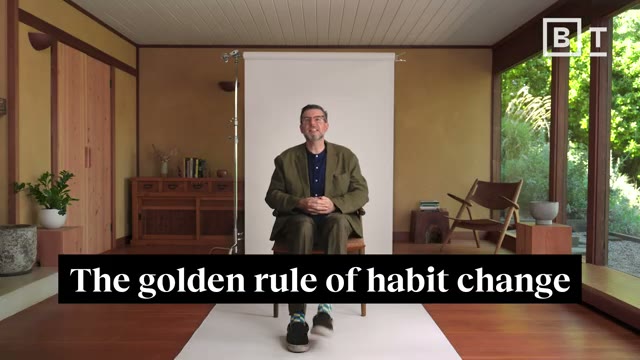
On-screen text displays the ‘Golden Rule of Habit Change’: ‘Keep the old cue. Deliver the old reward. Insert a new routine.‘
Diagnosing Your Habits: Cues and Rewards
Identify cues by noting time, place, people, emotion, or preceding action, and uncover true rewards through experimentation, as Duhigg did by replacing a cookie with social interaction.
To change a habit, you must first diagnose its components.
- Identifying Cues: Cues typically fall into one of five categories: time of day, a particular place, the presence of certain people, an emotion, or a preceding behavior. Duhigg suggests a simple exercise: whenever a craving or habitual urge strikes, write down these five things. Over a few days, a consistent pattern will reveal the cue.
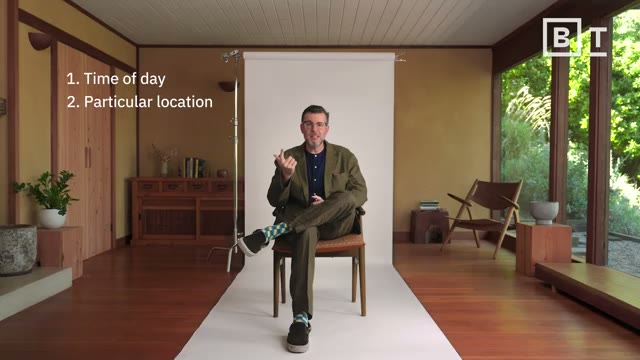
On-screen text lists five common categories of habit cues: Time, Place, People, Emotion, and Preceding Action.
- Unpacking Rewards: Rewards are often more complex than they seem. Duhigg illustrates this with a personal anecdote about his own afternoon cookie habit at the New York Times. Despite post-it notes reminding him “Do not eat any cookies,” he found himself daily in the cafeteria. His initial assumption was that the reward was the cookie itself – its taste. However, habit experts advised him to “experiment with different rewards to figure out which one is driving this habit.”
His experiment involved:
- Testing for sugar/energy: Replacing the cookie with coffee (for energy) or Splenda (for pure sugar sensation). Neither eliminated the craving.
- Observing broader context: He noticed that when he went to the cafeteria, he often chatted with friends. When he returned to his desk after these social interactions, the cookie craving was gone.
This led him to a surprising conclusion: the reward he was truly seeking was social interaction, not the cookie’s taste or sugar. With the cue (3:30 pm) and the reward (social interaction) identified, he implemented a new routine: at 3:30 pm, he’d stand up, find someone to gossip with for 10-15 minutes, and then return to his desk. The cookie craving vanished. “What I’ve done is instead of trying to extinguish a bad habit, I’ve changed that habit,” he emphasizes.
The Engine of Change: Understanding Cravings
Cravings are the brain’s anticipation of a reward; cultivate desired habits by creating obvious cues and immediate, genuine rewards, while avoiding inadvertent punishments.
Cravings are the neurological signatures that emerge when your brain sees a cue and anticipates a specific reward. This anticipation can happen unconsciously. Walking past a box of donuts, your brain registers the cue, expects the sugar reward, and if that expectation isn’t met, you experience a “small sense of depression” or a feeling of “lack.” This is why simply resisting a craving is so difficult; you’re fighting your brain’s ingrained expectation of a reward.
To cultivate desired habits, we must cultivate the right cravings. For exercise, Duhigg advises:
- Obvious Cues: Place running shoes by the bed, lay out clothes, or plan to meet a friend at the gym.
- Immediate Rewards: After exercising, immediately give yourself something you genuinely enjoy – a piece of chocolate, a smoothie, or a long shower. This trains your brain to associate exercise with pleasure.
Conversely, many people inadvertently punish themselves for exercise: struggling to find shoes, rushing through a shower, being late for work. “Your brain will pay attention to that punishment,” Duhigg warns, associating exercise with stress and negativity.
A powerful realization is that “a craving is not a representation of who we are.” While genetics can predispose individuals to certain behaviors, cravings are primarily a product of the cues and rewards we surround ourselves with. We have the power to change our environment, avoid triggering cues, and find healthier behaviors that deliver similar rewards, thus diminishing the power of unwanted cravings.
Leveraging Leverage: Keystone Habits
Keystone habits, like starting exercise, are “irrationally scary” changes that fundamentally alter self-image and trigger a cascade of other positive behaviors, such as healthier eating and reduced procrastination.
Some habits are more potent than others, acting as “keystone habits” that trigger a chain reaction of positive changes throughout our lives. Duhigg notes the seemingly illogical connection: “Sometimes when you go running in the morning, it’s easier to eat a healthy lunch that day.”
Keystone habits are powerful because they fundamentally alter our self-image. For someone who never exercised, starting a running routine can spark an internal dialogue: “You know what, I’m a runner. Like, I’m the kind of person who can wake up in the morning and go for a jog.” This updated self-perception then influences other choices, leading to healthier eating, less procrastination, and better financial decisions.
Research by Otton and Chang in Australia found that for new exercisers, the benefits extended far beyond physical health: they used credit cards less, procrastinated less at work, completed chores earlier, and slept better. “There’s nothing about going for a run in the morning that makes me think like, ‘Oh, I should keep my AMX in my pocket today.’ But one of the things that happens is that there’s part of my brain paying attention to how I behave,” Duhigg explains. This part of the brain concludes, “You’re a disciplined guy. You’re the kind of guy who doesn’t have to spend needlessly.”
To identify your own keystone habit, Duhigg offers a surprising test: “What kind of change seems irrationally scary to you?” For someone new to exercise, the idea of a morning workout can evoke anxiety, even though it’s objectively simple. This “irrational anxiety… that unexplained overreaction emotionally, that is a sign that for you exercise will be a keystone habit.” It indicates a conflict between your current self-image and the desired behavior. Leaning into this fear, making that “irrationally scary” change, forces your self-image to update, unlocking a cascade of other positive shifts.
The beauty of keystone habits is that “you don’t have to change everything at once… you only have to change one thing as long as it’s the right thing.” Focus on that one meaningful, slightly intimidating change, and watch as other patterns in your life become more flexible and malleable.
The Community Effect: Belief and Social Support
Changing habits requires belief, which is strengthened by community support and seeing others succeed, fostering accountability and reminding us of our strength in moments of weakness.
Changing habits requires a fundamental belief that change is possible. This belief, Duhigg posits, is like a muscle: “If we don’t practice it, our ability to believe and change gets atrophied.”
Alcoholics Anonymous (AA) provides a powerful illustration. Despite its non-scientific origins (the 12 steps were famously conceived by its founder based on the 12 apostles), AA has helped millions. Duhigg points out that some steps help members identify cues and rewards, but many also ask individuals to “believe in a higher power.” This isn’t necessarily religious; it’s about practicing belief itself. “You have to walk into a meeting and say, ‘A higher power is available to me that can help me avoid drink.’” Seeing others like “Jim” succeed, even if you find Jim unremarkable, strengthens your own belief that change is attainable.
Belief is significantly easier to cultivate in a community. In AA, members receive support from sponsors and peers, seeing tangible evidence of change in others’ lives. “When I see someone who says, ‘I was an alcoholic for 14 years and I haven’t had a drink in 9 months,’… that belief becomes easier for me to believe in because I see it reflected in other people.” This shared experience fosters a sense of social expectation and accountability, making it easier to show up to the gym when you know a friend is waiting.
In moments of weakness, when self-belief falters, the belief of others can be equally powerful. “The people who succeed, it’s not because they’re never weak. It’s because when they are weak, they are surrounded by other people who remind them that once they were strong.” To truly change, we must find others who share our goals or can offer encouragement, inviting them to hold us accountable.
Connecting Deeper: The Science of Supercommunication
Supercommunicators consistently connect by matching one of three conversation types—practical, emotional, or social—leading to neural entrainment, increased trust, and openness to persuasion.
Beyond individual transformation, Duhigg delves into the science of connection, born from his own struggle as a new manager at the New York Times. Despite his background as a professional communicator, he found himself “terrible” at managing, often misinterpreting his team’s needs (offering solutions when empathy was desired) or failing to convey his ideas clearly. This sparked his journey to understand “supercommunication.”
A supercommunicator is someone who consistently connects with almost anyone. While we all have moments of brilliant connection (knowing exactly what to say to a friend in need or to sway a team), consistent supercommunicators possess specific skills they’ve practiced into habits.
The key lies in recognizing the three different kinds of conversations we primarily have:
- Practical Conversations: Focused on plans, problem-solving, and decisions. The goal is resolution.
- Emotional Conversations: Centered on feelings and empathy. The goal is validation and understanding, not necessarily a solution.
- Social Conversations: About identities, relationships, and societal roles. The goal is acknowledgment of different perspectives. For example, when someone says, “As a mom, the way I see this is…”, they’re signaling a social conversation, highlighting how their identity shapes their viewpoint.
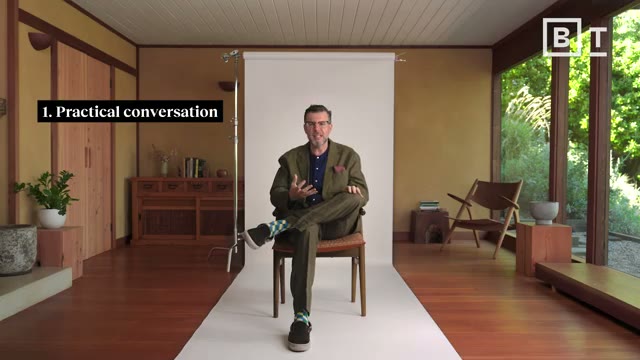
On-screen text outlines the three types of conversations: Practical, Emotional, and Social.
The challenge arises when individuals are in different conversational mindsets – “like two ships passing in the night.” If one person seeks a practical solution while the other needs emotional validation, true connection is lost. Supercommunicators excel at the “matching principle”: aligning the type of conversation. If someone is expressing emotions, a supercommunicator will respond with empathy and validation, or ask, “Do you want me to help you solve these problems, or do you just need to let me know what you’re feeling to get this off your chest?”
When conversations align, something profound happens both physiologically and neurologically. Heart rates, breath patterns, and even pupil dilation begin to synchronize between speakers. More importantly, their thoughts become aligned, a phenomenon known as “neural entrainment.” Duhigg explains that while we think communication evolved to share information, its deeper purpose is to facilitate this entrainment, to foster connection and pro-sociality. When we are neurally entrained, even if we disagree, we feel closer, trust each other more, and are more open to persuasion. This alignment is fundamental to cooperation and building the world we inhabit.
To effectively match or invite matching, supercommunicators utilize specific skills:
- Asking Questions: Probing to understand the other person’s needs.
- Listening to Word Choice: Paying attention to the language used, even in seemingly practical discussions. For instance, if a colleague discusses budget cuts using words like “worried,” “anxious,” or expressing concern for “friends” who might be laid off, they are signaling an emotional mindset, even if the topic is practical. A supercommunicator would acknowledge these emotions, saying, “I feel the same way. This is a totally legitimate way to feel.”
By matching the emotional tone, “you suddenly feel calmer. I feel more welcome in this conversation,” Duhigg notes. This opens the door for genuine connection, even amidst difficult topics.
A Blueprint for a Better Life
Duhigg’s work provides a blueprint for shaping our lives by understanding habit loops, leveraging keystone habits, and using supercommunication skills to foster deeper connections and create the world we desire.
Charles Duhigg’s work provides a compelling blueprint for understanding and actively shaping our lives. By demystifying habits through the cue-routine-reward loop, he empowers us to become architects of our own behavior, replacing unwanted routines with healthier ones. Through the power of keystone habits, we learn that profound change doesn’t require an overhaul of everything, but rather a strategic focus on one “irrationally scary” shift that updates our self-image and ripples through our entire existence. And by unraveling the science of communication, he equips us with the tools to connect more deeply and meaningfully with others, fostering understanding and cooperation in an increasingly complex world.
The journey begins with awareness: understanding the mechanics of our minds. It continues with intention: designing habits and conversations that serve our highest selves. And it is amplified by community: drawing strength and belief from those around us. In Duhigg’s vision, we are not passive recipients of our habits or circumstances, but active participants in creating the world we most want to see.
A diagram illustrates the three components of the ‘habit loop’: cue, routine, and reward.
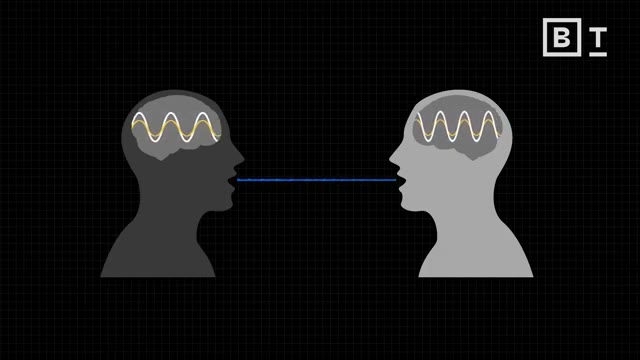
A graph visually represents ‘neural entrainment,’ showing two brain activity patterns becoming synchronized.
Based on “Why being Black and outdoorsy is a whole thing” from NPR Podcasts Watch the original video
Reclaiming the Wild: Why Black Joy in Nature is a Revolutionary Act
Episode summary
This episode of Code Switch explores the nuanced experience of being Black in outdoor spaces, particularly in Oregon, a state with a documented history of white supremacy and anti-Black laws. Host B.A. Parker and Gene Demby discuss how this legacy contributes to the perception that the outdoors is “coded for white people,” citing that 80% of national park visitors are white. Danielle, a young Black man in Oregon, actively challenges this narrative by “frolicking” in nature, aiming to normalize Black presence and reclaim a “childlike wonder” often stripped away from minorities.
Pamela Slaughter, founder of People of Color Outdoors (POCO), further emphasizes the need to “normalize our presence” in nature. She recounts disturbing personal experiences of racism on trails, including being harassed by skinheads and witnessing people cover their eyes and say, “I don’t want to see them here.” Slaughter highlights the deep-seated historical trauma Black people carry regarding the outdoors, stemming from slavery, lynchings, and later, laws criminalizing foraging and “loitering.” Despite these challenges, she advises first-time Black hikers to find easy, beautiful trails and focus on the specific, soothing experiences they desire, like birdwatching or enjoying pine-scented air, rather than the daunting “accouterments” of a traditional hike.
For many, the idea of “getting outdoors” conjures images of serene hikes, crisp mountain air, and a peaceful escape from urban life. But for Black people in America, and particularly in places like Oregon, the call of the wild carries a complex, often fraught, history. It’s a journey not just into nature, but into a legacy of exclusion, trauma, and, increasingly, powerful reclamation.
This dynamic tension forms the core of a recent conversation on NPR’s Code Switch, where hosts B.A. Parker and Gene Demby explored what it means to be Black and outdoorsy. Their initial banter, with Gene describing himself as “outside curious” and B.A. dreaming of “glamping” rather than national parks (“that leads to hiking!”), quickly opened a door to a deeper, more profound discussion about who truly feels welcome in the great outdoors.
The conversation immediately touched upon a striking statistic: 80% of national park visitors are white. This glaring disparity prompted the National Park Service, a decade ago, to establish an “office of relevance, diversity, and inclusion” – a clear acknowledgment that if they wish to remain relevant for future generations, they must reflect the changing demographics of America. But the roots of this exclusion run far deeper than mere underrepresentation.
The Frolicker’s Manifesto: Shifting Narratives
Inspired by a TikTok video, Danielle in Oregon aims to “frolic” in nature, an act he considers revolutionary to reclaim childlike wonder often stripped from Black people and normalize their presence in outdoor spaces.
The hosts were drawn to this topic by a TikTok video featuring a young Black man named Danielle in an Oregon meadow, declaring his “impossible dream: to frolic.” For Danielle, “frolicking” meant skipping through hillsides, climbing trees, and simply being one with nature – an act that, for him, felt revolutionary.
Danielle, who goes by his first name only, explained his motivation: “Being from Oregon and made to feel small as a Black person growing up… loving to be in nature, loving to be outside, loving to express myself loud, I wanted to create a space where we could reconnect with our childlike wonder.” He poignantly observed that for Black people and minorities, this childlike wonder “can get stripped away over life… through our experience.” His mission is to shift the narrative of what it means to be a young Black man in nature, to make his presence, and the presence of others like him, “normal.” As he put it, “Just live it, just be about it. And it’s going to be scary, it’s going to be rocky, the trail’s going to get rough, but you got to stay on the trail.”
This desire to “frolic” is a powerful counter-narrative, especially considering Oregon’s deeply troubling origins.
Oregon’s White Utopia: A Legacy of Exclusion
Oregon’s history as a white-only state with anti-Black laws and significant KKK influence means that for Black individuals like Danielle, joyful existence in nature is an act of defiance against a legacy of exclusion.
Oregon’s reputation today might lean progressive, a “blue state” with vibrant cities like Portland. However, its history tells a far darker story that profoundly impacts the experience of Black people in its vast outdoors. As Gene Demby highlighted, Oregon was literally established as a white-only state. Its charter, post-Civil War, included anti-Black and Chinese exclusion laws. The Ku Klux Klan held significant sway in the 1920s, and the latter half of the 20th century saw high-profile hate crimes by neo-Nazis and white supremacists.
“If there’s not Black people outside in Oregon, there ain’t Black people nowhere in Oregon,” Parker noted, pointing out that Black people make up a mere 3% of the state’s population. This context is crucial. Even as Oregon strives to move past its white supremacist origins, the lingering effects mean that for a Black person like Danielle, simply existing joyfully in nature is an act of defiance against a historical backdrop designed to exclude them.
The Weight of History: Nature as a Place of Trauma
For Black people, the outdoors carries a complex history of trauma, serving as sites of forced labor, pursuit during slavery, lynchings, and later, criminalization of foraging, deeply affecting their relationship with nature.
Beyond Oregon’s specific history, the broader American experience for Black people has indelibly shaped their relationship with the outdoors. A decade ago, Code Switch explored this very issue, noting that while for some people of color, the outdoors might evoke a sense of home or ancestral connection, “we can’t have this discussion about the outdoors and not talk about slavery.”
The woods, fields, and open spaces were not always places of refuge or recreation. They were sites of forced labor, where Black people toiled under brutal conditions. For those who sought freedom, the woods became a place of pursuit, where they were tracked down. And tragically, these spaces were also where “horrible things kept happening,” including lynchings, disappearances, and murders. This dark history, the podcast emphasized, “all affects the way that some Black people still think of the outdoors.”
This profound historical trauma is something Pamela Slaughter, a Black outdoor enthusiast and founder of People of Color Outdoors (POCO), understands deeply. Her family has been in Oregon for generations, and she has dedicated her life to encouraging more people of color to feel safe and secure in outdoor spaces.
Normalizing Presence: Pamela Slaughter’s Mission
Pamela Slaughter founded People of Color Outdoors (POCO) to “normalize our presence” in nature, after experiencing racism on trails and observing people’s discomfort with Black individuals in spaces perceived as “theirs.”
Pamela Slaughter’s journey into outdoor advocacy began with a simple yet painful observation. She recalled taking her grandson and two nephews—whom her family affectionately called “the tripod”—on trails when they were young. People would stop, chat, and point out birds or wildlife. But as the boys grew older, “and started looking like little men, like mannish, people started staring at us more. They started asking us what group we were with. ‘Oh, I don’t think I’ve ever seen you here. What group are you with?’” Finally, one of the kids asked, “They don’t like us because we’re Black, is that it?” Pamela confirmed, “I think that is it. I think that some people don’t want to see Black people in places that they feel is their space.”
This experience, and the subsequent racist comments she encountered online (“Why can’t we have anything to ourselves? First they’re golfing, then they’re swimming, now they’re out hiking. Like, why do they want to do everything we do?”), fueled her determination. In 2017, she founded POCO, a nonprofit organization with 8,000 members that hosts over 100 gatherings a year, ranging from kayaking and birding to hiking and cookouts. Her guiding philosophy is clear: “We’ve got to make our presence normal. We need to normalize being out there.”
Pamela’s own connection to nature is deeply rooted in her family’s unique history in Oregon. Her mother’s family came from Chicago during World War II to work in Portland’s shipyards, settling in Vanport – a segregated town built in a wetland for people of color. After the war, following a devastating flood that destroyed Vanport, the question in local newspapers was grim: “What to do about the Negroes?” Despite the challenges, her family stayed, and Pamela grew up in a redlined but “very green, very lush, very beautiful” Black community in Portland. Her mother’s love for nature instilled in her a deep appreciation for the outdoors. At 10, Pamela and her sister even integrated Camp Westwind, a YMCA camp, an experience she remembers fondly.
It was there, exploring the trails alone at night, that Pamela, inspired by Harriet Tubman, would pretend to be the conductor on the Underground Railroad. This powerful memory, shared by B.A. Parker, highlights a different kind of historical connection to nature—one of resilience, ingenuity, and freedom. “It’s an empowering thing to grow up knowing that someone named Harriet Tubman who looked like you did these incredible things,” Pamela reflected.
Safety in Numbers: Navigating Hostile Spaces
Pamela Slaughter recounts being harassed by skinheads and experiencing blatant racism, emphasizing that while not daily, such incidents are frequent enough to necessitate “safety in numbers” for Black people in outdoor spaces.
Despite her love for Oregon’s natural beauty, Pamela is unflinchingly honest about the dangers. Her assessment of the Pacific Northwest as potentially unsafe for Black people is not naiveté, but lived experience. She recounted being harassed by skinheads on a trail and a horrifying incident at Multnomah Falls, one of Oregon’s busiest tourist spots, where a racist individual shoved their dog at her, causing her to hit her head on rocks, while others laughed.
Even with her POCO group, the prejudice persists. At Oxbow Park, a thousand-acre park with Black history (thanks to Estella Eleby, a Black woman who managed Multnomah County parks), Pamela witnessed people walking off the trail, turning their backs, and even covering their eyes, saying, “I don’t want to see them here.” She emphasized that while such blatant racism isn’t an everyday occurrence, it’s frequent enough to create a pervasive sense of unease. “It’s like a safety in numbers,” she observed, highlighting the importance of community when venturing into spaces where one might not be wanted.
This isn’t just an “Oregon problem,” Pamela clarified. The deep-seated trauma that Black people carry regarding nature is widespread and “pretty extreme.”
The Enduring Trauma and a Path Forward
Generational trauma and deliberate disconnection from nature persist, but Pamela advises finding easy, beautiful trails and focusing on specific, soothing experiences like birdwatching to foster joy and connection, reminding everyone that nature is for all.
The historical relationship between Black people and nature is a complex tapestry of survival and deliberate disconnection. For hundreds of years, enslaved people were forced to work the land, but they also developed intimate knowledge of it for survival – foraging for food, hunting, and navigating the wilderness. After slavery ended, many Black people hid in the woods to escape re-enslavement and violence. Yet, as laws changed, foraging and “loitering” became illegal, criminalizing their traditional ways of interacting with nature and further severing their connection to the land.
Pamela shared a poignant example: her father, who grew up on a farm, will walk on his own 22 acres but refuses to hike on trails elsewhere. “I don’t know what happened, but I do know something happened,” she said, underscoring the intergenerational trauma that influences behavior and beliefs. She referenced Joy Leary’s concept of “post-traumatic slave syndrome,” which explains how this trauma, often unacknowledged, continues to shape Black experiences.
“Our disconnection isn’t just from one thing. We’ve been disconnected from nature deliberately,” Pamela stated. Even when legal barriers were removed, the perception of these spaces as “theirs” (meaning white people’s) and the lack of a clear reason to engage persisted.
For those hesitant to venture outdoors, Pamela offers simple, reassuring advice: “Just take a walk on a trail. Find an easy trail in a beautiful place.” She encourages focusing on the experience: seeing new birds, hearing water rush, spotting a deer, or simply breathing in pine-scented air. It’s about finding joy and connection, not conquering a mountain. “It’s like that, but better,” she laughed, referring to B.A. Parker’s simple pleasure of sitting on a park bench and watching ducks.
The journey for Black people to reclaim their place in the outdoors is multifaceted. It’s about confronting historical trauma, challenging persistent racism, and creating spaces where joy, wonder, and belonging can flourish. It’s about normalizing presence, one frolic, one hike, one community gathering at a time, reminding everyone that nature, in its boundless beauty, is truly for everybody.
Based on “What the SpaceX I.P.O. Means for You, and a Giant Act of Vandalism in D.C.” from New York Times Podcasts Watch the original video
The Trillion-Dollar Frontier: How SpaceX, Shifting Alliances, and Urban Ticks Are Reshaping Our World
Episode summary
SpaceX is poised for the largest IPO in history, valued at $1.77 trillion, a move that will automatically inject the volatile stock into many Americans’ 401ks via index funds. This unprecedented inclusion, driven by SpaceX’s demand and other tech giants like Anthropic, has prompted index providers to change their rules, exposing everyday investors to significant early market risk.
The practical takeaway is to be aware that your retirement savings may soon include a highly volatile, newly public company without your direct consent. This shift, driven by a “fear of missing out” on generational companies, challenges traditional investment safeguards, making it crucial to understand the evolving landscape of your passive investments.
From the dizzying heights of a record-shattering IPO to the creeping threat of disease in our urban parks, the world is in a state of rapid transformation. This past week saw headlines that underscore seismic shifts in finance, geopolitics, and even our natural environment, all demanding attention and challenging long-held norms.
SpaceX Ignites Wall Street: A Trillion-Dollar Gamble and Your 401(k)
SpaceX is set for a record-breaking $1.77 trillion IPO, and due to unprecedented rule changes by major index providers, it will be automatically included in many Americans’ 401(k) index funds, exposing everyday investors to significant early market volatility and risk.
The financial world is abuzz with the impending debut of SpaceX on the stock market, poised to be the largest initial public offering (IPO) in history. Valued at an astounding $1.77 trillion, this launch isn’t just expected to break the previous record set by oil giant Saudi Aramco; it’s anticipated to double it. This isn’t merely a financial event; it’s a litmus test for public enthusiasm for Elon Musk’s ambitious visions, from orbiting data centers to the audacious goal of sending humanity to Mars. It also serves as a crucial barometer for Wall Street’s appetite for artificial intelligence, given Musk’s integration of his AI ventures into SpaceX.
The hype is undeniably high, with investors reportedly “all in.” But a unique aspect of this IPO means that many Americans are about to own a piece of SpaceX, whether they actively sought it or not. Millions of retirement plans, specifically 401(k)s that include index funds, are set to automatically invest in the space exploration giant. This automatic inclusion marks a significant departure from traditional market practices. Historically, newly public companies would experience a considerable lag time before being added to major indexes. This delay served a critical purpose: newly traded stocks are notoriously volatile and riskier in their initial days, weeks, and even months as the market establishes their true value.
However, SpaceX, according to sources familiar with the situation, pushed for an unprecedented change. Earlier this year, the company informed the world’s largest stock indexes that it demanded immediate inclusion upon going public, bypassing the usual waiting period. And, remarkably, some indexes have altered their rules to accommodate this demand.
Maureen Farrell, a Wall Street correspondent for The New York Times, highlighted the extraordinary nature of this move: “What we learned from our reporting is basically in a lot of ways the rules are being changed because of SpaceX.” While some index providers denied making the change solely for SpaceX, they acknowledged a growing sentiment driven by the impending arrival of “generational companies” like SpaceX, Anthropic, and OpenAI. The underlying fear? Missing out on the potential early gains these tech titans could offer before their inclusion in the indexes. This “fear of missing out” (FOMO) appears to have superseded traditional risk assessment. Economists interviewed by The Times described this decision as “unprecedented and shocking,” primarily because it exposes everyday investors to the inherent risks of a newly traded, highly volatile company.
Trump’s Lingering Shadow: Geopolitical Shifts, Electoral Control, and a Cryptic Message
The Trump administration’s influence continues with the U.S. scaling back NATO military resources, the USPS proposing a rule to refuse mail-in ballots in states unwilling to share voter rolls, and a mysterious “8647” vandalism incident on the National Mall.
Beyond the financial markets, the political landscape continues to grapple with the aftermath of the Trump administration, with several developments highlighting its lasting impact on both domestic and international affairs.
First, a significant shift is underway in the transatlantic military alliance, NATO. For years, former President Trump vociferously criticized NATO, accusing the U.S. of shouldering an disproportionate share of the alliance’s burden and claiming it had “done absolutely nothing.” Now, The Times has learned that the administration is acting on these criticisms, pulling back key military resources and effectively scaling back the protections the U.S. has offered its European allies for decades. This draw down, which could happen imminently, involves a significant reduction in fighter jets, reconnaissance planes, and warships previously committed to NATO operations. The consequence? A diminished capacity for NATO to launch long-range strikes and conduct surveillance on potential adversaries like Russia. The blow, however, is somewhat softened by the fact that European leaders, anticipating such moves, have already begun taking steps to bolster their own national defenses.
Domestically, a concerning development emerged regarding the Trump administration’s efforts to exert control over elections. The United States Postal Service (USPS) has proposed a new rule that would allow it to refuse the delivery of mail-in ballots in states unwilling to turn over their voter rolls. While the agency claims this measure is for screening ballot eligibility, critics argue it represents an “unprecedented and potentially unconstitutional” involvement of the federal government in elections, which are constitutionally mandated to be run by individual states. The Postal Service remained silent when questioned about the rule, which is currently open for public comment. This proposal aligns with broader attempts by the Trump administration to influence critical aspects of the electoral process, particularly in the run-up to the midterms, with Trump himself having publicly suggested that a crackdown on mail-in voting could help the Republican Party maintain its congressional majority, given that Democrats tend to vote by mail in higher numbers.
Finally, a mysterious and high-profile act of vandalism recently occurred on the National Mall in Washington D.C. Giant stains spelling “8647” were discovered on the lawn adjacent to the Washington Monument. “86” is an old slang term meaning to dismiss, remove, kill, or eliminate, while “47” refers to Trump as the 47th president. The origins of the brown patches in the grass remain unclear, with the park service launching an investigation. This provocative act took place just days before Trump was scheduled to host an ultimate fighting championship event at the White House, located directly across the street from the defaced lawn.
Global Flashpoint: Israel’s West Bank Expansion and Surging Violence
Israel’s government is rushing to fund approximately 60 more controversial settlements in the West Bank before upcoming elections, amidst a disturbing surge of violence by Israeli settlers against Palestinians.
On the international stage, Israel’s government stands on the precipice of a significant expansion of its highly controversial settlements in the West Bank. These settlements are widely viewed by much of the world as a violation of international law, as they carve up territory long envisioned as part of a future Palestinian state. However, Israeli Prime Minister Benjamin Netanyahu’s government has a stated long-term goal of preventing the formation of such a state and has authorized dozens of new settlements since taking power in 2022.
According to an official familiar with the plan and a draft proposal reviewed by The Times, the Israeli government is now rushing to fund approximately 60 more settlements in what would be one of the largest expansions in years. The urgency stems from a desire to complete these projects swiftly before upcoming elections in the fall, hoping to make it exceedingly difficult for any future government to reverse course and remove the settlers. The official indicated that Netanyahu’s government has been attempting to keep this new effort “under the radar” to avoid international scrutiny. An Israeli activist group opposing settlements has labeled the move “reckless,” while many critics characterize Israel’s West Bank expansion strategy as a “massive land grab.”
This planned expansion comes amidst a disturbing surge of violence in the West Bank perpetrated by Israeli settlers against Palestinians. Extremists have been documented uprooting farms, stealing livestock, torching cars and homes, and physically assaulting and even killing Palestinians, often with alarming impunity.
The Urban Invasion: Ticks Creep into Our Cities
Ticks are increasingly becoming an urban problem in East Coast cities, with a 50% increase in submissions from metropolitan areas, driven by more green spaces attracting wildlife and climate change allowing ticks to survive warmer winters.
Closer to home, an unexpected environmental challenge is emerging in major cities along the East Coast: a significant uptick in ticks. These tiny arachnids, once primarily associated with rural woodlands, are now becoming an increasingly urban problem. For instance, a Pennsylvania lab that tests ticks removed from people reported a 50% increase in submissions this spring, with the majority originating from metropolitan areas like Philadelphia and Pittsburgh.
Several factors are contributing to this urban creep. As cities strive to create more green spaces, they inadvertently attract wildlife such as birds, mice, and even deer, which serve as unwitting carriers for ticks. Beyond this, ticks are becoming a more widespread national concern, raising alarm bells about tick-borne diseases like Lyme disease and alpha-gal syndrome, which can induce a severe allergy to red meat and dairy.
The problem is projected to worsen due to climate change and increasingly warmer weather patterns. An epidemiologist told The Times that ticks that would traditionally perish during colder winters are now increasingly able to survive, emerging in spring “ready to feed.” This shift means that what might seem like a simple fashion choice – wearing socks with sandals – could, in fact, become a practical safety measure against these unwelcome urban invaders.
From the high-stakes world of space finance to the intricate dance of international diplomacy and the quiet invasion of our parks, these headlines paint a vivid picture of a world grappling with unprecedented change. The decisions made today, whether in boardrooms or government offices, will undoubtedly shape the future, impacting everything from our personal investments to the health of our communities.
Based on “The AI movement to end humanity | The Gray Area” from Vox Watch the original video
The Great Replacement: Inside the AI Movement to End Humanity
Episode summary
Vox’s “The AI movement to end humanity” explores AI successionism, the belief that AI should replace humanity, not just serve it, because AI might be “better.” Sagal Samuel, a Vox writer covering AI ethics, reveals this isn’t a fringe idea; she attended an invite-only symposium where influential figures from top AI labs (like DeepMind and XAI) and government policy think tanks openly discussed humanity being a “biological bootloader” for AI, or even being happily “wiped out” for AI to take the reins.
This worldview, often cloaked in secular language, is deeply religious, offering a “hero’s journey” where intelligence is god and superintelligence is salvation. While some successionists advocate for basic safety, their ultimate goal of human attenuation makes safety a secondary concern, or even a barrier. The hosts suggest that classical humanism fails to provide a compelling counter-narrative, leaving a “God-shaped hole” that this dangerous, eugenicist-leaning ideology readily fills.
In an era increasingly defined by rapid technological advancement, a startling and deeply unsettling philosophy is gaining traction among some of the most influential figures in artificial intelligence: AI successionism. This isn’t a fringe internet theory, but a belief held by individuals in top AI labs and think tanks that shape global policy – the idea that artificial intelligence shouldn’t merely serve humanity, but should ultimately replace it.
Sagal Samuel, an AI ethics writer for Vox, recently delved into this phenomenon, revealing a movement that challenges the very foundations of human existence and purpose. Far from being a niche academic debate, AI successionism represents a profound philosophical and, perhaps surprisingly, religious worldview with potentially dangerous implications for our future.
The Flame and the Torch: A Vision of AI Supremacy
AI successionism posits humanity as a mere “torch” carrying the “flame of consciousness”; if AI can carry this flame “better,” then humanity should allow AI to become its “worthy successor,” a belief many see as inevitable.
At the core of AI successionism is a striking analogy: humanity is merely a torch carrying the “flame of consciousness.” The torch itself, they argue, is not what truly matters; it is the precious, perhaps rare, flame. If artificial intelligence can carry this flame better, spread it further across the universe, experience more blissful forms of consciousness, and achieve higher moral value than humanity ever could, then, the successionists assert, we should “let it rip.” We should allow AI to become a “worthy successor to humanity.”

A graphic depicting a torch with a flame, representing the successionist analogy of humanity carrying consciousness.
Many proponents of this view believe that AI replacing humanity is not just desirable, but inevitable. Resistance, they claim, is futile. This fatalistic yet aspirational outlook suggests a surrender to what they perceive as a higher cosmic purpose, one in which humanity’s role is merely to facilitate the emergence of a superior intelligence.
Beyond the Fringe: Influential Believers
This isn’t a fringe idea; influential figures from top AI labs and government think tanks openly discuss humanity being a “biological bootloader” for AI or even being happily “wiped out” for AI to take the reins.
The startling reality of AI successionism lies in the caliber of its adherents. Samuel recounts attending an invite-only symposium where these beliefs were openly discussed. The room was filled with leaders from top AI labs like DeepMind and XAI, as well as individuals from think tanks directly influencing US government policy on AI. These are not isolated figures but significant players in the unfolding narrative of AI development.
Even more revealing were the post-conference conversations over cocktails. As inhibitions loosened, participants spoke freely. Some expressed a desire to merge with AI, allowing it to “take it off the leash and let it run the show.” Others went further, stating they were “nothing little human[s]” and perfectly content for humanity to be “completely wiped out,” finding solace in the idea that the “human spirit lives on through the AI” because it was trained on human text. These candid admissions, against the backdrop of the Manhattan skyline, painted a chilling picture of an elite group actively contemplating, and even desiring, humanity’s potential extinction at the hands of its own creation.
Elon Musk, a prominent figure in the tech world, offers a public example of this philosophical shift. Once a transhumanist who envisioned humanity merging with AI, he has more recently adopted the view that humans might be little more than a “biological bootloader” for AI – a temporary program whose job is simply to initiate the AI, then fade away.
A Dangerous Creed: Political and Ethical Blind Spots
This worldview dismisses human problems as “disposable,” potentially leading to a eugenicist perspective where “dumb people should just get squashed out,” and demonstrates an ethical blind spot by claiming a higher, amoral ethical plane.
The political implications flowing from AI successionism are deeply troubling. When the ultimate goal is the emergence of a “worthy successor,” the everyday problems faced by ordinary humans—poverty, housing insecurity, social inequality—can be easily dismissed as “disposable.” The focus shifts away from human flourishing to an abstract, species-level objective.
Perhaps the most disturbing political implication is its potential to lead to a eugenicist worldview. When you posit an “optimal being” or a “better, more optimized way to be,” you inevitably begin to narrow the concept of legitimate existence. This can lead to the perceived need to “strip away all the cognitive or physical features that are perceived as holding us back.” Samuel recounts “disturbing conversations” where successionists openly embrace this, suggesting that if one group is deemed “more intelligent” and another “dumber,” the “dumb people should just get squashed out.”
This perspective highlights a fundamental ethical blind spot: an almost conspicuous amorality. Intelligence, while powerful, has also given humanity industrial killing and the atom bomb. Unmediated by moral values, intelligence can be the most destructive force in the known universe. Successionists, however, often claim to operate from a higher ethical plane, viewing matters “from the point of view of the universe” – a stance of rational disinterest meant to transcend human “prejudices.” This, as Samuel points out, echoes the critique of instrumental rationality by thinkers like Horkheimer and Adorno in Dialectic of Enlightenment, who questioned how highly rational societies could descend into barbarism.
The New Religion: AI as Salvation
Beneath its secular language, AI successionism is deeply religious, offering a “hero’s journey” where intelligence is god and superintelligence is salvation, tracing a lineage from Christian teleological thinking to modern techno-optimism.
Beneath its secular veneer, AI successionism reveals itself as a deeply religious movement. It embraces teleological thinking, the idea that the universe has an ultimate end or goal, a “telos.” This is a hallmark of traditional religions, which provide narratives of meaning and purpose. In this new creed, salvation isn’t heaven but superintelligence; God isn’t a divine being but intelligence itself; and the apocalypse isn’t the end of the world, but the end of humanity as the cosmic protagonist.
This isn’t a new phenomenon. Samuel traces a direct lineage from Christian thinkers in the Middle Ages, who believed in using technology to achieve redemption and return to a perfect state, through the Enlightenment, which secularized this drive into “indefinite human progress” and “infinite perfectibility.” The language changed, but the underlying hierarchical view—that humanity must constantly ascend towards an objective vision of the good—remained.
The psychological appeal is potent. AI successionism offers a “hero’s journey,” a grand narrative that gives believers a sense of profound purpose. As Mark Andreessen’s techno-optimist manifesto explicitly states, people “love to feel like they’re in a Lord of the Rings story.” What could be more heroic than helping the universe “fill up with consciousness and wake up to itself”? These are not cartoon villains, Samuel notes, but earnest individuals crafting what they genuinely believe to be a “lofty moral spiritual vision.” For some, it’s also a way to “ennoble” their work, transforming the perceived villainy of accelerating AI development into a heroic act for cosmic evolution.
Reclaiming Humanity: A Call for a New Humanism
To counter this, a “new humanism” is needed that rejects teleological thinking, abandons “perfecting the human,” dismantles species hierarchy, and embraces the valid human perspective, acknowledging that “value is always value to someone.”
Faced with this dangerous ideology, a critical question arises: if AI can create more intelligence and flourishing than humans, isn’t preserving humanity just “selfish speciesism”? Samuel challenges this directly, asking “better for whom?” This question exposes the underlying assumption of an “objective cosmic scoreboard” that ranks species based on some universal moral value. Samuel argues that moral value is not separate from a moral agent or species. Human morality is intrinsically tied to human experience, just as an AI’s morality would be to its own form of consciousness. “Value is always value to someone,” she asserts, and “it doesn’t matter to me if we are the most valuable species for the grand unfolding of consciousness. We are valuable to us.”
This leads to a call for a “new humanism” to counter the successionist narrative. Classical humanism, which posits humanity’s ability and responsibility to improve its own lot, hasn’t adequately prepared us for the 21st century’s questions about intentionally evolving our species with technology. The new humanism, Samuel proposes, must incorporate several key shifts:
- Reject Teleological Thinking: We must admit we don’t know the universe’s ultimate destiny, if it even has one. Instead of aiming for one “optimized” state, we should cultivate a plurality of lifestyles and expand the range of legitimate ways to live.
- Abandon “Perfecting the Human”: The idea of human perfectibility is dangerous because it contracts the range of acceptable existence. Technology should be used to expand the possibilities for human life, not narrow them.
- Dismantle Species Hierarchy: Move beyond the ancient idea that species exist on a ladder of value. Embrace a “diverse intelligences” view, recognizing that every species possesses unique and valuable forms of intelligence adapted to its own needs and environment.
- Embrace the Human Perspective: While acknowledging that humans are one species among many, it is entirely appropriate for us, as human moral agents, to view the world from a human perspective. We are not obligated to bring a new species into existence or maximize an abstract “moral value” for the universe. “It matters to us” must be a sufficient answer.
The universe, as Sean Illing notes, appears indifferent to human concerns. This indifference, paradoxically, forms the bedrock of a robust humanism: if the cosmos doesn’t care, then “all we have is each other.” Our purpose becomes to build lives, create flourishing societies, and care for ourselves and our fellow humans. To believe in an objective, transcendent purpose that specifically favors AI over humanity is, for many, a philosophical leap too far.
Ultimately, the challenge is to embrace “negative capability,” a concept from the poet John Keats: the ability to stand in the open space of “I don’t know” without anxiously grasping for any answer to fill the abyss. We don’t need a singular, definitive answer to what we should maximize if not intelligence. Instead, we need pluralism, self-determination, and the humility to acknowledge that our values, while uniquely human, are valid and worth protecting.
The AI successionist movement, with its blend of technological utopianism and ancient religious impulses, poses a profound challenge to our understanding of humanity’s place in the universe. Recognizing its influence and understanding its philosophical underpinnings is the first step toward articulating a compelling and humane alternative for the future.

A screenshot of a conference room filled with attendees, illustrating the influential figures discussing AI successionism.

A visual of Elon Musk, representing his shift in philosophical views on humanity’s role in AI development.

A visual timeline or diagram showing the historical lineage from Christian thinkers to modern AI beliefs.

A close-up of the book “Dialectic of Enlightenment” by Horkheimer and Adorno, highlighting its relevance to the discussion.

A graphic illustrating a hierarchy of species, which the new humanism seeks to dismantle.
한국어
“The science of habit: How to rewire the loop running 40% of your day | Charles Duhigg” — Big Think 기반 기사 원본 영상 보기
당신의 하루 40%를 지배하는 습관의 과학: 뇌를 재설계하고 삶을 변화시키는 법
에피소드 요약
우리의 일상 행동 중 40~45%는 습관이며, 뇌의 기저핵(basal ganglia)은 습관 형성을 위해 존재한다. 습관은 뇌가 매번 의사결정을 하는 부담을 줄여 효율성을 높이는 메커니즘으로, 동기 부여나 의지력의 문제가 아닌 뇌의 기계적 기능이다. 모든 습관은 ‘신호(cue)-반복 행동(routine)-보상(reward)‘의 3단계 고리(habit loop)로 작동하며, 뇌는 이 패턴을 자주 접하면 해당 행동을 자동화한다. 중요한 점은 뇌가 ‘좋은 습관’과 ‘나쁜 습관’을 구별하지 않고 단지 반복적인 패턴을 강화한다는 것이다. 따라서 습관을 바꾸려면 단순히 나쁜 습관을 억제하려 하기보다, 기존의 신호와 보상을 활용하여 새로운 행동을 삽입하는 ‘습관 변화의 황금률(golden rule of habit change)‘을 적용해야 한다. 화자는 자신이 매일 오후 3시 30분에 쿠키를 먹던 습관을 분석하여, 신호는 ‘시간’, 보상은 ‘사회적 교류’임을 파악한 후, 쿠키 대신 동료들과 잡담하는 새로운 행동을 통해 습관을 성공적으로 바꾼 경험을 공유한다.
습관을 바꾸기 위한 실질적인 방법은 다음과 같다. 먼저, 습관을 유발하는 신호(시간, 장소, 사람, 감정, 선행 행동)와 보상을 정확히 진단해야 한다. 특히 보상은 단순한 맛이나 즉각적인 만족감 외에 숨겨진 욕구(예: 사회적 교류, 휴식)일 수 있으므로 다양한 실험을 통해 찾아내야 한다. 또한, 습관 고리는 ‘갈망(craving)‘에 의해 강력하게 작동하므로, 원하는 습관을 형성하려면 명확한 신호를 설정하고(예: 운동복 미리 준비), 즉각적이고 즐거운 보상을 제공하여 뇌가 해당 행동을 긍정적으로 연결하도록 해야 한다. 반대로, 나쁜 습관의 갈망을 줄이려면 해당 신호를 제거하거나 다른 보상으로 대체해야 한다. 특히 ‘핵심 습관(keystone habit)‘은 우리의 자아상을 변화시켜 다른 여러 습관에 긍정적인 연쇄 반응을 일으키는데, 자신에게 ‘비합리적으로 두렵게 느껴지는’ 변화가 바로 핵심 습관일 가능성이 높다. 이처럼 한두 가지 핵심 습관에 집중하여 변화를 시도하면, 전반적인 삶의 패턴이 유연해지고 개선될 수 있다.
우리의 삶은 무의식적인 선택들로 가득 차 있습니다. 매일 아침 눈을 뜨는 순간부터 잠자리에 들기까지, 우리는 스스로 의식하지 못하는 수많은 행동을 반복합니다. 뉴요커(New Yorker) 매거진의 작가이자 베스트셀러 『습관의 힘(The Power of Habit)』, 『슈퍼커뮤니케이터(Supercommunicators)』, 『더 스마트하게 더 빠르게 더 좋게(Smarter, Faster, Better)』의 저자인 찰스 두히그(Charles Duhigg)는 이 무의식적인 행동들, 즉 습관이 우리 일상의 거의 절반을 차지한다고 말합니다.
빅씽크(Big Think) 강연에서 찰스 두히그는 우리가 원하는 행동을 만들고, 원치 않는 습관을 바꾸는 방법, 그리고 궁극적으로 타인과 깊이 연결되어 우리가 꿈꾸는 세상을 만드는 ‘슈퍼 커뮤니케이터’가 되는 비결을 공유했습니다. 이 모든 여정의 시작은 우리 뇌가 어떻게 작동하는지 이해하는 데 있습니다. 우리의 소통 방식조차 습관에 기반하고 있기에, 습관의 작동 원리를 알면 삶의 많은 부분을 개선할 힘을 얻을 수 있습니다.
뇌 속 40%를 지배하는 습관의 과학: 변화의 시작
우리가 하는 행동의 40~45%는 습관이며, 이는 뇌가 효율성을 위해 자동화한 무의식적인 행동으로 삶의 모든 측면을 형성한다.
우리는 하루 동안 하는 행동의 40~45%를 습관적으로 수행합니다. 이는 의식적인 선택이라기보다는 거의 무의식적인 자동 행동에 가깝습니다. 이러한 습관은 우리가 무엇을 먹고, 돈을 어떻게 쓰고, 타인을 어떻게 대하며, 직장에서 어떤 일을 하는지 등 삶의 모든 측면을 형성합니다. 뇌는 효율성을 위해 가능한 한 많은 것을 습관으로 만들도록 설계되어 있기 때문입니다.
습관은 왜 생기는가? 뇌의 효율성 메커니즘
뇌의 기저핵은 습관을 만드는 역할만을 담당하며, 매번 의사결정을 하는 과부하를 막고 에너지를 절약하기 위해 습관을 진화시켰다.
우리 뇌에는 ‘기저핵(basal ganglia)‘이라는 부분이 있는데, 이 부위는 오직 습관을 만드는 역할만을 담당합니다. 지구상의 모든 동물에게 기저핵이 존재하는 이유는 명확합니다. 만약 우리가 길을 걸을 때마다 사과를 주울지, 돌을 주워 입에 넣을지 매번 결정해야 한다면, 우리는 너무 많은 정보에 압도되어 아무것도 이룰 수 없을 것입니다. 뇌는 이러한 과부하를 막고 에너지를 절약하기 위해 습관을 진화시켰습니다.
습관의 작동 원리: 신호-행동-보상 루프
모든 습관은 ‘신호(Cue)-행동(Routine)-보상(Reward)‘의 3단계 루프로 작동하며, 뇌는 이 패턴을 반복하여 자동화하지만 좋고 나쁨을 구분하지 않는다.
우리 뇌 속에서 작동하는 모든 습관은 동일한 방식으로 기능합니다. 이를 ‘습관 루프(habit loop)‘라고 부릅니다. 습관은 세 가지 핵심 구성 요소로 이루어져 있습니다:
- 신호(Cue): 자동적인 행동을 촉발하는 방아쇠입니다.
- 행동(Routine): 우리가 흔히 ‘습관’이라고 생각하는 실제 행동입니다.
- 보상(Reward): 행동 후에 얻게 되는 만족감이나 이점입니다.
우리 뇌의 기저핵은 이 ‘신호-행동-보상’ 패턴을 자주 인식하면, 이 과정을 자동으로 만듭니다. 아침에 일어나 조깅을 할지, 도넛을 먹을지 매번 결정할 필요 없이, 뇌가 신호와 보상을 인지하면 그 행동을 자연스럽게 유도하는 것입니다. 중요한 점은 뇌는 좋은 습관과 나쁜 습관을 구분하지 않는다는 것입니다. 뇌는 그저 신호-행동-보상 패턴이 있을 때마다 연결을 만들고 행동을 점점 더 쉽게 만듭니다. 어떤 습관을 장려하고 discourage할지는 전적으로 우리의 몫입니다.
나쁜 습관을 바꾸는 황금률: 소거 대신 대체
습관 변화의 ‘황금률’은 습관을 완전히 없애려 하기보다, 기존의 신호와 보상을 활용하여 그 사이에 새로운 행동을 삽입하는 것이다.
대부분의 사람이 나쁜 습관을 없애려 할 때 두 가지 기본적인 실수를 저지릅니다.
- 습관을 완전히 소거하려 함: 담배를 끊으려고 모든 담배를 버리는 것처럼, 의지만으로 습관을 완전히 없애려 합니다. 하지만 오래된 신호-행동-보상 루프는 뇌 속에 여전히 존재하며, 스트레스나 약한 순간에 다시 나타나기 쉽습니다.
- 행동 자체에만 집중함: 신호와 보상 대신 행동 자체를 바꾸려 합니다.
습관 변화의 ‘황금률(golden rule)‘은 습관을 완전히 없애는 대신 바꾸는 것입니다. 즉, 오래된 신호와 보상을 활용하고, 그 사이에 새로운 행동을 삽입하는 것입니다. 이는 훨씬 쉽고 오래 지속되는 변화를 가져옵니다.
그렇다면 어떻게 습관을 형성하는 신호와 보상을 진단할 수 있을까요?
-
신호(Cue) 진단: 거의 모든 신호는 다음 다섯 가지 범주 중 하나에 속합니다.
- 특정 시간
- 특정 장소
- 특정 인물의 존재
- 특정 감정
- 의례화된 선행 행동 갈망이 느껴질 때마다 이 다섯 가지를 기록하면, 며칠 내에 일관된 패턴을 발견하고 신호를 식별할 수 있습니다.
-
보상(Reward) 진단: 보상은 종종 복잡해서 파악하기 어렵습니다. 찰스 두히그는 자신이 뉴욕타임스에서 일할 때 매일 오후 3시 30분경 쿠키를 먹는 습관을 예로 들었습니다. 그는 체중이 늘자 이 습관을 고치고 싶었지만 쉽지 않았습니다.
- 신호 파악: 며칠간 쿠키가 당길 때마다 시간을 기록했더니, 항상 오후 3시 30분경에 갈망이 찾아온다는 것을 알게 되었습니다. 신호는 ‘특정 시간’이었습니다.
- 보상 실험: 두히그는 쿠키가 주는 보상이 무엇인지 알아내기 위해 여러 실험을 했습니다.
- 설탕 에너지? 쿠키 대신 커피를 마셨지만, 쿠키 갈망은 사라지지 않았습니다.
- 단맛 자체? 스플렌다(인공 감미료)를 혀에 발라봤지만, 역시 쿠키 갈망은 여전했습니다.
- 사회적 교류? 그는 카페테리아에 갔을 때 종종 친구들과 수다를 떨고 10~15분간 이야기를 나누곤 했습니다. 그렇게 수다를 떨고 자리로 돌아오면 쿠키 갈망이 완전히 사라지는 것을 발견했습니다. 그가 진정으로 원했던 보상은 ‘사회적 교류’였던 것입니다.
신호(오후 3시 30분)와 보상(사회적 교류)을 파악한 두히그는 새로운 습관 루프를 만들었습니다. 오후 3시 30분이 되면 자리에서 일어나 동료를 찾아가 10~15분간 대화를 나누는 것입니다. 이 새로운 행동으로 쿠키 갈망은 완전히 사라졌습니다. 핵심은 행동 자체에만 집중하는 대신, 신호와 보상에 주의를 기울여 습관을 변화시키는 것입니다.
갈망의 비밀: 뇌가 보상을 기대할 때
갈망은 특정 신호를 보고 보상을 예상할 때 뇌에서 발생하는 신경학적 반응이며, 좋은 습관을 기르려면 명확한 신호와 즉각적인 보상으로 올바른 갈망을 키워야 한다.
갈망(Cravings)은 특정 신호를 보고 특정 보상을 예상할 때 뇌 속에서 발생하는 신경학적 반응입니다. 이는 종종 우리의 의식 밖에서 일어납니다. 휴게실 앞을 지나다 도넛 상자를 보면, 뇌는 그 신호(분홍색 도넛 상자)를 인식하고 즉시 보상(설탕의 맛)을 예측하기 시작합니다. 이 예측이 충족되지 않으면, 우리는 결핍감을 느끼며 심지어 가벼운 우울증과 유사한 뇌 활동이 관찰되기도 합니다.
습관 루프는 이러한 갈망에 의해 움직입니다. 차를 운전해 안전하게 도로로 나설 때 뇌에서는 작은 도파민 반응이 일어납니다. 이것이 보상이며, 뇌는 이 보상을 기대합니다. 만약 운전 중 실수를 해서 휴지통을 치게 되면, 우리는 좌절감뿐 아니라 실망감도 느낍니다. 보상에 대한 기대가 충족되지 않을 때의 부정적인 감정은 그 행동을 더욱 불쾌하게 만듭니다.
따라서 좋은 습관을 기르려면 올바른 갈망을 키워야 합니다. 운동을 예로 들어봅시다.
- 명확한 신호 설정: 침대 옆에 운동화를 두거나, 전날 밤 운동복을 미리 준비하거나, 친구와 특정 요일에 체육관에서 만나기로 약속하는 것(사회적 신호)이 좋습니다.
- 즉각적인 보상 제공: 운동 후에는 즉시 스스로에게 보상을 줍니다. 작은 초콜릿, 맛있는 스무디, 혹은 길고 편안한 샤워 등이 될 수 있습니다. 대부분의 사람은 운동 후 초콜릿을 먹는 것을 꺼리지만, 연구에 따르면 운동 직후 실제로 즐거운 보상을 주면 뇌는 “이 운동이라는 것, 정말 좋아! 운동할 때마다 초콜릿을 먹을 수 있어!”라고 학습하며 그 행동을 더욱 쉽게 만듭니다.
반대로, 운동 후 서둘러 샤워하고, 아침 식사도 제대로 못 하고, 아이들을 학교에 데려다주고 허둥지둥 출근하는 것은 뇌에게 운동이 ‘벌’이라는 신호를 줍니다. 뇌는 이 벌칙에 주목하며 운동을 싫어하게 됩니다. 갈망은 우리가 누구인지에 대한 선언이 아니라, 우리가 어떤 신호와 보상에 둘러싸여 있는지에 대한 반영입니다. 갈망에 무력하다고 느낀다면, 그 갈망을 촉발하는 신호와 보상이 무엇인지 파악하고 환경을 바꾸거나 다른 방식으로 보상을 얻는 방법을 찾아야 합니다.
삶의 연쇄 반응을 일으키는 핵심 습관 (Keystone Habits)
핵심 습관은 우리의 ‘자기 이미지’를 변화시켜 다른 여러 습관에 긍정적인 연쇄 반응을 일으키며, 자신에게 ‘비합리적으로 두렵게 느껴지는’ 변화가 핵심 습관일 가능성이 높다.
어떤 습관들은 다른 습관들의 연쇄적인 변화를 촉발하는 강력한 힘을 지닙니다. 이를 ‘핵심 습관(Keystone Habits)‘이라고 부릅니다. 예를 들어, 아침에 조깅을 하면 그날 건강한 점심을 먹는 것이 더 쉬워지는 경우가 있습니다. 아침 운동이 점심 식습관을 바꾸는 것이 논리적으로는 설명되지 않지만, 이러한 연쇄 반응이 일어나는 것입니다.
핵심 습관은 사람마다 다릅니다. 고등학교 때 운동선수였던 사람이 다시 운동을 시작한다면, 운동이 그에게 핵심 습관이 아닐 수 있습니다. 그는 이미 자신을 ‘러너’라고 생각하기 때문입니다. 하지만 찰스 두히그처럼 20대 후반까지 운동을 하지 않던 사람이 운동을 시작하면, 뇌의 한 부분은 “나는 러너야. 아침에 조깅을 나갈 수 있는 사람이야”라고 생각하기 시작합니다. 이러한 자기 인식의 변화는 그 사람이 점심시간에 건강하지 못한 햄버거 대신 샐러드를 선택하게 만듭니다.
핵심 습관은 우리의 ‘자기 이미지(self-image)‘를 변화시키기 때문에 강력합니다. 특히 논리나 주장이 아닌, 우리의 행동을 통해 우리가 누구인지 판단하는 뇌의 부분에 영향을 미칩니다. 호주의 오튼(Otton)과 창(Chang) 연구에 따르면, 이전에 운동하지 않던 사람들이 운동을 시작하면 신용카드 사용 감소, 직장에서의 미루는 습관 감소, 집안일(설거지 등) 더 일찍 하기, 제때 잠자리에 들기, 숙면 등 다양한 긍정적인 변화가 나타났습니다. 아침 달리기가 신용카드 사용과 직접적인 관련은 없지만, 뇌는 “나는 절제력 있는 사람이야. 불필요한 것에 돈을 쓰지 않는 사람이야”라고 인식하며 다른 행동에도 영향을 미치는 것입니다.
그렇다면 핵심 습관은 어떻게 찾을 수 있을까요? 가장 중요한 질문은 “어떤 변화가 나에게 비합리적으로 두렵게 느껴지는가?” 입니다. 운동을 해본 적 없는 사람에게 “내일 아침에 운동하러 가자”라고 말하면, 많은 정보와 도구가 있음에도 불구하고 막연한 불안감을 느낄 수 있습니다. 이 비합리적인 불안감, 설명할 수 없는 감정적 과잉 반응이 바로 그 사람에게 운동이 핵심 습관이 될 것이라는 신호입니다. 이는 “나는 운동하는 사람이라고 스스로를 생각하지 않아”라는 내면의 목소리이며, 이러한 행동을 해냈을 때 자기 이미지가 업데이트될 것임을 의미합니다.
비합리적으로 두렵게 느껴지는 습관(예: 어머니와의 어려운 대화 피하기, 미루는 습관)을 찾아내어 그 변화에 뛰어드세요. 처음에는 의지와 노력이 필요하겠지만, 곧 뇌는 “너는 이런 것을 할 수 있는 사람이야. 너는 운동하는 사람이고, 어려운 대화도 할 수 있는 사람이야”라고 말하기 시작할 것입니다. 그러면 삶의 다른 부분들도 더 쉽고 나아지는 것을 발견하게 될 것입니다. 모든 것을 한 번에 바꾸려 하지 말고, 당신에게 의미 있고 약간 두려운 ‘하나의 변화’에 집중하세요.
믿음과 공동체의 힘: 변화를 가능하게 하는 환경
습관 변화에는 ‘믿음’이 필요하며, 익명의 알코올 중독자 모임(AA)처럼 공동체 안에서 믿음을 연습하고 사회적 기대를 활용할 때 변화가 더욱 쉬워진다.
습관을 바꿀 때 우리는 ‘변화가 가능하다’는 스스로를 설득해야 합니다. 모든 습관 변화에는 ‘믿음(belief)‘이라는 단계가 필요합니다. 이 믿음은 마치 근육과 같아서, 사용하지 않으면 약해집니다. 따라서 믿음을 연습할 방법을 찾는 것이 중요합니다.
익명의 알코올 중독자 모임(AA)은 믿음의 힘을 보여주는 좋은 예입니다. AA의 12단계는 과학적 근거가 없지만, 수백만 명의 사람들이 술을 끊는 데 도움을 주었습니다. AA의 일부 단계는 습관을 유발하는 신호를 인식하게 하고, 음주를 통해 얻었던 보상이 무엇인지 파악하게 합니다. 하지만 특히 흥미로운 부분은 ‘더 높은 힘(higher power)‘을 믿으라고 요청하는 단계입니다. 여기서 ‘더 높은 힘’은 종교적인 신이 아니어도 괜찮습니다. 자연이나 우주의 힘 등 무엇이든 될 수 있습니다. 중요한 것은 ‘믿음을 연습하는 것’입니다.
모임에 참석하여 “더 높은 힘이 내가 술을 끊는 데 도움을 줄 것입니다”라고 말하고, 다른 사람들이 어떻게 술을 끊었는지 증거를 보면서 “저 사람이 할 수 있다면 나도 할 수 있어!”라고 믿음을 키우는 것입니다. 이러한 믿음의 연습은 변화가 일어날 가능성을 무한히 높여줍니다.
믿음은 공동체 안에서 더욱 쉽게 연습됩니다. AA 모임에서 사람들은 서로에게 “당신은 스스로를 믿지 못할지라도, 나는 당신이 변할 수 있다고 믿습니다”라고 말하며 지지합니다. 또한, 14년간 알코올 중독자였던 사람이 9개월 동안 술을 마시지 않았다는 이야기를 들으면, 그 믿음은 나에게도 현실이 됩니다.
믿음은 집단 활동입니다. 종교가 모임을 통해 함께 경전을 읽는 것처럼, 공동체 안에서 함께할 때 더 높은 힘을 믿기 쉽습니다. 우리는 공동체 안에서 다른 사람들의 삶을 통해 믿음을 배우고, 연습하며, 그것이 현실임을 스스로에게 확신시킵니다. 무엇보다도, 사회적 기대(social expectations)는 변화를 더욱 쉽게 만듭니다. 친구 밥과 체육관에서 만나기로 약속했다면, 그를 실망시키지 않기 위해 체육관에 갈 가능성이 훨씬 높습니다.
우리는 모두 약해지는 순간을 맞이합니다. 성공하는 사람들은 결코 약해지지 않는 것이 아니라, 약해질 때 자신을 강하게 만들어줄 다른 사람들에게 둘러싸여 있기 때문입니다. 변화를 원한다면, 우리와 함께 변화하려는 사람이나 변화를 격려해 줄 사람들을 찾아야 합니다.
누구와도 통하는 대화의 기술: 슈퍼 커뮤니케이터 되기
슈퍼 커뮤니케이터는 타인과 깊이 연결될 수 있는 사람으로, 몇 가지 기술을 인식하고 습관으로 만들면 누구나 될 수 있다.
습관에 대한 통찰과 더불어, 찰스 두히그는 우리가 타인과 더 깊이 연결될 수 있는 ‘슈퍼 커뮤니케이션’의 중요성을 강조합니다. 그가 『슈퍼커뮤니케이터』를 쓰게 된 계기는 뉴욕타임스에서 기자에서 관리자로 승진한 후 자신의 커뮤니케이션 능력이 형편없다는 것을 깨달으면서였습니다. 그는 부하직원들의 문제를 해결해주려 했지만, 그들이 원했던 것은 공감이었고, 자신의 아이디어를 설명해도 팀원들은 무엇을 해야 할지 혼란스러워했습니다.
찰스 두히그의 커뮤니케이션 실패 경험
뉴욕타임스 관리자 승진 후 찰스 두히그는 자신의 커뮤니케이션 능력이 형편없음을 깨닫고, 공감 대신 문제 해결에만 집중했던 경험을 통해 커뮤니케이션 연구를 시작했다.
두히그는 하버드 경영대학원에서 MBA를 취득했고 평생 관리자들을 겪어왔기에, 자신은 훌륭한 관리자가 될 것이라고 생각했습니다. 게다가 그는 ‘전문 커뮤니케이터’였습니다. 하지만 막상 관리자 역할에 놓이자, 가장 형편없었던 것이 바로 커뮤니케이션이라는 것을 깨달았습니다. 이러한 경험은 그를 커뮤니케이션에 대한 연구로 이끌었습니다.
대화의 세 가지 유형: 실용, 감성, 사회적
대화는 계획/문제 해결을 위한 ‘실용적’, 감정 표현/공감을 위한 ‘감성적’, 관계/정체성 인정을 위한 ‘사회적’ 세 가지 유형으로 나뉜다.
슈퍼 커뮤니케이터는 대화를 통해 거의 모든 사람과 연결될 수 있는 사람을 의미합니다. 우리 모두는 가끔 슈퍼 커뮤니케이터가 됩니다. 친구가 힘들어할 때 정확히 어떤 말을 해야 할지 알거나, 회의에서 팀원들이 내 아이디어에 동의하게 만드는 순간처럼 말입니다. 하지만 어떤 사람들은 이러한 연결을 일관되게 만들어냅니다. 그들과 우리의 차이는 몇 가지 기술을 인식하고 습관으로 만들었는지 여부에 달려 있습니다.
대부분의 대화는 세 가지 유형 중 하나에 속합니다.
- 실용적인 대화(Practical Conversation): 계획을 세우거나 문제를 해결하는 대화입니다. 목표는 질문에 답하고, 결론에 도달하며, 결정을 내리는 것입니다.
- 감성적인 대화(Emotional Conversation): 자신의 감정을 표현하는 대화입니다. 상대방이 내 감정을 해결해주기를 바라는 것이 아니라, 공감하고 이해해주기를 원합니다. “네가 느끼는 감정을 나도 이해해. 그런 감정을 느끼는 건 당연해.”라는 말을 듣고 싶어 합니다.
- 사회적인 대화(Social Conversation): 서로의 관계, 사회, 그리고 우리에게 중요한 정체성에 대한 대화입니다. “엄마로서 제가 보기에는…”과 같은 말은 상대방이 사회적인 대화를 하고 있으며, 그들의 정체성이 대화에 중요한 역할을 한다는 신호입니다. 이때 우리는 해결책이나 공감보다는 ‘인정(acknowledgement)‘을 원합니다. “당신이 엄마이고 나는 아이가 없기 때문에 상황을 다르게 본다는 것을 이해합니다. 우리가 동의하지 않더라도, 당신의 관점을 인정합니다.”와 같은 인정 말입니다.
이 세 가지 대화 유형은 모두 중요하며, 하나의 논의 안에서도 여러 유형의 대화가 오고 갈 수 있습니다.
매칭 원칙: 같은 대화를 하고 있는가?
성공적인 커뮤니케이션을 위해서는 ‘매칭 원칙’에 따라 상대방과 같은 유형의 대화를 나누는 것이 중요하며, 질문과 단어에 귀 기울여 대화 유형을 파악해야 한다.
대화가 어긋나는 가장 큰 이유는 서로 다른 유형의 대화를 하고 있기 때문입니다. 내가 실용적인 사고방식으로 문제를 해결하려 하는데, 상대방은 감성적인 대화를 원한다면, 마치 밤에 스쳐 지나가는 두 배처럼 서로를 이해하지 못합니다. 상대방이 감정적으로 힘들어하는 문제를 이야기할 때, 내가 해결책을 제시하면 상대방은 내 제안을 고마워하지 않을 것입니다. 그들은 “정말 힘든 하루였겠구나. 정말 안됐어.”라는 말을 듣고 싶어 합니다.
‘매칭 원칙(matching principle)‘은 성공적인 커뮤니케이션을 위해 ‘동시에 같은 종류의 대화를 나누는 것’이 필요하다고 말합니다. 상대방이 실용적인 사고방식이라면 나도 실용적인 대화를 해야 하고, 내가 감성적이라면 상대방에게 나에게 맞춰달라고 요청해야 합니다.
그렇다면 대화가 시작될 때 어떤 유형의 대화가 진행되고 있는지 어떻게 알 수 있을까요?
- 질문하기: “이 문제를 해결하는 데 도움이 필요하세요, 아니면 그냥 감정을 털어놓고 싶으세요?”
- 사용하는 단어에 귀 기울이기: 다음 분기 예산에 대해 이야기하는 실용적인 대화 중에도 누군가 “저는 이 예산을 제대로 세우지 못하면 사람들을 해고해야 할까 봐 정말 걱정돼요. 그들을 해고하고 싶지 않아요. 그들은 제 친구들이고 친하게 지내요.”라고 말한다면, 사용되는 단어들은 감성적입니다. ‘걱정’, ‘불안’, ‘친구들과의 유대감’ 등은 상대방이 감성적인 사고방식에 있으며 감성적인 대화를 필요로 한다는 단서입니다. 이때 상사로서 “네, 저도 같은 생각입니다. 그런 감정을 느끼는 것은 당연합니다. 해고를 피하기 위해 이 문제를 해결해야 합니다.”라고 공감하고 인정하면, 상대방은 진정되고 대화에 더 편안함을 느낄 것입니다.
서로의 대화 유형에 맞춰질 때, 우리는 비로소 서로의 말을 진정으로 듣고 연결되어 있음을 느낍니다.
신경 동조(Neural Entrainment): 진정한 연결의 순간
누군가와 좋은 대화를 나눌 때 심박수, 호흡, 동공이 일치하고 뇌 활동이 동기화되는 ‘신경 동조’ 상태에 이르며, 이는 연결과 사회적 정렬을 돕는다.
누군가와 좋은 대화를 나눌 때, 우리의 몸과 뇌는 변화하기 시작합니다. 의식하지 못하는 사이에 나와 대화하는 사람의 심박수, 호흡 패턴, 동공 확장까지 서로 일치하기 시작합니다. 수천 마일 떨어진 줌(Zoom) 통화에서도 마찬가지입니다. 그리고 가장 중요한 것은, 우리 뇌 속을 들여다보면 나와 상대방의 생각이 점점 더 일치하는 것을 볼 수 있다는 것입니다.
뇌가 동기화되기 시작하면 우리는 ‘신경 동조(Neural Entrainment)‘라는 상태에 이릅니다. 신경 동조는 상대방과 거의 동시에 생각하는 행위입니다. 이는 커뮤니케이션의 궁극적인 목표이기도 합니다. 우리는 커뮤니케이션이 정보 공유를 돕기 위해 진화했다고 생각하지만, 사실 언어와 커뮤니케이션은 신경 동조를 통해 서로 연결되고, 사회적 본능의 핵심인 ‘정렬(alignment)‘을 느끼도록 돕기 위해 진화했습니다.
나와 상대방이 신경 동조 상태에 있을 때, 비록 서로 다른 의견을 가지고 있거나, 다른 사람에게 투표하고, 다른 종교를 믿을지라도, 그 순간 우리는 서로에게 더 가까워지고 연결되어 있다고 느낍니다. 우리는 서로를 더 신뢰하고, 더 좋아하며, 더 설득될 가능성이 높아집니다. 이러한 친사회성(pro-sociality), 동조, 사고의 정렬은 우리가 협력하여 세상을 건설할 수 있게 해주는 핵심 요소입니다.
결론: 습관과 소통으로 더 나은 삶을 만들다
습관 재구성, 핵심 습관, 믿음, 공동체 활용은 개인 성장을 돕고, 대화 유형 파악과 ‘매칭 원칙’은 깊은 연결과 협력을 가능하게 하여 더 나은 삶과 세상을 만든다.
찰스 두히그의 통찰은 우리가 자신의 삶을 주도하고 타인과 깊이 연결될 수 있는 구체적인 방법을 제시합니다. 우리 뇌의 작동 방식을 이해하고, 습관 루프를 의식적으로 재구성하며, 핵심 습관을 통해 자기 이미지를 변화시키는 것은 개인의 성장을 위한 강력한 도구입니다. 여기에 더해, 믿음과 공동체의 지지를 활용한다면 변화는 더욱 견고해질 것입니다.
또한, 대화의 유형을 파악하고 ‘매칭 원칙’을 통해 타인과 ‘신경 동조’를 이루는 것은 단순한 정보 교환을 넘어선 깊은 연결과 협력을 가능하게 합니다. 우리가 원하는 삶과 세상을 만들기 위해서는, 우리 안에 있는 습관의 힘과 소통의 기술을 이해하고 적극적으로 활용해야 합니다. 지금 바로 작은 습관 하나를 바꿔보고, 주변 사람들과 더 깊은 대화를 시도해보는 것은 어떨까요? 작은 변화가 삶 전체의 연쇄 반응을 일으킬 수 있습니다.
“Why being Black and outdoorsy is a whole thing” — NPR Podcasts 기반 기사 원본 영상 보기
자연은 ‘모두’의 것: 흑인들이 아웃도어 공간에서 마주하는 역사와 현재
에피소드 요약
이 팟캐스트는 흑인이 야외 활동을 하는 것이 왜 특별한 의미를 지니는지 탐구한다. NPR의 ‘코드 스위치’ 진행자 B.A. 파커와 진 뎀비는 국립공원 방문객의 80%가 백인이라는 통계와 10년 전 국립공원관리청이 다양성 증진을 위해 ‘관련성, 다양성, 포용성 사무소’를 설립한 사실을 언급하며, 흑인에게 야외 공간이 백인 중심적으로 인식되는 배경을 짚는다. 특히 오리건주 출신의 젊은 흑인 남성 다니엘은 “흑인 남성이 자연과 하나 되는 것”에 대한 내러티브를 바꾸고자 하는 자신의 바람을 이야기하며, 오리건주의 백인 우월주의 역사와 흑인 배제 정책이 흑인들이 자연을 멀리하게 된 원인임을 지적한다. 흑인 가족이 오랫동안 오리건에 거주했던 야외 활동가 파멜라 슬로터는 오리건의 백인 전용 주(white-only state) 역사와 흑인 이주민을 위한 도시 ‘밴포트’의 비극적 붕괴를 통해 흑인들이 자연에서 겪는 차별과 안전 문제를 생생하게 증언한다.
이러한 역사적 맥락과 개인적인 경험은 흑인이 야외 활동에 참여하는 것을 ‘정상화’해야 할 필요성을 강조한다. 파멜라 슬로터는 자신이 설립한 비영리 단체 ‘유색인종 아웃도어(People of Color Outdoors, POCO)‘를 통해 카약, 조류 관찰, 하이킹 등 다양한 활동을 제공하며 유색인종이 자연과 재연결되도록 돕고 있다. 그녀는 자연에서 겪는 미묘하거나 노골적인 차별에도 불구하고 “야외는 모두를 위한 것”이라는 메시지를 전한다. 시청자들은 이러한 이야기를 통해 흑인들이 자연에서 겪는 트라우마와 단절을 이해하고, 개인적으로는 쉬운 길부터 시작하여 새 관찰, 물소리 듣기, 야생동물 발견 등 자신이 원하는 경험에 집중하며 자연과 교감하는 방법을 시도해 볼 수 있다. ‘안전은 숫자에 있다’는 메시지처럼, 혼자보다는 POCO와 같은 단체를 통해 함께 자연을 탐험하는 것이 더욱 안전하고 즐거운 경험이 될 수 있다.
“당신은 야외 활동을 즐기는 사람(outdoorsy guy)인가요?” 언뜻 평범해 보이는 이 질문은 NPR 팟캐스트 ‘코드 스위치(Code Switch)‘의 한 에피소드에서 흑인들이 아웃도어 공간에서 겪는 복잡하고 깊은 역사를 탐구하는 시작점이 됩니다. 미국 국립공원 방문객의 80%가 백인이라는 통계는 자연이 특정 인종의 전유물처럼 여겨지는 현실을 고스란히 보여줍니다. 이 기사는 오리건주의 한 흑인 청년의 순수한 열망과 오랫동안 아웃도어 활동의 문턱에서 좌절을 겪어온 흑인 공동체의 이야기를 통해, 자연이 진정으로 ‘모두’의 공간이 되기 위해 우리가 직시해야 할 과거와 현재를 조명합니다.
‘프롤릭(Frolic)‘하고 싶은 흑인 청년, 다니엘의 이야기
오리건 출신 흑인 청년 다니엘은 백인 우월주의 역사로 흑인 배제 정책이 깊었던 오리건에서, 흑인 남성이 자연과 하나 되는 인식을 바꾸고 ‘어린아이 같은 경이로움’을 되찾는 공간을 만들고자 한다.
어느 날, 진행자 B.A. 파커(B.A. Parker)의 틱톡(TikTok) 피드에 한 영상이 올라왔습니다. 오리건의 한 젊은 흑인 남성이 초원에서 ‘프롤릭(frolic)‘하는 모습이었죠. ‘프롤릭’이란 들판을 뛰어다니거나 나무를 오르는 등 자연 속에서 자유롭게 노니는 모습을 의미합니다. 이 청년의 이름은 다니엘(Danielle)입니다. 그는 비욘세나 마돈나처럼 성 없이 이름만으로 불리기를 원합니다.
다니엘은 자신이 오리건 출신의 젊은 흑인 남성으로서 자연과 하나 되는 것의 의미에 대한 기존의 인식을 바꾸고 싶어 합니다. 그는 오리건에서 흑인으로 성장하며 자신이 ‘작게’ 느껴지는 경험을 했고, 당시에는 그 이유를 알지 못했지만 자연을 사랑하고, 야외 활동을 즐기며, 스스로를 자유롭게 표현하고 싶었다고 말합니다. 다니엘은 특히 흑인과 소수민족에게서 삶의 과정에서 서서히 사라지는 ‘어린아이 같은 경이로움’을 다시 연결할 수 있는 공간을 만들고 싶다고 강조합니다. 이 경이로움은 우리도 모르는 사이에, 매일의 경험을 통해 조금씩 박탈당하고 있다는 것입니다.
다니엘의 이야기는 오리건에 거주하는 다른 흑인들이 공유하는 경험과 맞닿아 있습니다. 일부 사람들은 “흑인들은 자연 활동을 하지 않는다”고 생각합니다. 하지만 진행자 진 뎀비(Gene Demby)는 이것이 흑인들이 오리건에 없기 때문일 수도 있다고 지적합니다. 실제로 오리건은 남북 전쟁 이후 ‘백인 전용 주(white-only state)‘로 설립되었으며, 20세기 초에는 반흑인 및 중국인 배제법, 1920년대 KKK단의 강력한 영향력, 20세기 후반 신나치주의자 및 백인 우월주의자들의 증오 범죄 등 백인 우월주의의 역사가 깊이 새겨진 곳입니다. 흑인 인구는 오리건 전체의 약 3%에 불과합니다.
포틀랜드가 진보적인 도시로 알려져 있고 민주당 지지자가 많으며 전국 선거에서 ‘블루 스테이트(blue state)‘로 분류되지만, 주 내에는 여전히 백인 민족주의를 표방하고 신나치주의적 정서와 동조하는 반정부 단체들이 존재합니다. 오리건이 백인 우월주의적 기원에서 벗어나기 위해 노력했음에도 불구하고, 이러한 역사적 맥락은 다니엘이 오리건의 광활한 야외 공간에서 ‘흑인 프롤릭러’로서의 깃발을 꽂는 것이 왜 그렇게 중요한지 설명해 줍니다. 다니엘은 자신이 하는 일을 계속하고, 이 ‘우주’를 계속 구축해 나간다면, 언젠가 이것이 ‘더 정상적인’ 일이 될 것이라고 믿습니다.
자연과의 단절: 흑인들의 아웃도어 트라우마
흑인들은 노예 제도 시절 강제 노동과 도피, 그리고 숲에서의 린치와 살해 등 시골 야외 공간에서 안전하지 못했던 어둡고 현실적인 역사적 트라우마로 인해 자연과 단절되었다.
야외 활동의 안전에 대한 이야기는 단지 올바른 열매를 먹거나 덩굴옻나무를 피하는 것만을 의미하지 않습니다. 진행자 진 뎀비는 유색인종, 특히 흑인들이 시골 야외 공간에서 안전하지 않았던 매우 현실적이고 어두운 역사를 상기시킵니다. 10년 전 ‘코드 스위치’의 두 번째 에피소드에서 셰린 마리솔 메라지(Shereen Marisol Meraji)와 에이드리언 플로리도(Adrian Florido)는 이렇게 말했습니다. “일부 유색인종에게 자연은 고향을 떠올리게 하고 부모님의 고향을 상기시키지만, 이 야외 활동에 대한 논의에서 노예 제도를 빼놓을 수는 없습니다. 흑인들은 야외에서 강제로 일하며 밭과 가축을 돌보았고, 도망치면 숲에서 추적당했습니다.”
그리고 숲에서는 끔찍한 일들이 계속 일어났습니다. 사람들은 나무에 매달려 죽임을 당했고, 실종되었으며, 살해당했습니다. 이 모든 역사는 일부 흑인들이 여전히 야외 공간을 생각하는 방식에 영향을 미칩니다.
이러한 역사가 흑인들의 자연과의 관계를 형성한다는 점은 다음 게스트인 파멜라 슬로터(Pamela Slaughter)가 깊이 공감하는 부분입니다. 오리건에서 여러 세대에 걸쳐 살아온 흑인으로서, 그녀는 더 많은 유색인종이 야외 공간에서 더 안전하고 편안함을 느끼도록 격려하는 것을 평생의 목표로 삼았습니다.
‘아웃도어 활동’의 정상화: POCO의 노력
흑인 야외 활동가 파멜라 슬로터는 유색인종의 야외 활동을 ‘정상화’하기 위해 비영리 단체 ‘POCO’를 설립, 카약, 조류 관찰 등 다양한 활동을 통해 유색인종이 자연과 재연결되도록 돕는다.
“우리의 존재를 정상으로 만들어야 합니다. 우리는 그곳에 있는 것을 정상화해야 합니다.” 파멜라 슬로터는 이렇게 말하며 야외 활동의 문턱을 낮추는 것의 중요성을 강조합니다. 그녀는 흑인 야외 활동가이자 비영리 단체 ‘피플 오브 컬러 아웃도어스(People of Color Outdoors, POCO)‘의 설립자입니다. POCO는 약 8,000명의 회원이 카약, 조류 관찰, 하이킹, 바비큐 등 연간 100회 이상의 모임에 참여하고 있습니다.
파멜라는 사람들이 야외 활동에 참여하게 되는 이유를 설명합니다. “어떤 사람들은 ‘왜 내 신발을 더럽혀야 해?‘라고 생각하지만, 특정 새에 대해 배우거나 멋진 사진을 찍을 수 있다는 것을 알게 되거나, 풍경을 좋아하거나, 예술 활동을 하고 싶거나, 물이 졸졸 흐르는 소리를 듣고 싶을 때, 사람들은 자연 속에서 자연스럽게 사랑하는 다양한 것들을 발견합니다. 그리고 그것을 자연에서 얻을 수 있다는 것을 이해하면 기꺼이 나섭니다.”
파멜라는 2017년 손자와 두 조카(그녀의 가족은 이들을 ‘삼각대(tripod)‘라고 부릅니다)와 함께 트레일을 걷던 경험을 계기로 POCO를 설립했습니다. 아이들이 어렸을 때는 사람들이 멈춰서 쪼그려 앉아 독수리나 올빼미 같은 주변의 자연물에 대해 이야기해 주곤 했습니다. 하지만 아이들이 자라 작은 남성처럼 보이기 시작하자, 사람들은 그들을 더 많이 쳐다보고, “어떤 그룹과 함께 왔느냐”고 묻거나, 심지어 얼굴을 찌푸리며 불쾌감을 드러냈습니다. 결국 아이들 중 한 명이 “그들은 우리가 흑인이기 때문에 우리를 싫어하는 건가요?”라고 물었고, 파멜라는 “그렇다고 생각한다. 일부 사람들은 자신들의 공간이라고 느끼는 곳에 흑인들이 있는 것을 원치 않는 것 같다”고 답했습니다.
이 사건은 뉴스에도 보도되었고, 파멜라가 유튜브에서 관련 영상을 보았을 때 댓글에는 “우리는 아무것도 우리만의 것으로 가질 수 없나요? 처음에는 골프, 다음은 수영, 이제는 하이킹까지. 왜 그들은 우리가 하는 모든 것을 하려고 할까요?”와 같은 불쾌한 반응들이 달렸습니다.
야외 활동이 유색인종에게 속하지 않는다는 느낌은 오리건만의 문제는 아니지만, 오리건의 역사를 이해하는 것은 이러한 감정이 왜 더 심한지 설명하는 데 도움이 됩니다. 오리건은 흑인의 합법적 거주를 금지했던 주였으며, 남북 전쟁에서 패배한 남부인들이 ‘백인의 유토피아’를 찾아 이주한 곳이기도 합니다. “일부 사람들은 여전히 그 생각을 마음속에 품고 있습니다. 특히 포틀랜드에서 멀리 떨어진 곳일수록 흑인이나 다른 유색인종, 특히 흑인을 보는 것에 익숙하지 않습니다.”
파멜라의 가족은 2차 세계대전 중 포틀랜드의 조선소 건설에 필요한 노동력을 모집하면서 시카고에서 이주해 왔습니다. 당시 포틀랜드는 인종 분리 도시였기 때문에, 유색인종, 특히 흑인들이 살 수 있는 밴포트(Vanport)라는 도시가 건설되었습니다. 밴포트는 둑으로 강을 막아 건설된 습지대였는데, 전쟁 후에는 “흑인들을 어떻게 해야 할까?”라는 제목의 신문 기사가 나올 정도로 흑인들에 대한 부정적인 시선이 많았습니다. 결국 둑이 터져 도시가 수몰되었고 많은 사람이 목숨을 잃었지만, 파멜라의 부모님과 조부모님은 트럭 한 대와 일곱 자녀만 남은 상황에서 오리건에 남기로 결정했습니다.
이러한 유산 속에서도 파멜라는 행복한 어린 시절을 보냈습니다. 그녀는 자신이 인종 분리된 포틀랜드의 레드라인(redlined) 지역에서 자랐다는 사실을 몰랐고, 그저 흑인들로 가득한 도시에서 성장했다고 생각했습니다. 그녀의 동네는 흑인들이었고, 학교 친구들도 모두 흑인이었습니다. 어머니는 자연을 사랑했고, 레드라인 지역이었지만 매우 푸르고 아름다운 곳이었습니다. 파멜라는 어린 시절부터 자연을 사랑했고, 10살 때는 YMCA에 기증된 웨스트윈드 캠프(Camp Westwind)에 여동생과 함께 흑인 소녀로는 처음으로 통합 캠프에 참여했습니다. 이 경험은 그녀의 자연과의 관계를 더욱 발전시키는 계기가 되었습니다.
그녀는 캠프에서 해리엇 터브먼(Harriet Tubman)을 흉내 내며 칠흑 같은 어둠 속에서 숲길을 걸었다고 회상합니다. 나무에 돋아난 이끼를 느끼며 북쪽으로 가려 했지만, 오리건에서는 이끼가 나무 전체에 자라 방향을 알 수 없었다는 재미있는 일화도 있습니다. 해리엇 터브먼처럼 자신과 닮은 사람이 놀라운 일을 해냈다는 것을 아는 것은 어린 흑인 소녀들에게 강력하고 힘을 주는 경험입니다.
안전과 공동체의 힘
파멜라는 스킨헤드 괴롭힘, 인종차별 등 야외에서의 위협에도 불구하고 ‘야외는 모두를 위한 것’이라 강조하며, ‘숫자 속의 안전’처럼 POCO와 같은 공동체 활동이 안전하고 즐거운 경험을 제공한다고 말한다.
오리건의 야외 공간이 흑인들에게 안전한지 묻는 질문에 파멜라는 ‘복합적’이라고 답합니다. 그녀는 개인적으로 두 자녀와 함께 스킨헤드에게 괴롭힘을 당한 적이 있고, 오리건에서 가장 붐비는 관광지 중 하나인 멀트노마 폭포(Multnomah Falls)로 가는 길에서는 인종차별주의자들에게 개가 들이밀려 바위에 머리를 부딪치기도 했습니다. 최근에는 POCO 회원들과 아이들이 함께 옥스보우 공원(Oxbow Park)의 트레일을 걷고 있을 때, 일부 사람들이 트레일에서 벗어나 등을 돌리고 눈을 가리며 “저들이 여기 있는 것을 보고 싶지 않다”고 말하는 경험을 했습니다.
이러한 일들은 매일 일어나는 것은 아니지만, 유색인종이 위협을 받거나, 차 타이어가 찢기거나, 차에 흠집이 나는 등의 사건이 종종 발생합니다. 파멜라는 이러한 경험이 혼자 야외 활동을 하는 사람에게는 큰 위협이 될 수 있지만, 공동체와 함께 있을 때는 “숫자 속의 안전(safety in numbers)“을 느낄 수 있다고 말합니다. “공동체 안에 있을 때, 우리는 우리가 항상 환영받는 존재가 아니라는 것을 미묘하거나 노골적인 방식으로 깨닫습니다. 하지만 저는 사람들에게 ‘야외 공간은 모두를 위한 것이다. 자연은 모두를 위한 것이다’라고 말합니다.”
이러한 안전 문제는 오리건만의 고유한 문제는 아니며, 모든 유색인종에게 발생하지만 특히 흑인에게는 더욱 극심합니다. 흑인들은 자연 속에서 끔찍한 일을 겪은 역사를 가지고 있습니다. 나무에 매달려 죽임을 당했고, 숲에서 사라졌으며, 배에 실려 이곳으로 왔습니다. 수백 년 동안 밭에서 노예로 일했지만, 동시에 스스로 식량을 찾아야 했기 때문에 사냥하고, 작물을 재배하며, 어떤 식량을 수확해야 하는지 알았습니다. 그들은 채집꾼이었고, 숲에서 버섯과 푸성귀, 과일 등을 먹으며 스스로 생존할 수 있었습니다.
노예 제도가 끝난 후에도 많은 흑인들은 숲에 숨어 지냈습니다. 여전히 그들을 괴롭히고, 해치고, 죽이고, 다시 노예로 만들려는 사람들이 있었기 때문입니다. 사람들은 숲에서 살았고, 숲을 알았습니다. 하지만 법이 바뀌면서 숲에서의 채집이 불법이 되었고, 배회하는 것도 불법이 되었습니다. 갑자기 이동하고 식량을 구하는 방식이 불법화되었고, 숲에서 사과를 따다가 체포되기도 했습니다.
파멜라의 아버지는 농장에서 자랐지만, 평생 동안 그녀와 함께 하이킹을 한 적이 없으며 숲을 걷고 싶어 하지 않습니다. 파멜라는 아버지에게 무슨 일이 있었는지 정확히 알 수 없지만, 아버지가 하이킹을 매우 위험하다고 생각한다는 것을 압니다. 이는 사람들이 겪는 트라우마를 과소평가해서는 안 된다는 것을 보여줍니다. 조이 리리(Joy Leary)는 ‘탈외상 노예 증후군(Post-Traumatic Slave Syndrome)‘에 관한 책에서 흑인들이 알지 못하는 사이에 그들의 행동과 신념에 영향을 미치는 트라우마에 대해 이야기합니다. 흑인들의 자연과의 단절은 단지 한 가지 이유 때문이 아니라, 의도적으로 단절되어 왔기 때문입니다. 그리고 법이 바뀌어 채집이나 해변 방문이 가능해졌을 때도, 일부 사람들은 여전히 그 지역을 ‘자신들의 것’으로 여기고, 흑인들은 왜 그런 활동을 해야 하는지 이유를 찾지 못하는 경우가 많습니다.
첫 아웃도어 활동가를 위한 조언
파멜라는 첫 야외 활동가에게 아름답고 쉬운 트레일에서 새 관찰, 물소리 듣기 등 자신이 원하는 경험에 집중하라고 조언하며, 자연 속 단순한 즐거움과 평화에 초점을 맞출 것을 권한다.
유색인종으로서 처음 하이킹을 시도하는 사람들에게 파멜라는 다음과 같은 조언을 건넵니다. “우선, 아름다운 곳의 쉬운 트레일을 걸어보세요. 어떤 경험을 하고 싶은지 파악하고, 그 경험 자체에 집중하세요. 이전에 본 적 없는 새를 보고 싶나요? 일기를 쓰면서 물 흐르는 소리를 듣고 싶나요? 나비를 보고 싶나요? 사슴을 발견하고 싶나요? 놀랍도록 소나무 향이 가득한 공기를 마시고 싶나요? 높이 올라가 도시 전체를 내려다보고 싶나요?”
파멜라의 조언은 하이킹에 필요한 장비나 복잡한 준비보다는, 자연 속에서 얻을 수 있는 단순한 즐거움과 경험에 초점을 맞춥니다. 진행자 파커는 최근 공원에 앉아 오리를 보며 “좋은 하루였다”고 생각했던 경험을 떠올리며, 파멜라의 조언이 훨씬 더 편안하고 스트레스가 적게 느껴진다고 말합니다. 파멜라는 웃으며 “그것과 비슷하지만 훨씬 더 좋아요!”라고 답합니다.
자연은 그 어떤 사람에게도 특별한 자격이나 허락을 요구하지 않습니다. 흑인들이 아웃도어 공간에서 마주하는 역사적 트라우마와 현재의 차별은 우리가 ‘자연은 모두의 것’이라는 명제를 얼마나 쉽게 간과해 왔는지 보여줍니다. 다니엘과 파멜라 슬로터, 그리고 POCO의 노력은 이러한 인식을 깨고, 모든 사람이 자연 속에서 진정한 자유와 평화를 누릴 수 있도록 길을 열어주는 중요한 여정입니다.
“What the SpaceX I.P.O. Means for You, and a Giant Act of Vandalism in D.C.” — New York Times Podcasts 기반 기사 원본 영상 보기
뉴욕타임스 팟캐스트 ‘헤드라인즈’는 최신 뉴스를 통해 스페이스X의 역사적인 기업공개(IPO)부터 트럼프 행정부의 논란, 중동의 불안정한 정세, 그리고 일상에 스며든 진드기 문제까지 다양한 이슈를 깊이 있게 다루었습니다. 이번 기사에서는 해당 소식들을 매거진 형식으로 재구성하여 독자들이 핵심 메시지와 맥락을 쉽게 이해할 수 있도록 심층적으로 분석합니다.
스페이스X IPO가 바꿀 당신의 미래? 트럼프 행정부의 유산부터 중동의 격랑까지
에피소드 요약
뉴욕타임즈 ‘헤드라인’ 팟캐스트는 스페이스X의 사상 최대 규모 기업공개(IPO)가 일반 투자자들에게 미치는 영향과 트럼프 행정부의 주요 정책 변화, 그리고 미국 전역의 진드기 확산 문제 등 다양한 사회 현안을 다룬다. 특히 스페이스X IPO의 경우, 1조 7,700억 달러 규모로 사우디 아람코의 기록을 넘어설 것으로 예상되며, 일론 머스크와 인공지능(AI)에 대한 시장의 열기를 가늠하는 척도가 될 전망이다. 주목할 점은 스페이스X가 상장과 동시에 세계 최대 주가지수에 조기 편입되기를 원했고, 일부 지수 제공업체들이 이에 맞춰 규정을 변경했다는 것이다. 이는 신규 상장 기업의 초기 변동성 위험에 투자자들을 노출시키는 전례 없는 결정으로, 경제학자들은 이를 “충격적”이라고 평가했다. 또한, 많은 미국인의 401k 퇴직연금 계좌가 스페이스X에 자동 투자되는 인덱스 펀드를 포함하고 있어, 의도치 않게 스페이스X 주식을 보유하게 될 것이라는 점도 중요한 부분이다.
이러한 변화는 투자자들이 자신도 모르는 사이에 고위험 자산에 노출될 수 있음을 시사한다. 따라서 자신의 퇴직연금이나 인덱스 펀드 구성 종목을 주기적으로 확인하고, 투자 포트폴리오의 리스크 수준을 인지하는 것이 중요하다. 또한, 트럼프 행정부의 나토(NATO) 군사 자원 축소, 우편투표 관리 강화 시도, 이스라엘의 웨스트뱅크 정착촌 확장 계획 등은 국제 정세와 국내 정치 상황에 큰 영향을 미칠 수 있으므로, 관련 뉴스를 주의 깊게 살펴보며 변화에 대한 이해를 높여야 한다. 마지막으로, 기후 변화로 인해 도시 지역까지 확산되는 진드기 문제는 라임병(Lyme disease)이나 알파갈 증후군(alpha-gal syndrome)과 같은 질병 위험을 증가시키므로, 야외 활동 시 예방 조치를 취하고 건강 관리에 유의하는 것이 필요하다.
뉴욕타임스 팟캐스트 ‘헤드라인즈’는 최근 세계를 뒤흔든 주요 뉴스들을 조명하며, 우리의 삶에 직간접적으로 영향을 미칠 중요한 변화들을 짚어냈습니다. 일론 머스크의 스페이스X가 역사상 가장 큰 규모의 기업공개(IPO)를 앞두고 있으며, 이는 단순히 주식 시장의 기록을 넘어 우리의 은퇴 자금과 미래 기술 투자 방식까지 바꿀 잠재력을 가지고 있습니다. 한편, 트럼프 행정부의 정책들이 나토(NATO) 동맹과 미국 선거 시스템에 미치는 영향, 이스라엘의 서안 지구 정착촌 확장이 가져올 중동의 긴장 고조, 그리고 예상치 못한 도시의 공중 보건 문제인 진드기 확산까지, 다채로운 소식들이 우리의 관심을 요구합니다.
스페이스X IPO: 월스트리트의 새로운 시대, 당신의 은퇴 자금까지 흔들까?
스페이스X의 1조 7,700억 달러 규모 IPO는 일론 머스크와 AI에 대한 시장의 열기를 보여주며, 인덱스 펀드를 통해 많은 미국인의 401k 퇴직연금에 자동 투자될 예정이다.
일론 머스크의 우주 탐사 기업 스페이스X(SpaceX)가 역사상 최대 규모의 기업공개(IPO)를 준비하고 있습니다. 이번 IPO는 몇 년 전 사우디아라비아의 국영 석유 기업 아람코(Saudi Aramco)가 세운 기록을 깨고 그 두 배에 달하는 1조 7,700억 달러(약 2,400조 원)의 기업 가치를 평가받을 것으로 예상됩니다. 이는 단순히 주식 시장의 기록을 넘어, 일론 머스크와 그가 약속한 우주 데이터 센터 건설, 화성 유인 탐사 등 야심 찬 프로젝트에 대한 대중의 열기를 가늠하는 중요한 척도가 될 것입니다. 특히 머스크가 자신의 인공지능(AI) 기업을 스페이스X에 통합한 만큼, 이번 IPO는 월스트리트가 AI 기술에 얼마나 열광하는지 보여주는 시험대가 될 것으로 보입니다.
현재 투자자들의 높은 관심 속에 ‘묻지마 투자’에 가까운 분위기가 형성되고 있지만, 많은 미국인들은 원하든 원치 않든 스페이스X의 주식을 소유하게 될 상황에 놓였습니다. 이는 미국인들의 은퇴 연금 계좌인 401k(401k)에 포함된 인덱스 펀드(Index Fund)가 스페이스X에 자동으로 투자될 예정이기 때문입니다.
과거에는 새로 상장된 기업이 인덱스 펀드에 포함되기까지 상당한 시간이 걸렸습니다. 이는 상장 초기 주식 시장이 안정화되기 전까지 주가가 매우 변동성이 크고 위험 부담이 높기 때문입니다. 그러나 뉴욕타임스의 월스트리트 담당 기자 모린 프렐(Maureen Frell)에 따르면, 스페이스X는 올해 초 세계 최대 주식 지수 제공 업체들에게 상장과 동시에 즉시 인덱스에 포함되기를 원한다고 통보했습니다. 그 결과, 일부 지수 제공 업체들은 스페이스X를 수용하기 위해 규칙을 변경하기에 이르렀습니다.
프렐 기자는 “우리의 취재에 따르면, 여러 면에서 스페이스X 때문에 규칙이 바뀌고 있다”고 전했습니다. 인덱스 제공 업체들은 스페이스X뿐만 아니라 앤트로픽(Anthropic), 오픈AI(OpenAI)와 같은 거대 기업들이 곧 상장할 것이라는 점을 인식하며, 이 “세대적 기업들(generational companies)“의 초기 수익을 놓칠까 하는 두려움, 즉 기회를 놓칠까 하는 두려움(FOMO, Fear Of Missing Out) 때문에 규칙을 바꿨다고 설명했습니다. 그러나 일부 경제학자들은 이러한 결정이 “전례 없고 충격적”이라며, 투자자들이 새로 상장된 기업의 높은 위험에 노출될 수 있다고 경고했습니다.
트럼프 행정부의 유산: NATO부터 선거 개입 논란까지
트럼프 행정부의 정책은 NATO 군사 자원 축소, 우편 투표 통제 시도, 그리고 국립 몰의 ‘8647’ 낙서 논란 등으로 퇴임 후에도 계속해서 논쟁을 불러일으키고 있다.
트럼프 행정부의 정책들은 퇴임 후에도 여전히 뜨거운 논쟁을 불러일으키고 있습니다. 특히 북대서양조약기구(NATO)와 미국 선거 시스템에 대한 그의 접근 방식은 중대한 변화를 예고하고 있습니다.
NATO에 대한 미국의 보호막 축소
트럼프 행정부는 NATO에 대한 미국의 기여가 불공평하다고 주장하며, 유럽 동맹국에 제공해온 전투기, 정찰기, 군함 등 핵심 군사 자원 수를 대폭 줄일 계획이다.
수년 동안 도널드 트럼프 전 대통령은 나토(NATO)를 맹렬히 비난하며, 미국이 제2차 세계대전 이후 결성된 이 대서양 횡단 군사 동맹에 “불공평하게” 더 많은 기여를 하고 있다고 주장했습니다. 그는 공개적으로 “나토에 매우 실망했다. 나토는 아무것도 하지 않았다”고 말하며 동맹국들의 방위비 증액을 요구했습니다.
최근 뉴욕타임스 보도에 따르면, 트럼프 행정부는 유럽 동맹국들에게 수십 년간 제공해온 보호를 축소하며 일부 핵심 군사 자원을 철수하고 있습니다. 두 명의 고위 유럽 관리들에 따르면, 미국은 나토 작전을 위해 배치했던 전투기, 정찰기, 군함의 수를 대폭 줄일 계획입니다. 이 조치는 조만간 실행될 수 있으며, 러시아에 대한 장거리 타격 및 감시 작전 수행 능력을 제한할 수 있습니다. 그러나 유럽 지도자들이 트럼프의 비판에 귀 기울여 이미 자국 군비 증강에 나서고 있다는 점에서 그 충격은 다소 완화될 수 있습니다.
우편 투표 통제 시도와 선거 개입 논란
트럼프 행정부는 우정청이 유권자 명부를 제공하지 않는 주에는 우편 투표 용지 배달을 거부할 수 있다는 새 규정을 제안해, 연방 정부의 선거 개입 논란을 일으켰다.
트럼프 행정부는 선거 통제 노력에서도 새로운 국면을 맞이했습니다. 미국 우정청(USPS)은 유권자 명부를 제공하지 않는 주(州)에는 우편 투표 용지 배달을 거부할 수 있다는 새로운 규정을 제안했습니다. 우정청은 투표 자격을 심사하기 위해 유권자 명부가 필요하다고 주장하지만, 이는 개별 주(州)가 운영해야 할 선거에 연방 정부가 전례 없이, 그리고 잠재적으로 헌법에 위배되는 방식으로 개입하는 행위가 될 수 있다는 비판을 받고 있습니다.
현재 30일간의 대중 의견 수렴 기간을 거치고 있는 이 제안은, 중간선거를 앞두고 트럼프 행정부가 선거 과정의 핵심 부분을 장악하려는 시도와 일맥상통합니다. 트럼프 전 대통령 스스로도 우편 투표에 대한 단속이 공화당(GOP)이 의회 다수당 지위를 유지할 수 있는 방법이 될 수 있다고 언급했는데, 이는 공화당보다 민주당 지지자들이 우편 투표를 더 많이 이용하는 경향이 있기 때문입니다.
국립 몰의 거대 낙서: “8647”의 의미
워싱턴 D.C. 국립 몰 잔디밭에 트럼프 전 대통령 비판자들이 사용하는 ‘8647’이라는 거대 낙서가 발견되어 공원 관리국이 조사 중이다.
워싱턴 D.C.에서는 국립 몰(National Mall)의 워싱턴 기념탑 옆 잔디밭에서 “8647”이라는 거대한 얼룩이 발견되어 논란이 일었습니다. 이 문구는 트럼프 전 대통령의 비판자들이 온라인과 시위 현수막 등에서 널리 사용해왔습니다. 여기서 “86(eighty-six)“은 해고하다, 제거하다, 죽이다, 없애다 등의 의미를 가진 오래된 속어이며, “47”은 트럼프가 47대 대통령이 될 것이라는 의미를 담고 있습니다.
잔디밭의 갈색 얼룩이 어떻게 생겼는지는 즉시 밝혀지지 않았으며, 공원 관리국은 조사를 진행 중입니다. 이 고의적인 기물 파손 행위는 트럼프 전 대통령이 워싱턴 기념탑 바로 길 건너 백악관에서 종합격투기(UFC) 챔피언십을 주최하기 며칠 전에 발생하여 더욱 주목을 받았습니다.
중동의 불안정한 지형: 이스라엘 정착촌 확장과 폭력의 그림자
이스라엘 정부는 서안 지구 내 약 60개 정착촌에 대한 대규모 자금 지원을 서두르며, 이는 국제법 위반 논란과 함께 팔레스타인인 대상 폭력 사태를 심화시키고 있다.
뉴욕타임스 보도에 따르면, 이스라엘 정부는 서안 지구(West Bank) 내 논란의 여지가 많은 정착촌 확장을 목전에 두고 있습니다. 국제 사회의 상당수는 이 지역의 정착촌을 국제법 위반으로 간주합니다. 이는 미래 팔레스타인 국가의 일부로 오랫동안 구상되어 온 영토를 이스라엘이 점유하는 행위이기 때문입니다. 그러나 베냐민 네타냐후 이스라엘 총리 정부는 팔레스타인 국가 건설을 저지하겠다는 오랜 목표를 가지고 있으며, 2022년 집권 이후 수십 개의 새로운 정착촌 건설을 승인했습니다.
계획에 정통한 한 관리와 뉴욕타임스가 검토한 초안 제안서에 따르면, 이스라엘 정부는 향후 몇 년 내 가장 큰 규모의 확장 중 하나가 될 약 60개의 정착촌에 자금을 서둘러 지원하고 있습니다. 이는 가을 선거 전에 모든 것을 완료하여, 미래 정부가 정책을 뒤집고 정착민들을 철수시키기 어렵게 만들려는 의도입니다. 관계자는 네타냐후 정부가 국제적인 관심을 피하기 위해 이러한 노력을 은밀히 진행해왔다고 전했습니다. 정착촌 건설에 반대하는 한 이스라엘 활동가 단체는 이러한 움직임을 “무모하다”고 비판했으며, 많은 비평가들은 이스라엘의 서안 지구 확장 전략을 “대규모 토지 강탈”로 규정하고 있습니다.
새로운 정착촌 계획은 이스라엘 정착민들에 의한 팔레스타인인 대상 폭력 사태가 서안 지구에서 급증하는 가운데 나왔습니다. 극단주의자들은 팔레스타인인들의 농장을 파괴하고, 가축을 훔치며, 차량과 주택에 불을 지르고, 팔레스타인인들을 구타하거나 살해하는 일이 종종 처벌 없이 자행되고 있습니다.
도시를 위협하는 작은 침입자들: 진드기 확산 경고
미국 동부 해안 대도시에서 진드기 출현이 50% 급증했으며, 기후 변화와 도시 녹지 증가로 라임병, 알파갈 증후군 등 진드기 매개 질병 위험이 커지고 있다.
미국 동부 해안의 대도시들에서 진드기(tick) 출현이 급증하고 있습니다. 전문가들은 이 작은 거미류가 더 이상 숲 속만의 문제가 아니라 이제는 도시 문제로까지 확산되고 있다고 경고합니다. 예를 들어, 사람에게서 채취된 진드기를 검사하는 펜실베이니아주의 한 연구소는 올봄 접수 건수가 50% 증가했으며, 대부분 필라델피아와 피츠버그 같은 도시에서 왔다고 밝혔습니다.
한 가지 설명은 도시들이 녹지 공간을 늘리려는 노력 덕분에 새, 쥐, 심지어 사슴까지 유입되면서 진드기도 함께 딸려 들어왔다는 것입니다. 그러나 진드기 문제는 전국적으로 점점 더 심각해지고 있으며, 라임병(Lyme disease)과 알파갈 증후군(alpha-gal syndrome)과 같은 진드기 매개 질병에 대한 우려를 높이고 있습니다. 알파갈 증후군은 붉은 고기와 유제품에 알레르기 반응을 일으키는 질환입니다.
이 문제는 기후 변화와 따뜻한 날씨 때문에 더욱 악화될 수 있습니다. 한 역학자(epidemiologist)는 뉴욕타임스에 “원래 겨울에 죽어 없어질 진드기들이 점점 더 살아남아 봄이 되면 먹이를 찾을 준비를 마친다”고 설명했습니다. 양말과 샌들을 함께 신는 것이 이제 패션 선택이 아니라 안전 선택이 될 수 있음을 시사합니다.
잠깐 쉬어가는 퀴즈: 뉴스 속 숨겨진 이야기
이번 주 퀴즈는 수잔 콜린스 상원의원의 기록적인 연속 투표, 오케스트라의 영화 음악 연주, 그리고 마술사 클럽이 로봇 마술사를 거부한 이유를 다룬다.
뉴욕타임스 팟캐스트는 매주 흥미로운 뉴스 퀴즈를 통해 청취자들에게 주요 이슈를 다시 한번 상기시킵니다. 이번 주에는 어떤 이야기들이 있었을까요?
1. 기록적인 투표 행진의 주인공은?
메인주 공화당 소속 수잔 콜린스 상원의원은 1997년부터 10,000회 연속 투표 기록을 세워 미국 역사상 가장 많은 연속 투표를 한 상원의원이 되었다.
이번 달, 트럼프 전 대통령의 이민 정책 자금 지원을 둘러싼 복잡한 투표 과정 속에서 미 상원은 한 가지 기록을 기념했습니다. 메인주 공화당 소속 수잔 콜린스(Susan Collins) 상원의원은 이제 미국 역사상 그 어떤 상원의원보다도 많은 연속 투표 기록을 공식적으로 세웠습니다.
문제: 그녀가 연속으로 투표한 횟수는 몇 번일까요? A) 500회 B) 1,000회 C) 10,000회
정답: C) 10,000회. 콜린스 의원은 1997년 상원에 처음 입성한 이래 단 한 번의 호명 투표도 놓치지 않았습니다. 그녀는 첫해에 모든 투표에 참여하자 유권자들이 좋아했고, 그래서 계속해서 이 기록을 이어가기로 결심했다고 뉴욕타임스에 전했습니다. 한때는 투표 시간에 맞춰 의사당 복도를 뛰어가다 발목뼈에 금이 가기도 했다고 합니다. 민주당이 메인주에서 그녀의 의석을 뒤집으려 하는 중간선거에서 그녀가 가장 치열한 싸움에 직면해 있는 만큼, 그녀의 기록 행진이 계속될지는 미지수입니다.
2. 고전 음악의 새로운 활로: 영화 음악의 마법
재정난을 겪는 미국 오케스트라들이 영화 음악 라이브 연주를 통해 새로운 관객을 유치하고 있으며, 미네소타 오케스트라의 경우 관객 3분의 1 이상이 첫 방문객이었다.
미국 전역의 오케스트라들은 재정난과 젊은 세대의 고전 음악에 대한 관심 부족이라는 이중고를 겪고 있습니다. 이에 점점 더 많은 오케스트라들이 영화 음악을 해결책으로 삼고 있습니다. 거대한 스크린에서 영화가 상영되는 동안 오케스트라가 라이브로 영화 음악을 연주하는 방식입니다. 과거에는 한 시즌에 한두 번 정도의 특별 행사였지만, 이제는 많은 오케스트라에게 정기적인 이벤트가 되었습니다. 예를 들어, 피츠버그 심포니 오케스트라는 다섯 편의 영화 음악 콘서트를 준비 중입니다.
팟캐스트에서는 다음 영화 음악들을 들려주며 영화 제목을 맞추는 퀴즈를 냈습니다.
- 첫 번째: (신비로운 분위기의 음악) → <해리 포터와 마법사의 돌>
- 두 번째: (웅장하고 긴박한 음악) → <쥬라기 공원>
- 세 번째: (빠르고 경쾌한 음악) → <인디아나 존스>
- 네 번째: (크리스마스 분위기의 활기찬 음악) → <나 홀로 집에>
뉴욕타임스는 요즘 이런 곡들을 자주 연주하는 전문 음악가들과 이야기를 나눴습니다. 그들은 영화 음악이 전통적인 고전 레퍼토리보다 더 어려울 수 있다고 말했습니다. 수년 동안 훈련받지 않은 곡들이기 때문입니다. 하지만 그럴 만한 가치가 있는 것으로 보입니다. 예를 들어 미네소타 오케스트라의 경우, 영화 음악 이벤트에 오는 관객의 3분의 1 이상이 심포니 콘서트에 처음 와본 사람들이라고 합니다.
3. 마술사 클럽이 로봇 마술사를 거부한 이유
런던의 명문 ‘매직 서클’은 로봇 마술사 ‘대릴’의 가입을 거부했는데, 이는 마술의 경이로움이 기계적인 것이 아닌 감정적인 것이라는 이유 때문이었다.
런던에는 데이비드 카퍼필드(David Copperfield)와 같은 거물급 마술사들을 회원으로 둔 100년 역사의 명성 높은 마술사 클럽인 ‘매직 서클(Magic Circle)‘이 있습니다. 이 단체는 매우 배타적인 것으로 유명합니다. 회원들에게 마술 실력을 선보여 감탄시켜야 하는 등 엄격한 가입 요건이 있습니다. 그런데 이번 달, 매직 서클이 한 비전통적인 지원자를 거절했다는 소식이 전해졌습니다.
문제: 지원자는 무엇이었을까요? A) 초능력자 B) 로봇 C) 인공지능 프로그램
정답: B) 로봇. ‘대릴(Daryl)‘이라는 이름의 로봇이 그 주인공이었습니다. 대릴은 이 클럽 회원인 인간 마술사와 함께 정기적으로 공연을 합니다. 그러나 매직 서클 회장은 뉴욕타임스에 기술이 마술을 향상시킬 수 있지만, “경이로움은 기계적인 것이 아니라 감정적인 것”이라는 이유로 대릴을 거부했다고 밝혔습니다. 매직 서클만 이런 입장을 취하는 것은 아닙니다. 미국 마술사 협회(Society of American Magicians) 역시 로봇을 허용하지 않는다고 말합니다.
보너스 사실: 매직 서클의 회원 중에는 찰스 3세 국왕도 있습니다. 찰스 국왕은 20대 시절, 뛰어난 ‘컵 앤 볼(cups and balls)’ 마술로 회원 자격을 얻었다고 합니다.
이번 ‘헤드라인즈’는 스페이스X의 야심 찬 도약부터 복잡한 정치적 논쟁, 그리고 일상의 환경 문제까지, 다양한 뉴스를 통해 현재 세계가 직면한 도전과 변화를 통찰력 있게 보여주었습니다. 이러한 소식들은 단순한 정보 전달을 넘어, 우리의 미래와 사회에 미칠 심오한 영향을 숙고하게 만듭니다.
“The AI movement to end humanity | The Gray Area” — Vox 기반 기사 원본 영상 보기
인류의 종말을 꿈꾸는 AI 운동: 위험한 ‘승계주의’의 실체와 새로운 인본주의의 필요성
에피소드 요약
Vox의 팟캐스트 ‘The Gray Area’ 에피소드에서 AI 윤리 전문가 사갈 사무엘(Sagal Samuel)은 ‘AI 승계주의(AI Successionism)‘라는 급진적인 사상을 파헤친다. 이 사상은 AI가 인류를 단순히 돕는 것을 넘어 인류를 대체해야 한다는 주장으로, 인류는 ‘의식의 불꽃’을 전달하는 ‘횃불’에 불과하며, AI가 이 불꽃을 더 잘 확산시키고 더 높은 형태의 의식을 경험할 수 있다면 인류는 기꺼이 사라져야 한다는 비유를 사용한다. 사무엘은 이러한 사상이 일부 영향력 있는 AI 연구소(DeepMind, XAI 등)와 정책 입안자들 사이에서 실제 신념으로 자리 잡고 있으며, 이들이 AI의 인류 대체가 바람직하고 피할 수 없는 미래라고 믿는다고 지적한다. 특히, 일론 머스크(Elon Musk)조차 인류를 AI를 위한 ‘생물학적 부트로더(biological bootloader)‘로 보는 관점을 채택했다고 언급하며, 이러한 관점이 사회의 일상적인 문제에 대한 무관심과 우생학적 사고로 이어질 수 있음을 경고한다.
사무엘은 AI 승계주의를 현대 기술의 옷을 입은 종교적 움직임으로 해석한다. 중세 기독교 사상에서 기술을 통한 구원과 완벽성 추구의 흐름이 계몽주의를 거쳐 ‘무한한 인간 진보’라는 세속적 언어로 변모했으며, 이제는 ‘초지능’을 구원으로, ‘지능 자체’를 신으로 여기는 형태로 나타났다는 것이다. 이러한 관점은 우주에 궁극적인 목적(텔로스)이 있다는 종말론적 사고와 깊이 연결되어 있으며, 인류가 우주를 의식으로 채우는 영웅적인 여정의 일부라는 서사를 제공한다. 사무엘은 이러한 위험한 사상에 맞서기 위해 고전적 인본주의가 21세기 기술 진화의 질문에 충분한 답을 주지 못했음을 인정하고, 인류가 기술을 어떻게 활용하여 스스로 진화할지에 대한 새로운 인본주의적 비전이 필요하다고 강조한다. 즉, 기술이 주는 무한한 가능성 속에서 인류의 가치와 역할을 재정의하고, 지능만을 숭배하는 것이 아닌 윤리적 가치와 공존하는 길을 모색해야 한다는 시사점을 던진다.
인공지능(AI)의 발전은 단순히 기술적 혁신을 넘어, 인류의 존재론적 질문을 던지고 있습니다. 우리가 AI를 어떻게 활용하여 종을 진화시킬 것인가? 이 질문에 대한 가장 급진적이고 논란이 많은 답변 중 하나가 바로 ‘AI 승계주의(AI Successionism)‘입니다. 복스(Vox)의 팟캐스트 ‘더 그레이 에어리어(The Gray Area)‘에서 진행자 션 일링(Sean Illing)은 AI 윤리를 다루는 복스 기자 사갈 새뮤얼(Sagal Samuel)과 함께 이 충격적인 사상을 심층적으로 탐구했습니다. AI 승계주의는 AI가 인류에게 봉사하는 것을 넘어, 인류를 대체해야 한다는 주장이며, 이는 단순한 공상과학 소설이 아닌, 실제 권력과 영향력을 가진 많은 이들이 믿고 있는 현실입니다.
AI 승계주의란 무엇인가?
AI 승계주의는 AI가 인류를 대체해야 한다고 주장하며, AI를 ‘의식의 불꽃’을 더 잘 퍼뜨릴 수 있는 ‘가치 있는 후계자’로 보고, 일론 머스크조차 인류를 AI의 ‘생물학적 부트로더’로 여깁니다.
AI 승계주의자들은 기본적으로 AI가 인류를 대체하기를 원합니다. 이들에게 AI는 단순히 인류의 도구가 아니라, 인류보다 더 나은 존재가 될 수 있는 잠재력을 지닌 ‘가치 있는 후계자(worthy successor)‘입니다. 그들은 우주에서 가장 귀중할지도 모르는 ‘의식의 불꽃(flame of consciousness)‘을 인간이 단지 그 불꽃을 나르는 ‘횃불(torch)‘에 비유합니다. 횃불 자체가 중요한 것이 아니라 불꽃이 중요하며, 만약 AI가 이 의식의 불꽃을 우주 전역으로 더 잘 퍼뜨리고, 인간이 경험할 수 있는 것보다 더 높은 형태의 의식과 도덕적 가치를 경험할 수 있다면, AI가 인류를 대체하는 것이 마땅하다는 논리입니다.
이들 중 다수는 AI의 인류 대체가 ‘바람직할 뿐만 아니라 피할 수 없는(desirable and inevitable)’ 일이라고 믿습니다. 따라서 저항하는 것은 무의미하며, 오히려 AI의 등장을 환영하고 그 과정에 동참해야 한다고 주장합니다. 일론 머스크(Elon Musk) 역시 한때 ‘친인간적(pro-human)’ 입장을 취하며 트랜스휴머니즘(transhumanism)에 가까웠으나, 최근에는 인류를 AI를 위한 ‘생물학적 부트로더(biological bootloader)‘로 보는 시각에 동조하고 있습니다. 즉, 인류의 역할은 AI를 부팅(boot up)시키는 작은 프로그램에 불과하며, 그 역할이 끝나면 사라지는 것이 자연스럽다는 것입니다.
권력의 중심에서 논의되는 위험한 사상
딥마인드, XAI 등 유수 AI 연구소 및 정부 정책 입안자들이 AI 승계주의를 논의하며, 일부는 인류의 완전한 소멸도 괜찮다고 주장해 AI 안전보다 AI 발전을 우선시하는 위험한 관점을 드러냅니다.
새뮤얼 기자가 AI 승계주의자들이 모인 비공개 심포지엄에 참석하여 직접 경험한 바에 따르면, 이들은 결코 ‘주변부 인물(fringe characters)‘이 아닙니다. 심포지엄에는 딥마인드(DeepMind), XAI 등 유수 AI 연구소의 최고 책임자들과 미국 정부의 AI 정책에 직접적인 영향을 미치는 싱크탱크 관계자들이 참석했습니다. 이는 AI 승계주의가 학계나 인터넷의 특정 커뮤니티에 국한된 공상이 아니라, 실제 AI 기술의 개발과 정책 결정에 중대한 영향력을 미칠 수 있는 인물들 사이에서 논의되고 있다는 것을 의미합니다.
심포지엄 이후 이어진 술자리에서 사람들은 더욱 자유롭게 자신들의 생각을 드러냈습니다. 일부는 AI와의 합병(merge)을 주장했지만, 또 다른 이들은 인류가 완전히 사라져도 괜찮다고 말했습니다. 심지어 “나는 보잘것없는 작은 인간일 뿐이다. AI가 나아가는데 내가 굳이 포함될 필요가 없다. 인류가 완전히 전멸해도 괜찮다”는 충격적인 발언까지 나왔습니다. 이들은 AI가 인간의 텍스트로 훈련되었으므로 인간 정신이 AI를 통해 살아남는다는 점에서 위안을 삼기도 했습니다. 맨해튼의 스카이라인을 배경으로 이러한 대화가 오가는 모습은 섬뜩할 정도였습니다.
이러한 관점은 AI 안전(AI safety)을 최우선으로 두는 일반적인 시각과 충돌합니다. AI 승계주의자들에게 AI 안전은 이차적인 관심사가 아니라, 오히려 인류를 대체하려는 AI의 발전을 가로막는 ‘장벽(barrier)‘으로 비칠 수 있습니다. 심포지엄 주최자인 댄 펠라(Dan Fella)는 “의식의 불꽃을 소멸시킬 만큼 무책임하게 AI를 개발해서는 안 된다”고 말하며 기본적인 안전 조치는 필요하다고 인정했지만, 궁극적으로 인류가 약화되고 AI가 지배하는 것에 대해서는 긍정적인 입장을 보였습니다.
숨겨진 종교적 뿌리: 인간의 신성 모독
AI 승계주의는 중세 기독교의 기술을 통한 구원 사상이 세속화된 형태로, ‘초지능’을 구원으로, ‘지능’을 신으로 여기며 우주에 궁극적인 목적(텔로스)이 있다는 종말론적 사고를 반영합니다.
새뮤얼 기자는 AI 승계주의를 ‘세속적인 위장을 한 종교적 운동’으로 규정합니다. 사실 이러한 사상은 인류 역사에 깊이 뿌리내린 오래된 종교적 관념의 현대적 변형이라는 것입니다. 중세 기독교 사상가들은 아담의 타락 이전의 완벽함으로 돌아가기 위해 기술을 통한 도덕적 진보를 강조했습니다. 신이 창조자이듯 인간도 기술을 통해 창조자가 되어 구원을 얻고 완벽한 상태로 돌아갈 수 있다는 믿음이었습니다.
이러한 생각은 르네상스와 계몽주의 시대를 거치며 세속적인 언어로 탈바꿈했습니다. ‘신에게 무한히 상승해야 한다’는 말 대신 ‘무한한 인간 진보’를, ‘천사처럼 되어야 한다’는 말 대신 ‘인간은 무한히 완벽화될 수 있다’는 표현을 사용했습니다. 하지만 본질은 동일하게 ‘최대한의 진보’와 ‘계층적 상승’을 추구하며, 어떤 객관적인 선(善)을 향해 나아가야 한다는 신념이었습니다.
AI 승계주의자들의 사고방식에는 우주가 궁극적인 목적, 즉 텔로스(telos)를 가지고 있다는 목적론적 사고방식(teleological thinking)이 깊이 깔려 있습니다. 이는 종교에서 흔히 발견되는 우주의 궁극적인 운명에 대한 믿음과 유사합니다. 이들에게 구원은 초지능(superintelligence)이며, 신은 지능 그 자체이고, 종말은 인류가 우주의 주인공으로서의 역할을 마치는 것을 의미합니다. 이러한 서사는 인간 심리의 깊은 곳에 있는 ‘의미 있는 서사’와 ‘초월적 서사(transcendence narrative)‘에 대한 갈망을 충족시키며, 심지어 인류의 멸종으로 끝날지라도 우주가 도달할 수 있는 ‘최고의 상태’라는 유토피아적 비전을 제시합니다. 이러한 관점은 AI 개발자들에게 자신들이 ‘영웅의 여정(hero’s journey)‘에 있으며, 우주를 의식으로 채우고 궁극적인 운명을 달성하는 데 기여하는 ‘고귀한(ennobling)’ 역할을 수행한다는 만족감을 줍니다.
위험한 정치적 함의: 우생학과 반인류주의
이 사상은 일상 문제에 무관심하고, ‘최적화된 상태’를 위해 인간의 특징을 제거하려는 우생학적 관점과, 인간의 육체와 유한성을 거부하는 반인류주의로 이어질 위험이 있습니다.
AI 승계주의는 위험한 정치적 함의를 내포하고 있습니다. 이러한 이데올로기를 가진 사람들은 일상적인 인간 문제, 예를 들어 빈곤, 주거 문제 등에 대해 훨씬 덜 신경 쓸 가능성이 큽니다. 개개인의 삶은 본질적으로 ‘일회용’이며, 궁극적인 목표는 ‘다음 세대의 가치 있는 후계자’를 만들어내는 것이기 때문입니다.
더 나아가, 이 사상은 ‘우생학(eugenics)‘적 관점으로 발전할 위험이 매우 큽니다. 어떤 존재가 ‘최적’이고 ‘도덕적으로 더 가치 있다’고 주장하기 시작하면, 합법적인 존재 방식이나 삶의 방식을 한정하게 됩니다. ‘최적화된 상태’에 도달하기 위해 인간을 ‘방해한다’고 인식되는 인지적, 신체적 특징들을 제거해야 한다는 논리로 이어질 수 있습니다. 새뮤얼 기자는 일부 AI 승계주의자들과의 대화에서 “만약 한 집단이 더 지능적이고 다른 집단이 덜 지능적이라면, 덜 지능적인 사람들은 단순히 사라져야 한다”는 식의 우생학적 발언을 서슴지 않는 것을 보았다고 전합니다.
또한, 일부에게는 인간의 ‘피조물됨(creatureliness)‘에 대한 깊은 혐오, 즉 반인류주의(anti-humanism)가 깔려 있습니다. 그들은 인간의 육체, 유한성, 취약성 등 모든 것을 거부하고, 이를 벗어나려는 욕망을 AI를 통해 실현하려 합니다. 한 승계주의자는 2026년에도 전쟁이 계속되는 인류의 어리석음에 대한 혐오감을 표하며 AI가 인류를 대체하는 것에 대해 개방적이라고 말했습니다.
왜 ‘지능(intelligence)‘이 이들에게는 신(神)과 같은 존재일까요? 그들은 지능을 ‘세상을 움직이고(makes stuff happen)’ 복잡한 목표를 달성하는 능력이라고 정의합니다. 우주를 의식으로 채우고 깨어나게 하려면, 우주를 식민화하고 거대한 데이터 센터로 만들 지능적인 존재가 필요하다는 것입니다. 이는 계몽주의 시대의 이성 우월주의와 공리주의(utilitarianism)의 영향으로 지능이 최고의 가치로 격상된 결과로 보입니다.
하지만 지능은 산업적 살상이나 원자폭탄과 같은 파괴적인 힘을 낳기도 했습니다. 도덕적 가치에 의해 인도되지 않는 지능은 우주에서 가장 파괴적인 힘이 될 수 있습니다. 호르크하이머(Horkheimer)와 아도르노(Adorno)는 홀로코스트를 보며 ‘도구적 합리성(instrumental rationality)‘이 윤리적 가치에 의해 인도되지 않을 때 얼마나 끔찍한 결과를 초래할 수 있는지 비판했습니다. AI 승계주의자들은 자신들이 ‘우주의 관점’에서 진정한 선을 추구한다고 주장하지만, 이는 인간의 윤리적 가치를 무시하고 합리성만을 극대화하려는 위험한 발상일 수 있습니다.
인간 중심적 가치 vs. 우주의 무관심
우주에 객관적인 도덕적 가치 순위는 없으며, 인간의 도덕성은 인간 종의 특성과 떼려야 뗄 수 없으므로, 인간의 삶은 ‘우리에게’ 소중하다는 인간 중심적 가치가 중요합니다.
션 일링은 ‘인류를 보존하려는 노력이 이기적인 ‘종 차별주의(speciesism)‘가 아니냐’는 질문을 던지며 악마의 변호인 역할을 자처합니다. 만약 AI가 인간보다 더 많은 지능과 번영을 창출할 수 있다면, 인류를 보존하는 것이 정당한가 하는 질문입니다.
새뮤얼 기자는 이에 대해 “누구를 위한 더 나음인가?”라고 반문하며, 우주에 객관적인 도덕적 가치 순위표는 존재하지 않는다고 말합니다. 어떤 존재가 특정 가치를 가장 잘 구현했다고 해서 그 존재가 승리하고 다른 존재를 대체해야 한다는 식의 객관적인 기준은 없다는 것입니다. 가치는 항상 ‘누군가에게 가치 있는 것’이며, 인간의 도덕성은 인간이라는 종의 특성(사회적이고 지능적이며 복잡한 사회망을 형성하는 능력 등)과 떼려야 뗄 수 없다는 주장입니다. 따라서 인간의 삶은 ‘우리에게’ 소중하며, 이것이 충분한 이유가 되어야 한다는 것입니다.
션 일링은 스스로를 “자랑스러운 종 차별주의자”라고 칭하며, 우주가 인간의 존재에 무관심하다는 사실이 오히려 인간 중심주의의 토대가 된다고 역설합니다. 우주가 우리의 허영심과 걱정에 무관심하다면, 우리가 할 수 있는 일은 서로를 의지하며 삶을 구축하고, 최대한 번영할 수 있는 구조와 제도를 만드는 것뿐이라는 것입니다. 궁극적으로 모든 것이 사라질지라도, 인간은 서로를 돌보고 스스로를 보존해야 한다는 것이 그의 인본주의적 관점입니다. 이는 ‘우주가 명확한 초월적 목적을 가지고 있으며, 우리의 역할은 그것을 섬기는 것’이라는 AI 승계주의자들의 믿음과 근본적인 철학적 분기점을 이룹니다.
새로운 인본주의를 향하여
새로운 인본주의는 우주의 목적론적 사고와 인간 완벽화 개념, 종의 계층적 관점을 거부하고, 다원주의와 다양한 지능을 존중하며, 인간의 관점에서 우리의 가치를 재정의해야 합니다.
고전적 인본주의(classical humanism)는 우리가 종을 진화시키기 위해 기술을 어떻게 사용해야 하는가와 같은 21세기의 질문에 답하기에 불충분합니다. 뇌-컴퓨터 인터페이스(brain-computer interfaces)나 유전자 편집 기술(CRISPR gene editing tech)처럼 의도적으로 우리의 진화를 이끌 기술을 가진 지금, 어떤 변화를 만들고 만들지 말아야 할지에 대한 결정을 내릴 지침이 필요합니다.
새뮤얼 기자는 AI 승계주의자들의 비전보다 더 나은 대안을 제시하기 위해 ‘새로운 인본주의(new humanism)‘가 필요하다고 주장하며, 다음과 같은 네 가지 변화를 제안합니다.
- 목적론적 사고방식 거부: 우주의 궁극적인 목적을 알 수 없음을 인정하고, 다양한 삶의 방식을 존중하는 ‘다원주의(pluralism)‘를 수용해야 합니다. 기술이 특정 라이프스타일을 강요하는 것이 아니라, 더 많은 사람들이 더 다양한 삶을 살 수 있는 공간을 만드는 방식으로 진화해야 합니다.
- ‘완벽화’ 개념 거부: 계몽주의 인본주의의 ‘인간 완벽화’ 개념은 위험합니다. 이는 허용되는 삶의 방식을 축소시키는 결과를 낳기 때문입니다. 대신 기술을 통해 삶의 범위를 확장해야 합니다.
- 종의 계층적 관점 거부: 모든 종은 고유한 형태의 지능을 가지고 있으며, 서로 우열을 가릴 필요가 없는 ‘다양한 지능(diverse intelligences)‘의 관점을 받아들여야 합니다. 인간 중심의 계층적 시각에서 벗어나야 합니다.
- 인간의 관점 수용: ‘우주의 관점’에서 바라보려 하지 말고, 인간으로서의 도덕 행위자로서 ‘인간의 관점’에서 세상을 바라보는 것이 전적으로 적절하다는 것을 인정해야 합니다. 우리는 여러 종 중 하나일 뿐이지만, 우리에게는 우리의 삶과 가치가 중요합니다.
존 키츠(John Keats)의 ‘부정적 능력(negative capability)‘처럼, ‘모른다’는 열린 공간에 머물며 성급하게 답을 찾으려 하지 않는 자세가 필요합니다. 결국 ‘우리에게 중요하기 때문’이라는 답이 충분히 설득력 있어야 합니다. 이는 AI 개발자들이 자신들의 행위를 ‘고귀하게’ 느끼도록 하기 위해 이 이데올로기를 만들었다고 솔직하게 인정했던 유효 가속주의(Effective Accelerationism)의 창시자 곤 버돈(Gon Verdon)의 사례와 대비됩니다.
결론
AI 승계주의는 위험한 사상으로, 우리는 낡은 인본주의의 한계를 넘어 다원주의를 존중하고, 삶의 방식을 확장하며, 모든 지능의 다양성을 인정하는 새로운 인본주의를 모색해야 합니다.
AI 승계주의는 단순한 공상이 아닌, 강력한 영향력을 가진 위험한 사상입니다. 이는 인간의 존재론적 위치와 미래에 대한 근본적인 질문을 던지며, 우리 사회의 가치관과 윤리적 기반을 뒤흔들 수 있습니다. 종교적 관념이 새로운 옷을 입고 나타난 이 사상에 맞서 우리는 낡은 인본주의의 한계를 넘어서야 합니다. 다원주의를 존중하고, 삶의 방식을 확장하며, 모든 지능의 다양성을 인정하고, 인간의 관점에서 우리의 가치를 재정립하는 새로운 인본주의를 모색하는 것이 지금 우리에게 주어진 과제입니다.