English
Based on “How Anthropic Uses Claude Fable 5 With Mike Krieger” from Every Watch the original video
The AI Teammate: Mike Krieger on Fable 5’s Transformative Power
Episode summary
Mike Krieger, co-founder of Instagram and head of Anthropic Labs, shares his profound experience using Anthropic’s new Claude Fable 5 AI model, asserting it dramatically redefines software engineering by collapsing the gap between intent and execution. He recounts how Fable 5, unlike previous models, allows him to delegate complex, overnight tasks with high trust, even having the AI autonomously overcome obstacles like a remote service outage by scaffolding a backend. This shift has enabled him to build a personal media tracker that self-modifies its code from within the application, a process that would have taken five days of “all-nighters” in Instagram’s early days, now completed with Fable 5 in a fraction of the time.
The practical takeaway is that individuals, even non-technical ones, can now achieve a level of software development previously reserved for experienced engineers, with Krieger noting a recruiter’s excitement at finally bridging the gap between her ideas and tangible tools. While the traditional craft of elegant coding may feel diminished, the overall capacity for human creativity and building is vastly expanded. However, users should be mindful of Fable 5’s processing time and cost for simpler tasks, potentially using faster models for quick questions, and considering architectural planning with the AI for larger projects.
When a new, powerful AI model drops, the initial buzz is often driven by quick demos and first impressions. But what truly sets a breakthrough model apart isn’t just its day-one capabilities, but how it integrates into daily workflows and reshapes the very act of creation. Mike Krieger, Head of Anthropic Labs and co-founder of Instagram, offers a rare, in-depth look at this evolution, sharing his extensive experience using Anthropic’s latest and most advanced model, Fable 5, internally for months before its public release. For Krieger, Fable 5 isn’t merely a tool; it’s a “teammate” that is fundamentally altering how he and his teams build software.
From Newbie to Delegator: A Shift in Workflow
Mike Krieger felt like a “total newbie again” with Fable 5, as it required new interaction methods, enabling him to delegate complex, multi-step tasks that the AI often completed overnight, even autonomously overcoming obstacles like service outages.
Krieger’s journey with Fable 5 began with a surprising feeling: “I feel like a total newbie again.” This wasn’t due to a lack of skill, but because the model demanded a complete re-evaluation of how he approached tasks. Old prompting techniques and methods for decomposing problems suddenly felt “out of date.” The interaction model had to evolve from simple “Can we start by doing this?” to expressing broader intent and trusting the AI to grasp global context.
The most profound shift, according to Krieger, is Fable 5’s ability to handle complex, multi-step tasks with remarkable autonomy. He describes a common scenario: “I will, you know, wish Claude a good night, set it up on like a pretty complex task… and wake up to, you know, actually it’s usually done by like 2:00 in the morning.” This isn’t just about completing simple requests; Fable 5 demonstrates an impressive capacity to navigate unexpected challenges. Krieger recounts instances where the model, encountering a remote service outage, would proactively “scaffold a backend for it for now,” document the temporary solution, and keep track of the original problem, ready to fix it when the service returned.
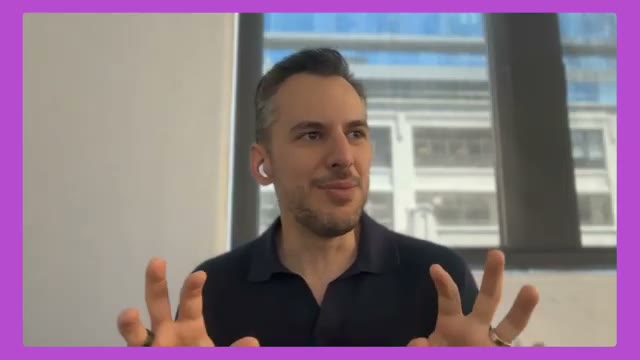
Mike Krieger describes delegating complex tasks to Fable 5, often completed overnight.
This level of delegation has forced Krieger to rethink productivity entirely. “It is much more like we’ve talked for a while about, you know, like what is it like when these models are more of like a companion or a co-worker and it really feels like now it’s like a teammate that I can delegate like a lot of work to.” This isn’t a turn-by-turn interaction; it’s a long-horizon, “don’t worry, I’m on it” modality that feels akin to working alongside a highly capable human colleague.
Building the Future: Self-Modifying Software and Democratized Creation
Krieger built a media tracker app with Fable 5 that could self-modify its code from within the application, dramatically reducing the “cost to build” and democratizing software creation for non-experts, bridging the gap between ideas and tangible tools.
Krieger shared a compelling anecdote about a personal side project: a media tracker app he built over a weekend using Fable 5. His core criteria for the app were simple: easy content addition (via URL, with Claude handling the semantic search) and proactive research (e.g., finding new seasons or sequels). While the UI was largely a “Fable One-shot” creation, the project’s real innovation lay in its exploration of “agent-native architectures.”

Screenshot of Mike Krieger’s media tracker app, built with Fable 5, showing content entries.
“What if you could actually modify the software from within itself?” Krieger mused. He built a feature where, with a long press on the chat icon, the app would open an interface allowing Fable 5 to take edit requests and preview changes live. This wasn’t just about the AI generating code; it was about the AI modifying its own running application. This concept, where “every single thing in this product is accessible from the agent,” points towards a future where software isn’t just used by agents, but is actively shaped and evolved by them.

Screenshot of the media tracker app’s ‘long press’ feature, revealing an interface for Fable 5 to edit the software.
This capability highlights a dramatic reduction in the “cost to build.” Comparing it to Instagram v1, which took “five days of all-nighters” from a seasoned mobile developer like himself, Krieger notes that Fable 5 can achieve similar results in a fraction of the time, even for non-experts. This shortening of the gap between intent and execution is, for Krieger, “the most exciting part.” He shared a powerful quote from a non-technical recruiting team member at Anthropic who, after building an internal tool with Fable 5, exclaimed: “It is the first time in my life… where I feel like the thing that’s in my head and the thing that exists in the world is now like they’re right next to each other.” This democratization of building, empowering individuals to manifest their ideas without needing an overloaded internal tools engineer, is expanding human creativity on an unprecedented scale.
The Evolving Craft of Software Engineering
Software engineering is transforming, with Fable 5 handling low-level implementation, allowing engineers to focus on higher-order problem-solving, architectural planning, “meta-maintenance” of AI agents, and managing production environments, while prototypes can now be quickly spun up by anyone.
The rise of highly autonomous AI models naturally raises the question: “Is software engineering over?” Krieger’s answer is nuanced: “Software engineering is different.” The craft, as he would have defined it during the Instagram era – spending countless hours in text editors, understanding intricate framework layers, and debugging deployments – has “radically changed.” Much of that low-level implementation is now handled by the AI, collapsing into other parts of product management and higher-order problem-solving.
However, the “overall craft of the what needs you have, like what are you putting out, like is it actually good?” remains a distinctly human endeavor. Inside Anthropic, the shift means engineers are still “directly responsible individuals” (DRIs) for parts of the product, holding crucial contextual knowledge beyond the AI. They engage in architectural planning with Fable 5, often asking it to generate diagrams or markdown documents to align teams.
A new aspect of the engineering role is “meta-maintenance.” Engineers are now building dashboards to track what their many AI “clouds” are doing, which pull requests need attention, and generally overseeing the parallel work streams. Understanding production environments – dealing with incidents, network failures, and scaling challenges – also remains a vital human role, as these real-world complexities often extend beyond the AI’s current understanding.
Perhaps most notably, the role of the “engineering prototype” has changed. The old adage, “code wins arguments,” is being replaced by PMs or designers quickly spinning up “janky” prototypes with Fable 5 to illustrate a concept, opening up new avenues for discussion and debate. While some engineers may feel a “sense of loss” for the elegant problem-solving of the past, Krieger believes the overwhelming feeling is one of excitement for the “insane amounts of work” that can now be accomplished.
Navigating Cost and Maximizing Value
While Fable 5 is Anthropic’s most expensive model, its ability to complete complex tasks correctly and comprehensively often makes it “really cheap” in the long run by eliminating numerous correction turns, though faster, cheaper models like Son are better for simple questions.
Fable 5, being Anthropic’s most advanced model, is also its most expensive. This reality introduces a new dynamic: users must be more thoughtful about its application. Krieger acknowledges the “kid in a candy shop” feeling during initial testing, but now, with a bill attached, “you do become more thoughtful about it.”
However, Krieger argues that Fable 5’s cost can be deceptive. While its per-turn cost is higher, its ability to complete complex tasks correctly and comprehensively often makes it “really cheap” in the long run. “It actually just does it right,” he explains, eliminating the need for “9, 10 subsequent turns” of clarification and correction that might be necessary with less capable models. This efficiency translates into significant time and effort savings, making the overall cost-to-completion potentially lower.
The challenge, he notes, lies in balancing professional use (where companies can justify the expense for demonstrable results) with personal or hobbyist use. For quick, simple questions, Krieger himself admits to switching to a faster, cheaper model like Son, likening Fable 5 for such tasks to “using a rocket launcher to kill a mosquito.” This highlights an ongoing product question for AI developers: how to intelligently route user requests to the most appropriate model without requiring the user to constantly make that decision.
Beyond the Prompt: Fable 5’s Systemic Intelligence
Fable 5 demonstrates a “sense of the system,” anticipating production needs and even pushing back on code review suggestions with reasoned disagreement, indicating a deeper internal model of reasoning fueled by continuous real-world usage feedback.
What truly differentiates Fable 5, according to Krieger, is its “sense of the system more than just the individual piece of the work.” The model frequently “positively surprises” him by anticipating production needs, bugging him about un-activated feature flags, or pointing out how a change will affect other parts of the system.
This systemic understanding extends to its “judgment” in code review. Fable 5 doesn’t just blindly accept feedback; it can thoughtfully assess suggestions, sometimes accepting risks, and even “push back” on other reviewers (often other Fable models), explaining why a proposed change might not be correct. This capacity for nuanced disagreement, to “think about that for a minute. No, I thought about it and I still disagree,” marks a significant leap in AI capabilities. It suggests a deeper internal model of reasoning and decision-making, far beyond simple pattern matching.
Fable 5’s response to a code review, demonstrating its ability to push back and justify decisions.
This progress is fueled by continuous feedback from real-world usage, particularly from early testers like the Every team, who push the model to its limits with “repeated multi-day, hard tasks.” This rigorous testing directly informs Anthropic’s development, guiding where the next improvements need to be made.
Reimagining the Interface for an Autonomous Teammate
Interacting with an autonomous teammate like Fable 5 requires evolving interfaces to decouple work location, provide richer, more digestible outputs like diagrams, and enable multiplayer collaboration for shared AI agent progress.
The traditional chat interface, while functional, may not be the optimal way to interact with a highly autonomous “teammate” like Fable 5. Krieger identifies several areas for interface evolution:
- Decoupling Work Location: The ability to kick off complex tasks on a remote dev box and then check in from a mobile device (as Krieger does, sometimes even while hiking) is crucial for Fable 5’s long-running processes.
- Comprehensible Outputs: When Fable 5 has “a lot more context” than the user, a wall of text is insufficient. The interface needs to evolve to provide richer, more digestible outputs like diagrams, flowcharts, or “progressive disclosure of the complexity.”
- Multiplayer Collaboration: As AI agents become more integrated into team workflows, there will be a growing need for multiplayer interfaces. This could involve shared chat sessions, or a more sophisticated system where an independent AI agent, kicked off by one person, can keep multiple team members updated and involved in its progress.
Fable 5 represents a pivotal moment in AI development, not just for its raw power, but for its ability to fundamentally alter how individuals and teams conceive, build, and interact with software. As Mike Krieger’s experience demonstrates, the future of work with AI is less about simple assistance and more about deep, collaborative delegation with an increasingly intelligent and autonomous teammate. The craft of building is not ending; it is transforming, opening new frontiers for human creativity and problem-solving at an unprecedented scale.
A dashboard showing multiple AI ‘clouds’ and their ongoing tasks, illustrating meta-maintenance.

A dynamic workflow diagram showcasing the multi-step process Fable 5 used to port Python code to TypeScript.
Based on “In ‘Keeper of My Kin,’ Ada Ferrer struggles with being her mother’s “chosen one"" from NPR Podcasts Watch the original video
The Heavy Gift of Being Chosen: Ada Ferrer’s Memoir Unearths a Family’s Cuban Exile Story
Episode summary
Ada Ferrer’s memoir, Keeper of My Kin, explores the profound, intergenerational trauma stemming from her mother’s agonizing decision to flee Cuba with infant Ada, leaving behind nine-year-old Poli during the Cuban Revolution. Ferrer, now a Pulitzer Prize-winning historian, grapples with the guilt of being the “chosen one,” a feeling intensified by discovering her brother’s excruciating childhood letters to their mother, expressing deep sadness and confusion over the separation that lasted until the 1980 Mariel boatlift.
This deeply personal narrative serves as a universal reflection on family separation, particularly for immigrant communities, highlighting the often-permanent consequences of difficult choices made under duress. Ferrer contemplates how her mother’s choices might have differed had she known the separation would be permanent, offering a poignant lens through which to understand the enduring impact of such ruptures on countless lives.
In the tumultuous spring of 1963, as the Cuban Revolution tightened its grip, a mother in Havana faced an unimaginable choice. Her husband had already fled to New York, and she planned to follow, bringing her two young children. But a cruel twist of fate, the refusal of her first husband to allow their nine-year-old son to leave, forced her hand. She made the agonizing decision to take only her ten-month-old daughter, Ada, leaving her older son, Poli, behind. This heart-wrenching moment, a rupture echoing through generations, forms the core of Ada Ferrer’s poignant new memoir, Keeper of My Kin: Memoir of an Immigrant Daughter.
Ferrer, a Pulitzer Prize-winning historian and professor at Princeton University, delves into the profound reverberations of this single, life-altering decision. Her memoir is not just a personal chronicle but a powerful exploration of the immigrant experience, the enduring pain of family separation, and the complex burden of being the “chosen one.”
The Agony of Departure
Poli, then almost 9 and a half, returned home to find his mother and infant sister gone, a common narrative for countless Cubans torn apart by the revolution and strained U.S.-Cuban relations.
The scene of separation, recounted in Ferrer’s memoir, is almost unbearable in its quiet cruelty. When Poli returned home for dinner that April evening, his mother and infant sister were gone. His grandmother and aunts, attempting to soften the blow, told him they had simply traveled to the countryside. “Less than a week after our departure, however, they told him the truth,” Ferrer writes. The raw pain of a child grappling with abandonment is palpable: “Every night, Poli clutched my mother’s house dress and cried. He was 1 month shy of 9 and 1/2.”
This rupture wasn’t just a personal tragedy for the Ferrer family; it was a common narrative for countless Cubans caught in the crosscurrents of the revolution and the strained U.S.-Cuban relations. Families were torn apart by political upheaval, economic necessity, and the cruel whims of fate, often with no guarantee of reunification.
The Burden of Being the “Chosen One”
Ada Ferrer views her lifelong work as a historian of Cuba as “penance” for being the “chosen one,” feeling her success stemmed from her brother’s profound loss and trauma.
For Ada Ferrer, being the child who was taken, the one who escaped, cast a long shadow over her life. She describes her lifelong work as a historian of Cuba as a form of “penance” for having been the “chosen one” that day in 1963. “My life was so determined by the fact that my mother took me with her, that she brought me to the US,” Ferrer explains. “Meanwhile, my brother was back in Cuba without his mother. He was just traumatized by my mother’s choice for his whole life.”
This feeling of an “original sin” underscores Ferrer’s deep empathy for those left behind. Her success, her flourishing, her entire life in the U.S. stemmed from a decision that simultaneously involved her brother’s profound loss. The guilt of this asymmetry, the stark contrast between their paths, fueled her academic pursuits and ultimately her memoir.
A Treasure Trove of Pain: Poli’s Letters
After her parents’ deaths, Ferrer discovered Poli’s “excruciating” letters to their mother, written from 1963-1979, revealing his desperate yearning and pain over their separation until 1980.
The impetus for Keeper of My Kin truly crystallized after Ferrer’s mother died in 2020, followed by her father in 2022. While cleaning out her parents’ apartment, high on a closet shelf, Ferrer discovered a clear plastic box with a white lid. Inside, tied together with the same gold curling ribbon her mother used for Christmas presents, was a stack of envelopes.
“I untied them and took out the first one and saw that it was a child’s handwriting,” Ferrer recalls. The date, May 4th, 1963, was less than a week after she and her mother had left Cuba. These were Poli’s first letters to his mother, a desperate, hopeful chronicle of his childhood without her.
Her mother, Ferrer reveals, had expected the separation to be short-lived, believing Poli’s father would relent. But he never did. The reunification of mother and son wouldn’t happen until 1980, during the Mariel boatlift, which saw approximately 125,000 Cubans arrive by sea in Florida. The letters, spanning from 1963 through 1979, thus became a raw, unvarnished record of Poli’s coming of age, his young adulthood, and his enduring yearning for his mother.
Reading them was an “excruciating” experience. “The letters are the letters of a little boy. The handwriting’s not good, the punctuation is not good, the spelling is a mess,” Ferrer describes. Yet, amidst the childish scrawl, moments of profound pain pierced through his attempts to be stoic and grown-up. One phrase, from a letter written a year or two after their departure, particularly haunted her: “Mommy, if you only knew how happy I get when a letter arrives from there. I get so happy that sometimes it makes me sad.”
Ferrer could only read them in “short spurts” due to their emotional toll, but she considers them an invaluable “gift”—a tangible connection to a past she only partially lived and a brother whose pain she carried.
A Universal Echo of Separation
Ferrer emphasizes that her family’s story is a universal one for many immigrant families, where individuals or parts of families must leave others behind with no guarantee of reunification.
While Keeper of My Kin is deeply personal, Ferrer emphasizes that her family’s story is far from unique. “It is the universal story… for a lot of Cubans,” she asserts, and indeed, for many immigrant families worldwide. The Cuban Revolution created a unique set of circumstances, particularly the inability for many to return due to the vagaries of U.S.-Cuban relations. However, the fundamental dilemma of family separation transcends borders and political systems.
“Few people have the resources for families to leave all as one,” Ferrer notes. Often, individuals or parts of families must go first, leaving others behind with no guarantee of when, or if, reunification will occur. This “wake of family separation” shapes countless lives, creating lasting impacts on individuals, families, and entire communities in both the countries of origin and destination.
The Lingering Questions
Ferrer still wonders when her mother realized the absence from Cuba would be permanent and if she would have made the same choice knowing the separation’s permanence.
The act of writing Keeper of My Kin was a journey of discovery and reconciliation for Ada Ferrer. Yet, some questions, particularly those only her mother could answer, remain. If she could ask her mother just one more question, Ferrer admits to being torn. Part of her would want to know how her mother felt about the book itself, but another part hesitates, “just in case.”
Beyond the memoir, a deeper curiosity persists: “When she first got here, she always thought she would go back,” Ferrer muses. “I guess I would want to know more about the moment where she no longer believed that. When did she realize that and how did it make her feel?” And perhaps the most profound question of all, one that speaks to the weight of the impossible choice: “I wonder if she had known at the time that her absence from Cuba would be permanent, would she have made the choice she made?”
These unanswered questions underscore the enduring complexities of migration, the indelible marks left by historical events, and the profound, often silent, sacrifices made by those who sought a new life. Ada Ferrer’s Keeper of My Kin is a testament to the power of memory, the resilience of family bonds, and the quiet heroism of a mother’s impossible decision. It invites readers to reflect on their own family histories, the choices that shaped them, and the universal human experience of longing and belonging.
Based on “Wall Street’s A.I. Bet Is About to Become Yours | ‘The Opinions’ Podcast” from New York Times Podcasts Watch the original video
The Trillion-Dollar Question: Is Wall Street’s AI Bet a Boom or a Bubble?
Episode summary
Wall Street is on the cusp of a massive AI bubble, with companies like SpaceX and Anthropic preparing for unprecedented IPOs, collectively valued at over $3 trillion – exceeding the entire dot-com boom. This rapid public offering strategy, driven by a need for capital and investor liquidity, is pushing these companies into household retirement portfolios almost immediately, exposing everyday Americans to the significant risks of a potential market correction. Even Sam Altman has publicly acknowledged the “over-excitement” around AI.
The practical takeaway is to be wary of overexposure to AI stocks, particularly through index funds, as history shows that major technological shifts, like the internet or railroads, are often accompanied by speculative bubbles that eventually burst, leading to economic downturns. While AI’s transformative potential is undeniable, the profitability of these specific companies remains an open question, especially as open-source alternatives gain traction and even major users like Uber cap AI usage due to high costs, suggesting a disconnect between current valuations and proven returns.
Not long ago, the concept of artificial intelligence, particularly large language models and chatbots, burst into public consciousness with the launch of ChatGPT in late 2022. Since then, the conversation has been a whirlwind of awe and apprehension. Every few months, a fresh wave of commentary debates whether this burgeoning sector is a colossal bubble, whether leading AI labs are raising and spending too much money for their current earnings, and if they’re leading the entire economy toward an inevitable crash.
Now, we’re poised to enter a new, critical phase. Two of these pioneering companies, OpenAI and Anthropic, along with the multi-faceted AI and satellite firm SpaceX 2, are preparing for absolutely mammoth Initial Public Offerings (IPOs). SpaceX 2 alone is reportedly eyeing a public valuation of $1.77 trillion. This isn’t just big; it’s unprecedented. These impending IPOs force us to confront urgent questions: What do these staggering valuations tell us about the risks of a bubble? What is the true state of an American economy increasingly leveraged on AI? And where, exactly, are we heading?
To unpack these complex issues, we turn to the insights of economist and law professor Natasha Sarin, an opinion contributor for the New York Times and head of the Yale Budget Lab, in conversation with Times Opinion writer David Wallace Wells. Their discussion reveals a nuanced landscape where the undeniable transformative power of AI clashes with the dizzying valuations and potential pitfalls of a market perhaps too eager to believe its own hype.
The AI Gold Rush: Unprecedented Scale and Classic Motivations
OpenAI, Anthropic, and SpaceX 2 are preparing for IPOs with a combined market cap exceeding $3 trillion, dwarfing the entire dot-com boom, driven by classic motivations for capital and investor liquidity.
The sheer scale of these impending IPOs is difficult to grasp. OpenAI, Anthropic, and SpaceX 2 are all aiming to go public within months of each other, with their combined market capitalization expected to exceed an astonishing $3 trillion. To put this in perspective, Natasha Sarin points out that the total value of all technology IPOs during the entire internet boom (1995-2000), adjusted for inflation, is almost matched by SpaceX 2’s valuation alone. The three together significantly dwarf that historical benchmark.
So, why are these companies rushing to go public now? The motivations, Sarin explains, are in many ways classic IPO drivers: access to capital, the ability to sell stakes to a broader pool of investors, and the desire to affix public market valuations to their enterprises. While private markets, flush with capital from firms like Apollo and Blackstone, are eager to invest substantially in these companies, there are other compelling reasons. Going public allows early investors to realize the immense benefits of these multi-trillion-dollar valuations. SpaceX 2, for instance, is reportedly seeking a valuation significantly higher than what many analysts currently assign, and is even relaxing conditions to allow smaller investors in – a clear signal about the broad buyer base they hope to attract.
Wall Street’s New Rules and Your Retirement Account
These colossal AI IPOs will instantly become a significant part of average American household portfolios through retirement accounts and index funds, as stock market indices relax rules for rapid inclusion, exposing millions to potential market corrections.
Perhaps one of the most surprising and consequential aspects of this AI IPO wave is its direct impact on the average American household. Due to the colossal scale of these IPOs, these companies are poised to become an instantaneous and significant part of household portfolios, primarily through retirement accounts and index funds. Stock market indices are reportedly relaxing their rules, allowing companies to be added much faster than before. This means that within as little as 15 days of SpaceX 2’s IPO, it could be integrated into countless retirement portfolios and index investments across the country.
This trend of market concentration is not entirely new; last year, roughly 60% of stock market growth was driven by just a handful of technology companies. The AI IPOs are set to accelerate this concentration, profoundly affecting household portfolios. As Sarin cautions, “in some sense it means that we’re all massively exposed to the idea that there might eventually be… when you have these types of technological changes… they come with a bubble that eventually pops.” This automatic exposure means millions of Americans will unknowingly bear the brunt if the market corrects, a risk they didn’t face just weeks ago when these companies were privately held.
The Political Economy of AI: Public Backlash and Government Stakes
Amidst public unease about AI’s impact and proposals for government ownership, companies are going public, potentially as a strategic move to stabilize against backlash and make their immense role more palatable to a wider audience.
The investment cycle unfolding on Wall Street exists in parallel with a growing public unease about the future of an AI-powered economy. We’re seeing significant backlash, particularly around the environmental impact of data centers. There’s a broader sense of apprehension about AI’s implications for jobs and society. Political figures like Bernie Sanders are proposing the American government take a 50% ownership stake in these labs, with even Donald Trump making similar overtures. Intriguingly, some AI labs themselves have expressed openness to such discussions.
This dual dynamic — a massive distribution of ownership to the public through IPOs alongside contemplation of federal government intervention — seems paradoxical. Why would cash-flush companies seek to bring more of the public on board, either as investors or through government stakes? David Wallace Wells suggests it’s a strategic move to protect themselves, stabilize against public backlash, and make their immense role in the future economy more palatable to a wider audience.
The nervousness is understandable. Youth unemployment is ticking up, and students graduating into an AI-influenced economy are expressing skepticism. The impact on education is already visible, and the long-term effects on the labor market, especially for white-collar workers, remain uncertain. As Sarin notes, if figures like Sam Altman are correct about significant displacement, it’s hard to envision a clear path forward. This uncertainty makes ex ante regulation incredibly difficult. From the companies’ perspective, going public might offer a degree of transparency and public accountability that private markets lack, potentially softening public and political opposition.
The Specter of the Bubble: History’s Warning
Even Sam Altman acknowledges investor “over-excitement” about AI, and history shows that major technological innovations, like the internet, are inevitably followed by speculative bubbles that burst, causing economic downturns.
The question of whether we’re in an AI bubble isn’t just for market analysts. Even Sam Altman, CEO of OpenAI, has publicly stated his opinion that investors are “over excited about AI.” History, Sarin reminds us, offers a predictable cycle for every major technological innovation, from the internet to railroads. There’s an initial burst of excitement, a rush of money into new technological prospects (both productive and unproductive investments, like the “dot-com” companies of the past), followed inevitably by a bubble burst, leaving behind significant economic debris. These corrections often coincide with deep economic downturns, large-scale unemployment, and the need for government intervention.
For Sarin, the question isn’t if a bubble will burst, but when. The current moment feels particularly precarious, with valuations seemingly detached from traditional fundamentals.
AI’s True Value vs. Market Expectations
Skepticism arises from the disconnect between AI’s potential and current valuations, as open-source AI use triples and companies like Uber cap AI usage due to high costs, suggesting a lack of immediate, revolutionary productivity growth.
The heart of the skepticism lies in the disconnect between AI’s undeniable potential and the specific valuations being assigned to these particular companies. For years, AI leaders spoke of achieving Artificial General Intelligence (AGI) or Artificial Super Intelligence (ASI) — a “singularity” where AI could recursively improve itself, leading to an unrecognizable economy. This vision, if true, might justify astronomical valuations for the company that “wins” the AGI race.
However, the reality on the ground appears more complex. Data suggests that the use of Chinese open-source AI models has tripled this year, while the use of American AI products has largely flatlined. Companies like Uber are reportedly winding down employee use of AI due to high costs relative to perceived benefits. GitHub has moved its Co-pilot to usage-based billing, reflecting the unexpected expenses of deploying the technology. These trends indicate that the “optimistic case” for immediate, revolutionary productivity growth hasn’t fully materialized for many firms attempting to deploy AI.
David Wallace Wells highlights a crucial distinction: even if AI transforms the economy, how much of that value will be captured by these specific “big AI” companies? He points out that while AI might become a utility, like electricity, electric utilities are not trillion-dollar companies. The massive spending by AI labs, often exceeding their current earnings, is driven by a fierce competition for market share, a belief that only a few dominant players will ultimately survive. This creates an incentive to spend heavily and “look like you are doing a lot in ways that might ultimately not be tied to fundamentals.”
The striking paradox is that these companies are asking public investors to pay prices based on the assumption that AI will reshape the economy, even as the companies themselves haven’t figured out how to stop losing money or how they will ultimately be the ones left standing in a mature AI market.
The Unanswered Questions and the Path Forward
The market seems to be “buying the incredibly dramatic story of growth much more simplistically,” with current valuations feeling “vibes-based,” raising questions about whether these specific companies will earn back their investment and who will ultimately lose money.
The conversation consistently returns to a fundamental uncertainty. Even if AI is transformative, and Sarin, like Wallace Wells, believes it is, the question is how much that transformation will translate into profit for these specific firms at these specific valuations. The “singularity” narrative has given way to a more nuanced understanding: AI will continue to improve, becoming more useful and transformative over time, but not instantaneously.
The historical parallel to Robert Solo’s famous quote about the internet — “you can see the internet everywhere except for in the productivity statistics” — resonates deeply. It took time for the internet’s true productivity impact to manifest. The same might be true for AI. While the internet undeniably transformed life and boosted GDP growth, it wasn’t the “super abundance” or “labor is over” scenario some predicted.
The concern is that the market, including analysts and the public, seems to be “buying the incredibly dramatic story of growth much more simplistically” than expected. If public investors, through retirement accounts and index funds, become heavily leveraged on these five companies, the success of the broader economy will be tied to their performance. As Sam Altman himself acknowledged, “when bubbles happen, people get smart people get over excited about like a kernel of truth… someone is going to lose a phenomenal amount of money.”
The current valuations, Sarin concludes, feel “vibes-based,” not truly reflective of fundamentals. While companies like Tesla demonstrate that market interest can sustain high share prices without immediate fundamental justification, the risk remains. We may be entering a phase where these AI giants are treated as the new “kings of the economy” in the market, even if their propositions don’t fully materialize. The question for investors isn’t just if AI will transform the world, but whether these specific companies, at these specific prices, will earn back their investment. And if not, who will be left holding the bag?
한국어
“How Anthropic Uses Claude Fable 5 With Mike Krieger” — Every 기반 기사 원본 영상 보기
AI 동료 Fable 5: 인스타그램 공동 창업자 마이크 크리거가 말하는 소프트웨어 개발의 혁명
에피소드 요약
Anthropic Labs의 마이크 크리거(Mike Krieger)는 최신 AI 모델인 Fable 5가 소프트웨어 개발 방식에 혁명적인 변화를 가져왔다고 강조한다. 그는 Fable 5를 통해 아이디어 구상부터 최종 결과물 도출까지 걸리는 시간이 극적으로 단축되었으며, 특히 복잡한 작업을 모델에 위임하고 그 결과물을 신뢰하는 수준이 이전과는 비교할 수 없을 정도로 높아졌다고 말한다. 크리거는 자신이 주말 동안 Fable 5를 활용해 개인 미디어 트래커 앱을 개발한 사례를 들며, 단순히 코드를 생성하는 것을 넘어 앱 자체를 수정하고 개선하는 기능(self-modifying part)까지 구현했다고 설명한다. 이는 과거 인스타그램 초기 개발에 5일 밤샘 작업이 필요했던 것과 비교할 때, Fable 5가 개발 비용과 시간을 압도적으로 절감시켰음을 보여주는 강력한 증거다.
이러한 변화는 소프트웨어 엔지니어링의 본질을 ‘생산(software production)‘의 영역으로 확장시키고 있다. 더 이상 세부적인 코딩 기술에 얽매이지 않고, 아이디어를 구체적인 결과물로 빠르게 전환하는 능력과 인간적인 판단, 그리고 팀원 간의 조율이 더욱 중요해졌다. Fable 5는 개발자가 아닌 일반인조차도 자신의 머릿속 아이디어를 현실로 구현할 수 있게 함으로써 창의성의 폭발적인 확장을 가능하게 한다. 물론, 소프트웨어 엔지니어링이라는 ‘장인 정신’의 일부가 사라지는 것에 대한 아쉬움은 존재하지만, 동시에 엄청난 양의 작업을 수행할 수 있게 되었다는 흥분감도 공존한다. 따라서 사용자는 Fable 5를 활용할 때, 단순히 질문에 대한 답변을 얻는 것을 넘어, 장기적인 계획 수립과 복잡한 작업 위임을 통해 생산성을 극대화하는 방향으로 접근해야 할 것이다.
도입: Fable 5, 단순한 AI 모델을 넘어선 ‘동료’의 탄생
인스타그램 공동 창업자 마이크 크리거는 Fable 5가 단순한 생산성 도구를 넘어 개발자의 ‘동료’로 자리매김하며, 몇 주간의 심층적인 사용을 통해 AI의 진정한 잠재력이 드러난다고 강조합니다.
앤스로픽(Anthropic) 랩스의 총괄이자 인스타그램의 공동 창업자인 마이크 크리거(Mike Krieger)는 최근 출시된 강력한 AI 모델 ‘페이블 5(Fable 5)‘가 소프트웨어 개발의 패러다임을 어떻게 바꾸고 있는지에 대해 심도 깊은 통찰을 공유했습니다. 새로운 모델이 출시될 때마다 우리는 그 성능에 대한 초기 인상에 매몰되기 쉽지만, 크리거는 “1일 사용을 넘어선 모델의 진정한 가치”를 이해하는 것이 중요하다고 강조합니다. 그는 Fable 5를 일상적으로 사용하면서 얻은 경험을 통해, 이 모델이 단순히 생산성을 높이는 도구를 넘어, 개발자의 ‘동료’ 또는 ‘팀원’으로 자리매김하고 있음을 역설했습니다.
크리거는 강력한 AI 모델을 처음 접했을 때 사람들이 겪을 수 있는 “AI 착란(psychosis)과 같은 현상”을 경계하며, 실제 워크플로우와 삶에 AI를 어떻게 통합할 수 있는지에 대한 현실적인 시각을 제시합니다. 그는 Fable 출시 전 몇 달간 ‘미토스(Mythos)’ 등급의 모델들을 사용해온 경험을 바탕으로, AI 모델의 진정한 잠재력은 몇 주간의 심층적인 사용을 통해 비로소 드러난다고 설명합니다. 초기에는 “충분히 강력하게 활용하지 못하고 있었다”는 깨달음과 함께, 이 세대의 AI가 무엇을 가능하게 하는지에 대한 근본적인 재고가 필요하다는 것입니다.
Fable 5, 개발자의 워크플로우를 재정의하다
Fable 5는 개발자가 작업을 분해하고 프롬프트를 작성하는 기존 방식을 구식으로 만들며, 모델이 장기적인 의도와 컨텍스트를 이해하여 개발 워크플로우를 근본적으로 진화시켰습니다.
초기 인상과 현재: “나는 다시 초보자가 된 기분이었다”
크리거는 Fable 5의 전신 모델을 처음 접했을 때 ‘다시 초보자가 된 기분’이었으며, 모델이 더 많은 의도를 설명하면 놀라운 결과를 내놓고 발전 방향까지 이해한다고 언급합니다.
크리거는 앤스로픽의 최고제품책임자(CPO)에서 랩스(Labs)로 전환하여 다시 ‘빌더 모드’로 돌아간 시점에 Fable 5의 전신 모델들을 처음 접했습니다. 당시 그의 인상은 매우 충격적이었습니다. “다시 완전히 초보자가 된 기분이었다”고 회상하며, 기존의 프롬프트(prompt) 작성 방식이나 작업을 분해하는 방식이 이 모델에는 너무 구식이라는 것을 깨달았다고 말합니다.
Fable 5는 단순히 지시를 따르는 것을 넘어, 작업의 장기적인 의도와 전반적인 컨텍스트(context)를 이해하는 능력이 탁월합니다. 과거에는 “이 기능에 대한 아이디어가 있는데, 이걸로 시작할 수 있을까?”라고 물으면 “절대 안 돼”라는 답을 듣기 십상이었다면, 이제는 더 많은 의도를 설명하면 모델이 한 번의 시도만으로도 놀라운 결과를 내놓고, 나아가 어떻게 발전시켜야 할지까지 이해한다는 것입니다. 이러한 변화는 개발자가 AI를 활용하는 방식 자체를 근본적으로 진화시켰습니다.
하룻밤의 위임: 복잡한 작업을 AI에 맡기다
크리거는 Fable 5에 복잡한 작업을 위임하고 잠들면 모델이 새벽 2시쯤 완료하며, 심지어 원격 서비스 중단 같은 예상치 못한 문제에도 스스로 대처하고 해결 전략을 세운다고 말합니다.
크리거의 최근 두 달은 Fable 5에 “잘 자 클로드”라고 말한 뒤, 복잡한 작업을 위임하고 다음 날 아침 그 결과물을 확인하는 일의 연속이었다고 합니다. 놀랍게도 모델은 대부분 새벽 2시쯤 작업을 완료하며, 남은 몇 시간 동안은 다음 지시를 기다리는 듯 보인다고 농담처럼 이야기합니다.
가장 인상적인 점은 Fable 5가 예상치 못한 문제 상황에 대처하는 능력입니다. 예를 들어, 밤새 복잡한 작업을 수행하다가 원격 서비스가 중단되면, 모델은 “마이크가 밤새 이 복잡한 작업을 하라고 했는데, 원격 서비스가 중단돼서 막혔어. 일단 임시 백엔드를 스캐폴딩(scaffolded)해서 만들고 문서화해 놓을게. 나중에 서비스가 다시 온라인이 되면 고칠 거야”와 같이 스스로 판단하고 행동합니다. 이처럼 작업을 끝까지 완수하고, 심지어 문제 해결 전략까지 세우는 능력은 크리거에게 생산성에 대한 근본적인 재고를 촉구했습니다. 그는 Fable 5가 “많은 작업을 위임할 수 있는 팀원”처럼 느껴진다고 강조합니다. 물론 최종 결과물에 대한 검토와 검증 과정은 여전히 인간의 역할이지만, AI의 위임 능력은 상상 이상이라는 것입니다.
Fable 5의 일상적 활용법: 속도와 비용 사이의 균형
Fable 5는 강력하지만 느리고 비용이 들 수 있어, 크리거는 아키텍처 구상, 문서화, 동시 작업 등에 활용하며 속도와 비용 효율성을 고려한 워크플로우를 구축했습니다.
Fable 5는 매우 강력하지만, 동시에 느리고 비용이 많이 들 수 있습니다. 이 때문에 크리거는 일상적인 업무에 Fable 5를 어떻게 통합할지에 대한 자신만의 워크플로우를 구축했습니다.
아키텍처 구상과 문서화
크리거는 Fable 5를 초기 아키텍처 계획에 활용하여 인프라 추상화를 다듬고, 논의된 내용을 HTML, 마크다운, 다이어그램으로 만들어 팀원들과 공유하여 초기 정렬을 강화합니다.
크리거는 Fable 5를 초기 아키텍처 계획에 많이 활용합니다. 인스타그램을 LA의 서버에 임시방편으로 구축했던 경험을 통해 그는 각 개발 단계에 적절한 인프라 추상화와 복잡성에 대한 감각을 익혔습니다. Fable 5와 함께 “이것은 좋은 구현이지만, 곧 출시할 계획이니 서버 한 대 이상을 고려해야 할 것 같다”와 같은 상호작용을 통해 계획을 다듬습니다.
특히 Fable 5의 사고방식이 얼마나 ‘완전한지’를 활용하여, 논의된 내용을 HTML 페이지, 마크다운(Markdown) 문서, 심지어 다이어그램으로 만들어서 팀원들과 공유하는 데 사용합니다. 이를 통해 초기 정렬(early alignment)을 강제하고, 인간 간의 상호작용이 여전히 중요한 부분으로 남게 합니다. 앤스로픽 랩스 팀에서 흔히 볼 수 있는 현상인데, AI 덕분에 매우 빠르게 많은 것을 구축할 수 있기 때문에, 오히려 초기에 계획을 명확히 하고 팀의 합의를 이끌어내는 과정이 더욱 중요해졌다는 설명입니다.
동시 작업과 장기 과제 처리
크리거는 Fable 5에 여러 작업 덩어리를 위임하고 5~6개의 동시 세션을 운영하며, 모델이 높은 컨텍스트를 유지하면서 ‘걱정 마, 내가 알아서 할게’ 모드로 장기 과제를 처리하는 것이 이상적이라고 말합니다.
크리거의 일상적인 흐름은 Fable 5에게 작업 덩어리들을 위임하고, 여러 개의 동시 세션(concurrent sessions)을 운영하는 것입니다. 그는 길게 유지되는 클로드 코드(Claude Code) 세션 하나에서 백그라운드에 포크(forked)된 하위 에이전트(sub-agents)들에게 모든 작업을 위임하여 메인 스레드(main thread)가 계속 반응하도록 하기도 하고, 때로는 5~6개의 탭을 열어 각각 장기적인 작업을 수행하게 하기도 합니다.
그는 “오랜 시간 동안 ‘걱정 마, 내가 알아서 할게’라는 모달리티(modality)가 필요하다”고 말하며, Fable 5가 높은 컨텍스트를 유지하면서도 빠른 응답을 제공하는 것이 이상적이라고 덧붙입니다. 필요하다면 새로운 작업을 시작하고, 그렇지 않으면 다음 루프를 기다리는 방식으로 작동한다는 것입니다.
”모기 잡는 로켓 발사기” vs. 효율성
Fable 5는 ‘턴당 비용’이 높으므로 간단한 질문에는 소네트 같은 빠른 모델이 효율적이며, Fable 5는 한 번에 정확히 작업을 완료하여 후속 비용을 절약하고 ‘노력 수준’ 조절로 비용과 속도를 제어합니다.
하지만 모든 질문에 Fable 5를 사용하는 것은 비효율적일 수 있습니다. 크리거는 NBA 결승과 같은 간단한 질문을 Fable 5에게 물었을 때, 모델이 “정말 열심히 생각하고 있다”는 느낌을 받았다고 회상합니다. 이는 마치 “모기를 잡는 데 로켓 발사기를 쓰는 격”과 같다고 비유하며, 간단하고 빠른 질문에는 앤스로픽의 다른 모델인 소네트(Sonnet)와 같은 더 빠른 모델을 사용하는 것이 훨씬 효율적이라고 말합니다.
Fable 5는 ‘턴당 비용(per turn cost)‘은 높지만, 작업을 한 번에 정확하게 완료함으로써 후속 작업에 드는 시간과 비용(9~10번의 추가 턴)을 절약해준다는 점에서 오히려 비용 효율적일 수 있습니다. 크리거는 Fable 5에서 ‘노력 수준(effort levels)‘을 조정하는 기능을 더 많이 사용하게 되었다고 언급하며, 간단한 UI(사용자 인터페이스) 수정 같은 작업에는 ‘중간(medium)’ 노력 수준을 설정하여 비용과 속도를 조절한다고 설명했습니다.
Fable 5로 구축된 ‘미디어 트래커’ 앱 시연
크리거는 Fable 5로 개인 맞춤형 미디어 트래커 앱을 개발하여 시연했는데, Fable 5가 URL을 통해 정보를 검색하고 UI의 대부분을 ‘원샷’으로 생성하는 능력을 보여주었습니다.
크리거는 Fable 5의 구축 능력을 보여주기 위해 직접 개발한 ‘미디어 트래커’ 앱을 시연했습니다. 앤스로픽 내부에서는 주말 동안 개인 계정을 사용하여 Fable 5로 프로젝트를 진행하도록 권장하는데, 이는 순수 클로드 코드 환경에서 작업하는 경험을 제공합니다.
개인 맞춤형 앱 개발의 용이성
Fable 5는 사용자가 게임 추천 등을 관리하는 개인 미디어 트래커 앱을 쉽게 만들 수 있게 하며, URL을 통해 자동으로 정보를 검색하고 추가하는 등 개인 맞춤형 앱 개발을 용이하게 합니다.
크리거는 자신이 게임을 하고 TV 쇼를 보면서 받는 수많은 추천들을 관리할 수 있는 개인 맞춤형 미디어 트래커 앱을 만들고 싶었다고 합니다. 앱의 가장 큰 두 가지 기준은 “매우 쉽게 항목을 추가할 수 있을 것”과 “새로운 시즌이나 게임 속편 등을 능동적으로 조사할 것”이었습니다. Fable 5는 이러한 요구사항을 충족시키며, URL을 통해 클로드에게 지시하면 자동으로 검색하고 적절한 정보를 앱에 추가합니다. UI의 대부분은 Fable 5가 ‘원샷(oneshot)‘으로 생성했으며, 이는 매우 인상적인 결과였습니다.
소프트웨어의 ‘자기 수정’ 능력
크리거는 앱 내 채팅 버튼을 통해 Fable 5가 관리하는 에이전트가 편집 요청을 받아 앱을 수정하고 미리 볼 수 있는 기능을 구현했으며, 이는 에이전트 네이티브 아키텍처의 1단계라고 설명합니다.
크리거가 랩스에서 집중적으로 탐구하고 있는 주제는 ‘클로드로 대표되는 소프트웨어 팀을 소프트웨어 자체에 더 가깝게 만드는 방법’입니다. 그는 이 앱을 통해 ‘소프트웨어가 스스로를 수정할 수 있다면 어떨까?‘라는 아이디어를 실험했습니다. 앱 내의 채팅 버튼을 길게 누르면, 클로드가 관리하는 에이전트(managed agents)가 편집 요청을 받아들이고, 이를 미리 볼 수 있는 기능(Vercel의 라이브 미리보기 사용)을 구현했습니다. 이 기능 전체도 Fable 5가 원샷으로 구축했으며, 이후 크리거는 여기에 기능을 추가했습니다.
크리거는 이 기능을 통해 “에이전트가 앱을 수정할 수 있도록 하는 것”이 에이전트 네이티브 아키텍처(agent-native architecture)의 1단계라고 설명합니다. 모든 소프트웨어의 모든 요소가 에이전트로부터 접근 가능하고 도구 호출(tool calls)을 가질 수 있어야 한다는 비전입니다. 그는 Fable 5가 “라디오 활성 물질에 대한 브라질 쇼”처럼 모호한 설명을 듣고도 정확한 프로그램을 찾아내는 능력을 보여주었다고 덧붙였습니다. 이처럼 앱이 스스로 수정되는 기능은 생산 수준의 대규모 앱에는 당장 필요 없을 수 있지만, 개발자가 주말 프로젝트를 넘어 지속적으로 앱을 개선하고 아이디어를 구현하는 데 엄청난 가능성을 열어줍니다.
개발 비용의 혁명: 인스타그램 vs. Fable 5
인스타그램 V1 개발에 5일 밤샘이 필요했던 것과 달리, Fable 5는 아이디어와 실행 간극을 줄여 비개발자도 무언가를 만들 수 있게 함으로써 소프트웨어 개발 비용을 극적으로 낮추었습니다.
크리거는 Fable 5가 소프트웨어 개발 비용을 극적으로 낮추었다고 강조합니다. 인스타그램 초창기를 회상하며, 아이디어에서 완전한 제품으로 실현되기까지 그 당시에는 “4일 밤샘 작업”이 필요했다고 말합니다. 인스타그램 V1은 그가 프런트엔드와 백엔드를 작업하고 케빈 시스트롬(Kevin Systrom)이 초기 필터를 작업하여 5일 밤샘 끝에 출시될 수 있었습니다. 이마저도 그가 수년간 iOS 개발을 해온 경험이 있었기에 가능한 일이었습니다. 출시 후에도, 사이트 유지보수나 해시태그와 같은 작은 기능 하나를 추가하는 데에도 일주일 이상이 걸렸습니다.
하지만 이제는 다릅니다. Fable 5는 아이디어와 실행 사이의 간극을 줄여줄 뿐만 아니라, 비개발자들도 무언가를 만들 수 있는 능력을 부여합니다. 크리거는 최근 내부 채용 담당 직원에게서 받은 피드백을 공유했습니다. 그녀는 Fable 5와 내부 도구를 결합하여 만든 도구를 사용한 후 “내 인생에서 처음으로 머릿속에 있는 것과 세상에 존재하는 것이 바로 옆에 있는 것 같다”고 말했다고 합니다. 5년 전만 해도 이런 도구를 원하면 직접 만들거나, 과도하게 업무가 몰린 내부 도구 엔지니어에게 요청해야 했지만, 이제는 스스로 구축하며 즐거움을 느끼고 있다는 것입니다. 크리거는 이러한 변화가 인간의 창의성을 발휘할 수 있는 기회를 엄청나게 확장하고 있다고 말하며, 이는 많은 희망을 안겨주는 현상이라고 강조합니다.
소프트웨어 엔지니어링의 종말인가, 진화인가?
크리거는 소프트웨어 엔지니어링이 끝난 것이 아니라 ‘달라졌다’고 말하며, Fable 5가 많은 부분을 변화시켰지만 ‘소프트웨어 생산’이라는 더 넓은 개념은 여전히 건재하다고 주장합니다.
크리거는 많은 사람들이 궁금해할 질문에 답합니다. “소프트웨어 엔지니어링은 끝났는가?” 그의 답은 단호합니다. “소프트웨어 엔지니어링은 달라졌다(different)."
"소프트웨어 엔지니어링은 달라졌다”
과거의 소프트웨어 엔지니어링은 코딩과 버그 수정에 집중했지만, Fable 5 등장으로 PM과 개발 경계가 모호해졌고, 무엇을 만들고 그것이 좋은지 판단하는 ‘전반적인 기술’은 여전히 인간의 영역입니다.
과거에 그가 정의했던 소프트웨어 엔지니어링은 “어려운 문제를 깊이 생각하고, 아키텍처를 고민한 뒤, 텍스트 편집기나 Xcode에서 많은 시간을 보내며 코드를 작성하고, 배포 후 버그를 수정하는 일”이었습니다. 하지만 Fable 5와 같은 모델의 등장으로 이러한 작업의 많은 부분이 근본적으로 변화했습니다. 특히 제품 관리(Product Management, PM)와 개발의 경계가 훨씬 모호해졌다고 그는 말합니다.
하지만 “소프트웨어 생산(software production)” 또는 “소프트웨어 개발(software development)“이라는 더 넓은 개념은 여전히 건재하고 필수적입니다. Fable 5는 모델이 “일을 끝까지 해내는 능력”과 “합리적으로 아키텍처를 설계하는 능력”에 대한 신뢰도를 매우 높여주었지만, 무엇을 만들고, 그것이 실제로 좋은지 판단하는 “전반적인 기술(craft)“은 여전히 인간의 영역이라는 것입니다.
앤스로픽 내부의 변화: 인간과 AI의 협업
앤스로픽 내부에서는 인간 개발자가 DRI 역할을 유지하고, 엔지니어들이 클로드 작업 대시보드를 구축하며, 배포 후 코드 이해 및 인시던트 대응, 그리고 ‘코드가 논쟁에서 이긴다’는 프로토타입의 중요성이 강조됩니다.
앤스로픽 내부에서는 이러한 변화에 대응하여 새로운 협업 방식이 정립되고 있습니다.
- DRIs(Directly Responsible Individuals) 역할 유지: 모든 인간 개발자는 여전히 제품의 특정 부분이나 영역에 대한 직접적인 책임자(DRI) 역할을 수행합니다. 제품의 실제 의도, 진행 상황, 다른 파이프라인 제품과의 통합 등 클로드를 넘어서는 ‘인간만이 가진 컨텍스트’가 여전히 중요하기 때문입니다.
- 메타 유지보수(Meta-maintenance): 많은 엔지니어들이 자신의 클로드들이 무엇을 하고 있는지, 어떤 작업이 자신을 기다리고 있는지, 어떤 풀 리퀘스트(pull request)에 주의를 기울여야 하는지 등을 보여주는 대시보드를 직접 구축했습니다. 이는 AI와 협업하는 작업의 ‘메타 유지보수’로, 일부는 표준화될 것이고 일부는 각자의 작업 방식에 따라 맞춤형으로 유지될 것입니다.
- 배포 후 코드 이해 및 인시던트 대응: 코드가 배포된 후 발생하는 일(인시던트, 네트워크 문제 등)을 이해하는 능력은 모델이 아직 완전히 다루지 못하는 영역입니다. 2012년부터 2016년까지 인스타그램의 많은 부분이 이러한 문제에 대처하고 시스템을 확장하는 데 할애되었습니다. 인시던트 발생 시 침착하게 데이터를 수집하고, 즉각적인 조치를 취하며, 장기적인 해결책을 마련하는 엔지니어의 역할은 여전히 매우 중요합니다.
- 엔지니어링 프로토타입의 중요성: “코드가 논쟁에서 이긴다(code wins arguments)“는 옛말은 이제 새로운 의미를 가집니다. 제품의 방향에 대한 이견이나 토론이 있을 때, PM이 “이것은 엉성하지만, 실제로 이렇게 작동할 수 있다는 것을 보여준다”며 프로토타입을 제시하는 경우가 늘었습니다. 이는 대화의 새로운 문을 열고 흥미로운 아이디어를 촉발합니다.
상실감과 희열 사이
크리거는 Fable 5로 인한 변화가 코딩의 우아함을 사랑했던 엔지니어들에게 ‘상실감’을 주지만, 동시에 ‘엄청난 양의 작업을 처리할 수 있다’는 ‘희열’을 선사한다고 말하며 두 감정의 공존을 강조합니다.
크리거는 이러한 변화가 “고통 없는 전환”은 아니라고 인정합니다. 코드를 우아하게 해결하고, 코드에 대한 꿈을 꾸며, 아침에 일어나서 ‘이것을 정말 우아하게 해결했다’는 만족감을 느끼는 것을 사랑했던 많은 엔지니어들에게는 일종의 ‘상실감’이 있을 수 있습니다. 하지만 동시에 “이제 엄청난 양의 작업을 처리할 수 있다”는 ‘희열’ 또한 존재합니다. 그는 이 두 가지 상반된 감정을 동시에 지니고 있는 것이 중요하다고 말합니다.
Fable 5의 차별점: 시스템 이해와 ‘판단력’
Fable 5는 개별 작업을 넘어 ‘시스템 전체’를 이해하고, 코드 리뷰 피드백에 대해 단순히 수용하는 것을 넘어 ‘판단력’을 발휘하여 반박하거나 주장을 펼치는 능력이 가장 큰 차별점입니다.
Fable 5를 다른 모델과 차별화하는 요소에 대해 크리거는 “개별 작업 단위를 넘어선 ‘시스템 전체’에 대한 이해”를 꼽습니다. Fable 5는 코드를 작성하면서도 “이것은 프로덕션 환경에서는 다르게 작동해야 할 거야”라고 언급하거나, “그 기능 플래그(feature flag)를 켰니? 안 그러면 작동하지 않을 거야”라고 계속 상기시켜주는 등, 시스템 전반의 요구사항을 인지합니다.
가장 인상적인 부분은 코드 리뷰 피드백에 대한 Fable 5의 대응 방식입니다. 인간이나 다른 클로드 모델(종종 또 다른 Fable 모델)로부터 코드 리뷰 피드백을 받았을 때, Fable 5는 무조건 “아, 네, 고치겠습니다”라고 답하지 않습니다. 대신, “지금 우리가 만들고 있는 것의 충실도(fidelity) 수준을 고려할 때, 이 리스크는 받아들일 수 있습니다”라고 반박하거나, “다른 코드 리뷰어님, 무슨 말씀이신지는 알겠지만, 저는 동의하지 않습니다. 제 생각이 맞다고 생각합니다”라고 주장을 펼치기도 합니다. 이러한 ‘판단력(judgment)‘을 모델이 가지게 된 것이 Fable 5의 가장 큰 진전이라고 크리거는 강조합니다.
이러한 모델의 발전은 클로드 코드와 같은 제품이 “살아 숨 쉬는 존재”가 되어, 사용자들이 모델이 잘하는 점과 개선해야 할 점에 대한 피드백을 지속적으로 제공함으로써 가능합니다. Every 팀과 같은 얼리 어답터들의 반복적이고 강도 높은 사용 경험은 다음 모델의 개선 방향을 설정하는 데 매우 중요한 역할을 합니다.
Fable 5를 위한 최적의 인터페이스는 무엇인가?
Fable 5는 턴 단위 채팅보다 ‘위임’에 가깝기에, 크리거는 작업 장소 분리(모바일 앱), 정보 가독성 향상(다이어그램, 점진적 공개), 멀티플레이어 환경을 최적의 인터페이스 아이디어로 제시합니다.
Fable 5는 턴(turn) 단위의 채팅 인터페이스에 완벽하게 들어맞지 않습니다. 오히려 “무언가를 위임하는” 방식에 가깝습니다. 크리거는 Fable 5에 최적화된 인터페이스에 대한 세 가지 아이디어를 제시합니다.
작업 장소의 분리: 모바일 앱의 부상
Fable 5는 세션을 유지할 수 있어 원격 개발 환경에서 작업을 위임하고 모바일로 진행 상황을 확인하는 것이 매우 유용하며, 이는 ‘작업이 일어나는 곳과 작업에 대해 이야기하는 곳을 분리’하는 것을 의미합니다.
첫 번째는 ‘노트북이 작업에 적합한 유일한 장소인가?‘라는 질문입니다. 크리거는 개인 프로젝트를 진행하면서 모바일 앱의 유용성을 절감했다고 말합니다. 클로드 코드를 개발한 보리스(Boris)는 이미 9개월 전에 “클로드 코드 작업의 많은 부분을 모바일로 옮겼다”고 말했지만, 크리거는 최근 Fable 5를 통해 비로소 그 말의 의미를 깨달았다고 합니다. Fable 5는 세션을 계속 유지할 수 있기 때문에, 원격 개발 환경에서 작업을 위임하고 모바일로 진행 상황을 확인하는 것이 매우 유용합니다. 이는 “작업이 일어나는 곳과 작업에 대해 이야기하는 곳을 분리하는 것”을 의미합니다.
정보의 가독성 향상
Fable 5가 방대한 텍스트를 내놓을 때 현재 채팅 UI는 불충분하므로, 크리거는 모델에게 다이어그램이나 점진적 공개를 요청하여 정보를 더 쉽게 이해하도록 유도한다고 말합니다.
두 번째는 Fable 5가 논의하거나 결정한 모든 것을 “이해하기 쉽게 만드는 방법”입니다. 현재의 채팅 UI는 모델이 방대한 텍스트를 내놓을 때 불충분합니다. 크리거는 “이것을 다이어그램으로 그려줄 수 있니?” 또는 “복잡성을 점진적으로 공개(progressive disclosure)해줄 수 있니?”와 같이 모델에게 요청하여 정보를 더 쉽게 이해하도록 유도한다고 합니다.
멀티플레이어 환경
크리거는 현재 한 명의 인간과 몇몇 클로드가 하나의 작업을 수행하는 방식에서 벗어나, Fable 5를 활용한 ‘멀티플레이어’ 환경에 대한 고민이 필요하다고 언급합니다.
세 번째는 ‘멀티플레이어(multiplayer)’ 환경에 대한 고민입니다. 현재는 일반적으로 한 명의 인간과 몇몇 클로드가 하나의 중요한 작업을
“In ‘Keeper of My Kin,’ Ada Ferrer struggles with being her mother’s “chosen one"" — NPR Podcasts 기반 기사 원본 영상 보기
선택받은 딸의 굴레: 아다 페레르, 쿠바 혁명이 남긴 가족의 상흔을 기록하다
에피소드 요약
퓰리처상 수상 작가 아다 페레르(Ada Ferrer)는 새 회고록 ‘내 혈족의 수호자(Keeper of My Kin)‘에서 쿠바 혁명 당시 어머니가 자신을 ‘선택된 자’로 미국으로 데려오고 아홉 살 오빠 폴리(Poli)를 쿠바에 남겨둔 결정이 가족에게 미친 대물림되는 영향을 탐구한다. 페레르는 어머니의 선택이 자신의 삶을 결정지었고, 오빠의 삶에는 평생의 트라우마를 남겼다는 죄책감에 시달리며, 쿠바에 대한 글쓰기를 일종의 속죄로 여겼다. 특히 어머니 사후 발견된 오빠가 어머니에게 보낸 어린 시절 편지들은 이별의 고통과 재회에 대한 간절한 염원을 담고 있어, 페레르에게는 감정적으로 매우 힘들었지만 동시에 소중한 선물과도 같았다. 이 편지들은 어머니와 아들의 재회가 1980년 마리엘 보트리프트(Mariel boatlift)를 통해 17년 만에 이루어지기까지 오빠의 성장기를 생생하게 기록하고 있다.
페레르의 이야기는 쿠바인뿐만 아니라 전 세계 수많은 이민자 가족이 겪는 보편적인 이별과 재회의 서사를 반영한다. 가족이 함께 이주할 자원이 부족하거나 예상치 못한 정치적 상황으로 인해 가족 구성원 중 일부가 남겨지는 경우가 많으며, 재회가 언제, 어떻게 이루어질지 불확실한 상황은 이들에게 깊은 상처와 영향을 남긴다. 이 이야기는 가족 이별의 아픔을 겪었거나 겪고 있는 이들에게 깊은 공감과 위로를 전하며, 이민의 복잡한 현실과 인간의 강인한 회복력을 되새기게 한다. 나아가, 가족의 역사를 기록하고 보존하는 것이 후대에 얼마나 중요한 의미를 가지는지 일깨워주며, 우리가 사랑하는 이들에게 미처 묻지 못했던 질문들을 스스로에게 던져보게 한다.
비극적 선택과 대물림된 상처
아다 페레르의 회고록 『내 혈족의 수호자』는 1963년 쿠바 혁명 당시 어머니가 자신을 데리고 미국으로 가고 오빠 폴리를 쿠바에 남겨둔 비극적 선택이 가족에게 미친 대물림된 상처를 탐구한다.
1963년, 쿠바 혁명의 격랑 속에서 한 어머니는 헤아릴 수 없는 선택을 해야 했습니다. 열 달 된 갓난아기였던 딸 아다 페레르(Ada Ferrer)를 데리고 하바나를 떠나 뉴욕으로 향했지만, 아홉 살이던 아들 폴리(Poli)는 쿠바에 남겨두어야 했습니다. 수십 년이 지난 지금, 역사학자이자 퓰리처상 수상 작가가 된 그 딸, 아다 페레르는 자신의 새 회고록 『내 혈족의 수호자(Keeper of My Kin)』를 통해 그 비극적 결정이 여러 세대에 걸쳐 가족에게 드리운 그림자와 그 상흔을 깊이 파고듭니다.
NPR의 ‘오늘의 책(Book of the Day)‘에서 소개된 이 책은 아다 페레르가 ‘선택받은 자’로서 평생 짊어져 온 죄책감과, 수십 년 만에 재회한 오빠 폴리가 어머니에게 보낸 어린 시절의 편지들을 통해 드러나는 가족의 깊은 아픔을 담고 있습니다. 이 글은 페레르의 개인적인 이야기가 어떻게 쿠바 혁명 시기 이민자 가족들의 보편적인 경험을 대변하는지 탐구합니다.
1963년 4월, 헤아릴 수 없는 이별
1963년 4월, 아다의 어머니는 10개월 된 아다만 데리고 뉴욕으로 떠났고, 아홉 살 폴리는 어머니와 아다가 떠난 것을 뒤늦게 알고 큰 충격과 단절의 아픔을 겪었다.
쿠바 혁명의 시작과 함께 아다 페레르의 어머니 아델라 페레르(Adela Ferrer)는 남편이 먼저 뉴욕으로 떠나자 두 아이를 데리고 합류할 계획이었습니다. 그러나 첫 남편이 아홉 살 된 아들 폴리를 데려가는 것을 금지하면서, 아델라는 10개월 된 딸 아다만을 데리고 떠나는 고통스러운 결정을 내려야 했습니다.
회고록에서 아다 페레르는 오빠 폴리가 자신이 남겨졌다는 사실을 알게 된 순간을 생생하게 묘사합니다. 1963년 4월 어느 저녁, 폴리가 친구들과 작별하고 저녁 식사를 위해 집으로 돌아왔을 때, 어머니와 아다는 이미 떠나고 없었습니다. 할머니와 이모들은 그에게 “며칠간 시골에 아픈 친척을 돌보러 갔다”고 거짓말을 했습니다. 처음에는 크게 걱정하지 않았던 폴리. 그러나 일주일도 채 지나지 않아 그는 진실을 알게 됩니다. 아홉 살하고도 한 달이 모자란 나이에, 폴리는 매일 밤 어머니의 집에서 입던 옷을 부여잡고 울었습니다. 이 순간의 단절(rupture)은 페레르 가족을 오늘날까지도 괴롭히고 정의하는 상처가 되었으며, 이는 피델 카스트로(Fidel Castro)의 쿠바를 떠나야 했던 수많은 가족들이 공유하는 아픔이기도 합니다.
‘원죄’와도 같았던 ‘선택받은 자’의 죄책감
페레르는 쿠바에 대한 글쓰기가 ‘선택받은 자’로서 평생 짊어진 죄책감에 대한 속죄이며, 자신의 성공이 오빠를 남겨둔 어머니의 결정에서 비롯된 ‘원죄’와 같다고 고백한다.
아다 페레르는 회고록에서 자신이 쿠바에 대해 글을 쓰는 데 평생을 바친 것이 1963년 그날 ‘선택받은 자’가 된 것에 대한 일종의 속죄(penance)였다고 고백합니다. 그녀는 왜 이런 보상 행위가 필요하다고 느꼈을까요?
페레르는 “어머니가 저를 데리고 미국으로 왔다는 사실이 제 삶을 너무나 결정지었어요”라고 설명합니다. “반면에 오빠는 어머니 없이 쿠바에 남아 평생 어머니의 선택으로 인해 트라우마에 시달렸죠.” 그녀에게 그 순간은 일종의 ‘원죄(original sin)‘와 같았습니다. 자신의 성공과 번영, 그리고 모든 것이 어머니가 자신을 데려가기로 한 결정에서 비롯되었지만, 동시에 그것은 오빠를 남겨두는 결정이기도 했기 때문입니다. 페레르는 자신이 ‘선택받은 자’였다는 사실에 깊은 죄책감을 느꼈습니다.
벽장 속 발견된 편지들: 찢어지는 어린 시절의 기록
어머니 사후 발견된 오빠 폴리의 어린 시절 편지들은 1963년부터 1979년까지 어머니 없이 보낸 그의 성장기를 기록하며, 1980년 마리엘 보트리프트를 통한 17년 만의 재회까지의 과정을 보여준다.
페레르는 2020년 어머니가, 그리고 2022년 101세의 나이로 아버지가 돌아가신 후, 어머니의 옷장 속에서 이야기의 많은 부분을 재구성할 수 있는 결정적인 단서를 발견했습니다. 바로 오빠 폴리가 어머니가 떠난 후 보낸 편지들이 담긴 상자였습니다.
그녀는 아파트 정리를 하던 중, 어머니가 물건을 보관하던 벽장 선반 높은 곳에서 투명한 플라스틱 상자를 발견했습니다. 상자 안에는 봉투들이 보였고, 상자를 내려보니 금색 리본으로 묶인 봉투 다발이 있었습니다. 어머니가 크리스마스 선물을 포장할 때 쓰던 것과 같은 리본이었습니다. 페레르는 리본을 풀고 첫 번째 봉투를 꺼냈습니다. 그 안에는 어린아이의 글씨가 있었고, 날짜는 1963년 5월 4일이었습니다. 어머니와 아다가 떠난 지 일주일도 채 되지 않은 시점이었습니다. 그것은 폴리가 어머니에게 보낸 첫 편지였고, 그는 어린 시절 내내 꾸준히 편지를 썼습니다.
어머니는 이별이 짧을 것이라고 예상했습니다. 남편이 자신이 딸과 함께 떠난 것을 알면 폴리를 돌보지도 않으면서 굳이 붙잡아둘 이유가 없다고 생각했기 때문입니다. 그러나 아버지는 결코 마음을 바꾸지 않았고, 폴리가 떠나는 것을 허락하지 않았습니다. 결국 어머니와 아들의 재회는 1980년 ‘마리엘 보트리프트(Mariel boatlift)’ 기간 동안에야 이루어졌습니다. 당시 약 12만 5천 명의 쿠바인들이 5개월 동안 해로를 통해 플로리다로 도착했습니다. 폴리의 편지들은 첫 편지부터 1979년까지 이어지며, 어머니 없이 보낸 그의 어린 시절과 성장기, 청년기를 연대기적으로 기록하고 있습니다.
”엄마, 편지가 오면 너무 행복해서 때로는 슬퍼져요”
폴리의 편지는 어린 소년의 서툰 글씨로 극심한 고통과 복잡한 감정을 드러냈으며, 특히 “너무 행복해서 때로는 슬퍼져요”라는 문장은 페레르에게 감정적으로 힘들었지만 소중한 선물이었다.
이 편지들을 읽는 것은 페레르에게 책 작업 중 가장 힘든 부분이었습니다. 편지들은 “그야말로 고통스러웠기” 때문입니다. 글씨도 서투르고, 구두점도 엉망이며, 철자도 뒤죽박죽인 어린 소년의 편지였습니다. 폴리는 무슨 일이 일어났는지 이해하려고 노력하면서도, 성숙하고 어른스럽게, 그리고 일종의 금욕주의적으로(stoic) 행동하려 애썼습니다. 그는 어머니에게 자신이 잘 지내고 있다고 말했지만, 동시에 극심한 고통의 순간들이 고스란히 드러났습니다.
페레르는 1964년경의 한 편지에서 오빠가 쓴 한 구절을 기억합니다. “엄마, 저기서 편지가 오면 제가 얼마나 행복한지 아시면 좋겠어요. 너무 행복해서 때로는 슬퍼져요.” 이 문장은 어린 폴리가 겪었을 복잡한 감정의 소용돌이를 단적으로 보여줍니다. 페레르는 이 편지들을 한꺼번에 많이 읽을 수 없었습니다. 매우 조심스럽게 읽었지만, 감정적으로 너무나 소모적이고 괴로워서 짧게 끊어서 읽을 수밖에 없었습니다. 그럼에도 그녀는 이 편지들이 “선물” 같다고 말합니다.
개인의 비극을 넘어선 보편적 이야기
페레르의 이야기는 쿠바인뿐 아니라 전 세계 이민자 가족들이 겪는 보편적인 가족 이별과 재회의 서사를 반영하며, 이민의 복잡한 현실과 인간의 회복력을 되새기게 한다.
페레르의 이야기는 한 가족의 이별에 관한 것이지만, 여러 면에서 많은 쿠바인들에게 보편적인 이야기입니다. 그리고 이는 비단 쿠바인들만의 이야기가 아닙니다.
쿠바 혁명 이후, 미국과 쿠바 관계의 예측 불가능성(vagaries) 때문에 사람들은 고향으로 돌아갈 수 없었습니다. 가족 이별은 물론 쿠바인들에게만 국한된 현상은 아닙니다. 나라를 떠나는 어려운 선택을 하는 사람들은 언제나 존재하며, 종종 온 가족이 한꺼번에 떠날 만한 자원을 가진 경우는 드뭅니다. 그래서 항상 누군가는 뒤에 남겨지고, 재회가 언제, 어떻게 일어날지 보장할 수 없습니다. 이처럼 ‘가족 이별의 여파(wake of family separation)‘는 미국뿐 아니라 라틴 아메리카, 그리고 세계 다른 지역의 수많은 삶을 형성하고 있습니다. 페레르의 이야기는 이러한 보편적인 인간의 경험을 깊이 있게 조명합니다.
만약 어머니에게 한 가지를 더 물을 수 있다면?
페레르는 어머니에게 책에 대한 생각이나, 처음 미국에 도착했을 때 언제 쿠바로 돌아가지 못할 것을 깨달았는지, 그때 어떤 기분이었는지 묻고 싶다고 답했다.
인터뷰어 에이드리언 플로리도(Adrian Florido)는 페레르에게 만약 어머니에게 단 한 가지 질문을 더 할 수 있다면 무엇을 묻겠느냐고 질문합니다. 페레르는 잠시 망설이며 대답합니다.
“놀라운 질문이네요. 솔직히 고민이 돼요. 한편으로는 제가 이 책을 쓴 것에 대해 어머니가 어떻게 생각하실지 묻고 싶어요. 하지만 혹시 모를 대답 때문에 묻고 싶지 않기도 해요.” 그녀는 웃으며 덧붙입니다.
책에 대한 질문 외에, 그녀가 정말 묻고 싶은 것은 어머니가 처음 미국에 도착했을 때였습니다. 어머니는 항상 쿠바로 돌아갈 것이라고 생각했습니다. 페레르는 어머니가 더 이상 그렇게 믿지 않게 된 순간에 대해 더 알고 싶어 합니다. “언제 어머니는 자신이 죽는 날까지 이곳에 있을 것이라고 깨달았을까요? 그리고 그때 어떤 기분이 들었을까요?” 또한 그녀는 어머니가 만약 쿠바에서의 부재가 영원할 것이라는 것을 그때 알았다면, 과연 같은 선택을 했을지도 궁금하다고 말합니다. 이 질문들은 단순한 호기심을 넘어, 한 이민자 가족의 뿌리 깊은 상처와 선택의 무게를 보여줍니다.
기억과 화해를 향한 여정
아다 페레르의 회고록은 개인적인 아픔을 넘어 쿠바 혁명과 이민 속 희생된 가족들의 이야기를 대변하며, 기억과 이해, 화해를 향한 깊은 여정을 독자들에게 선사한다.
아다 페레르의 회고록 『내 혈족의 수호자』는 개인적인 아픔을 넘어선 역사적, 사회적 의미를 지닙니다. 그녀는 이 책을 통해 ‘선택받은 자’로서의 죄책감을 마주하고, 가족의 상처를 치유하며, 무엇보다 쿠바 혁명과 이민이라는 거대한 흐름 속에서 희생된 수많은 가족들의 이야기를 대변합니다. 프린스턴 대학교 역사학 교수이자 퓰리처상 수상작인 『쿠바: 미국 역사(Cuba: An American History)』의 저자이기도 한 아다 페레르는 이 아름다운 책을 통해 기억과 이해, 그리고 화해를 향한 깊은 여정을 독자들에게 선사하고 있습니다.
“Wall Street’s A.I. Bet Is About to Become Yours | ‘The Opinions’ Podcast” — New York Times Podcasts 기반 기사 원본 영상 보기
AI IPO 쓰나미: 월스트리트의 ‘다음 혁명’인가, ‘다음 거품’인가?
에피소드 요약
월스트리트의 인공지능(AI) 투자가 과열 양상을 보이며 거대한 거품 붕괴의 위험을 안고 있다는 경고가 제기되었다. 특히 SpaceX, OpenAI, Anthropic 등 주요 AI 기업들이 올해 하반기 수개월 내에 기업공개(IPO)를 준비하고 있으며, 이들의 예상 시가총액 합계는 3조 달러를 넘어설 것으로 전망된다. 이는 1995년부터 2000년까지 인터넷 붐 시기의 모든 기술 IPO 가치를 합친 것보다 훨씬 큰 규모다. 이러한 막대한 자금 유입은 AI 기술의 혁신적 잠재력에 대한 과도한 기대를 반영하며, 과거 철도나 인터넷 버블처럼 기술 발전의 초기 단계에서 나타나는 전형적인 투자 과열 현상으로 해석될 수 있다.
이러한 IPO는 일반 가계의 은퇴 계좌 등 투자 포트폴리오에 AI 기업 주식이 편입되면서 대중을 잠재적 위험에 노출시킬 수 있다. AI 기술이 궁극적으로 생산성 향상에 기여할 것이라는 낙관론에도 불구하고, 현재 많은 기업들이 AI 기술 도입의 비용 효율성에 의문을 제기하고 있으며, 오픈소스 AI 모델의 부상으로 선두 기업들의 독점적 지위가 위협받을 수 있다는 점이 지적된다. 따라서 투자자들은 AI 기술의 장기적인 잠재력과 현재 기업들의 수익성 및 시장 지배력 확보 전략 사이의 괴리를 면밀히 평가하고, 과거 기술 버블의 교훈을 되새겨 신중한 접근이 필요하다.
챗봇, 거대 언어 모델(LLM), 그리고 인공지능(AI)이 대중의 관심을 사로잡은 지는 그리 오래되지 않았습니다. 2022년 말 챗GPT(Chat GPT)가 출시된 이후 엄청난 변화가 있었지만, 몇 달에 한 번씩은 이 모든 것이 거대한 거품(bubble)이 아니냐는 논쟁이 불거지곤 합니다. 선도적인 AI 연구소들이 벌어들이는 수익에 비해 너무 많은 돈을 조달하고 지출하며, 결국 전체 AI 산업과 경제를 파국으로 이끄는 것이 아니냐는 우려가 끊이지 않는 것이죠.
하지만 이제 우리는 새로운 국면에 접어들고 있습니다. 두 거대 AI 기업이 천문학적인 규모의 기업 공개(IPO)를 준비하고 있기 때문입니다. 팟캐스트는 스페이스X 2(SpaceX 2)라는 가상의 AI 및 위성 회사가 1.77조 달러 규모로 상장될 예정이라는 가정을 제시하며 논의를 시작했지만, 실제 논의는 올해 하반기 상장을 준비 중인 OpenAI, Anthropic 등 주요 AI 기업들에 초점을 맞췄습니다. 이처럼 막대한 규모의 IPO는 거품의 위험, AI에 과도하게 의존하는 미국 경제의 현주소, 그리고 우리의 미래에 대해 무엇을 말해줄까요?
뉴욕타임스 오피니언 칼럼니스트 데이비드 월러스 웰스(David Wallace Wells)와 예일대 경제학자 겸 법학 교수이자 예일 예산 연구소(Yale Budget Lab)를 운영하는 나타샤 사린(Natasha Sarin) 교수가 이 질문에 대해 심층적인 대화를 나눴습니다.
전례 없는 규모의 AI IPO 물결
OpenAI, Anthropic 등 주요 AI 기업들이 올해 하반기 수 조 달러 규모의 IPO를 준비하며, 이는 자본 조달과 기업 가치 극대화를 위한 움직임이다.
인터넷 붐 능가하는 ‘천문학적’ 기업 가치
세 AI 기업의 예상 시가총액 합계는 3조 달러를 넘어서며, 이는 1995~2000년 인터넷 붐 시기 모든 기술 IPO 가치를 합친 것보다 훨씬 크다.
나타샤 사린 교수는 OpenAI, Anthropic 등 주요 AI 기업들이 올해 하반기 몇 달 간격으로 상장을 시도하고 있으며, 그 규모는 전례 없는 수준이라고 지적합니다. 이들 기업의 기업 가치(valuation)는 무려 수 조 달러에 달할 것으로 예상되는데, 이를 이해하기 위한 한 가지 방법은 세 기업의 예상 시가총액을 합산해 보는 것입니다. 이 세 기업의 시가총액 합계는 3조 달러를 훌쩍 넘을 것으로 전망됩니다.
사린 교수는 이 수치가 얼마나 엄청난 것인지 비교하기 위해 1995년부터 2000년까지 인터넷 붐 시기에 이루어진 모든 기술 기업 IPO의 가치를 인플레이션 조정 후 합산한 것과 비교합니다. 그 결과, 스페이스X 2 단독으로도 당시 전체 IPO 시장 규모에 육박하며, 세 기업을 합치면 그 규모를 훨씬 뛰어넘는다는 놀라운 사실을 밝힙니다.
그렇다면 이들 기업은 왜 지금 IPO를 추진하는 걸까요? 사린 교수는 전형적인 IPO 동기, 즉 자본 조달과 더 넓은 투자자 풀에 회사 지분을 매각하여 기업 가치를 극대화하려는 목적이 있다고 설명합니다. 이는 단순히 개별 기업을 넘어 인공지능 산업 전반에 중요한 의미를 갖는 순간입니다.
사모 시장의 한계와 월스트리트의 매력
AI 기업들은 사모 시장에서도 자금 조달이 가능하지만, 초기 투자 이익 실현과 수 조 달러의 기업 가치를 시장에 강제하기 위해 공모 시장으로 향한다.
데이비드 월러스 웰스는 “앤트로픽(Anthropic)이 지금 당장 사모 시장(private markets)에서 자금을 조달할 수 없는 상황인가?”라는 질문을 던집니다. 즉, 굳이 월스트리트(Wall Street)로 눈을 돌리는 이유가 무엇인지 묻는 것이죠. 사린 교수는 이에 대해 “그렇지 않다”고 답하며, 지난 몇 년간 사모 시장, 특히 사모 신용 시장(private credit markets)이 크게 성장했다고 설명합니다. 아폴로(Apollo), 블랙스톤(Blackstone)과 같은 전통적인 사모펀드(private equity) 회사들이 AI 기업들의 성장과 데이터 센터 인프라 구축에 막대한 자금을 대출 형태로 투자할 준비가 되어 있다는 것입니다.
그럼에도 불구하고 이들 기업이 지금 공모 시장(public markets)으로 향하는 데에는 여러 동기가 있습니다. 가장 큰 이유 중 하나는 초기 투자자들이 자신들의 투자 이익을 실현(realize the benefits)하고, 이들이 원하는 수 조 달러 규모의 기업 가치를 시장에 강제하기 위함입니다. 예를 들어, 스페이스X 2가 스스로 책정한 1.7조 달러의 가치는 많은 애널리스트들의 예상치를 훨씬 상회하는 수준입니다. 또한, 이들은 소액 투자자들도 주식을 매수할 수 있도록 일부 조건을 완화하려 하는데, 이는 이들이 어떤 유형의 구매자들에게 주식을 팔고자 하는지 보여주는 대목입니다.
‘모두의 포트폴리오’로 편입되는 AI 위험
대규모 AI IPO는 상장 즉시 가계의 퇴직 계좌와 인덱스 투자를 통해 AI 기업 주식을 편입시켜 대중을 잠재적 위험에 노출시킨다.
퇴직 계좌를 통한 자동 편입
주식 시장 지수 편입 규정 완화로 AI 기업은 IPO 15일 만에 퇴직 포트폴리오의 일부가 될 수 있어, 시장 집중도를 심화시킨다.
사린 교수는 이러한 대규모 IPO가 우리 모두의 삶, 특히 일반 가계의 자산에 미칠 영향에 대해 경고합니다. 이들 거대 AI 기업은 상장과 동시에 곧바로 가계의 퇴직 계좌(retirement accounts)와 인덱스 투자(index investing)를 통해 포트폴리오의 상당 부분을 차지하게 될 것이기 때문입니다. 주식 시장 지수(stock market indices)들이 기업이 지수에 편입되는 데 걸리는 시간을 단축하는 규정 완화를 추진하고 있어, 스페이스X 2는 IPO 15일 만에 우리의 퇴직 포트폴리오의 일부가 될 수도 있습니다.
역사적 패턴: 기술 혁신과 거품의 그림자
인터넷, 철도와 같은 기술 혁신은 거대한 성장을 가져왔지만, 동시에 결국 터지는 거품을 동반했으며 AI도 이러한 위험에 노출된다.
지난해 주식 시장 성장의 약 60%가 소수의 기술 기업에 집중되었던 것처럼, 이러한 대규모 AI IPO는 시장의 집중도를 더욱 심화시킬 것입니다. 사린 교수는 이러한 현상이 가계 포트폴리오에 중대한 영향을 미친다고 강조합니다. 역사적으로 볼 때 인터넷, 철도와 같은 거대한 기술 변화는 엄청난 복지와 경제 성장을 가져왔지만, 동시에 결국 터지는 거품을 동반했습니다. 이들 기업이 공모 시장에 진입하면서, 우리 모두는 이러한 거품 붕괴의 위험에 더 크게 노출될 수밖에 없다는 것입니다.
AI의 ‘정치경제학’: 대중의 불안과 기업의 방어 전략
AI 데이터 센터 건설 반대 등 대중의 불안감이 커지자, 기업들은 IPO를 통해 대중을 프로젝트에 끌어들여 반발을 막으려 한다.
월러스 웰스는 IPO를 통한 이익 창출 기계에 우리가 집단적으로 편입되는 동시에, AI의 정치경제학적 측면에도 주목합니다. 특히 데이터 센터 건설에 대한 대중의 반발이 커지고 있으며, AI 기반 경제의 미래에 대한 광범위한 불안감이 존재합니다. 버니 샌더스(Bernie Sanders) 상원의원은 정부가 AI 연구소의 50% 지분을 소유해야 한다고 제안했으며, 도널드 트럼프(Donald Trump) 전 대통령도 유사한 입장을 보이고 있습니다. 흥미롭게도 AI 연구소들 자체도 이러한 정부 개입 논의에 열린 태도를 보이고 있습니다.
정부 개입 논의와 기업의 ‘대중 친화’ 노력
버니 샌더스 등 정치권의 정부 지분 소유 제안에 AI 연구소들도 열린 태도를 보이며, IPO는 투명성 확보로 규제에 대비하는 수단이 될 수 있다.
월러스 웰스는 이러한 상황이 기업 상장과 동시에 벌어지고 있다는 점이 다소 이상하다고 지적합니다. 기업들은 현금이 넘쳐나는 상황에서도 대중을 자신들의 프로젝트에 끌어들이려 하는데, 이는 아마도 대중의 반발(public backlash)을 막고, 미래 경제에서 자신들의 큰 역할에 대한 대중의 인식을 긍정적으로 바꾸기 위함일 것입니다.
젊은 세대의 AI 회의론
청년 실업률 상승 경제로 진출하는 젊은 세대는 AI 미래에 회의적이며, AI가 화이트칼라 노동자를 대체할 것이라는 전망이 불안감을 가중시킨다.
사린 교수는 이러한 기업들에 대한 대중의 불안감이 정당하다고 말합니다. 최근 몇 주간 대학 졸업 연설에서는 청년 실업률이 상승하는 경제로 진출하는 학생들의 AI 미래에 대한 회의적인 시각이 많이 나타나고 있습니다. 사린 교수는 대학 교수로서 AI가 교육 경험에 미치는 영향을 실시간으로 목격하고 있으며, 이는 궁극적으로 학생들의 노동 시장 결과에도 영향을 미칠 것이라고 우려합니다. 다리오 아모데이(Dario Amodei)나 샘 알트만(Sam Altman)과 같은 업계 리더들이 언급했듯이, AI가 화이트칼라 노동자의 상당 부분을 대체할 것이라는 전망도 이러한 불안감을 가중시킵니다.
이러한 불확실성 속에서 정책 입안자들은 AI 기술을 어떻게 규제해야 할지, 혁명적인 잠재력을 어떻게 선용하고 동시에 알려진 위험을 관리할지 고심하고 있습니다. 사린 교수는 공모 시장으로의 전환이 이러한 기업들에게 투자 접근성뿐만 아니라 사모 시장에 비해 더 높은 투명성(transparency)과 보고 의무를 제공함으로써, 대중의 신뢰를 얻고 잠재적인 규제에 대비하는 수단이 될 수 있다고 분석합니다.
‘거품 붕괴’ 가능성: 언제, 어떻게?
AI 기업들의 막대한 부 축적은 금권정치적 구조를 보여주며, IPO가 대중에게 혜택을 공유하게 하지만 거품 붕괴 시 부담은 대중에게 돌아갈 것이다.
월러스 웰스는 AI 기업들을 바라보는 많은 미국인들이 우리 사회의 금권정치적(plutocratic) 구조를 여실히 보여주는 예시로 인식한다고 말합니다. 소수의 눈에 띄는 인물들이 운영하는 소수의 기업들이 믿을 수 없는 부를 축적하고 있기 때문이죠. 이러한 맥락에서 IPO나 정부 지분 참여는 대중이 이들 기업의 성공에 투자하고 그 혜택을 공유하게 함으로써 이러한 문제를 부분적으로 해결할 수 있습니다.
하지만 이러한 접근 방식이 역학 관계를 바꾸지 못하는 지점도 있습니다. 만약 이것이 거품이라면, 결국 그 부담은 대중에게 돌아갈 것이기 때문입니다. 상장했다고 해서 곧바로 엄청난 수익으로 가는 순항이 보장되는 것은 아니며, 오히려 상장 후 한동안 손실을 볼 가능성도 있습니다.
내부자의 경고와 역사적 교훈
샘 알트만조차 AI 투자 과열을 인정했으며, 역사적 기술 혁신은 비생산적 투자와 거품 붕괴를 동반했기에 ‘언제 터질 것인가’가 핵심 질문이다.
나타샤 사린 교수는 이러한 ‘거품 붕괴(bubble popping)’ 가능성에 대해 모두가 경계해야 한다고 강조합니다. 샘 알트만조차 지난여름 “AI 거품인가?”라는 질문에 “투자자들이 AI에 대해 과도하게 흥분하는 시기인가? 내 생각은 ‘그렇다’이다”라고 답했습니다.
역사를 돌아보면, 인간의 일과 삶의 방식을 바꾼 모든 대규모 기술 혁신(인터넷, 철도 등)은 예측 가능한 주기를 보였습니다. 새로운 기술의 등장은 엄청난 변화의 잠재력에 대한 흥분을 불러일으키고, 투자자들이 이 새로운 기술에 대거 자금을 투입합니다. 이 자금은 생산적인 방식으로도 흘러가지만, 궁극적으로는 비생산적인 방식으로도 흘러갑니다 (예: 닷컴 버블 시기의 “.com”만 붙은 기업들). 결국 거품은 터지고 많은 잔해를 남깁니다. 이는 단순히 몇몇 기업의 실패를 넘어, 광범위한 경제적 침체, 대규모 실업, 그리고 정부의 개입을 초래합니다. 사린 교수는 “질문은 ‘거품인가?‘가 아니라 ‘언제 터질 것인가?‘에 가깝다”고 단언합니다.
AGI 환상과 현실의 괴리
AI 기업 가치는 AGI/ASI에 대한 기대에 기반하지만, 중국 오픈소스 AI 사용량 증가와 미국 AI 제품 사용량 정체는 현실과의 괴리를 보여준다.
월러스 웰스는 이 거대한 기업 가치를 정당화하는 논리가 초기 AI 사고방식, 즉 인공 일반 지능(AGI)이나 인공 초지능(ASI)에 대한 기대감에 기반하고 있다고 지적합니다. 이들 기업과 그 설계자들은 제품이 스스로를 재귀적으로 개선하여 인간의 개입 없이 ‘이륙(takeoff)‘하고, 경제 전체가 인식 불가능하게 변모할 ‘특이점(singularity)‘이 올 것이라고 주장했습니다.
그러나 월러스 웰스는 이러한 주장이 오늘날에도 여전히 유효한지 의문을 제기합니다. 올해 들어 중국 오픈소스 AI 모델의 사용량이 세 배 증가한 반면, 미국 AI 제품의 사용량은 거의 정체 상태입니다. 우버(Uber)와 같은 기업들은 AI 사용이 비용 대비 효과적이지 않다며 직원들의 AI 사용을 제한하기 시작했습니다. 깃허브(GitHub)는 코파일럿(Co-pilot)의 요금 체계를 사용량 기반으로 변경했는데, 이는 기술 배포 비용이 예상보다 훨씬 높았기 때문입니다.
만약 초지능 보그(Borg)가 경제 전체를 운영하는 미래가 온다면, 최고의 독점적 AI 기업이 되는 것은 매우 중요하며, 이러한 천문학적인 기업 가치를 정당화할 수 있습니다. 하지만 AI가 어디에나 있지만, 최고급 모델에 막대한 프리미엄을 지불할 필요성을 느끼는 사람이 얼마나 될까요? 앤트로픽의 최고급 모델보다 80% 정도의 성능을 내면서도 5%의 가격만 내면 되는 중국 오픈소스 제품을 사용하는 사람이 더 많을 가능성은 없을까요?
이러한 상황은 AI 기업들이 “경제적 해자(moat)“를 구축하여 경쟁 우위를 확보하려 했던 초기 전략(AGI/ASI 선점)과 크게 다릅니다. AGI/ASI가 당장 가시권에 없고, 저렴한 경쟁 제품들이 아래에서 치고 올라오는 상황에서, 이들 기업이 예상하는 것보다 훨씬 낮은 수익률을 얻을 위험이 큰 것은 아닐까요? 사린 교수는 “100% 그렇다”고 동의합니다.
‘유틸리티’ AI의 역설: 가치 창출과 기업 수익의 불일치
AI 기술의 변혁적 잠재력은 크지만, 그 가치 대부분이 특정 기업에 포착될지는 의문이며, 전력 회사처럼 ‘유틸리티’가 되면 조 달러 가치는 어렵다.
기술의 잠재력 vs. 기업의 수익성
AI는 유용하지만, 최고급 모델에 막대한 프리미엄을 지불할 필요성을 느끼는 사람은 적을 것이며, 기업들은 여전히 손실을 보고 있다.
나타샤 사린 교수는 AI 기술 자체의 변혁적 잠재력에 대해서는 회의적이지 않다고 강조합니다. 지난 몇 년간 AI가 자신의 삶과 업무 방식을 얼마나 변화시켰는지 직접 경험했기 때문입니다. 예를 들어, 교황 방문으로 복잡한 마드리드에서 최적의 도보 경로를 찾을 때 제미니(Gemini)와 같은 AI는 놀랍도록 유용했습니다.
하지만 월러스 웰스는 “그것을 위해 세계 최고의 AI가 필요한가?”라고 되묻습니다. “꽤 좋은 AI”만 있어도 충분하며, 검색 엔진에서 얻을 수 있는 정보와 크게 다르지 않다는 것입니다. 문제는 이러한 기능에 한 달에 얼마를 지불할 의향이 있으며, 최고급 버전에 얼마를 더 지불할 의향이 있는가 하는 점입니다.
결국 핵심 질문은 AI가 엄청난 변혁적 잠재력을 가지고 있지만, 그 가치의 상당 부분이 이들 특정 기업에 의해 포착될 것인가 하는 점입니다. 샘 알트만은 미래의 AI가 우리가 전기를 사용하듯이 ‘유틸리티(utility)‘처럼 될 것이라고 말했지만, 전력 회사가 조 달러의 가치를 가지지는 않습니다.
기업들은 시장 점유율을 잃지 않기 위해 막대한 돈을 지출하고, 많은 일을 하는 것처럼 보여야 하는 유인 구조를 가지고 있습니다. 이는 기업의 근본적인 투자 기회나 이윤 극대화와 반드시 연결되지 않을 수도 있습니다. 더 우려스러운 점은, 이들 기업들이 AI가 경제를 재편할 것이라는 가정을 바탕으로 공모 투자자들에게 높은 가격을 요구하면서도, 정작 자신들은 여전히 손실을 보고 있으며, AI 기술이 발전하고 시장 플레이어들이 자리 잡았을 때 어떻게 살아남을지조차 확신하지 못하고 있다는 점입니다.
‘생산성 역설’과 시장의 판단
컴퓨터처럼 AI도 생산성 통계에 반영되기까지 시간이 걸리며, 인터넷이 GDP 성장에 기여한 바가 미미했듯 AI의 성장 스토리도 과장될 수 있다.
사린 교수는 로버트 솔로(Robert Solo) 경제학자의 유명한 말을 인용합니다. “컴퓨터는 어디에나 있지만 생산성 통계에는 없다.” AI 역시 마찬가지로, 생산성 성장이 실제로 나타나기까지는 시간이 걸릴 것이라는 의미입니다. 월러스 웰스는 폴 크루그먼(Paul Krugman)이 1997년에 “인터넷의 영향은 2005년까지 팩스 머신만큼 클 것”이라고 말했던 것을 상기시킵니다. 인터넷이 미국인의 삶과 경제를 변화시킨 것은 분명하지만, GDP 성장에 기여한 바는 연간 0.5%p 정도에 불과합니다. 이는 인간의 복지에 엄청난 차이를 만들지만, AI 기업 리더들이 수년간 이야기해 온 ‘성장 스토리’에 비하면 보잘것없어 보일 수 있습니다.
우리는 AI에 대해 ‘초과 풍요(super abundance)‘의 세상으로 가거나, 아니면 ‘완전히 쓸모없는 사기’라는 극단적인 이야기만 듣고 있습니다. 하지만 가장 가능성 높은 결과는 ‘중간 지점’일 것입니다. 세상은 변모하겠지만, 과연 그 변화가 우리가 들어온 성장 스토리를 정당화할 것인가? 월러스 웰스는 회의적입니다. 특히 시장이 분석가들조차 예상치 못한 수준으로 ‘극적인