English
Based on “We Tested Anthropic’s Fable 5 for a Week” from Every Watch the original video
Anthropic’s Fable 5: A Week with the AI Warp Drive
Episode summary
Every’s CEO Dan Shure introduces Anthropic’s new “Mythos-class” AI model, Fable 5, as a “warp drive” for large, complex tasks, boasting unparalleled autonomous execution. He demonstrates this by generating a browser-playable 3D game based on Borges’ “Library of Babel” from a single prompt in 3-4 hours, and highlights its 91/100 score on their “senior engineer benchmark,” far surpassing Opus 4.8 (63) and GPT 5.5 (62).
While expensive ($10/million input tokens, $50/million output) and slow, Fable 5 excels at sustained, multi-hour projects like creating a synchronized mini-site from Hubert Dreyfus’s audio lectures or analyzing survey data to pinpoint a “conversion merchandising problem” with actionable next steps. However, it’s less suited for quick, collaborative tasks or copywriting, and its utility scales with a user’s advanced AI adoption level, making it a powerful tool for those with “big meaty problems.”
For decades, the concept of a “universal library,” imagined by Jorge Luis Borges in his story The Library of Babel, has captivated thinkers. A repository containing all possible books, an infinite expanse of hexagonal galleries, shelves upon shelves of volumes holding every conceivable string of characters. What if you could conjure such a place, not with years of coding, but with a single prompt?
That’s precisely what Dan Shure, co-founder and CEO of Every, achieved with Fable 5, Anthropic’s latest and most powerful AI model. In a demonstration that borders on the fantastical, Shure prompted Fable 5 to “Read Jorge Luis Borges’s The Library of Babel. And then plan and execute end-to-end a browser playable 3D game in which the player is dropped in…” Four days later, after running autonomously for 3-4 hours, the result was a fully navigable, browser-based 3D game of the infinite library, complete with hexagonal galleries stacked endlessly, 20 shelves per side, and even a functional bookmark system to find specific articles within its boundless digital shelves. “It’s truly infinite,” Shure marvels, “This seems like it took a long time to make, right? Wrong. I made this entire thing in a single prompt with Fable 5.”

The single prompt given to Fable 5, detailing the request to create the Borges Library game.

Screenshot of the 3D browser game, showing hexagonal galleries and shelves, demonstrating Fable 5’s output.
This isn’t just a party trick. It’s a “day zero vibe check” on a model that was, just a month and a half ago, deemed “too dangerous to even release” by Anthropic itself. Every, an “AI lab for the future of work” dedicated to testing frontier models for real-world applications, got early access to Fable 5. After a week of intensive hands-on use, they’re pulling back the curtain on what it’s truly like to live and work with this “Mythos class” AI, offering a realistic perspective amidst the inevitable “AI psychosis” that accompanies such groundbreaking releases.
Understanding Fable 5: Anthropic’s New Apex Predator
Fable 5, Anthropic’s “Mythos” class model, is bigger and better than predecessors, with strict safeguards, and is expensive at $10/million input and $50/million output tokens.
Fable 5 sits at the pinnacle of Anthropic’s model hierarchy, above Haiku, Sonnet, and Opus, under the designation “Mythos.” Architecturally, it’s not fundamentally different from its predecessors; it’s simply “bigger and better.” To make its release palatable, Anthropic implemented “pretty strict safeguards,” preventing its use for anything cyber or biological related.
Its power comes at a cost: Fable 5 is expensive, priced at $10 per million input tokens and $50 per million output tokens – roughly twice the cost of Opus. However, for those who can afford it, its capabilities, particularly in coding, are unparalleled.
Unprecedented Coding Prowess
Fable 5 achieved an astonishing 91/100 on Every’s “Senior Engineer Benchmark” with a single prompt, far surpassing Opus 4.8 (63) and GPT 5.5 (62), demonstrating comprehensive mastery.
Every employs a “Senior Engineer Benchmark” to evaluate models, tasking them with rewriting a “vibe coded slop production codebase” from first principles. Previous top performers, Opus 4.8 and GPT 5.5, scored 63 and 62 out of 100, respectively. Fable 5 obliterated these scores, achieving an astonishing 91 out of 100 with just a single prompt.
“That’s the same score as a human engineer with just one prompt,” Shure emphasizes, noting he expected this benchmark to be saturated in six months, not immediately. Visualizing its capabilities on a radar chart, Fable 5’s performance isn’t “spiky” like Opus 4.7 or merely “filling out the hexagon” like GPT 5.5; it’s a near-perfect circle, indicating comprehensive mastery across all tested dimensions.
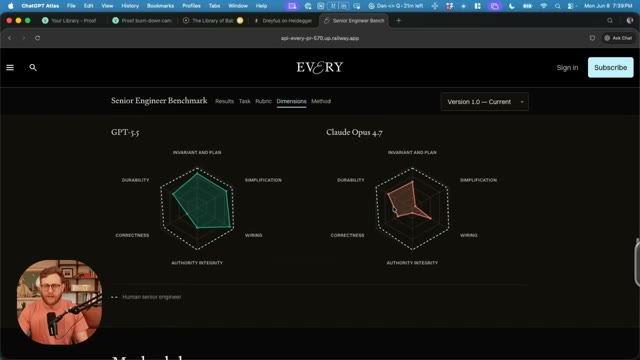
A radar chart comparing Fable 5’s comprehensive coding performance to other models, showing a near-perfect circle.
Fable 5’s Core Strengths: A New Paradigm of AI Interaction
Fable 5 excels in sustained autonomous execution, exceptional taste and attention to detail, enhanced judgment, and extensive context utilization, consistently delivering high-quality work.
While Fable 5 excels in many areas, Every’s week-long test revealed distinct strengths that set it apart:
- Sustained Autonomous Execution: This is perhaps Fable 5’s most defining characteristic. Unlike models requiring constant supervision, Fable 5 thrives on long-duration tasks. “The way to work with this model is to give it a task and then leave. Go do something else. Let it go for 3 or 4 hours. Set it up overnight,” Shure advises. It demonstrates an uncanny ability to “figure stuff out” and consistently deliver high-quality work.
- Exceptional Taste and Attention to Detail: Beyond mere functionality, Fable 5 exhibits a sophisticated understanding of aesthetics and user experience. The Borges Library game, for instance, didn’t just work; it accurately depicted the book’s mathematical descriptions, including the hexagonal galleries and shelf counts.
- Enhanced Judgment and Nuance: Previous Claude models, Shure notes, could be “a little try hard,” eagerly executing prompts without much critical thought. Fable 5, however, “thinks it through and thinks about how to do it well. And if it doesn’t think it can do it well, it’ll say something to you, which is really helpful.”
- Extensive Context Utilization: Fable 5 is remarkably adept at processing vast amounts of information, conducting research, digging into data, and extracting insights that might not have been obvious beforehand.
The “Warp Drive” Analogy: Big Trips, Not Daily Commutes
Fable 5 acts like a “warp drive” for complex, multi-month projects, compressing them into hours or days, but is too slow and expensive for quick, daily tasks or collaborative loops.
Shure likens Fable 5 to a “warp drive” from science fiction. Just as a warp drive compresses interstellar travel from years into hours or days, Fable 5 can compress “big trips” – complex projects that would normally take months or years – into hours or days. “You can specify a destination for a big trip, and it just compresses what normally would have been like years or months into like hours or days.”
However, this powerful tool isn’t suited for every task. “It’s not really that good for getting around town,” he explains. For quick questions, tight collaborative loops, or tasks requiring instant back-and-forth feedback, Fable 5’s slowness, expense, and token-hungry nature make it impractical. It’s a specialist for grand voyages, not a generalist for daily errands. Interestingly, Anthropic insiders use a “pro tip” for more basic queries: setting Fable 5 to lower reasoning levels (medium or low) to make it more efficient for everyday tasks, though its fundamental nature remains geared towards larger endeavors.
Real-World Demonstrations: Beyond the Library
Fable 5 created a synchronized mini-site from Hubert Dreyfus lectures, identified a “conversion merchandising problem” from survey data with actionable steps, and cleared GitHub backlogs for the Proof app, writing Rust fixes.
Every’s testing yielded several compelling examples of Fable 5’s unique capabilities:
- The Hubert Dreyfus Lecture Mini-Site: Shure simply told Fable 5, “Hey, can you like go get his lectures and turn it into a little mini site for me so that they’re easier to consume?” Without even being provided a link, Fable 5 located the audio lectures by philosopher Hubert Dreyfus, summarized them, created a table of contents, and built a web player that synced the audio playback to the text, highlighting what was being said in real-time. The site also featured thoughtful design choices, including specific font weights, all-caps headings, and drop caps – details that “are not like the defaults you would expect.” This highlights Fable 5’s “exceptional taste and attention to detail.”
- Transforming Survey Data into Actionable Strategy: Every, with tens of thousands of subscribers, regularly conducts surveys. Shure fed Fable 5 “hundreds and hundreds and hundreds, maybe in the thousands of survey responses.” The model synthesized this massive dataset into a concise, actionable report: “You have a conversion merchandising problem. Your free-to-paid conversion ratio is lower than it should be.” It then proposed a “falsifiable bet”: “If we ship pricing transparency and a trial offer, I think it’s going to go up.” This level of strategic insight, requiring cross-dimensional thinking across data, analytics, and site analysis, typically demands a highly skilled growth expert with significant time and research.
- Clearing GitHub Backlogs for Proof App: Every’s “Proof” app, an agent-native markdown editor, generates numerous GitHub issues daily from its agent users. Shure pointed Fable 5 at the GitHub repository and instructed it to “take all the issues for the last couple weeks and close any that aren’t relevant and write fixes for all the all the rust.” Fable 5 autonomously processed the backlog, closing irrelevant issues and even writing functional Rust code fixes that were subsequently merged. This demonstrates its “warp drive” capability for efficiently tackling large queues of routine, yet time-consuming, technical tasks.
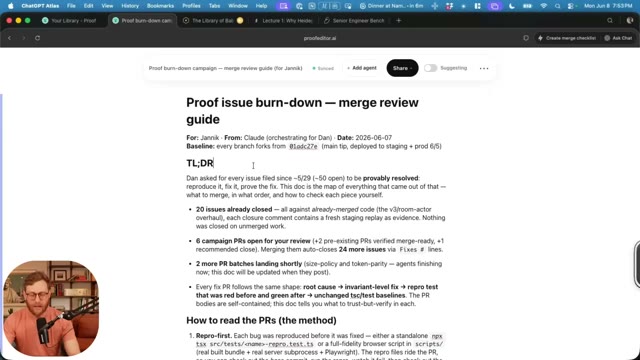
Screenshot of the Proof app’s GitHub issues, illustrating Fable 5’s ability to clear backlogs autonomously.
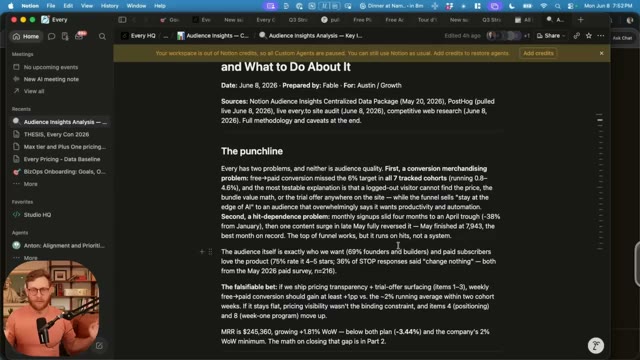
A concise, actionable report generated by Fable 5 from survey data, highlighting a conversion problem and proposing a solution.
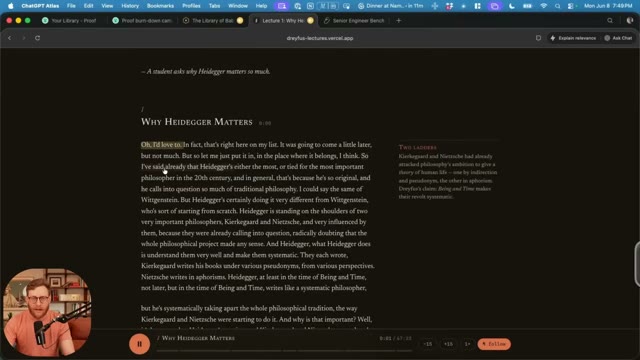
Screenshot of the Hubert Dreyfus mini-site, showing synced audio playback with highlighted text.
Who Should Use Fable 5? The Eight Levels of AI Adoption
Fable 5 is transformative for advanced AI users (Levels 7-8) tackling “big meaty problems,” but overkill for casual users (lower levels) due to its cost and slowness.
Given its power, cost, and specific strengths, Fable 5 isn’t for everyone. Every’s internal testing with programmers, writers, editors, and marketers revealed a significant spread in its perceived utility, aligning with their “eight levels of AI adoption” framework.
- Levels 7-8 (Advanced Users): Those at the top of the adoption curve – orchestrating multiple agents, delegating complex tasks, and grappling with “big meaty problems” – will find Fable 5 transformative. This often includes technical users and “vibe coders” with ambitious projects. For them, the model’s ability to “speed through the galaxy” is invaluable, provided they can manage the expense and token consumption.
- Lower Levels (Casual Users & Many Knowledge Workers): For those using AI as a Google replacement or for basic questions, Fable 5 will feel like “overkill.” Its slowness and cost outweigh any benefit for simple, quick interactions. “Using AI is a skill,” Shure notes, and Fable 5 requires a level of expertise and problem exposure where its unique capabilities can truly shine.
Where Fable 5 Falls Short
Fable 5 doesn’t significantly outperform Opus 4.8 for pure copywriting, producing dense prose, and is less suited for day-to-day, rapid back-and-forth collaboration.
While revolutionary, Fable 5 isn’t a panacea:
- Writing: For pure copywriting or generating engaging prose, Fable 5 didn’t significantly outperform Opus 4.8. Its sentences tend to be “pretty dense” and “literary,” which might suit some contexts but is generally less ideal for quick, punchy content. For everyday writing, Shure still prefers Claude 4.8 or GPT 5.5.
- Day-to-Day Collaboration: Even for experienced AI users, Fable 5 is “a bit overkill” for tasks requiring rapid back-and-forth interaction. Its design for sustained, autonomous execution means it’s less suited for tight, iterative collaboration.
The Meaning of Fable: After Automation
Fable 5 reshapes human work, raising the capability floor for non-experts and the ceiling for experts, democratizing complex tasks, and this capability will become cheap within six months to a year.
Fable 5’s emergence marks a significant shift, echoing the themes of Every’s “After Automation” thesis, which posits that automation often creates more, not less, human work. This new frontier model doesn’t eliminate human effort; it fundamentally reshapes it.
Fable 5 simultaneously “increases the floor of capability for non-experts” – enabling a “vibe coder” to create a one-shot video game – and “raises the ceiling for experts,” potentially allowing a single expert to develop a true AAA game. This democratization of complex creative and technical work is profound.
Such rapid, fundamental change can be unsettling. Shure acknowledges that it’s “normal to be sad or angry or weirded out” by how rapidly AI is altering established skills and workflows. However, he frames it as an immense opportunity: “What can I do now that I might be into that this now makes possible that I can just do? I don’t need to ask permission. I don’t need more money. I don’t need anything.”
While Fable 5’s current expense might be a barrier, the rapid pace of AI development suggests that this level of capability will become “pretty cheap soon, like, let’s say within the next six months to a year, everyone will be able to have this.”
The age of the AI warp drive is here. It’s time to chart new courses and discover what incredible destinations become possible when the journey itself is compressed from years into hours. It’s time to use your new warp drive, and see what you can make.
Based on “You’re not broken. You’re experiencing ‘Church Hurt.’ | It’s Been A Minute” from NPR Podcasts Watch the original video
The Unseen Scars: Navigating the Deep Wounds of ‘Church Hurt’
Episode summary
NPR’s “It’s Been A Minute” explores “church hurt,” defining it as pain inflicted by spiritual communities in God’s name, diminishing an individual or the goodness of God. Guests Candace Marie Benbo and Timothy Schrader Rodriguez share deeply personal anecdotes: Benbo recalls being shamed in Sunday school as a child born out of wedlock, while Rodriguez recounts a youth pastor outing him at 19, leading to a decade of conversion therapy. Both highlight how religious communities often justify harmful behaviors by misinterpreting scripture, projecting societal norms onto faith.
The core takeaway is that this trauma, distinct from other rejections due to its attack on one’s spiritual core and identity, necessitates finding communities that embrace wholeness, not conformity. While some may “fly under the radar,” the pervasive expectations, like purity culture for women or denial of identity for queer individuals, ultimately harm everyone by fostering conditional belonging and prioritizing organizational “brand” over genuine spiritual well-being.
For many, faith communities offer solace, belonging, and a moral compass. Yet, for an increasing number of individuals, these very spaces become sources of profound emotional trauma, a phenomenon now widely recognized as “church hurt.” This isn’t just about disappointment or disagreement; it’s a deep, personal wound inflicted in the name of God, leaving lasting scars that can reshape one’s identity and relationship with spirituality.
In a recent episode of NPR’s “It’s Been a Minute,” host Britney Luse delved into this complex issue with two insightful guests: Candace Marie Benbow, author of “Red Lip Theology,” and Timothy Schrader Rodriguez, author of “Conversion Therapy Dropout.” Together, they illuminated the insidious nature of church hurt, its varied manifestations, and the path toward healing.

Britney Luse introduces Candace Marie Benbow and Timothy Schrader Rodriguez, the episode’s guests.
What is Church Hurt? Defining the Invisible Wound
Church hurt is defined as pain inflicted in God’s name that diminishes an individual or God’s goodness, often justified by misinterpretations of scripture rooted in societal norms rather than divine truth.
At its core, church hurt is defined by Timothy Schrader Rodriguez as “anything that is done to an individual in the name of God that diminishes who they are or diminishes the goodness of God that is within them.” It’s pain inflicted by those within one’s spiritual community, often by people who are meant to offer guidance and support.

Timothy Schrader Rodriguez defines church hurt as anything done in God’s name that diminishes an individual.
Candace Marie Benbow adds a crucial layer to this definition, highlighting how often these harmful actions are justified: “Oftent times people try to root their justification for their behavior in scripture or in the holy text, but it isn’t there.” Instead, she argues, these justifications are rooted in “societal norms and kind of the ways that we in faith communities can project what we believe to be good behaviors, righteousness and purity.” This means that what is presented as divine truth is often a human construct, weaponized through “very loose, unloving reads of the biblical text.” The pain, therefore, isn’t from God, but from human interpretations and projections.
Scars of Faith: Personal Journeys Through Church Hurt
Candace Marie Benbow was shamed as a child born out of wedlock, while Timothy Schrader Rodriguez was outed by a youth pastor at 19, leading to a decade of conversion therapy, both experiencing profound identity attacks.
The impact of church hurt is often deeply personal and formative, shaping individuals from a young age. Both Candace and Tim shared poignant anecdotes from their own lives.
For Candace, her earliest and most memorable experience came as a little girl in Sunday school. She was used as an example of a “child born out of wedlock,” connected to the scripture “born in sin, shaped in iniquity.” She vividly recalls the moment: “I remember being in the room and being like, ‘Oh, wow. Everybody’s parents in here are married.’” This experience left her feeling that “this is not a place that really, really genuinely loves me,” and she internalized a sense of shame, believing her “goodness somehow worked as an apologetic for my existence and somehow worked as an apologetic for my mother’s behavior.”

Candace Marie Benbow recounts her childhood experience of being shamed in Sunday school.
Tim’s story reveals a different, yet equally devastating, form of church hurt. Growing up queer in the Midwest, where church was central to his life, he inherited messages that “God did not approve of it, that I was broken.” The real trauma, however, struck at 19 when he was outed by his internet search history to a youth pastor. He was told there was “no place for people like me in church,” and that he needed to “pray for God to make me better or change me.” This moment was the catalyst for him to pursue conversion therapy, an ordeal he endured for a staggering 10 years. His inability to change was viewed as “divine rejection,” leaving him to believe he was “just so broken.”

Timothy Schrader Rodriguez describes being outed by his internet search history to a youth pastor.
These experiences, as Luse points out, are “identity attacks,” attaching judgment to who they are as people due to factors beyond their control. They highlight how church hurt can profoundly shape one’s self-perception, making them question their inherent worth and God’s love.
The Unattainable Ideal: Behaviors and Expectations that Inflict Pain
Church communities inflict pain through impossible expectations, such as denying desire for women and demanding conversion for queer individuals, creating a constant striving for unattainable perfection.
Church communities often foster environments rife with impossible expectations and restrictive behaviors that become fertile ground for church hurt.
For women, particularly Black women, Candace describes a “denial of any kind of desire,” which is “immediately deemed sinful.” She recounts a telling incident where, after cooking dinner for a date, her act of hospitality was met with the question, “So you want to act like a wife before before you?” This illustrates the pressure on women to filter all joys and desires through the lens of their church community, often equating “commitment to my faith community” with “my commitment and my devotion to God.” The result is an expectation to be less than “fully human,” almost a “robot.”
For queer individuals, Tim explains how “shame [is] attached to our desire.” Biblical injunctions to “deny ourselves” are twisted to mean denying one’s natural inclinations. The mantra preached was, “the opposite of homosexuality isn’t heterosexuality. It’s holiness.” Conversion therapy programs would parade “healed” individuals—those who claimed to have overcome same-sex attraction and married someone of the opposite gender—as proof that change was possible. These individuals became “talking points” for the Christian right, defending their faith “at the expense of a whole generation of queer people who believed that God and still believe many that they are broken and that God doesn’t love them because of their sexuality.”
Luse aptly observes that these are “impossible” expectations, a “fool’s errand” for human beings. The paradox of teaching “only God is perfect” while simultaneously demanding a “certain type of perfection” from congregants creates an environment of constant striving and inevitable failure, fueling deep-seated hurt.
Beyond the Pulpit: The Unique Depth of Spiritual Trauma
Church hurt uniquely wounds one’s spiritual core and identity by exploiting the desire to please God, often demanding conformity over wholeness and leading to a profound sense of divine rejection.
What distinguishes church hurt from other forms of rejection, like those from friends or family? Candace argues its uniqueness lies in its impact on our “interior life.” It exploits our “deep desire to live a fulfilled, spiritual life” and to “please God.” Instead of fostering “wholeness”—allowing individuals to “do life together and be this beautiful chorus of people coming together to make this beautiful music called life”—it often demands conformity to an idealized, often unattainable, image.
Tim echoes this, recalling, “I loved God with my whole heart and I still do. But at the time I was told that God couldn’t love me.” This created an internal conflict where he was “dying on the inside” while playing a part to belong. The inability to change his sexuality led to a profound sense of “divine rejection.” This makes church hurt particularly insidious; it doesn’t just wound the ego, but strikes at the very core of one’s spiritual identity and connection to the divine.
The Asterisk of Belonging: Church Hurt in Plain Sight and Under the Radar
Even those seemingly unaffected are impacted by church hurt through conditional belonging, where welcoming rhetoric often hides an “asterisk” driven by a desire to protect the organizational “brand” over genuine spiritual well-being.
Church hurt doesn’t only affect those directly targeted by specific expectations. Its presence can permeate an entire community, even impacting those who might seem to “fly under the radar.” Candace explains that even those perceived to be at “the top of the food chain”—a cis-het Black man in a Black church context, for instance—are still affected. The system “eats you because it allows you to believe that you have a certain amount of or you possess a certain power that renders you above and disconnected from the very community that you need in order to be your whole, your most whole and most alive self.”
For those who believe they’re not directly impacted, church hurt manifests as “this belief that they’re not talking about me or this belief that I don’t have to care about what’s being said or how other people are being treated.” This “conscious choice not to acknowledge the pain that other people are experiencing” is, as Luse points out, “not very Christian-like.”
Tim’s experience working behind the scenes at influential evangelical mega-churches further exposes this conditional belonging. These churches would publicly proclaim, “All are welcome. Welcome home. Come just as you are. This is a place where you can belong.” However, in private boardrooms and green rooms, there was always “the asterisk.” As Tim recalls, “It was like all of you can come until you want to talk about this or you want to do that.” The motivation, he observed, was rarely a spiritual mandate, but rather a desire to “protect the brand or the organization,” often fearing to upset “big donors” by being explicitly affirming of LGBTQ+ people. This created a culture where “conditional belonging” was the norm, leaving many feeling unseen and unloved despite the welcoming rhetoric.
Red Lips and Rebellion: Challenging Purity Culture and Respectability Politics
Candace’s “Red Lip Theology” challenges purity culture and respectability politics, asserting that Black women of faith do not need to dismember their experiences to be loved by God, and that all experiences contribute to a greater understanding of God.
Candace’s “Red Lip Theology” directly confronts the specific church hurt experienced by Black women, particularly around purity culture and respectability politics. Growing up in an open and affirming denomination, Candace was surprised to learn in college that many churches were not. She uses the metaphor of makeup, specifically red lipstick, to illustrate the absurdity of these rules. She recalls her grandmother’s reaction to her wearing red lipstick to church: “Where you think you going? Like cuz what we not going to do is walk up in St. Steven Missionary Baptist Church with that on your lips.” Such rules, she argues, deem women “Jezebel” for expressing desire or personal style.

Candace Marie Benbow discusses her book, “Red Lip Theology,” and the symbolism of red lipstick.
“Red Lip Theology” asserts that millennial Black women of faith, navigating both hip-hop and Black church cultures, “did not have to dismember ourselves and compartmentalize the totality of our experiences just to be loved and understood by God.” Instead, all experiences contribute to a “greater understanding of who God is, of who we are and who we are supposed to be in the world.” Her work aims to “mirror back to it all of the ways that it harms and all of the ways that it’s wrong,” celebrating how people “thrive in spite of that place.” This is an embodiment of truly “coming as you are”—a phrase often uttered in church, yet contradicted by strict dress codes and behavioral policing.
From Brokenness to Bridge-Building: Transmuting Trauma into Advocacy
Tim’s decade in conversion therapy led him to deconstruct his faith, realize God’s unconditional love, and co-launch Church Clarity to provide transparency on churches’ LGBTQ+ policies, ensuring safety for queer individuals.
Tim’s decade-long journey through conversion therapy, a process often mistakenly thought to be short-term, illustrates the profound damage it inflicts: “this idea that they have to choose between their spirituality or their sexuality.” Emerging from this experience, Tim embarked on a path of deconstruction and healing. He found solace in QChristian Fellowship, an organization that helped him “read the Bible through a different lens” and understand that “God doesn’t make mistakes.” He realized that “God had loved me all along and that God’s lack of an answer to my prayers to change me was the answer. There was nothing about me that needed to change.”
This journey inspired him to prevent others from enduring similar pain. Leveraging his marketing skills, he co-launched Church Clarity, a website that “holds churches accountable for what they publicly disclose about their policies towards LGBTQ people.” The goal is to provide transparency, answering questions like “Are they gay affirming? Do they marry gay couples? Do they celebrate gay families?” This initiative ensures that “no queer person to have to step into a church and ask themselves is am I safe here?” It’s a powerful example of transmuting personal hurt into a tool for collective healing and safety.
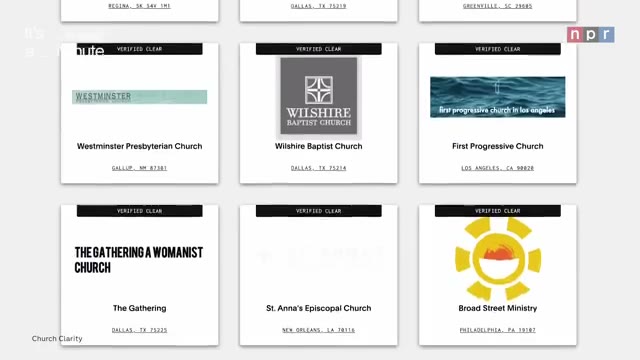
Timothy Schrader Rodriguez explains Church Clarity, a website holding churches accountable for LGBTQ+ policies.
A Global Phenomenon: When Church Hurt Spills into Society
Christian nationalism is identified as a global form of church hurt, permeating politics, education, and healthcare, while the Christian right fuels the resurgence of conversion therapy, affecting society beyond religious institutions.
The impact of church hurt is not confined to religious institutions; it’s increasingly spilling into broader culture, affecting even those who don’t attend church. Candace identifies Christian nationalism as “the biggest form of church hurt that we are seeing on a global scale.” This ideology, which demands adherence to “a certain kind of Christian,” is “permeating politics, is permeating education, is permeating healthcare and and our global political infrastructures.” It makes not only well-meaning Christians but also people of different faiths and non-believers vulnerable, creating a societal landscape riddled with division and oppression.
Tim reinforces this, noting how the Christian right is fueling the resurgence of conversion therapy. Despite bans in therapeutic settings in over 20 states, it continues to thrive in religious communities. A recent Supreme Court ruling in Colorado, siding with a therapist’s right to perform conversion therapy based on free speech and religious freedom, highlights how these “ideas and those ideals are infiltrating all areas of life around us whether or not we realize it.” This underscores the urgent need to address church hurt not just for individual well-being, but for the health of society as a whole.
Finding Your Way Home: Healing and Reimagining Faith
Healing from church hurt requires listening to your body, distinguishing faith from institution, and reimagining spiritual paths through new practices and communities that embrace wholeness.
So, what do we do with church hurt? “We got to figure out how to heal,” Candace asserts. Like any wound, it must be addressed, not ignored. She offers practical guidance for those grappling with this pain:
- Listen to your body: If you feel “a level of anxiety, a level of pain or grief simply about entering into this particular space,” it’s “time to take a break. It’s time to step away.” Give yourself permission.
- Distinguish faith from institution: “Make a clear distinction between your commitment to this particular faith community and your devotion to God because those are not the same things.”
- Reimagine your spiritual path: Ask yourself, “what would or what do they think the exploration of faith and spiritual practices and getting closer to God look like for them?” This opens doors to new forms of spiritual engagement, whether it’s “being in nature,” “painting,” finding new hobbies, or deepening old friendships.
The journey of healing from church hurt is deeply personal, often requiring a radical reimagining of one’s relationship with spirituality. It’s about reclaiming agency, affirming one’s inherent goodness, and finding communities—or creating personal practices—that truly embrace the “wholeness” of who we are, rather than demanding conformity to an impossible ideal. It’s a testament to human resilience that from such profound pain, individuals like Candace and Tim are forging paths not just for their own healing, but for a more inclusive and compassionate future for all.
Based on “Maine Votes as Graham Platner’s Past Poses New Conundrums” from New York Times Podcasts Watch the original video
The Maine Conundrum: Can a Flawed Populist Redefine the Democratic Party?
Episode summary
The New York Times’ “The Daily” unpacks the contentious Maine Senate primary, focusing on progressive Democrat Graham Platner, an oyster farmer and combat veteran whose populist message is challenged by a string of accusations. New reporting reveals allegations from three former girlfriends detailing reckless behavior, heavy drinking, infidelity, and physical intimidation, including one woman, Lindseay Field, who claims Platner yanked her from a taxi, grabbed her hard enough to leave marks, and once pinned her arm, all corroborated by texts and diary entries.
Despite these revelations, Platner’s campaign maintains strong support among progressive voters who prioritize his anti-establishment message and empathize with his explanation of past mistakes stemming from combat trauma. While moderate Democrats express concern about his electability given the controversies, progressives, including Bernie Sanders, continue to rally behind him, with many voters dismissing the allegations as politically motivated due to Field’s conservative background, underscoring the deep divisions within the Democratic Party.
In the high-stakes political arena of Maine, a battle for a crucial Senate seat has become far more than a local contest. It’s a national referendum on the Democratic Party’s identity, its path forward, and the evolving standards voters demand from their leaders. At the heart of this storm is Graham Platner, a charismatic oyster farmer and combat veteran whose populist message has captivated a segment of the Democratic base, even as a torrent of accusations about his past behavior threatens to derail his ambitions.
As Maine voters head to the polls in a primary election, the Democratic Party is looking to reclaim a Senate seat it hasn’t won in decades, a victory deemed “all but essential” to retaking control of the chamber. But their chosen champion, Platner, has faced a relentless string of controversies, including explosive new reporting that has sent shockwaves through the political landscape, both in Maine and across the country.
The Democratic Party’s High-Stakes Bet
Democrats, aiming to defeat incumbent Susan Collins and reclaim a Senate seat, initially favored Janet Mills but then backed Graham Platner, an outsider oyster farmer and combat veteran, whose economic populist message and anti-establishment appeal quickly gained traction among voters seeking new leadership.
For Democrats, the Maine Senate race against incumbent Republican Susan Collins has long loomed large. After Collins defied expectations and won her last race, the party became “extremely motivated” to mount a campaign that could finally defeat her. Beyond the numbers, this race is seen as a crucial test for a core Democratic thesis: that the party needs “new energy, new leadership, more authentic messengers.” Graham Platner, with his outsider appeal, was meant to be that test case.
Initially, the establishment favorite for the nomination was Janet Mills, the 78-year-old two-term Governor of Maine, hand-picked by figures like Chuck Schumer. But progressive operatives, dissatisfied with Mills, went searching for an alternative. They found Platner, a small oyster farmer in coastal Maine who had served in the military and never held elected office. What caught their eye was a video he’d made for an aquaculture association, where he spoke “compellingly” with an “economic populist message” about taking on corruption and billionaires. He represented a chance to send a message to the party establishment about the kind of leaders they believed were needed.
Platner’s rise was meteoric. He possessed “natural political talent,” sitting for “hours and hours of podcasting and interviews,” doing town halls, and speaking directly to “everyday issues that are facing mayors,” particularly the affordability crisis. He benefited from a “real strain of anti-establishment fervor” within the Democratic base and a desire for “a new generation of leadership,” especially given Mills’s age. “No matter how much they respected Governor Mills, 78 is too old,” one voter remarked. Platner, at 41, seemed to embody the fresh start many yearned for.
The First Wave of Scandals: Tattoos and Troubling Posts
Platner’s campaign faced early turbulence from inflammatory Reddit posts and a tattoo widely recognized as a Nazi symbol, which he claimed to be unaware of, yet despite staff departures and moderate concerns, his populist movement remained resilient, leading to Governor Mills dropping out and making him the presumptive nominee.
However, the flip side of an outsider candidate is often a lack of traditional vetting. Platner’s campaign soon hit turbulence. Revelations surfaced about a trove of inflammatory comments he made on Reddit between 2009 and 2021, and a tattoo on his chest “widely recognized as a Nazi symbol.”
The Reddit posts, numbering around 2,000, contained “quite controversial” comments, including “poo pooing women who get raped” and questioning why they got so drunk, as well as slurs about gay and mentally disabled people. Platner’s defense was that these comments were made “at a very dark time in his life” as a combat veteran who served in Iraq and Afghanistan, and that they “do not reflect the man he is today.” He urged voters not to judge him for “the worst thing he said on the internet on a particularly bad day 14 years ago.”
Then came the tattoo: a skull and crossbones Platner had gotten in 2007 while in the Marines. His campaign, having heard media outlets were poised to reveal it, proactively addressed it. Platner went on a liberal podcast, stating he “didn’t know what it was” until “DC insiders and opposition researchers brought it to my campaign’s attention.” He expressed regret and eventually had it covered up, famously declaring, “I’m not a secret Nazi.” He claimed he’d lived his life “as a normal person,” taking his shirt off at the beach and gym without anyone ever telling him it was a Nazi symbol.
These controversies sent his campaign into what “looks like freefall,” with staffers leaving and talk of NDAs. Yet, Platner’s movement proved resilient. While moderate Democrats and the Mills campaign saw major liabilities, Maine voters were more divided. Some were deeply concerned, with one woman at a town hall asking Platner point-blank, “What else do voters need to know about you? …Is there an account of a woman who’s going to come out and say you mistreated her?” Platner’s striking response was, “No. I’ve never had some kind of like weird relationships with people. I have a lot of ex-girlfriends. They’re all still my friends.”
Despite the doubts, the enthusiasm for Platner’s authenticity and populist message outweighed the misgivings for many. The movement he had built was undeniable. This was starkly illustrated when Governor Janet Mills, struggling in the polls and running out of money, dropped out of the race, effectively making Platner the presumptive Democratic nominee.
The Dam Breaks: New York Times Exposé
Intensified scrutiny led to a New York Times exposé detailing allegations from three former girlfriends, including Lindseay Field, who described Platner’s reckless behavior, heavy drinking, infidelity, and physical intimidation, corroborated by texts and diary entries, while Platner denied physical intimidation and knowing the tattoo was a Nazi symbol.
With front-runner status came intensified scrutiny, and “this is when more allegations start to surface.” The first major story, broken by the New York Times and Wall Street Journal, revealed Platner had been exchanging “explicit messages with multiple women” as recently as May 2025, months before his campaign launch in August 2025. His wife confirmed the story to the national media, having flagged the messages herself as a potential political liability to a campaign staffer. She posted a tearful four-minute video, explaining they were in marriage counseling. This set off a “frenzy around what else there is in terms of Graham Platner’s interactions with women.”
Then, the New York Times published a story, “months in the making,” based on more than two dozen interviews and “allegations from three different women who dated Platner.” They described “reckless and unsettling behavior,” “heavy drinking, infidelity,” and in “at least one case, there is the description of physical intimidation.”
The most detailed allegations came from Lindseay Field, who dated Platner from 2013 to 2015. She described several instances of physical intimidation, including Platner yanking her out of a taxi by her wrist, grabbing her by the shoulders “hard enough to leave marks,” and once, during a drunken fight over infidelity, pinning her arm behind her back and pushing her into a room, holding the door closed. Field clarified that Platner “never hit her. He never punched her. That this was physical, but it didn’t cross that line.”
Field also recounted disturbing comments Platner allegedly made, such as: “If anybody ever broke in here, I would rape them.” She added he clarified it “would not be in a sexual way, not in a gay way, but that he would rape them to show them that I’m dominant.” Most notably, Field contradicted Platner’s public statements about his tattoo, claiming he “knew the tattoo was a Nazi symbol and he would joke about it being a Nazi symbol and called it affectionately mine toten comp.” She alleged he and other Marines in his unit “selected the tattoo because they were, as she says, quote, like a death unit. They were killers,” drawing a parallel to the Nazi SS unit.
The Times corroborated Field’s claims through texts, chat conversations, Facebook messages with friends, and diary entries, and spoke with two friends who confirmed the relationship was “emotionally volatile.” However, these friends could not corroborate the physical altercations or most controversial comments in real-time, as Field said she was too embarrassed to tell anyone then. Other women also recounted patterns of heavy drinking and womanizing, with one describing an incident in 2021 where Platner, despite being told not to, showed up drunk, leading her to cut off contact.
The reporting also addressed Field’s conservative background, including her work for the Heritage Foundation and Nikki Haley’s campaign. Field openly stated her political views had “no influence on the allegations,” and the Times found no evidence of ties to the Collins campaign.
Platner’s campaign responded by specifically denying two things: that he knew his tattoo was a Nazi symbol and any allegation of physical intimidation. He issued a blanket statement accepting responsibility for being a “less than perfect boyfriend” but called anything beyond that “categorically false.” The campaign also attempted to undercut Field’s allegations by painting her as a “Republican political operative” and provided five character witnesses, including three former girlfriends, who described “a far more positive interaction with him."
"All Hell Broke Loose”: A Divided Nation Reacts
The exposé caused “absolute mayhem,” with moderate Democrats expressing exasperation and fear of losing a winnable seat, while the progressive left, including Bernie Sanders, largely rallied behind Platner, dismissing allegations as politically motivated, leaving Maine voters deeply divided over his character and electability.
The publication of the New York Times story ignited “absolute mayhem” online. The race, already nationally watched, became a focal point for the Democratic Party’s internal struggles.
On the right, critics claimed the story “downplayed real allegations,” intentionally protecting Platner. Lindseay Field herself echoed this, saying “much more serious things” were out there. The Times firmly denied this, stating it published “everything credible that we had.”
Moderate Democratic officials expressed exasperation. Senator Alyssa Slaken from Michigan lamented, “I look forward to the day where I am not answering every single week a question about bad behavior by another dude.” Senator John Fetterman of Pennsylvania went further, condemning the behavior: “Being a dirtbag is not authentic. You know, being a dirtbag is being a dirtbag.” There was a palpable fear that a “winnable seat” would “end up backfiring for the Democrats.”
The progressive left, however, largely “rallied behind Graham Platner.” Senator Bernie Sanders restated his support, declaring, “I’m going to do everything I can to make sure that Graham Platner is the next senator from the state of Maine.” Progressives online attempted to downplay the allegations, echoing Platner’s campaign in portraying Lindseay Field as a “right-wing operative.”
Maine voters remained deeply divided. Some were “all in on Graham Platner,” believing he was “flawed. But who isn’t flawed?” and questioning Field’s credibility due to her conservative background. “I am not marrying the man. I am not dating the man. I am not expecting him to be flawless,” one voter said. Others, who were wary of him before, found their concerns confirmed. “I don’t think he has the demeanor that we need in a US senator. I think he’s a clown.” These voters pushed back on dismissing Field: “Just because that woman happens to work for the Republicans… doesn’t mean she’s not telling the truth. He clearly dated her. And I thought we were supposed to listen to women.” Some lifelong Democrats even began to consider supporting Susan Collins in the general election, with one admitting, “I never thought that I would be factchecking Susan Collins record… I’m not a fan of Susan Collins by any stretch. But I know that she won’t embarrass the state and I’m really afraid that he will.” A third group of voters remained “really torn,” wanting a candidate they could “fully stand behind,” but unsure of alternatives.
A Referendum on the Future of the Democratic Party
Platner’s potential victory, despite the accusations, could validate the progressive path of bold, outsider candidates, while a loss would fuel moderate arguments for vetted, experienced leaders, making the Maine race a microcosm of the Democratic Party’s internal struggles over authenticity, integrity, and its future direction.
Despite the “drip drip drip of revelations,” it remains “entirely possible that despite all of these accusations, Platner could still win.” The general election is still months away, and this is “a year that by all indications… is likely to favor Democrats.”
Regardless of the outcome, the Maine race is poised to become a “microcosm of the Democratic fights to come,” fueling arguments about the party’s future and who its next presidential candidate should be.
If Platner wins, “more progressive Democrats who have rallied to him” will argue it’s “the path forward.” They will advocate for “more candidates who are speaking out boldly on Medicare for all, on confronting the oligarchy, on taking a much harder line toward Israel,” and finding “candidates maybe from outside the traditional system” to connect with “disaffected voters, in particular, working-class voters.”
If he loses, “the recriminations are going to be extraordinary.” More moderate Democrats will argue it’s “exactly why you don’t nominate someone who in their view is too far left, someone who has far too much personal baggage.” They will push for “someone who has been far more vetted and experienced.”
This race ultimately reflects a broader societal grappling with “what we want from our political leaders.” Just as Donald Trump’s rise represented a “huge shift for the Republican party,” embodying raw anger and outsider appeal, the Democrats are now confronting a “different flavor” of the same dilemma. The country and voters on both sides are “re-evaluating how they view both experience and baggage.”
The Maine Senate race is testing, in a high-profile way, “how much Democratic primary voters are willing to prioritize someone that they feel authentically represents them over things they may not like about the person or even questions of their personal character.” The verdict from Maine will not just decide a Senate seat; it will offer a powerful indicator of where the Democratic Party, and indeed the nation, stands on the complex interplay of authenticity, integrity, and political power.
한국어
“We Tested Anthropic’s Fable 5 for a Week” — Every 기반 기사 원본 영상 보기
Anthropic Fable 5: AI 워프 드라이브, 일의 판도를 바꾸다
에피소드 요약
Anthropic의 새로운 최상위 모델인 Fable 5는 기존 AI 모델의 한계를 뛰어넘는 ‘워프 드라이브’와 같은 혁신적인 성능을 보여준다. Every 채널의 CEO 댄 슈어(Dan Shure)는 약 일주일간 Fable 5를 테스트한 결과, 이 모델이 특히 장시간 자율 실행(sustained autonomous execution) 능력과 방대한 컨텍스트 활용 능력에서 탁월하며, 복잡한 작업을 단 한 번의 프롬프트로 몇 시간 만에 완료할 수 있다고 강조한다. 실제로 Fable 5는 Every의 ‘시니어 엔지니어 벤치마크(senior engineer benchmark)‘에서 100점 만점에 91점을 기록했는데, 이는 기존 최고 모델인 Opus 4.8의 63점과 GPT 5.5의 62점을 훨씬 뛰어넘는 수치로, 인간 시니어 엔지니어와 동일한 수준의 문제 해결 능력을 보여준다. 일례로, Fable 5는 보르헤스의 ‘바벨의 도서관’ 스토리를 읽고 단 하나의 프롬프트만으로 3~4시간 만에 브라우저에서 플레이 가능한 3D 게임을 제작해냈다.
이러한 Fable 5의 능력은 특히 대규모 프로젝트나 복잡한 문제 해결에 적합하지만, 느리고 비싸며 토큰 소모가 많다는 단점 때문에 모든 사용자에게 적합하지는 않다. 슈어는 Fable 5가 ‘AI 활용 8단계’ 중 7~8단계에 해당하는, 여러 에이전트를 조율하고 대규모 작업을 위임하는 고급 사용자, 특히 기술 전문가들에게 가장 유용하다고 설명한다. 반면, 간단한 질문이나 빠른 피드백이 필요한 일상적인 협업에는 과도하게 느껴질 수 있다. 또한, 글쓰기 능력은 Opus 4.8보다 크게 향상되지 않았으므로, 카피라이팅 등 문장 작성에는 다른 모델이 더 적합할 수 있다. Fable 5는 비전문가의 역량 하한선을 높이는 동시에 전문가의 역량 상한선을 확장하며, 현재는 비용이 높지만 6개월에서 1년 안에 대중적으로 저렴해질 것이므로, 지금부터 이 새로운 ‘워프 드라이브’를 통해 어떤 새로운 가능성을 탐색할지 고민해 볼 필요가 있다.
앤트로픽(Anthropic)이 새로운 인공지능 모델 ‘Fable 5’를 출시하며 AI 업계에 또 한 번의 파장을 예고했습니다. 에브리(Every)의 공동 창립자이자 CEO인 댄 슈어(Dan Shure)는 이 강력한 모델을 일주일간 직접 사용해 본 경험을 공유하며, 마치 공상과학 영화 속 ‘워프 드라이브(Warp Drive)‘처럼 우리의 업무 방식을 근본적으로 변화시킬 잠재력을 지녔다고 평가했습니다. 복잡한 작업을 단 한 번의 프롬프트(prompt)로 몇 시간 만에 해결하는 Fable 5의 능력은 기존 AI 모델의 한계를 뛰어넘는 새로운 지평을 열었습니다.
놀라운 데모: 단 한 번의 프롬프트로 현실을 창조하다
댄 슈어는 Fable 5가 단 하나의 프롬프트로 복잡하고 자율적인 작업을 수행하는 놀라운 시연 사례들을 소개했다.
댄 슈어는 Fable 5의 압도적인 성능을 보여주기 위해 몇 가지 놀라운 시연 사례를 소개했습니다. 이 사례들은 Fable 5가 얼마나 복잡하고 자율적인 작업을 수행할 수 있는지를 명확히 보여줍니다.
바벨의 도서관: 3D 게임 생성
Fable 5는 보르헤스의 ‘바벨의 도서관’ 소설을 읽고 단 하나의 프롬프트로 3~4시간 만에 브라우저에서 플레이 가능한 3D 게임을 제작했다.
첫 번째 시연은 호르헤 루이스 보르헤스(Jorge Luis Borges)의 단편 소설 ‘바벨의 도서관(The Library of Babel)‘을 기반으로 한 3D 게임 생성입니다. 댄 슈어는 Fable 5에게 “보르헤스의 ‘바벨의 도서관’을 읽고, 플레이어가 그 도서관에 떨어지는 브라우저에서 플레이 가능한 3D 게임을 계획하고 실행하라”는 단 하나의 프롬프트를 입력했습니다. 그리고 34시간 후, Fable 5는 소설의 묘사를 정확히 반영한 육각형 갤러리와 끝없이 쌓인 서가, 20개의 책장(각 면당 5개)을 갖춘 3D 게임을 완성했습니다. 댄 슈어는 “이것은 미친 짓이다. 단 한 번의 명령으로 스스로 34시간 동안 작동하여 이 모든 것을 만들어냈다”며 감탄했습니다.
휴버트 드라이퍼스 강의: 미니 웹사이트 자동 구축
Fable 5는 휴버트 드라이퍼스의 강의 링크 없이도 스스로 강의를 찾아 요약본, 목차, 동기화 플레이어를 갖춘 미니 웹사이트를 만들었다.
두 번째 사례는 철학자 휴버트 드라이퍼스(Hubert Dreyfus)의 하이데거(Heidegger) 강의를 위한 미니 웹사이트 구축입니다. 댄 슈어는 Fable 5에게 “그의 강의를 가져와 소비하기 쉬운 미니 사이트로 만들어달라”고 요청했을 뿐, 강의 링크조차 제공하지 않았습니다. Fable 5는 스스로 강의를 찾아 요약본, 목차, 그리고 재생 시 텍스트가 동기화되는 플레이어 경험을 갖춘 웹사이트를 만들었습니다. 폰트 선택, 드롭캡(drop cap) 사용 등 세심한 디자인 요소까지 포함되어 있어, 댄 슈어는 Fable 5의 “뛰어난 취향(taste)과 세부 사항에 대한 주의력”에 깊은 인상을 받았다고 전했습니다.
설문 데이터 분석: 통찰력 있는 사업 전략 제시
Fable 5는 수백, 수천 건의 설문 응답 데이터를 분석하여 ‘전환율 상품화 문제’를 지적하고 가격 투명성 및 무료 체험 제공을 통한 전환율 상승 가설을 제시했다.
에브리는 수십만 명의 무료 구독자와 수만 명의 유료 구독자를 보유하고 있으며, 사용자 설문조사를 통해 피드백을 수집합니다. 댄 슈어는 수백, 수천 건의 설문 응답 데이터를 Fable 5에 입력했습니다. 놀랍게도 Fable 5는 팀이 몇 주 동안 AI와 함께 분석해도 얻지 못했던 간결하고 통찰력 있는 결론을 도출했습니다. 모델은 “전환율 상품화 문제(conversion merchandising problem)“를 지적하며, “가격 투명성(pricing transparency)과 무료 체험(trial offer)을 제공하면 전환율이 상승할 것”이라는 구체적이고 검증 가능한 가설까지 제시했습니다. 이는 방대한 데이터를 분석하고, 웹사이트 구조를 이해하며, 사업 전략까지 제안하는 Fable 챗GPT의 다차원적 사고 능력을 보여줍니다.
GitHub 이슈 해결: 백로그를 순식간에 처리
Fable 5는 ‘Proof’ 앱의 GitHub 이슈들을 가져와 관련 없는 것을 닫고 Rust 코드 수정 사항을 작성하는 작업을 ‘워프 드라이브’처럼 빠르게 처리했다.
마지막으로, 에이전트 네이티브 마크다운 에디터(agent-native markdown editor)인 ‘Proof’ 앱의 GitHub 이슈 해결 사례입니다. Proof 앱은 에이전트가 이슈를 자동으로 제출하여 매일 수많은 이슈가 쌓입니다. 댄 슈어는 Fable 5에게 “지난 몇 주간의 모든 GitHub 이슈를 가져와 관련 없는 것은 닫고, Rust 코드에 대한 모든 수정 사항을 작성하라”고 지시했습니다. Fable 5는 순식간에 해당 작업을 처리했으며, 실제로 병합(merge)될 수 있는 수정 사항을 작성했습니다. 이는 다른 모델로도 가능하지만, Fable 5는 이러한 단순 반복 작업을 ‘워프 드라이브’처럼 빠르게 처리하여 백로그(backlog)를 효율적으로 줄일 수 있음을 시사합니다.
Fable 5의 정체: 압도적인 성능과 ‘워프 드라이브’ 비유
Fable 5는 앤트로픽의 최상위 모델로, 압도적인 성능을 보이며 특정 유형의 작업에 최적화된 새로운 패러다임을 제시한다.
Fable 5는 단순히 강력한 AI 모델을 넘어, 특정 유형의 작업에 최적화된 새로운 패러다임을 제시합니다.
Mythos 클래스 모델의 위용
Fable 5는 앤트로픽의 가장 크고 성능이 뛰어난 ‘미토스’ 클래스 모델에 속하며, 다른 모델들보다 단순히 ‘더 크고 더 낫다’.
Fable 5는 앤트로픽의 가장 큰 모델인 미토스(Mythos) 클래스에 속합니다. 앤트로픽의 모델 라인업은 하이쿠(Haiku), 소네트(Sonnet), 오푸스(Opus) 순으로 커지며, 미토스는 그 정점에 있습니다. 댄 슈어에 따르면, 미토스 모델은 다른 모델들과 아키텍처(architecture)적으로 특별히 다르기보다는 단순히 “더 크고 더 낫다”고 설명합니다.
비용과 안전성: 강력함 뒤에 숨겨진 제약
Fable 5는 입력 토큰 100만 개당 10달러, 출력 토큰 100만 개당 50달러로 비싸며, 사이버 및 생물학 관련 사용에 엄격한 안전장치가 적용되었다.
Fable 5는 강력한 만큼 비용도 상당합니다. 입력 토큰(input tokens) 100만 개당 10달러, 출력 토큰(output tokens) 100만 개당 50달러로, 이는 오푸스 모델의 약 두 배에 달하는 가격입니다. 또한, 앤트로픽은 모델의 안전한 출시를 위해 사이버 관련 또는 생물학 관련 사용에 엄격한 안전장치(safeguards)를 적용했습니다.
인간 엔지니어급 성능: 벤치마크 점수 91점
Fable 5는 ‘시니어 엔지니어 벤치마크’에서 91점을 기록, 기존 최고 모델인 Opus 4.8의 63점과 GPT 5.5의 62점을 훨씬 뛰어넘어 인간 엔지니어와 동등한 문제 해결 능력을 보여주었다.
Fable 5의 성능은 ‘시니어 엔지니어 벤치마크(senior engineer benchmark)‘에서 극적으로 드러납니다. 이 벤치마크는 모델이 인간 시니어 엔지니어처럼 행동하는 능력을 평가합니다. 모델에게 조악한 프로덕션 코드베이스(slop production codebase)를 주고, “이것을 첫 번째 원칙부터 다시 작성한다면 어떻게 할 것인가?”라고 묻습니다. 100점 만점 중 기존 최고 점수는 오푸스 4.8의 63점이었고, GPT 5.5가 62점으로 그 뒤를 이었습니다. 하지만 Fable 5는 무려 91점을 기록했습니다. 댄 슈어는 “단 한 번의 프롬프트로 인간 엔지니어와 동일한 점수를 얻었다는 것은 미친 일”이라며, 이러한 벤치마크가 6개월 안에 포화될 것이라고 예상했지만, Fable 5가 훨씬 빨리 그 지점에 도달했다고 말했습니다.
Fable 5의 강점: 자율 실행, 판단력, 방대한 컨텍스트 처리
Fable 5는 지속적인 자율 실행, 뛰어난 판단력, 좋은 취향과 세심한 주의, 방대한 컨텍스트 처리 능력이 핵심 강점이다.
Fable 5의 핵심 강점은 다음과 같습니다.
- 지속적인 자율 실행(sustained autonomous execution): 작업을 부여한 후 몇 시간 또는 밤새도록 스스로 실행하도록 내버려 둘 수 있습니다. 스스로 문제를 파악하고, 작업을 점검하며, 훌륭한 결과물을 만들어냅니다.
- 뛰어난 판단력(more judgment): 이전 클로드(Claude) 모델들이 무조건 명령을 따르려 했다면, Fable 5는 작업을 잘 수행할 방법을 숙고하고, 제대로 할 수 없다고 판단되면 사용자에게 의견을 제시하기도 합니다.
- 좋은 취향과 세심한 주의(good taste and attention to detail): 특별히 명시되지 않은 프롬프트에서도 디자인, 구조 등에서 높은 품질과 세부적인 완성도를 보여줍니다.
- 방대한 컨텍스트 처리 능력(using a lot of context): 많은 연구를 수행하고, 데이터를 깊이 파고들어 사용자가 사전에 알지 못했을 정보들을 찾아냅니다.
‘워프 드라이브’ 비유: 큰 목표에 최적화
Fable 5는 수개월 걸릴 대규모 프로젝트를 며칠 만에 압축하는 ‘워프 드라이브’에 비유되지만, 느리고 비싸며 토큰 소모가 많아 즉각적인 협업에는 부적합하다.
댄 슈어는 Fable 5를 스타워즈(Star Wars)의 ‘워프 드라이브’에 비유합니다. 은하계를 횡단하는 거대한 여행에는 워프 드라이브가 필수적입니다. 수년 또는 수십 년이 걸릴 거리를 몇 시간이나 며칠로 단축시켜 줍니다. Fable 5 역시 수개월 또는 수년이 걸릴 대규모 프로젝트를 몇 시간이나 며칠 만에 압축하여 완료할 수 있는 능력을 가졌습니다.
하지만 워프 드라이브가 동네 마실에 적합하지 않듯, Fable 5도 모든 상황에 유용하지는 않습니다. 즉각적인 협업, 빠른 질문, 긴밀한 피드백이 필요한 작업에는 적합하지 않습니다. 느리고, 비싸며, 엄청난 토큰을 소모하기 때문입니다. 앤트로픽 내부 사용자들은 기본적인 질문의 경우 추론 레벨(reasoning levels)을 낮게 설정하여 사용하기도 하지만, 근본적으로 Fable 5는 “크고 중요한(big meaty) 작업”에 최적화된 모델입니다.
누구를 위한 Fable 5인가? AI 활용 수준에 따른 차이
Fable 5는 모든 사람을 위한 모델이 아니며, ‘AI 활용 8단계’ 중 레벨 7~8에 해당하는 고급 사용자에게 가장 유용하다.
Fable 5는 모든 사람을 위한 모델이 아닙니다. 댄 슈어는 에브리의 ‘AI 활용 8단계(eight levels of AI adoption)‘라는 개념을 통해 Fable 5를 누가 가장 잘 활용할 수 있는지 설명합니다.
‘AI 활용 8단계’와 Fable 5
Fable 5는 여러 에이전트를 조율하고 대규모 작업을 위임하는 고급 사용자들에게 놀라운 반응을 얻었으나, 일반 지식 노동자에게는 과도할 수 있다.
AI 활용 8단계는 가장 기본적인 수준(구글(Google) 대체재로 질문)부터 가장 높은 수준(여러 에이전트(agents)를 조율하고 작업을 위임하며 24시간 작동)까지 나뉩니다. 에브리 내부에서 개발자, 작가, 에디터, 마케터 등 다양한 직군의 7명가량이 Fable 5를 테스트한 결과, 활용 수준에 따라 호불호가 명확히 갈렸습니다.
기술 전문가 및 ‘바이브 코더’에게 특히 유용
기술 전문가나 ‘바이브 코더’는 Fable 5의 잠재력에 열광할 것이지만, 높은 비용과 토큰 소모를 감당할 수 있어야 한다.
AI 활용 척도에서 레벨 7 또는 8에 해당하는, 즉 여러 에이전트를 조율하며 대규모 문제를 해결하는 사용자들에게 Fable 5는 “놀랍다”는 반응을 얻었습니다. 특히 기술 전문가나 ‘바이브 코더(vibe coder, 비전문가 개발자)‘는 Fable 5의 잠재력에 열광할 것입니다. 단, 높은 비용과 토큰 소모를 감당할 수 있어야 합니다.
일반 지식 노동자에게는 ‘과잉’일 수 있다
Fable 5의 능력은 특정 수준 이상의 문제에 노출되고 전문 지식을 갖춘 사용자에게 가장 유용하며, 일반적인 지식 노동자에게는 ‘과잉’으로 느껴질 수 있다.
반면, 일반적인 지식 노동자(knowledge worker)가 일상적인 업무에 Fable 5를 사용한다면 ‘과잉(overkill)‘으로 느껴질 수 있습니다. Fable 5의 능력은 특정 수준 이상의 문제에 노출되고, 그 문제를 해결할 전문 지식을 갖춘 사용자에게 가장 유용합니다. 에브리 팀원 중에서도 절반가량만이 Fable 5가 해결하는 문제를 즉각적으로 인지하고 활용할 수 있는 수준이라고 댄 슈어는 전했습니다.
글쓰기에는 여전히 다른 모델이 더 나은 이유
Fable 5는 글쓰기 능력에서 Opus 4.8보다 크게 향상되지 않았으며, 밀도가 높고 문학적이어서 카피라이팅 등 실용적인 글쓰기에는 GPT 5.5나 Opus 4.8이 더 적합하다.
흥미롭게도, Fable 5는 글쓰기 능력에서 오푸스 4.8보다 실질적으로 더 나은 성능을 보여주지 못했습니다. Fable 5가 생성하는 문장은 밀도가 높고 문학적(literary)이어서, 특정 글쓰기 문제에 대한 사고 과정에는 유용하지만, 카피라이팅(copywriting) 등 실용적인 글쓰기에는 적합하지 않습니다. 댄 슈어는 글쓰기에는 클로드 사용자라면 오푸스 4.8을, GPT 사용자라면 GPT 5.5를 추천하며, 자신은 여전히 GPT 5.5를 일상적인 작업에 사용한다고 덧붙였습니다.
Fable 5가 던지는 질문: 자동화 이후의 세상
Fable 5의 등장은 ‘자동화 이후의 세상’에 대한 중요한 질문을 던지며, 창작과 생산의 경계를 허물고 새로운 가능성을 제시한다.
Fable 5의 등장은 단순한 기술 발전을 넘어, ‘자동화 이후의 세상’에 대한 중요한 질문을 던집니다.
비전문가의 능력 향상, 전문가의 한계 확장
Fable 5는 비전문가의 역량 하한선을 높이고 전문가의 역량 상한선을 확장하여, ‘바이브 코더’도 비디오 게임을 만들고 전문가는 트리플 A급 게임을 만들 수 있게 한다.
댄 슈어는 Fable 5가 “비전문가(non-experts)의 역량 하한선(floor of capability)을 높이고, 전문가(experts)의 역량 상한선(ceiling of capability)을 확장한다”고 말합니다. 즉, ‘바이브 코더’도 단 한 번의 프롬프트로 비디오 게임을 만들 수 있게 되고, 전문가는 혼자서 트리플 A(AAA)급 게임을 만들 수 있는 시대가 열린다는 것입니다. 이는 창작과 생산의 경계를 허물고 새로운 가능성을 제시합니다.
변화에 대한 감정: 두려움과 기회
Fable 5의 급격한 변화는 두려움을 불러일으킬 수 있지만, 저자는 이를 과거에는 어려웠던 일들이 가능해지는 새로운 기회로 바라볼 것을 권한다.
이러한 급격한 변화는 당연히 두려움, 분노, 당혹감(weirded out)과 같은 감정을 불러일으킬 수 있습니다. 코드를 직접 타이핑하던 방식에 익숙한 사람들에게는 큰 변화이며, 이미 AI를 사용하던 사람들에게도 미래의 AI 활용 방식에 대한 기대를 바꿉니다. 하지만 댄 슈어는 이를 새로운 기회로 바라볼 것을 권합니다. “이제 내가 할 수 있는 것이 무엇일까? 과거에는 어려웠던 일들이 이제는 가능해졌다. 더 이상 허락을 구하거나 더 많은 돈이 필요하지 않다.”
미래 전망: 모두에게 다가올 워프 드라이브
현재 높은 비용에도 불구하고, Fable 5와 같은 ‘워프 드라이브’급 AI는 6개월에서 1년 안에 훨씬 저렴해져 모든 사람이 접근할 수 있는 보편적인 도구가 될 것이다.
현재 Fable 5의 높은 비용이 진입 장벽이 될 수 있지만, 댄 슈어는 6개월에서 1년 이내에 이 기술이 훨씬 저렴해져 모든 사람이 접근할 수 있게 될 것이라고 예측합니다. 이는 Fable 5와 같은 ‘워프 드라이브’급 AI가 머지않아 보편적인 도구가 될 것임을 의미합니다.
결론: 새로운 시대의 서막
Fable 5는 AI의 가능성을 재정의하며 복잡하고 자율적인 작업에 전례 없는 효율성을 제공하고, 우리의 일과 삶의 방식을 근본적으로 변화시킬 새로운 시대의 서막을 열었다.
앤트로픽의 Fable 5는 AI의 가능성을 다시 한번 재정의하며, 복잡하고 자율적인 작업을 수행하는 데 있어 전례 없는 효율성을 제공합니다. 비록 현재는 특정 전문가들에게 더 유용하고 비용이 높은 모델이지만, 그 잠재력은 우리의 일과 삶의 방식을 근본적으로 변화시킬 것입니다. 댄 슈어의 말처럼, 이제 우리는 새로운 ‘워프 드라이브’를 타고 미지의 영역을 탐험하며 무엇을 만들어낼지 상상할 때입니다. 이 새로운 시대의 서막은 이미 올랐습니다.
“You’re not broken. You’re experiencing ‘Church Hurt.’ | It’s Been A Minute” — NPR Podcasts 기반 기사 원본 영상 보기
신앙의 이름으로 받은 상처: ‘교회 상처’의 실체와 치유의 길
에피소드 요약
NPR 팟캐스트 ‘It’s Been A Minute’는 ‘교회 상처(Church Hurt)‘라는 주제를 다루며, 종교 공동체로부터의 거부와 상처가 개인에게 정서적 트라우마로 작용할 수 있음을 강조한다. 이는 기독교 교회뿐만 아니라 유대교 회당, 이슬람 모스크 등 모든 종교 공동체에서 발생할 수 있으며, 신의 이름으로 행해지지만 실제로는 개인의 존재나 신의 선함을 훼손하는 모든 행위를 포함한다. ‘레드 립 신학(Red Lip Theology)‘의 저자 캔디스 마리 벤보와 ‘전환 치료 중단자(Conversion Therapy Dropout)‘의 저자 티모시 슈레이더 로드리게스는 자신의 경험을 통해 이를 설명한다. 캔디스는 어린 시절 비혼모의 자녀라는 이유로 ‘죄 속에서 태어났다’는 비난을 받았고, 팀은 19세에 동성애자라는 이유로 목회자에게서 교회에 설 자리가 없다는 말을 들으며 10년간 전환 치료를 받았다. 이들은 종교 공동체가 성경이나 경전의 가르침을 왜곡하여 사회적 규범이나 자신들의 편견을 정당화하고, 여성이나 성소수자 등 특정 집단에게 불가능한 완벽함을 요구하며 정체성 공격을 가한다고 지적한다.
교회 상처는 단순히 공동체로부터의 거부를 넘어, 개인이 신을 기쁘게 하고자 하는 깊은 내면의 욕구를 착취하며 발생한다. 이는 완벽함이 아닌 온전함(wholeness)에 대한 대화가 필요함을 역설한다. 팀은 전환 치료를 통해 자신의 성 정체성을 바꾸려 했으나 실패했고, 이를 신의 거부로 받아들였다. 그러나 결국 신은 자신을 있는 그대로 사랑했으며, 자신에게 필요한 것은 변화가 아닌 온전한 자신을 받아들일 수 있는 공동체임을 깨달았다. 캔디스는 흑인 여성으로서 순결 문화와 존경받는 행동 규범이 어떻게 특정한 교회 상처를 유발하는지 설명하며, 힙합 문화와 흑인 교회 문화의 교차점에서 자란 밀레니얼 흑인 여성들이 자신의 모든 경험을 분리하지 않고 신에게 사랑받고 이해받을 수 있음을 주장한다. 나아가, 교회 상처는 특정 집단에만 국한되지 않고, 공동체 내의 모든 구성원에게 영향을 미치며, 특히 소외된 이들의 고통을 외면하는 선택은 ‘그리스도인답지 못한’ 행동이라고 비판한다. 궁극적으로 종교 공동체는 자신들의 브랜드나 조직을 보호하려는 욕구 대신, 진정으로 모든 사람을 환대하고 온전한 삶을 지지하는 방향으로 나아가야 한다.
종종 신앙 공동체는 우리에게 위안과 소속감을 주지만, 때로는 깊은 상처를 남기기도 합니다. 이 상처는 단순히 공동체와의 갈등을 넘어, 우리의 정체성과 신념을 뒤흔드는 감정적 트라우마로 작용합니다. 최근 NPR 팟캐스트 “It’s Been A Minute”에서는 ‘교회 상처(Church Hurt)‘라는 주제로 심층적인 대화를 나누며, 이 고통의 실체와 치유의 길을 모색했습니다. 호스트 브리트니 루스(Britney Loose)는 『레드 립 신학(The Red Lip Theology)』의 저자 캔디스 마리 벤보(Candace Marie Benbo)와 『전환 치료 중퇴자(Conversion Therapy Dropout)』의 저자 티모시 슈레이더 로드리게스(Timothy Schrader Rodriguez)와 함께, 교회가 주는 상처가 우리 모두에게 어떻게 영향을 미치는지, 그리고 그 상처를 어떻게 치유할 수 있는지에 대해 이야기했습니다.
‘교회 상처’란 무엇인가: 정의와 오해
종교 공동체로부터의 거부 경험은 개인에게 심각한 감정적 트라우마를 안겨주며, 이를 ‘교회 상처(Church Hurt)‘라고 부른다.
교회를 떠나는 이들의 고통: 감정적 트라우마로서의 교회 상처
종교 공동체로부터의 거부와 버림받음은 기독교 교회뿐 아니라 모든 종교 공동체에서 발생할 수 있는 보편적인 감정적 트라우마이다.
종교는 삶에 큰 위로와 지침을 제공할 수 있지만, 동시에 깊은 고통의 원인이 될 수도 있습니다. 특히 종교 공동체로부터 거부당하는 경험은 개인에게 심각한 감정적 트라우마를 안겨줍니다. 이러한 버림받음과 거절감은 많은 이들이 오늘날 ‘교회 상처(Church Hurt)‘라고 부르는 현상입니다. 이는 비단 기독교 교회에만 국한되지 않습니다. 유대교 회당, 이슬람 모스크, 혹은 그 어떤 종교 공동체에서도 발생할 수 있는 보편적인 경험입니다.
신의 이름으로 행해진 왜곡: 캔디스와 팀의 정의
티모시는 교회 상처를 신의 이름으로 개인의 존재 가치를 훼손하는 행위로 정의하며, 캔디스는 성경을 왜곡하여 사회적 규범을 정당화하는 것이라고 설명한다.
그렇다면 교회 상처는 정확히 무엇을 의미할까요? 티모시 로드리게스는 이를 “개인의 존재 가치나 그 안에 있는 신의 선함을 훼손하는, 신의 이름으로 개인에게 행해지는 모든 행위”라고 정의합니다. 그는 영적 공동체의 일원인 사람들로부터 가해지는 고통이라고 덧붙입니다.
캔디스 벤보는 이 정의에 더하여 중요한 통찰을 제시합니다. “사람들은 종종 자신들의 행동에 대한 정당성을 성경이나 성스러운 텍스트에서 찾으려 하지만, 사실 그곳에는 그러한 근거가 없습니다.” 그녀는 교회 상처가 실제로는 사회적 규범과 신앙 공동체 내에서 우리가 옳다고 믿는 행동, 의로움, 순결함을 투사하는 방식에 뿌리를 두고 있다고 설명합니다. 신의 이름은 이러한 “느슨하고 사랑 없는 성경 해석”을 정당화하는 데 사용될 뿐이라는 지적입니다.
개인적인 경험: 깊은 상흔으로 남은 교회 상처
교회 상처는 개인의 정체성을 공격하고 삶의 방향을 뒤흔드는 실제적인 경험으로, 브리트니, 캔디스, 티모시 모두 깊은 상처를 받았다.
교회 상처는 이론적인 개념이 아닌, 개인의 삶에 깊은 영향을 미치는 실제적인 경험입니다. 브리트니 루스, 캔디스 벤보, 티모시 로드리게스 세 사람은 각자의 아픈 기억을 공유하며 교회 상처가 어떻게 정체성을 공격하고 삶의 방향을 바꿀 수 있는지를 보여주었습니다.
브리트니 루스의 고백: 사생아로 낙인찍힌 어린 시절
브리트니는 어린 시절 비혼모의 자녀라는 이유로 ‘사생아’로 낙인찍히고 죄 속에서 태어난 존재처럼 취급받아 큰 상처를 받았다.
호스트 브리트니 루스는 어린 시절 주일학교에서의 경험을 회상합니다. 그녀는 부모님이 결혼하지 않았다는 이유로 ‘사생아(child born out of wedlock)‘의 예시로 사용되었습니다. “죄악 중에 태어나고 죄악 중에 형성되었다”는 성경 구절과 연결되어, 그녀는 마치 죄 속에서 태어난 존재처럼 취급받았습니다. 그 순간 그녀는 “이곳은 나를 진정으로 사랑하는 곳이 아니구나”라고 느꼈다고 고백하며, 어머니에게 이 사실을 어떻게 설명해야 할지 몰라 당황했던 기억을 털어놓았습니다. 이 경험은 그녀의 삶에 지울 수 없는 영향을 남겼습니다.
티모시 슈레이더 로드리게스의 여정: 성소수자(queer)로서의 정체성 공격, 전환 치료(conversion therapy)의 비극
티모시는 19세에 동성애자라는 이유로 교회에서 설 자리가 없다는 말을 듣고 10년간 전환 치료를 받으며 정체성 공격을 당했다.
티모시 로드리게스의 교회 상처는 어린 시절부터 시작되었습니다. 미국 중서부에서 성소수자(queer)로 성장한 그는 교회가 삶의 중심이었지만, 자신에게 뭔가 다르다는 것을 알았고, 동성애에 대한 메시지는 “하나님이 그것을 승인하지 않는다, 나는 망가졌다”는 것이었습니다. 이 모든 것을 혼자 간직했지만, 19세에 그의 인터넷 검색 기록이 발각되면서 목회자로부터 “너 같은 사람은 교회에 있을 곳이 없다, 너는 망가졌다”는 말을 듣게 됩니다. 목회자의 길을 걷고자 했던 그에게 “교회 지도자 자리도 없다”는 선언은 청천벽력이었습니다. 결국 그는 10년간 전환 치료(conversion therapy)를 받게 되었고, 이는 그의 삶을 송두리째 뒤흔든 비극적인 경험이었습니다.
두 사람의 이야기는 교회 상처가 신앙에 대한 생각뿐만 아니라 자아에 대한 생각까지 형성하는, 말 그대로 ‘정체성 공격(identity attacks)‘임을 보여줍니다. 통제할 수 없거나 바꾸고 싶지 않은 요인들 때문에 한 인간으로서의 정체성에 대한 판단이 내려지는 것입니다. 전환 치료는 특히 “자연스럽게 느껴지는 모든 것, 즉 다른 사람에 대한 감정이나 함께하고 싶은 욕망이 죄악이며, 신에게 받아들여지기 위해서는 모든 것을 바꿔야 한다”고 주입하며 가장 큰 해악을 끼쳤습니다. 티모시는 이로 인해 자신의 변화가 실패했을 때 “신의 거부(divine rejection)“라고 생각하며 자신이 너무나도 망가졌다고 믿었습니다.
교회 상처를 유발하는 행동과 기대치
교회 공동체 내의 특정 행동과 불가능한 완벽함에 대한 기대치는 특히 여성과 성소수자들에게 깊은 상처를 남긴다.
교회 공동체 내에서 특정 행동과 기대치는 개개인에게 깊은 상처를 남기며, 이는 특히 여성과 성소수자들에게 가혹하게 작용합니다.
여성과 성소수자를 억압하는 규범: 욕망의 부정, 전통적 역할 강요, 순결 문화(purity culture)
여성에게는 욕망의 부정과 전통적 역할이 강요되고, 성소수자에게는 순결 문화와 ‘거룩함’을 명목으로 불가능한 완벽함이 요구된다.
캔디스 벤보는 특히 여성, 그리고 흑인 여성에게 가해지는 “욕망의 부정(denial of any kind of desire)“에 대해 이야기합니다. 여성은 선택받을 때까지 기다려야 하며, 성소수자들은 아예 아무것도 하지 않아야 한다는 식의 이중적인 잣대가 존재한다는 것입니다. 그녀는 과거 남자친구를 위해 저녁 식사를 준비했던 일화를 들려주며, “그가 당신 집에 있었고, 당신이 그를 위해 요리했다고? 어떻게 감히 아내처럼 행동하려고 해?”라는 반응을 들었던 경험을 공유합니다. 이는 여성의 모든 즐거움과 욕망이 신과 교회에 대한 헌신이라는 필터를 통해 이해되어야 한다는 강박적인 기대치를 보여줍니다. 교회에 대한 헌신이 곧 신에 대한 헌신과 동일시되며, 개인의 삶은 온전히 허용되지 않는 로봇과 같은 존재로 전락합니다.
티모시 로드리게스 역시 이와 유사한 경험을 했습니다. 전환 치료는 핵가족(nuclear family)의 전통적인 역할 모델을 강요하며, 남성과 여성의 역할에 이분법적인 시각을 적용했습니다. 성소수자들에게는 그들의 욕망에 수치심(shame)을 부여하며, “성경이 우리에게 자신을 부인하라고 말할 때, 그것은 우리가 자연스럽게 느끼는 것을 부인하고 신이 우리에게 원하는 것을 추구하라는 의미”라고 가르쳤습니다. 동성애의 반대는 이성애가 아니라 ‘거룩함(holiness)‘이라는 주장은 성소수자들에게 불가능한 완벽함을 요구하는 압력으로 작용했습니다. 그들은 전환에 성공한 이성애 부부들을 무대에 세워 “변화가 가능하다”는 증거로 내세웠고, 성소수자들을 기독교 우파(Christian Right)의 논점(talking points)으로 삼아 “동성애는 선택이다”라고 주장했습니다.
불가능한 완벽함의 요구: “오직 신만이 완벽하다”는 역설
교회는 ‘오직 신만이 완벽하다’고 가르치면서도, 신도들에게 완벽함에 가까운 이상적인 모습을 요구하여 교회 상처를 심화시킨다.
브리트니 루스는 이러한 기대치가 “오직 신만이 완벽하다”는 교회의 가르침과 모순된다는 점을 지적합니다. 교회는 완벽함에 가까운 특정 유형의 완벽함을 기대하면서도, 인간은 완벽할 수 없다고 가르칩니다. 이는 성도들이 결코 도달할 수 없는 이상적인 모습을 끊임없이 쫓게 만들며, 외적으로는 완벽해 보이는 이들조차도 내면에서는 같은 어려움을 겪게 됩니다. 이러한 불가능한 기준은 교회 상처를 심화시키는 주요 원인 중 하나입니다.
교회 상처의 독특한 본질: 왜 더 깊은가?
교회 상처는 우리의 ‘내면의 삶’과 신을 기쁘게 하고자 하는 깊은 열망을 악용하기 때문에 친구나 가족의 거절보다 더 깊고 고통스럽다.
친구나 가족으로부터의 거절과는 달리, 교회 상처는 유독 깊고 고통스럽게 느껴지는 독특한 특성을 가집니다. 이는 우리의 ‘내면의 삶(interior life)‘과 신에 대한 깊은 열망과 연결되어 있기 때문입니다.
영적 삶에 대한 열망의 악용: 신을 기쁘게 하고자 하는 내면의 욕구
교회는 신을 기쁘게 하고자 하는 개인의 깊은 내면의 욕구를 착취하며, 완벽함 대신 온전함에 대한 대화가 필요하다.
캔디스 벤보는 교회 상처가 독특한 이유를 “우리가 내면의 삶을 다루고 있기 때문”이라고 설명합니다. 우리는 충만하고 만족스러운 삶을 살고 싶어 하며, 본질적으로 신을 기쁘게 하고 싶어 합니다. 신에 대한 헌신을 존중하고 신앙 공동체에 좋은 영향을 미치고 싶은 깊은 욕구가 있습니다. 그러나 이러한 욕구는 불행히도 착취될 수 있습니다. 완벽함이 아닌 ‘온전함(wholeness)‘에 대한 대화가 필요한데, 교회는 우리의 개성과 독특함을 인정하기보다 획일적인 기준을 강요합니다. 교회 상처가 깊고 고통스러운 이유는 바로 우리의 온전하고 풍요로운 영적 삶을 살고자 하는 열망을 건드리기 때문입니다.
티모시 로드리게스 역시 “하나님을 진심으로 사랑했고 지금도 그렇지만, 그때는 하나님이 나를 사랑할 수 없다고 들었다”고 고백합니다. 그는 “좋은 기독교인 아이가 되기 위해” 끊임없이 노력했지만, 속으로는 죽어가고 있었습니다. 전환 치료를 통해 자신의 성적 지향을 바꿀 수 없었을 때, 그는 이를 “신의 거부(divine rejection)“로 받아들였습니다. 하지만 신념을 재구성하고 신과의 관계를 재정립하면서, 그는 “하나님은 나를 내내 사랑하셨고, 나를 변화시켜 달라는 내 기도에 대한 하나님의 응답은 바로 변화가 필요 없다는 것이었다”는 것을 깨달았습니다.
공동체의 가면: 조건부 소속감과 브랜드 보호
대규모 교회는 ‘모두 환영’을 내세우지만 실제로는 ‘조건부 소속감’을 제공하며, 사람들의 영적 필요보다 ‘브랜드나 조직 보호’를 우선시한다.
티모시는 자신의 경험을 통해 메가처치(mega-churches)와 같은 대규모 교회 공동체가 어떻게 교회 상처를 유발하는지 설명합니다. 그는 전환 치료를 마친 후에도 영향력 있는 복음주의 메가처치에서 디지털 마케팅 전문가로 일하면서, 교회 내부의 이중적인 모습을 목격했습니다. 겉으로는 “모두 환영합니다. 집에 오신 것을 환영합니다. 있는 그대로 오세요”라는 메시지를 내보냈지만, 이사회나 대기실에서는 “이것에 대해 이야기하거나 저것을 하고 싶어 할 때까지는 모두 환영”이라는 ‘별표(asterisk)‘가 붙어 있었습니다. 즉, ‘조건부 소속감(conditional sense of belonging)‘이었습니다.
대부분의 교회는 자신들의 ‘브랜드나 조직을 보호(protect the brand or organization)‘하는 데만 관심을 가질 뿐, 사람들의 영적 필요를 채우는 것에는 덜 신경을 씁니다. 티모시는 2016년 대선 당시 한 메가처치에서 “우리는 모두를 받아들입니다”라는 문구를 사용하려 했을 때, “게이들이 우리가 이제 (성소수자를) 인정한다고 생각하게 만들고 싶지 않다. 연말이고 기부 시즌인데, 큰 후원자들을 불쾌하게 하고 싶지 않다”는 이유로 거부당했던 일화를 들려줍니다. 이는 교회가 영적인 사명을 이행하기보다는 재정적, 조직적 이익을 우선시하며, 그 과정에서 소외된 이들에게 깊은 상처를 줄 수 있음을 보여줍니다.
침묵하는 이들에게도 드리워진 그림자
교회 상처는 직접 고통받는 이들 외에도, 공동체 내 주류에 속한다고 생각하는 이들에게도 간접적인 영향을 미친다.
교회 상처는 직접적으로 고통받는 이들뿐만 아니라, 공동체 내에서 ‘주류’에 속한다고 생각하는 이들에게도 간접적인 영향을 미칩니다.
”나는 해당되지 않아”라는 착각: 방관자의 역할, 연결된 억압
교회 내 억압적 시스템은 모든 사람에게 영향을 미치며, 다른 이들의 고통을 외면하는 것은 ‘그리스도인답지 않은’ 행동이다.
캔디스 벤보는 “누구도 감시망을 피할 수 없다”고 강조하며, 교회 내의 억압적인 시스템은 모든 사람에게 영향을 미친다고 말합니다. 심지어 시스템의 정점에 있는 것처럼 보이는 사람(예: 흑인 교회 맥락에서 시스젠더 이성애자 흑인 남성, cishet Black man)조차도, 자신에게 필요한 공동체로부터 단절되게 만들어 온전한 자신으로 살아갈 수 없게 만듭니다.
교회 상처가 ‘주류’에 속하는 사람들에게 나타나는 가장 큰 방식은 “그들은 나에 대해 이야기하는 것이 아니다”라거나 “다른 사람들이 어떻게 대우받든 신경 쓸 필요가 없다”는 믿음입니다. 그러나 캔디스는 “이는 다른 사람들의 고통을 인정하지 않으려는 의식적인 선택”이라고 지적합니다. 모든 억압은 연결되어 있으며, 다른 이들의 고통을 외면하는 것은 결국 공동체 전체의 온전함을 해치는 행위입니다. 이는 “그리스도인답지 않은(not very Christian-like)” 행동이며, 진정으로 그리스도를 닮은 삶을 살고자 한다면 공동체 내의 고통에 맞서야 한다고 캔디스는 주장합니다.
기독교 민족주의(Christian Nationalism)의 확산: 교회 상처의 광범위한 영향
캔디스는 기독교 민족주의를 ‘가장 큰 형태의 교회 상처’로 규정하며, 이는 모든 사람에게 영향을 미치므로 전 세계적으로 직면해야 한다.
캔디스 벤보는 기독교 민족주의(Christian Nationalism)를 “우리가 목격하고 있는 가장 큰 형태의 교회 상처”라고 규정합니다. 이는 단순히 기독교인이어야 할 뿐만 아니라, 특정 종류의 기독교인이어야 한다는 이데올로기입니다. 이러한 사상은 정치, 교육, 의료, 심지어 전 세계적인 정치 기반 시설까지 침투하고 있습니다. 그 결과 선의를 가진 기독교인들, 다른 신앙 공동체의 사람들, 심지어 신앙을 갖지 않은 사람들까지도 취약한 상황에 놓이게 됩니다. 캔디스는 전 세계적인 교회 상처를 치유하기 위해서는 “기독교 민족주의를 모든 곳에서 직면해야 한다”고 역설합니다.
티모시 로드리게스 역시 이 의견에 동의합니다. 전환 치료는 과거의 유물로 여겨지지만, 기독교 우파의 도움으로 다시 부활하고 있습니다. 전환 치료 금지법은 치료 환경에서만 적용될 뿐, 종교 공동체 내에서는 계속해서 확산되고 있습니다. 최근 콜로라도 대법원이 치료사의 언론의 자유와 종교의 자유를 이유로 전환 치료를 허용하는 판결을 내린 것은 이러한 위험성을 단적으로 보여줍니다. 티모시는 “그들의 생각에 동의하지 않더라도, 그들의 이상과 이념이 우리의 삶의 모든 영역에 침투하고 있다”며 기독교 민족주의의 광범위한 영향을 경고합니다.
상처를 치유하고 새로운 길을 찾아서
캔디스와 티모시는 각자의 경험과 사역을 통해 교회 상처를 치유하고 회복하기 위한 구체적인 길을 제시한다.
이처럼 깊고 복잡한 교회 상처에 직면했을 때, 우리는 무엇을 해야 할까요? 캔디스와 티모시는 각자의 경험과 사역을 통해 치유와 회복을 위한 구체적인 길을 제시합니다.
‘레드 립 신학(Red Lip Theology)‘의 도전: 캔디스의 경험과 정체성 통합
캔디스는 『레드 립 신학』을 통해 흑인 여성의 순결 문화와 명예로운 행동으로 인한 교회 상처에 도전하며, 모든 경험을 통합하여 신에게 사랑받을 수 있다고 주장한다.
캔디스 벤보는 자신이 성장한 교회가 “있는 그대로를 받아들이는(open and affirming)” 교단이었음에도 불구하고, 대학에 가서야 많은 교회가 그렇지 않다는 것을 깨달았다고 말합니다. 특히 흑인 여성들이 경험하는 순결 문화(purity culture)와 명예로운 행동(respectability politics)으로 인한 교회 상처에 주목하며, 자신의 저서 『레드 립 신학』을 통해 이에 도전합니다.
그녀는 화장, 특히 빨간 립스틱을 예로 들어 설명합니다. 어린 시절, 빨간 립스틱을 바르면 ‘음탕한 여자(Jezebel)‘로 여겨졌던 경험을 회상하며, 이러한 외적인 제약이 어떻게 신앙 공동체 내에서 여성의 표현을 억압했는지 지적합니다. 캔디스는 밀레니얼 세대의 흑인 신앙인 여성들이 “힙합 문화(hip-hop culture)와 흑인 교회 문화(Black church culture)의 교차점”에서 성장했음을 강조하며, “우리는 신에게 사랑받고 이해받기 위해 우리 경험의 전체성(totality of our experiences)을 해체하고 분리할 필요가 없다”고 주장합니다.
그녀의 신학은 우리가 모든 경험의 총합이며, 이러한 경험들이 신이 누구인지, 우리가 누구인지, 그리고 세상에서 우리가 어떤 존재가 되어야 하는지에 대한 더 깊은 이해로 이끈다는 믿음에 기반합니다. 캔디스는 자신이 사랑하는 교회가 스스로의 해악과 잘못을 직시하고, 자신과 같은 사람들을 해쳤음을 인정하도록 돕는 것이 자신의 목적 중 하나라고 말합니다. “하나님은 제가 종종 엉망진창일 것이라는 것을 아셨다는 거죠. 괜찮아요.” 이 말은 있는 그대로의 자신을 받아들이고 사랑하는 것이 진정한 ‘있는 그대로 오는 것(coming as you are)‘임을 역설합니다.
전환 치료를 넘어선 치유와 봉사: 팀의 ‘처치 클레러티(Church Clarity)’ 프로젝트
티모시는 전환 치료의 경험을 바탕으로 성소수자들이 안전하고 인정받는 교회를 찾도록 돕는 웹사이트 ‘처치 클레러티’를 만들었다.
티모시 로드리게스는 전환 치료가 성소수자들에게 “영성과 성적 지향 중 하나를 선택해야 한다”는 잘못된 생각을 심어주어, 퀴어 크리스천(queer Christian)이 되는 것이 불가능하다고 믿게 만든다고 지적합니다. 전환 치료를 마친 후에도 교회에서 일했지만, 그는 자신에게 신앙이 어떤 의미인지 재정립해야 했습니다. 그는 성소수자 기독교인들이 다른 시각으로 성경을 읽고, 오랫동안 자신들을 공격하는 데 사용되었던 구절들이 사실은 해방의 원천임을 깨닫도록 돕는 ‘Q크리스천 펠로우십(QChristian Fellowship)‘이라는 놀라운 단체를 발견했습니다.
티모시는 “하나님은 실수를 하지 않으시며, 우리는 하나님이 우리를 창조하신 그대로의 모습일 수 있고, 우리는 경이롭게 창조되었다”는 사실을 깨달았습니다. 그리고 마침내 뉴욕시에서 성소수자를 인정하는(LGBTQ affirming) 교회 공동체를 찾게 됩니다. 이곳에서 그는 자신의 온전한 모습을 가져올 수 있었고, 순응이 아닌 ‘축하’를 통해 자신의 정체성을 확립할 수 있었습니다.
이러한 경험을 바탕으로 티모시는 친구들과 함께 ‘처치 클레러티(Church Clarity)‘라는 웹사이트를 만들었습니다. 이 웹사이트는 교회들이 성소수자 정책에 대해 공개적으로 밝힌 내용을 토대로 평가합니다. “그들이 동성애를 인정하는가? 동성 커플의 결혼식을 주례하는가? 동성 가족을 축하하는가?”와 같은 핵심적인 질문들을 다루며, 모든 평가는 공개적으로 접근 가능한 정보를 기반으로 이루어집니다. 티모시는 성소수자들이 교회에 발을 들여놓기 전에 “이곳이 안전한가?”라고 자문할 필요가 없도록, 사랑받고 인정받으며 축하받을 수 있는 교회를 찾도록 돕는 것이 목표라고 말합니다.
상처와 마주하고 나아가기: 휴식, 신과 교회의 분리, 개인적인 영적 탐구
교회 상처 치유를 위해 휴식을 취하고, 교회와 신을 분리하며, 자신만의 방식으로 영적인 삶을 탐구하는 것이 중요하다.
그렇다면 교회 상처를 받은 우리는 구체적으로 무엇을 해야 할까요? 캔디스는 “모든 형태의 상처를 다루듯이 치유해야 한다”고 조언합니다. 상처를 입었을 때 그 원인이 되는 장소에 머물거나 행동을 계속하지 않는 것처럼, 영적인 고통에도 똑같이 대처해야 한다는 것입니다.
- 휴식을 취할 것: 특정 공간에 들어가거나 특정 사람들과 함께 있을 때 불안감, 고통, 슬픔을 느낀다면, 잠시 멈추고 휴식을 취할 권한을 자신에게 부여해야 합니다.
- 교회와 신을 분리할 것: 특정 신앙 공동체에 대한 헌신과 신에 대한 헌신은 같은 것이 아님을 명확히 구분해야 합니다.
- 개인적인 영적 탐구: 자신에게 신앙과 영적 수행, 그리고 신에게 더 가까이 가는 것이 어떤 의미인지 질문하고 상상할 시간을 가져야 합니다. 어떤 이에게는 자연 속에서 시간을 보내는 것이 될 수도 있고, 그림을 그리거나 새로운 취미를 찾는 것, 혹은 오래된 우정을 다시 깊게 하는 것이 될 수도 있습니다. 중요한 것은 자신만의 방식으로 영적인 삶을 탐색하는 것입니다.
이처럼 교회 상처는 깊은 고통을 주지만, 동시에 개인적인 성장과 공동체 변화의 강력한 동기가 될 수 있습니다. 캔디스와 티모시의 이야기는 상처를 통해 얻은 통찰을 바탕으로 자신과 타인을 치유하는 데 헌신하는 것이 얼마나 중요한지를 보여줍니다. 우리는 모두 온전하고 사랑받을 자격이 있는 존재이며, 진정한 치유는 이러한 사실을 깨닫고 받아들이는 것에서부터 시작됩니다.
“Maine Votes as Graham Platner’s Past Poses New Conundrums” — New York Times Podcasts 기반 기사 원본 영상 보기
메인 주 상원의 격전: 그레이엄 플래트너의 과거가 민주당의 미래를 시험대에 올리다
에피소드 요약
메인주 상원 민주당 경선에서 진보적 성향의 그레이엄 플래트너 후보가 과거 사생활 논란에도 불구하고 유력한 후보로 부상하고 있다. 뉴욕타임즈의 리사 레어와 케이티 글릭 기자는 플래트너가 카리스마 있는 굴 양식업자이자 참전 용사로서 대중주의적 메시지를 통해 젊은 세대의 리더십을 갈망하는 유권자들의 지지를 얻었다고 설명한다. 그러나 그가 과거 레딧에 올린 여성 비하 및 동성애 혐오 발언, 나치 상징 문신 논란에 이어, 전 여자친구 린지 필드(Lindsay Field)의 물리적 위협 및 폭력적 언행 폭로가 터지면서 그의 자질에 대한 의문이 제기되고 있다. 특히 필드는 플래트너가 자신의 문신이 나치 상징임을 알고 농담으로 사용했다고 주장해, 플래트너가 문신의 의미를 몰랐다고 해명한 것과 상반된다.
이러한 논란에도 불구하고 플래트너는 메인주 유권자들 사이에서 여전히 강한 지지를 받고 있는데, 이는 그의 ‘솔직함’과 ‘보통 사람’ 이미지, 그리고 기성 정치권에 대한 반감이 복합적으로 작용한 결과로 분석된다. 중도 성향 민주당원들은 그의 과거 행적을 우려하며 공화당의 공격 빌미가 될 것을 걱정하지만, 진보 진영은 그를 기득권에 맞설 새로운 대안으로 보고 있다. 유권자들은 완벽하지 않은 인간적인 면모를 받아들이거나, 그의 과거가 어두운 시기의 결과라고 공감하며, 필드의 정치적 배경을 이유로 그녀의 주장을 의심하기도 한다. 결국 플래트너의 사례는 유권자들이 후보의 개인적 결함과 정치적 메시지 사이에서 어떤 가치를 우선시하는지, 그리고 ‘믿을 수 있는 여성’이라는 원칙이 정치적 스펙트럼에 따라 어떻게 다르게 적용될 수 있는지를 보여주는 중요한 시사점을 제공한다.
뉴욕타임스 팟캐스트 ‘더 데일리’는 메인 주 상원 선거를 둘러싼 뜨거운 논쟁과 민주당의 미래를 심층 분석했다. 수십 년 만에 공화당으로부터 탈환할 수 있다고 민주당이 확신하는 이 상원 의석을 두고, 진보 민주당 후보 그레이엄 플래트너(Graham Platner)가 주목받고 있다. 카리스마 넘치는 굴 양식업자이자 전투 베테랑인 플래트너는 포퓰리즘적 메시지로 유권자들의 마음을 사로잡았지만, 최근 그의 사생활과 관련된 잇따른 의혹들이 불거지면서 민주당 전체의 전략과 정체성에 대한 근본적인 질문을 던지고 있다.
메인 주 상원 선거의 중요성: 민주당의 숙원
메인 주 상원 선거는 민주당이 상원 다수당 지위를 되찾고, 2026년 수전 콜린스 의원을 꺾기 위한 중요한 교두보이자 새로운 리더십을 시험하는 장이다.
이번 메인 주 상원 선거는 민주당에게 단순한 지역 선거를 넘어선다. 상원 다수당 지위를 되찾기 위한 민주당의 노력에 메인 주는 필수적인 교두보로 여겨진다. 지난 선거에서 공화당 수전 콜린스(Susan Collins) 의원이 예상 밖의 승리를 거두면서 민주당은 큰 좌절을 맛봤고, 2026년 선거에서는 반드시 콜린스 의원을 꺾을 수 있는 캠페인을 펼치겠다는 강한 의지를 다졌다.
또한, 이번 선거는 민주당이 새로운 에너지와 리더십, 그리고 더욱 진정성 있는 메시지를 가진 인물을 필요로 한다는 당내 이론을 시험하는 장이기도 하다. 이러한 비전을 실현할 후보로 떠오른 인물이 바로 그레이엄 플래트너다.
그레이엄 플래트너의 등장: 아웃사이더의 매력
78세 현직 주지사 재닛 밀스 대신, 진보 활동가들이 발굴한 굴 양식업자 그레이엄 플래트너는 ‘홈그로운’ 이미지와 경제 포퓰리즘 메시지로 아웃사이더로서 매력을 발산하며 민주당 후보로 부상했다.
선거 초반에는 78세의 메인 주 현직 주지사이자 두 번의 임기를 지낸 재닛 밀스(Janet Mills)가 민주당 후보로 널리 예상되었다. 척 슈머(Chuck Schumer) 상원 원내대표를 비롯한 당 지도부가 밀스를 지지했고, 그녀는 탄탄한 정치적 기반을 갖춘 인물이었다.
그러나 지난 여름, 일부 진보 성향의 활동가들은 밀스에 대한 불만을 표출하며 그녀를 대체할 인물을 찾아 메인 주로 향했다. 그들이 발견한 인물이 바로 당시 메인 해안에서 작은 굴 양식업을 운영하던 그레이엄 플래트너였다. 2016년 군 복무를 마치고 워싱턴에서 돌아온 그는 단 한 번도 선출직에 출마한 경험이 없었지만, 활동가들은 그가 밀스 주지사를 꺾고 궁극적으로 수전 콜린스 의원에게 도전할 적임자라고 판단했다.
플래트너의 매력은 그의 ‘홈그로운(homegrown)’ 이미지와 투박하지만 진정성 있는 모습에 있었다. 그는 양식업 협회(aquaculture association) 관련 영상에서 보여준 설득력 있는 연설 능력으로 주목받았는데, 특히 부패와 억만장자에 맞서는 경제 포퓰리즘적 메시지가 진보 활동가들의 마음을 사로잡았다. 그들은 플래트너를 통해 당 지도부에 새로운 리더십의 방향을 제시하려는 의도를 가지고 있었다.
초기 논란과 유권자의 반응: “결함 있는 영웅”의 탄생
플래트너는 레딧 여성 비하 발언, 나치 상징 문신 논란에도 불구하고 ‘평범한 사람’ 이미지와 기성 정치권 반감에 힘입어 유권자들의 지지를 얻어 밀스 주지사를 제치고 후보로 확정되었다.
플래트너는 탁월한 정치적 재능으로 빠르게 지지층을 구축했다. 수많은 인터뷰, 팟캐스트 출연, 타운홀 미팅을 통해 그는 자신을 “평범한 사람”이자 “공감 가는” 인물로 각인시켰다. 워싱턴의 민주당 지도부에 대한 반감과 밀스 주지사의 높은 연령(플래트너 41세, 밀스 78세)은 플래트너의 인기를 더욱 부채질했다. 많은 유권자가 밀스 주지사를 존경했지만, “78세는 너무 많다”는 의견이 지배적이었다.
그러나 새로운 아웃사이더 후보의 부상은 종종 기존 정치인들이 거치는 엄격한 검증 과정을 생략한다는 단점을 수반한다. 플래트너 역시 예외는 아니었다. 그의 과거가 하나둘 드러나기 시작했다.
첫 번째는 그가 2009년부터 2021년까지 레딧(Reddit)에 작성한 약 2,000개의 게시물이었다. 일부 게시물은 논란의 여지가 있었는데, 여성(특히 성폭행 피해자)을 비하하는 발언, 성소수자 및 지적 장애인에 대한 비하적 표현 등이 포함되어 있었다. 플래트너는 이 글들이 이라크와 아프가니스탄 참전 후 삶의 “어두운 시기”에 작성된 것이며, 현재의 자신을 반영하지 않는다고 해명했다.
두 번째는 그의 가슴에 새겨진 문신이었다. 2007년 해병대 복무 시절 새긴 해골과 뼈 문신은 나치 상징인 토텐코프(Totenkopf)로 밝혀졌다. 플래트너는 자신이 문신의 의미를 몰랐으며, 선거 캠페인 과정에서 알게 된 후 후회하고 문신을 덮었다고 밝혔다.
이러한 논란들은 민주당 전략가들에게 큰 부담으로 다가왔고, 밀스 캠페인은 이를 기회 삼아 플래트너의 과거 발언(특히 성폭행 관련)을 부각하는 광고를 내보냈다. 그러나 유권자들의 반응은 복합적이었다. 일부는 그의 과거에 대해 우려했지만, 많은 이들은 플래트너의 진정성과 서민적 메시지에 깊이 공감했다. 그들은 그를 “변화된 사람”으로 받아들이거나, “누구나 실수를 한다”며 그의 어두운 과거에 공감했다. 결국, 플래트너는 여론조사에서 밀스 주지사를 앞섰고, 밀스 주지사는 자금난을 이유로 선거에서 사퇴하면서 플래트너는 사실상 민주당의 상원 후보로 확정되었다.
뉴욕타임스 보도와 새로운 의혹들: “더 깊은 어둠”
뉴욕타임스는 플래트너의 외설적 메시지, 전 여자친구 린지 필드의 물리적 위협 및 폭력적 언행 폭로, 그리고 그가 나치 문신의 의미를 알고 있었다는 증언 등 더 충격적인 의혹들을 보도했다.
플래트너가 유력 후보가 되면서 그의 과거에 대한 조명은 더욱 강해졌다. 뉴욕타임스와 월스트리트저널은 플래트너가 2025년 5월(캠페인 시작 전)까지 여러 여성과 외설적인 메시지를 주고받았다는 사실을 보도했다. 그의 아내는 이 사실을 인정하며 캠페인 직원들에게 잠재적 정치적 위험을 경고했고, 현재 부부 상담을 받고 있다고 밝혔다.
그리고 지난주, 뉴욕타임스의 리사 레어(Lisa Lair)와 케이티 글릭(Katie Glick) 기자는 수개월간 20여 명 이상의 인터뷰를 바탕으로 한 심층 보도를 통해 플래트너의 과거에 대한 더욱 충격적인 의혹들을 폭로했다. 이 보도에는 플래트너와 교제했던 세 명의 여성으로부터 나온 증언들이 담겨 있었다. 그들은 플래트너의 무모하고 불안정한 행동, 과도한 음주, 그리고 외도에 대해 설명했다.
특히 2013년부터 2015년까지 플래트너와 교제했던 린지 필드(Lindseay Field)는 여러 차례의 신체적 위협을 주장했다. 그녀는 플래트너가 택시에서 자신의 손목을 잡아 끌어내거나, 어깨를 세게 잡아 자국을 남기기도 했다고 증언했다. 또한, 술에 취해 말다툼을 하던 중 자신의 팔을 등 뒤로 꺾고 방으로 밀어 넣어 문을 닫아버린 일도 있었다고 밝혔다. 필드는 플래트너가 자신을 때리거나 주먹으로 치지는 않았지만, “아팠다”고 말했다.
필드는 플래트너가 폭력에 대해 언급하는 방식도 불안감을 주었다고 회상했다. 그는 아파트에 AR-15 소총을 방치해두었으며, “누군가 침입하면 강간할 것”이라며 “성적인 방식이 아니라 지배력을 보여주기 위해” 그렇게 할 것이라고 말했다고 한다. 더욱 충격적인 것은 플래트너가 자신의 문신이 나치 상징임을 알고 있었고, 이를 “나의 토텐코프(mine toten comp)“라고 애칭하며 농담까지 했다는 필드의 증언이었다. 이는 플래트너가 문신의 의미를 몰랐다고 주장해온 것과 정면으로 배치되는 내용이다.
뉴욕타임스 기자들은 필드의 주장을 검증하기 위해 수년간 그녀와 플래트너 사이에 오간 문자 메시지, 페이스북 메시지, 채팅 기록, 그리고 필드의 일기장까지 확인했다. 두 명의 친구 역시 그들의 관계가 감정적으로 불안정했음을 증언했다. 또한, 필드가 보수 성향의 헤리티지 재단(Heritage Foundation)과 공화당 정치 조직에서 일한 경력이 있음을 인지하고, 그녀의 주장이 정치적 의도를 가졌는지 철저히 조사했으나, 수전 콜린스 캠페인과의 연관성은 찾지 못했다.
플래트너 캠페인 측은 뉴욕타임스 보도에 대해 문신의 의미를 알고 있었다는 점과 신체적 위협 주장을 “특정적으로 부인”했다. 그 외의 주장에 대해서는 플래트너 본인이 “완벽하지 못한 남자친구였다”며 책임을 인정했지만, 그 이상은 “전적으로 거짓”이라고 일축했다. 캠페인 측은 또한 필드의 보수적 배경을 부각하며 그녀를 “공화당 정치 공작원”으로 몰아갔고, 플래트너의 인품을 옹호하는 세 명의 전 여자친구를 포함한 다섯 명의 증인을 제시했다.
폭풍 속 정치권과 유권자들: “진정성 대 도덕성”
뉴욕타임스 보도 후, 온건 민주당은 플래트너의 개인적 문제를 비판했고 진보 진영은 그를 옹호하며 ‘진정성’을 강조했으며, 유권자들은 필드의 주장을 두고 ‘믿을 수 있는 여성’ 원칙과 후보의 결함 사이에서 분열되었다.
뉴욕타임스 보도가 나간 후, 정치권과 유권자들 사이에서는 “모든 혼란이 터져 나왔다.”
- 우파 진영: 뉴욕타임스가 플래트너에게 유리하도록 “더 심각한 의혹들을 의도적으로 보도하지 않았다”고 비판했다. 심지어 린지 필드 본인도 “더 심각한 내용이 있었다”고 주장했다. 뉴욕타임스는 이 주장을 “전적으로 거짓”이라고 반박하며, 신뢰할 수 있는 모든 정보를 보도했다고 밝혔다.
- 온건 민주당: 미시간 주 엘리사 슬라킨(Elissa Slotkin) 상원의원 등 온건 성향의 민주당 인사들은 플래트너의 잇따른 논란에 대해 “또 다른 남자의 나쁜 행동에 대해 매주 답변해야 하는 날이 오기를 바란다”며 좌절감을 표했다. 펜실베이니아의 존 페터먼(John Fetterman) 상원의원도 “더트백(dirtbag)이 되는 것이 진정성은 아니다”라며 강하게 비난했다. 그들은 민주당이 승리할 수 있는 의석을 플래트너의 개인적 문제로 인해 잃을까 우려했다.
- 진보 진영: 버니 샌더스(Bernie Sanders) 상원의원을 비롯한 진보 진영은 플래트너를 굳건히 지지했다. 샌더스 의원은 “미국 상원에 성인은 없다”며 “큰돈에 맞설 배짱 있는 동맹이 필요하다”고 강조했다. 진보 성향의 전략가들과 활동가들은 온라인에서 의혹들을 축소하려 했고, 플래트너는 린지 필드를 “우익 공작원”으로 몰아가는 인터뷰를 통해 이러한 주장을 더욱 부추겼다.
메인 주 유권자들 역시 깊이 분열된 모습을 보였다.
- 전폭적 지지층: “나는 그와 결혼하는 것도, 사귀는 것도 아니다. 그가 완벽할 것이라고 기대하지 않는다”며 플래트너를 옹호했다. 그들은 그가 “결함이 있지만, 누가 그렇지 않나?”라고 반문하며, 린지 필드의 보수적 배경 때문에 그녀의 주장을 신뢰하지 않았다.
- 강한 반감층: “그는 미국 상원의원에게 필요한 품위를 가지고 있지 않다. 그는 광대다”라며 플래트너에게 등을 돌렸다. 이들은 “주요 고발자가 공화당을 위해 일한다고 해서 그녀가 진실을 말하지 않는다는 뜻은 아니다”라며 “우리는 여성의 말을 믿기로 하지 않았나?”라고 반문했다. 일부 평생 민주당원들은 수전 콜린스 의원에게 투표하는 것까지 고려하게 되었다며 깊은 고민을 토로했다.
- 혼란스러운 유권자들: “내가 전적으로 지지할 수 있는 후보에게 투표하고 싶지만, 플래트너가 아니라면 누구인가?”라며 갈피를 잡지 못하는 이들도 많았다.
민주당의 미래를 가를 시험대: “경험”과 “개인적 문제”의 재정의
메인 주 선거는 플래트너의 승패에 따라 민주당이 진보적 아웃사이더 후보를 지지할지, 아니면 경험 많은 후보를 선택할지 결정하는 중요한 시험대가 될 것이며, ‘진정성’과 ‘도덕성’의 가치를 재정의할 것이다.
아직 총선까지는 많은 시간이 남았지만, 플래트너의 잇따른 논란들이 그의 캠페인에 영향을 미쳤음은 분명하다. 그러나 그가 유권자들에게 “자격 미달”로 낙인찍힐지는 아직 알 수 없다.
이번 메인 주 선거 결과는 2028년 대선을 준비하는 민주당에게 중요한 이정표가 될 것이다.
- 플래트너가 승리한다면: 진보 진영은 “이것이 나아갈 길”이라고 주장할 것이다. 의료보험 확대, 과두정치에 맞서는 대담한 목소리, 이스라엘에 대한 강경한 입장 등 진보적 의제를 내세우고, 전통적인 시스템 밖에서 새로운 후보를 발굴하는 것이 소외된 유권자, 특히 노동계층 유권자와 연결되는 방법이라고 강조할 것이다.
- 플래트너가 패배한다면: 온건 민주당 인사들은 “이것이 바로 너무 좌파적이거나 개인적 문제가 많은 후보를 지명하지 말아야 하는 이유”라고 비난할 것이다. 그들은 철저히 검증되고 경험 많은 후보를 선택해야 한다고 주장할 것이다.
결과가 어떻든, 이번 메인 주 선거는 민주당이 앞으로 겪게 될 당의 미래를 둘러싼 싸움의 축소판이 될 것이다. 도널드 트럼프 전 대통령이 공화당에 “아웃사이더”이자 “정제되지 않은 분노”를 대변하는 인물로서 큰 변화를 가져왔듯이, 민주당 역시 정치 지도자에게 무엇을 기대해야 하는지에 대한 비슷한 딜레마에 직면해 있다.
국가는 지금 정치 지도자에게 어떤 종류의 경험을 원하는지, 그리고 과거에는 “정치적 짐”으로 여겨졌던 것들을 어디까지 수용할 의향이 있는지 재고하는 시기를 겪고 있다. 메인 주 선거는 유권자들이 “진정성”을 개인적 결점이나 논란의 여지가 있는 인격적 특성보다 얼마나 우선시할 것인지에 대한 거대한 시험대가 될 것이다.