English
Based on “In ‘View From the East Wing,’ Jill Biden reflects on the debate that changed history” from NPR Podcasts Watch the original video
The East Wing Unfiltered: Jill Biden Reflects on a Presidency’s End and a Mother’s Fight
Episode summary
Jill Biden’s memoir, View from the East Wing, offers an intimate look into Joe Biden’s presidency, particularly the tumultuous period leading to his decision not to seek re-election. She recounts a pivotal debate where Joe Biden admitted, “I really effed up, didn’t I?” and her agreement, “Yes, you did.” Despite never doubting his fitness, the widespread Democratic sentiment convinced them to step aside, leading to a deeply emotional phone call with Kamala Harris that forced Jill from the room, overwhelmed by the weight of their 50 years in public service.

On-screen text shows a quote from the book where President Biden admits, ‘I really effed up, didn’t I?’
Biden also details the immense personal toll of Hunter’s trial, where she juggled First Lady duties in France with being a mother in Delaware. She believes the family’s efforts to appear impartial ultimately led to a “worst possible fate” for Hunter, fearing retribution under a potential Trump presidency, which ultimately swayed Joe’s decision. Her advice for future First Ladies is to “do it your own way,” emphasizing authenticity over conforming to predecessors.
Few individuals possess a vantage point as intimate and revealing into the American presidency as the First Lady. Dr. Jill Biden, often an understated yet undeniably central figure, steps forward from her traditional role as a “key observer” to offer an unparalleled look into the inner workings of power, the personal sacrifices, and the profound emotional toll of public service in her new memoir, View from the East Wing. In a candid conversation with NPR’s Scott Detrow, Dr. Biden pulls back the curtain on some of the most challenging moments of her husband Joe Biden’s presidency, from a pivotal debate that reshaped history to the deeply personal struggle of her son Hunter’s legal battles.

The cover of Dr. Jill Biden’s new memoir, View from the East Wing, is shown, highlighting the book’s title.
The Weight of a Campaign’s End
Jill Biden recounts Joe Biden’s admission of “I really effed up” after a debate, leading to his withdrawal from the 2024 race due to Democratic sentiment, a decision so overwhelming that she had to leave the room during his call with Kamala Harris.
The period leading up to the 2024 presidential election was a maelstrom of political uncertainty, particularly for the Democratic Party. As calls for then-President Joe Biden to end his campaign for a second term reached a fever pitch, the pressure cooker of Washington reached a boiling point. Dr. Biden recounts a moment that would become etched in their family’s history: walking off stage with her husband after a critical debate. “I really effed up, didn’t I?” President Biden asked, a raw admission of a performance he knew had fallen short. Jill Biden’s response was equally stark: “Yes, you did.”

A video clip of Joe Biden speaking at a debate, showing the moment that led to his self-criticism.
While this moment became a flashpoint for critics, Dr. Biden asserts that she never once questioned her husband’s fitness for office, either before or after that debate. Yet, as the summer weeks progressed, the reality became undeniable: a significant portion of the Democratic Party disagreed. The weight of this collective sentiment led to a decision that would reshape the political landscape: Joe Biden’s withdrawal from the race and his swift endorsement of Vice President Kamala Harris.
The day of that announcement, Dr. Biden reveals, was profoundly difficult. She describes the overwhelming “swirl of it all” – the logistics, the strategy, the sheer magnitude of ending a presidential campaign after half a century in public service. During her husband’s phone call with Vice President Harris to discuss the endorsement, Jill Biden found herself unable to stay in the room. “I was overwhelmed,” she confessed. “You have to remember, he’s my husband. I love him. And to watch what he was going through… it just got too much.” It wasn’t about any perceived wrongdoing on Harris’s part, but rather the sheer emotional burden of witnessing her husband’s public journey reach such a painful juncture.
Navigating the Political Minefield
Jill Biden, not a political pundit, was “shocked” by Kamala Harris’s election loss despite widespread enthusiasm, describing the 2023-2024 period as “a dark period” due to hurtful comments from former friends and supporters.
The conversation also delved into the broader political landscape, particularly the aftermath of the election that saw Kamala Harris lose despite Joe Biden’s endorsement. Vice President Harris had reportedly expressed that she might have had a better chance with more time to campaign, a sentiment Dr. Biden addressed with characteristic humility. “I’m not a political pundit,” she stated, admitting, “I don’t know.”
However, her personal experience on the campaign trail painted a different picture. Having campaigned “all over the country” for Harris, Dr. Biden witnessed firsthand the “enthusiasm” and “excitement.” So convinced was she of a victory that she went to bed on election night believing Harris would win, only to be “shocked” by the morning news.
When asked why America ultimately chose to put President Trump back in the White House, Dr. Biden offered a simple, honest “no idea.” The political machinations, she implied, often defy easy explanation, even for those at the very heart of power. Looking back at the tumultuous 2023-2024 period, Dr. Biden described it as “a dark period in our lives.” The pain extended beyond just her and Joe, deeply affecting their grandchildren. “It was really hurtful,” she reflected, lamenting that “people we considered to be friends or supporters said such hurtful things.” It’s a poignant reminder of the personal cost of public life, where even loyalty can prove fragile under political duress.
The Unwavering Mother, The Dutiful First Lady
Juggling First Lady duties in France and attending Hunter’s trial in Delaware, Jill Biden believes their efforts to appear impartial led to Hunter’s “worst possible fate,” especially with Donald Trump vowing retribution, causing Joe to change his approach.
Beyond the political arena, Dr. Biden shared deeply personal insights into another intensely challenging period: the week she juggled her official duties as First Lady in France with attending her son Hunter’s trial in Delaware. The demanding schedule, shuttling across continents, underscored her unwavering commitment to both roles. “First and foremost, I’m Hunter’s mother,” she asserted, explaining her absolute necessity to be there for him. Yet, her understanding of her public responsibilities was equally firm: “I also knew I was First Lady. And I was expected to carry out my duties as First Lady. And I did.”
A particularly striking revelation came from a chapter in her book where she wrote, “In the end, working so hard to be impartial, we guaranteed that Hunter would meet the worst possible fate.” Dr. Biden elaborated on this powerful statement, expressing her belief that the legal process was “just so unfair to Hunter.” She explained that Joe’s commitment to not interfering with the Justice Department, in an effort to appear impartial, paradoxically left Hunter vulnerable. This vulnerability was compounded by the election of Donald Trump, who openly vowed retribution and declared his intent to see Hunter Biden in jail.
“He said there was going to be retribution. He said he wanted Hunter Biden in jail,” Dr. Biden recounted, her voice conveying the palpable fear and injustice they felt. This political weaponization of the legal process, she implied, changed everything. It was this looming threat, the certainty that fairness would be impossible under a Trump administration, that led to a significant shift in their approach. “Joe changed his mind,” she confirmed, emphasizing, “He truly changed his mind” about how to navigate the situation, realizing that his previous stance of strict non-interference, intended to uphold integrity, had become a liability in a politicized environment. The implication is that the family, particularly Joe, recognized the need to protect Hunter from what they perceived as an unjust and politically motivated prosecution, even if it meant adjusting their previous approach to the Justice Department’s independence.

On-screen text quotes Donald Trump’s statement, ‘He said he wanted Hunter Biden in jail,’ emphasizing the political threat.
A View from the East Wing: Reflections on a Unique Role
Finding the First Lady role “completely different” and on a “much higher level” than expected, Jill Biden advises future First Ladies to “do it your own way” and “be authentic to yourself,” like her predecessors.
Having served as Second Lady for eight years and a Senate spouse for decades prior, Dr. Biden brought a unique depth of experience to the role of First Lady. Yet, she found the reality of the position “completely different” from what she expected. The responsibilities, expectations, and security protocols were on a “much higher level.” She spoke with admiration of Michelle Obama, observing how gracefully and with such “poise” she navigated the role, thrown into it and performing “beautifully.”

A photograph of Michelle Obama is displayed, illustrating Dr. Biden’s admiration for her predecessor’s grace and poise.
Looking ahead, with President Trump term-limited, there will be a new First Lady or First Gentleman in the White House in a few years. Dr. Biden’s advice to them, regardless of political affiliation or gender, is simple yet profound: “Do it your own way. I mean, be authentic to yourself.” She emphasized that each First Lady, from Barbara Bush to Laura Bush, Hillary Clinton to Michelle Obama, and even Melania Trump, has approached the role uniquely, pursuing their own initiatives and leaving their distinct mark. “It’s her way,” she concluded, advocating for a path defined by individuality and personal conviction.
Dr. Jill Biden’s View from the East Wing is more than just a memoir; it’s a testament to the complex tapestry of public life, where personal devotion intertwines with political ambition, and where the human heart often bears the heaviest burden. Her unfiltered reflections offer a rare glimpse into the sacrifices, the heartbreaks, and the unwavering resilience required to stand by a president, a family, and a nation.

A split screen shows Dr. Jill Biden in France with President Macron, then at Hunter’s trial, illustrating her dual roles.
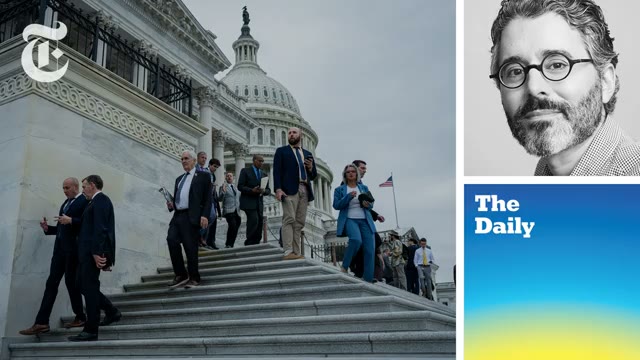
Based on “Congressional Republicans Try a New Approach: Telling Trump No” from New York Times Podcasts Watch the original video
No More Mr. Nice Guy: Why Congressional Republicans Are Finally Saying ‘No’ to Trump
Episode summary
Congressional Republicans are, for the first time in Trump’s second term, actively rebelling against the president, a stark departure from their previous “subservience.” This shift is vividly illustrated by their forceful rejection of Trump’s “weaponization fund,” a nearly $2 billion initiative to compensate alleged victims of government overreach, which many feared would benefit January 6th rioters. Their defiance also extended to the war in Iran, with swing-district Republicans and “YOLO Caucus” members (those who lost primaries due to Trump’s intervention, like Senator Bill Cassidy) crossing party lines to pass War Powers Resolutions, demanding congressional authorization for continued military action.
This newfound independence stems from a realization that Trump’s actions, such as intervening in primaries against popular incumbents like Senator John Cornyn, are detrimental to the party’s midterm election prospects. While the “YOLO Caucus” provides a temporary, potent force, the long-term durability of this rebellion remains uncertain. Republicans are now balancing their desire to defy Trump with their broader party agenda, pushing back where Trump’s interests diverge from their own, marking a new, albeit potentially fragile, dynamic in Washington.
For much of President Trump’s second term, the prevailing narrative around Capitol Hill was one of a Republican-controlled Congress willingly ceding its power. Lawmakers, it seemed, had chosen subservience, leading many to question whether a co-equal branch of government had effectively rendered itself irrelevant. Yet, in a striking turn of events over the past few weeks, a quiet rebellion has begun to bubble up among congressional Republicans, challenging the president on issues ranging from foreign policy to the use of taxpayer money.
This isn’t just subtle recalcitrance; it’s a profound shift that signals a new, albeit potentially temporary, dynamic in Washington. As congressional editor Julie Davis explains, Republicans are slowly but surely waking up to the reality that unbending loyalty to Trump is no longer serving their own political interests.
The Era of Unquestioning Deference
In Trump’s second term, Republicans initially ceded power on key issues like spending and foreign policy, but have recently begun to resist, refusing to act on priority legislation and pushing back on the administration.
In the initial months of Trump’s second term, the degree to which Republicans deferred to him was, frankly, surprising. They not only refused to challenge him but actively relinquished their power on key issues. Spending, trade, tariffs, and even foreign policy – areas Congress typically guards jealously as its own prerogatives – were handed over to the White House. It was, as one observer put it, “like a kid in the playground saying, ‘Take this toy. Take this toy. Take this shovel. Take this truck.’” Republicans found every possible way to avoid voting on contentious issues, preferring to let the administration take the lead.

On-screen text lists ‘Spending, Trade, Tariffs, Foreign Policy’ as areas Congress ceded power.
This era of deference, however, appears to be drawing to a close. Recent weeks have seen unusual and rare resistance. Republicans are now refusing to act on priority legislation for Trump, rejecting his timelines, stripping proposals from bills, and, in some cases, actively using their power to push back. It’s as if the children in the playground, after months of obedience, are finally saying, “No, Daddy, we’re not going to do this for you.”
The Seeds of Rebellion: Midterm Fears and Primary Punishments
This rebellion stems from Republican anxieties about midterm elections and Trump’s disruptive primary interventions, particularly his endorsements against popular incumbents like Senators Bill Cassidy and John Cornyn, making them feel betrayed.
The roots of this congressional uprising extend beyond any single policy dispute. They lie deep within the Republican Party’s anxieties about the upcoming midterm elections and President Trump’s increasingly disruptive interventions in their primaries.
Republicans are just months away from defending their majorities in both chambers, and they face an uphill battle. A growing number of lawmakers are realizing that many of Trump’s actions are counter to their own political survival. The president, they feel, is making the midterms about himself and his desire for revenge, rather than the party’s collective good.
A stark example of this came with Trump’s intervention in Republican primaries. In Louisiana, he endorsed a challenger against Senator Bill Cassidy, a popular incumbent who chairs the health committee. Cassidy, despite having voted to convict Trump during his impeachment trial after January 6th, had spent years trying to ingratiate himself with the former president. Trump, however, decided he wanted him out – and succeeded.

A graphic shows Senator Bill Cassidy, highlighting his vote to convict Trump and subsequent primary challenge.
Even more stinging for many Republicans was Trump’s intervention in the Texas Senate primary. Senator John Cornyn, a loyal Republican, was facing a competitive runoff against Ken Paxton, the state’s attorney general. Days before the primary, Trump weighed in, endorsing Paxton. This news hit Republicans on the Hill “like a bomb.” Cornyn was seen as the stronger candidate to win the general election without draining precious party resources needed elsewhere.

A graphic displays Senator John Cornyn and Ken Paxton, noting Trump’s endorsement of Paxton.
The mood soured considerably. Republicans began to feel that Trump’s agenda was becoming less popular with voters, and that his actions were primarily “for himself and not for the good of the party.” Adding insult to injury, both Cassidy and Cornyn had voted with Trump over 90% of the time. This felt like a betrayal: subservience was being rewarded with punishment. The question naturally arose: “Why should they keep being subservient?” The very day Cassidy returned to the Capitol after his primary defeat, he received a standing ovation from his Republican colleagues – a clear message: “You’re our guy, even if you’re not President Trump’s.”
The “Weaponization Fund”: A Bridge Too Far
Trump’s proposed $2 billion “anti-weaponization fund,” seen as benefiting January 6th rioters, was a “complete non-starter” for Republicans, leading to a heated meeting and their refusal to pass a key immigration bill until the fund was dropped.
It was against this backdrop of simmering resentment that the Trump administration announced, without any prior consultation with Capitol Hill Republicans, the creation of a nearly $2 billion “anti-weaponization fund.” The administration claimed the fund was for “victims of overzealous government prosecution,” but the clear implication was that it would compensate people loyal to President Trump, potentially including those who stormed the Capitol on January 6th.
This proposal landed “like a ton of bricks” on Republicans. “This doesn’t pass the smell test,” remarked one lawmaker. “This is just stupid on stilts,” declared another. The idea of using federal money to pay individuals involved in the January 6th attack was particularly galling for many Republicans who were themselves in the Capitol that day, running for their lives. Both personally and politically, they realized this was “not a good look” and something they would struggle to defend to voters.
The timing couldn’t have been worse. President Trump had also set a June 1st deadline for Congress to deliver a massive $70 billion immigration enforcement bill, a signature agenda item. Republicans quickly realized they wouldn’t be able to muster the votes for the immigration bill if the weaponization fund remained on the table. They needed Trump to reverse course or find a legislative way to block him.
An attempt by acting Attorney General Todd Blanche to “assuage concerns” about the fund during a closed-door meeting with Republicans quickly devolved into “one of the roughest meetings” many had seen in the Senate. It was a “complete blow up,” making it clear the fund was a “complete non-starter.” Republicans called off the vote on the immigration bill and left for Memorial Day weekend, declaring they could not move forward. Canceling a vote on a presidential priority, after years of immediate compliance, was a “declaration of independence.”

A news clip shows a reporter describing a heated meeting with Attorney General Todd Blanche.
Not long after, Trump, when asked if he was losing control of Senate Republicans, simply replied, “I don’t know.” But evidence of his weakening grip was mounting. Republicans also quietly dropped funding for his beloved “ballroom project” from a bill, a not-so-subtle brush-off.
The pressure worked. A court ruling temporarily blocking the fund provided further impetus, and within days, the administration backed down, with the Justice Department announcing they would not challenge the court’s decision. But Republicans, their trust eroded, went a step further. They demanded an “on-the-record disavowal” and assurance that the fund would “never return.” Todd Blanche was then compelled to testify under oath that the fund was dead, period. This was the “high-water mark” of the Republican rebellion, demonstrating their willingness to use leverage to kill a presidential initiative.
A Second Front: The War in Iran
Dissent also grew regarding the war in Iran, with “lame duck” Senator Bill Cassidy and other Republicans in competitive districts crossing party lines to pass War Powers Resolutions demanding congressional authorization for military action.
The pushback didn’t end with the weaponization fund. Another major target emerged: President Trump’s war in Iran. Since late February, Democrats had been repeatedly forcing “war powers votes” – resolutions demanding congressional authorization for continued military action. While largely symbolic (Trump had declared them unconstitutional and vowed vetoes), these votes were crucial for registering congressional skepticism and reasserting Congress’s constitutional role in matters of war. For months, Republican leadership had argued against these resolutions, urging Congress to “step back.”
Then, the tide began to turn. A few days after losing his primary, Senator Bill Cassidy, now a “lame duck,” switched his vote on a War Powers Resolution in the Senate, joining Democrats and pushing it over the top. “I actually support the goals that the president initially laid out,” Cassidy stated, “and it was going to be two weeks. Well, obviously going longer than two weeks. So just tell the American people that’s where we are on this.”
This was a remarkable moment, indicating growing dissent about a conflict that many saw as a political liability. Soon after, a similar resolution came up in the House, a more conservative body with tighter leadership control. Yet, enough Republicans defected to pass the resolution, demanding Trump withdraw forces or seek authorization. These key crossover votes came from Republicans in competitive districts, concerned about the war’s length, cost, and its impact on gas prices and their re-election chances. The message was clear: the president was “not looking out for the best interests of the Republican Party.”
The “Yolo Caucus” and a New Coalition
This pushback is driven by a coalition of “swing district Republicans” and the “Yolo Caucus” (Republicans ousted by Trump who have nothing left to lose), providing a potent but temporary force against the president.
This unexpected pushback is driven by an interesting coalition of Republicans. On one side are the “swing district Republicans” – lawmakers like Senator Susan Collins, Brian Fitzpatrick, and Tom Barrett – who are acutely sensitive to voter sentiment and the political costs of unpopular policies.
A graphic categorizes Republicans into ‘Swing District Republicans’ and the ‘Yolo Caucus’.
On the other side is what’s been dubbed the “Yolo Caucus” (You Only Live Once). These are the “lame ducks” – Republicans like Bill Cassidy and Tom Massie (who also voted for the War Powers Act after losing his primary) – who have been targeted and ousted by Trump. Having nothing left to lose politically, they are now unbendingly loyal to no one but themselves. They are willing to push back on a president “not used to being resisted.”
While the “Yolo Caucus” provides a potent, fearless voice, their impact is inherently temporary. They will be replaced by the end of the year, potentially by new lawmakers more loyal to the president. This raises the ultimate question about the durability of this resistance.
How Durable is the Rebellion?
The rebellion’s durability is uncertain, as Republicans prioritize their own party’s agenda; they will cooperate with Trump where interests align, but push back where their agendas diverge, especially as November approaches.
The current rebellion has emerged from a unique convergence of circumstances: Trump ousting popular incumbents, the outrage over the weaponization fund, and growing anxieties about the Iran war and the midterms. These aren’t everyday occurrences. So, how likely are congressional Republicans to snap back into their subservient roles?
Recent events offer a mixed picture. Republicans did ultimately pass the $70 billion immigration bill Trump wanted. However, when Democrats offered amendments to specifically codify a ban on the weaponization fund or block funding for Trump’s ballroom project, Republicans found ways to block them, indicating they’re not yet ready to permanently enshrine defiance into law.
Yet, a “vot-a-rama” with a series of amendments showed a “mood in their ranks which hasn’t really existed before to resist what the president is demanding of them.” Republicans were willing to cast votes against the ballroom project and other Trump priorities, even if these amendments ultimately failed.
The emerging consensus is that Republicans are not willing to derail their own party’s agenda in the service of defying Trump. Their primary goal remains doing “what they think is best for themselves and the party.” Where their agendas overlap with Trump’s, they will cooperate. But where there is “daylight” – especially as November approaches – they will push back and rebel. This marks a new chapter in the complex relationship between President Trump and the Republican Congress. The question is no longer if Congress is “over,” but how much it will assert itself, and for how long.

On-screen text announces a ‘$1.776 Billion Anti-Weaponization Fund’.
Based on “How to understand your dreams & nightmares | The Gray Area” from Vox Watch the original video
Your Brain’s Night Shift: Unraveling the Mysteries of Dreams and Nightmares
Episode summary
Dreams are our sleeping form of consciousness, a fluid and mysterious processing of experiences that continues while we sleep, according to sleep researcher Michelle Carr. Modern neuroscience supports the Freudian idea that dreams process emotions, even repressed ones, acting as “overnight therapy” by allowing the brain to engage with emotional conflicts in an adaptive way. This is why actively trying not to think about a problem before bed often leads to dreaming about it, helping to process it.

An animated graphic depicting a brain processing emotional memories during sleep, illustrating ‘overnight therapy’.
While dreams are often incoherent and forgotten, making them seem useless, this doesn’t diminish their impact. Nightmares, often tied to trauma and recurring themes like tidal waves symbolizing overwhelming helplessness, are a vivid example of this processing. Lucid dreaming, where one becomes aware of dreaming, offers a practical way to gain agency and control within these intense experiences, potentially transforming distressing nightmares into more adaptive resolutions.
In our waking lives, we often perceive consciousness as a straightforward experience – a clear, concrete engagement with the world around us. We see, we hear, we think, and we interact, believing our reality to be undeniably solid. Yet, according to dream scientist Michelle Carr, the true nature of our conscious experience might be far more akin to dreaming itself: fluid, mysterious, and profoundly hard to define.
A striking visual of a brain rendered with glowing neural pathways, representing the mysterious nature of consciousness.
Carr, a leading voice in dream research, posits that dreaming isn’t merely a byproduct of sleep but rather our “sleeping form of consciousness.” Just as our minds are active, processing, feeling, and perceiving throughout the day, this intricate processing continues as we sleep. “It’s how we experience being alive while asleep,” she explains, suggesting that dreams play a crucial role in helping us sort through memories and experiences in a meaningful way.
Dreams as the Brain’s Overnight Therapist
Modern neuroscience supports the Freudian idea that dreams process emotions, even repressed ones, acting as “overnight therapy” by allowing the brain to engage with emotional conflicts in an adaptive way.
The traditional view, often associated with figures like Freud, suggests dreams are symbolic gateways to unconscious emotions. Modern neuroscience, Carr reveals, largely supports this idea, albeit with a more nuanced understanding. Research indicates that during sleep, particularly in dream states, our brains actively process a wealth of emotions and thoughts that we might suppress or overlook during waking hours.
This isn’t just about repressing negative emotions; it’s about processing all emotions. Studies show that if you actively try to avoid thinking about a problem before sleep – be it a personal conflict or a stressful situation – you’re more likely to dream about it. Dreaming about these stressful events can be adaptive, helping us to process them and gain new perspectives. Carr describes this function as “overnight therapy,” where REM sleep reactivates emotional events and memories in a mental state that facilitates processing them more easily than in waking life. The brain, functioning differently in dreams, allows for a more loose and fluid connection of thoughts and emotions, bringing emotional conflicts and stressors to the surface in an adaptive way.
Simulations, Recollections, and Reorganization
Dreams serve as a sophisticated simulation tool, re-experiencing past memories and creating novel scenarios, while also reorganizing memories by associating recent experiences with older ones to integrate them into our life’s narrative.
Beyond emotional processing, dreams also serve as a sophisticated simulation tool. One prominent theory, the “simulation model of dreaming,” proposes that dreams allow us to re-experience past memories while also presenting us with “all sorts of new versions.” Dreams don’t just replay memories; they create novel scenarios, offering variations on experiences we might encounter in the future. This gives dreams a dual quality of both recollection and imagination.
Carr elaborates on this, explaining that dreams draw from “pieces of memory, not like entire episodes or even characters.” It’s common to dream of familiar people, but their visual representation might be an amalgamation of others – your mother, for instance, might appear with the face of a friend or a stranger. This phenomenon, particularly during REM sleep, is attributed to “excessive activation in cortical areas of the brain where memories are stored,” leading to broad associations between things that wouldn’t typically connect in waking life. While awake, our memory networks are more restricted; in REM sleep, connections spread widely, allowing for new ideas and concepts to associate freely.
The brain isn’t just recalling memories; it’s reorganizing them. In non-REM sleep, the brain seems to strengthen specific memories, ensuring we retain what we learned during the day. But during dreaming, these recent memories often associate with older ones, from a week ago or even years past. This process, Carr suggests, reflects a broader function of sleep: integrating new memories into our existing autobiographical network, contextualizing current experiences within our life’s narrative.
The Stages of Sleep and the Fragility of Dreams
While REM sleep is associated with vivid dreams, dreaming occurs in all sleep phases, yet dreams are often forgotten due to their bizarre nature or the brain’s state not being conducive to strong memory encoding.
While REM (Rapid Eye Movement) sleep is famously associated with the most vivid, emotionally intense, and perceptually rich dreams, Carr clarifies that dreaming occurs in every phase of sleep. Though people often feel “deeply asleep” during REM, it’s actually a highly active phase where brain activity mirrors wakefulness, accompanied by rapid eye movements, changes in heart rate, and muscle twitches. Non-REM dreams, more common earlier in the night, tend to be more “thought-like,” feeling less immersive, sometimes even just a general sense of consciousness without a distinct narrative.
Given the apparent utility of dreams, why do we forget them so easily? This question, Carr notes, has historically led to dreams being dismissed as insignificant. Most people remember only fleeting fragments, if anything, upon waking. Carr challenges this assumption, arguing that forgetting doesn’t equate to uselessness. One theory suggests that the bizarre and incoherent nature of dreams might be confusing to the waking mind, so forgetting them serves to keep our waking and inner lives separate. Another explanation could be purely biological: the brain state during sleep might simply not be conducive to strong memory encoding. Yet, just as waking experiences impact us even if forgotten, dreams, as a form of consciousness, undoubtedly leave their mark.
Decoding the “Urgent Messages”
Though much of dreaming is random, engaging with dreams can yield personal insight, creativity, and problem-solving abilities, with discussing dreams shown to generate more insight than discussing waking memories.
Many people treat their dreams as urgent messages from their subconscious, demanding interpretation. While Carr acknowledges that “a lot of dreaming is completely random,” research suggests that engaging with dreams can indeed yield personal insight, creativity, and problem-solving abilities. Discussing dreams, particularly using specific methods, has been shown to generate more insight than discussing waking memories. The precise origin of this insight – whether directly from the dream’s “message” or from the reflective process itself – remains elusive, but the benefit is clear.
The Shadow Side: Nightmares
Nightmares, often tied to trauma and recurring themes like tidal waves symbolizing overwhelming helplessness, are the brain’s attempt to work through difficult emotions, but their intensity often disrupts sleep and prevents adaptive processing.
If dreams are “overnight therapy,” what then are nightmares, which seem to be the antithesis of healing? Carr cites Ernest Hartman, who argued that nightmares are often the most important and useful type of dream. Nightmares are strongly correlated with adverse experiences, trauma, and severe emotional events, often featuring recurring themes that symbolize overwhelming emotions. For instance, people who have experienced trauma might dream of being overwhelmed by a tidal wave, embodying feelings of helplessness, not a literal tidal wave experience.
Nightmares are the brain’s attempt to work through difficult emotions. However, their intensity and stress often lead to waking the dreamer before any adaptive processing can fully occur. This creates a loop, disrupting sleep and preventing the “therapy” from completing. Frequent, distressing nightmares are not benign; they are linked to various psychiatric symptoms, increased suicide risk, and even physical health issues like cardiovascular disease and higher cortisol levels. The disruption they cause transforms sleep from a source of recovery into one of chronic stress.
Common dream themes, like teeth falling out or flying, are also explored. While some might be symbolic, Carr points out that others could have physical roots. The sensation of teeth falling out might be linked to teeth grinding, while the feeling of being unable to move or control one’s body in a dream could stem from the brain processing the physical reality of being horizontal and immobile in bed. During nightmares, physiological responses such as increased heart rate, respiration, and muscle twitches often occur, indicating that the body reacts to the dream’s threat as if it were real.
Harnessing the Dream World: Lucid Dreaming
Lucid dreaming, where one becomes aware of dreaming, offers a practical way to gain agency and control within intense experiences, potentially transforming distressing nightmares into more adaptive resolutions and serving as a learning tool for skills practice.
One of the most intriguing aspects of dream research is lucid dreaming – the state of becoming aware that you’re dreaming while still within the dream. This awareness unlocks incredible possibilities, granting the dreamer agency and control. For those plagued by nightmares, lucid dreaming can be transformative. Realizing “this is just a dream” can alleviate distress and empower the dreamer to change the narrative, turning a terrifying experience into an opportunity for control and adaptation.
For those eager to experience lucid dreaming, Carr offers practical advice:
- Dream Journaling: Note recurring bizarre elements in your dreams (e.g., flying, a deceased pet appearing). These “dream signs” serve as clues.
- Intention Setting and Visualization: Before falling asleep, spend 20 minutes visualizing yourself becoming lucid. Rehearse recognizing a dream sign and realizing you’re dreaming.
The challenge, however, is the extreme fragility of dream memory. Even highly vivid dreams can vanish within minutes of waking. Research labs use gentle waking protocols, instructing participants not to move or open their eyes, to maximize recall. Carr suggests trying to recall dreams from the prior night when back in bed, as memories can be associatively triggered like smells.
In the lab, lucid dreamers can communicate with researchers. By instructing them to perform specific eye movements (e.g., left-right three times), scientists can confirm lucidity. Lucid dreamers can also control facial expressions in their dreams, which are reflected physically, demonstrating a unique interface between the dreaming mind and the physical body. While the brain state remains that of REM sleep, the ability to respond and communicate blurs the lines between waking and dreaming consciousness.
Lucid dreaming is also gaining traction as a learning tool. Anecdotal reports from elite athletes and musicians suggest they use it to practice skills, visualizing specific movements or performances. Experiments have shown that practicing simple tasks, like throwing darts or playing a harmonica, within a lucid dream can improve memory consolidation and actual performance after sleep.
While the idea of controlling dreams might raise concerns about interrupting their natural purpose, Carr reassures that for the vast majority, the level of control is minimal. Most who try intensely might experience lucidity once a week, a small fraction of their total sleep time. The impact is generally positive, allowing for intentional visualization before sleep to influence dream content, whether for problem-solving, creativity, or transforming nightmares into more adaptive experiences.
Consciousness Revealed
Ultimately, dreams offer a profound window into the nature of consciousness, revealing a deeper truth about our fluid, associative, and mysterious moment-by-moment experience, supporting the enduring utility of Freud’s “royal road to the unconscious.”
Ultimately, dreams offer a profound window into the nature of consciousness itself. Our waking perception of a concrete, straightforward reality might be an illusion. Dreams, with their fluid, associative, and mysterious qualities, reveal a deeper truth about our moment-by-moment experience. The “ghost of Freud” might indeed be smiling, as Carr acknowledges the enduring utility of his concept of the “royal road to the unconscious.” While the precise mechanisms remain elusive, the existence of dream science and the work of researchers like Michelle Carr continue to unravel the fascinating, impactful, and deeply personal mysteries of our sleeping minds.

A visual representation of a person’s face morphing between different individuals, illustrating how dreams amalgamate memories.

A visual of a large tidal wave engulfing a landscape, symbolizing overwhelming emotions from trauma.

A split screen showing a person flying in a dream on one side and a journal with ‘dream signs’ written on the other.

A diagram showing a person in REM sleep with electrodes, demonstrating eye movement signals used to confirm lucidity.
Based on “Inside the $200 Billion Mormon Empire. (full documentary)” from Johnny Harris Watch the original video
The Audacious Vision: How Joseph Smith Forged a Spiritual Empire
Episode summary
Johnny Harris, a former Mormon, meticulously unpacks the origins of the $200 billion Mormon empire, arguing it began with Joseph Smith’s unique blend of 19th-century American religious fervor, folk magic, and treasure hunting. Smith, an uneducated farm kid, claimed a “First Vision” at 14 where God and Jesus told him all churches were false, followed by an angel Moroni guiding him to golden plates that he “translated” into the Book of Mormon using a seer stone in a hat. This book, which posits ancient Jews migrated to the Americas and were visited by Jesus, became the foundational text for his new church.
Smith’s radical theology, including a physical God and the concept of becoming gods ourselves, promised a utopian “Zion” on Earth, initially planned for Missouri. This vision, combined with Smith’s charismatic leadership, attracted thousands, leading to violent clashes with locals and forced migrations, ultimately culminating in the establishment of Nauvoo, Illinois, a self-governed religious settlement where Smith introduced polygamy, claiming divine command.
The story of Joseph Smith, the enigmatic founder of the Church of Jesus Christ of Latter-day Saints (LDS), is a narrative woven with threads of fervent belief, mystical visions, relentless persecution, and an unyielding dream of a utopian society. For many, including documentary filmmaker Johnny Harris, it’s a deeply personal tale, having shaped their worldview for most of their lives. Harris, a former missionary who once taught Smith’s gospel to hundreds, embarks on a journey to explore how an “uneducated kid in upstate New York” birthed a global movement that would, against all odds, establish a spiritual empire now valued in the hundreds of billions.
The American Crucible of Faith
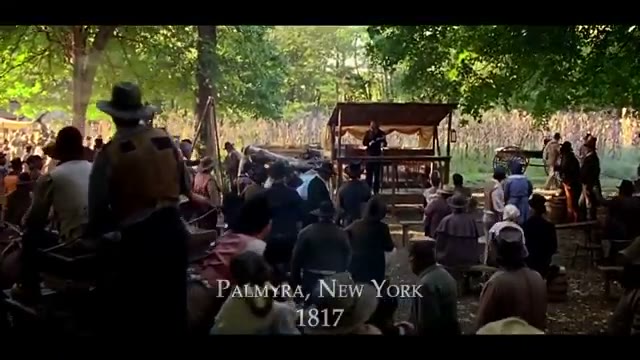
Joseph Smith was born in 1805 into a young America experiencing the Second Great Awakening, a period of intense religious fervor and new, hyper-reformist religions in upstate New York, leaving many families, including Smith’s, “religiously lost.”
Joseph Smith was born in 1805 into a young America grappling with its identity. The early 19th century was a period of immense change, marked by the rejection of Old World traditions, particularly religion. Only about 10% of white Americans regularly attended church, prompting a surge of charismatic preachers who fanned out into the countryside, igniting what became known as the Second Great Awakening. Upstate New York, in particular, became a “frothy religious environment” – a hotbed for new, hyper-reformist religions that were emotional, expressive, and deeply personal, replacing older, authoritarian church structures.
This was an era of unprecedented times: new science, “magical technology,” and a rapid influx of ideas, both wholesome and sinful. For many, these swift changes signaled the imminent end of the world, a precursor to the Millennium – a thousand years of glory for believers, and fire for those who didn’t. New churches vied for adherents, each claiming to be God’s chosen administrators, preparing the Earth for the Second Coming of Jesus. It was in this exciting, yet frightening, context that Joseph Smith, born to a religiously enthusiastic mother and a non-religious father, found his family, like many others, “religiously lost.”
A Seeker in a Magical Landscape
Beyond religious fervor, upstate New York was steeped in folk magic and treasure hunting, where young Joseph Smith gained a reputation as a “skilled treasure hunter” using seer stones, a background pivotal to his future as a prophet.
Beyond the religious fervor, upstate New York was also steeped in a vibrant culture of folk magic and treasure hunting. Legends of buried riches from Spanish explorers, pirates, or Native American artifacts fueled a mystical pursuit. Seer stones, crystals, divining rods, and dream visions were common tools used to locate hidden treasures. Young Joseph Smith was deeply immersed in this craze. Despite minimal education and limited literacy, he quickly gained a reputation as a “skilled treasure hunter” – not for actual finds, but for his ability to convey expertise in these mythical methods. This background in folk magic would prove pivotal in shaping his future as a prophet.

A visual of various folk magic tools like seer stones and divining rods, illustrating the era’s treasure-hunting culture.
The First Vision: A Divine Call to Restoration
At 14, Joseph Smith experienced his “First Vision,” where God and Jesus told him all existing churches were false and called him to restore the true church, a foundational story for millions of believers.
The true genesis of Smith’s movement began in the spring of 1820. A 14-year-old Joseph, curious about religion, found no satisfactory answers after visiting numerous churches. He retreated to a grove of trees to ask God directly which church was true. As recounted in the founding narrative of the LDS Church, after an encounter with the Devil, Joseph saw a pillar of light “brighter than the sun.” Within this light, he beheld “two people whose brightness defy all description” – God the Father and His Son, Jesus Christ. Jesus informed him that none of the existing churches were true and that Joseph was called to do the work of God: to restore the real, true church lost from the Earth, and to prepare the world for the Second Coming and the Millennium. This event, known as the First Vision, became the bedrock story for millions of believers.
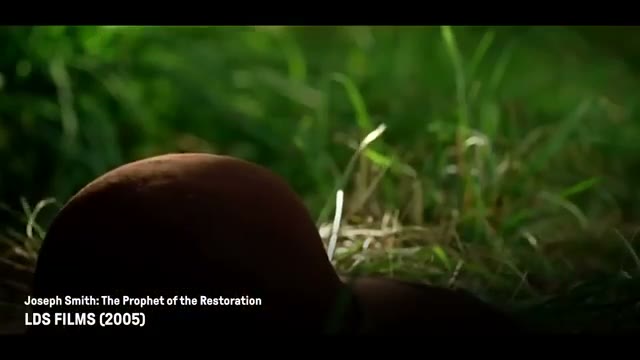
A still from a Church-produced video depicting young Joseph Smith kneeling in a grove of trees, praying.
Golden Plates and a New Scripture
Years later, an angel Moroni guided Smith to golden plates, which he “translated” into the Book of Mormon using seer stones in a hat, dictating 588 pages in 90 days, shifting his focus from treasure hunting to prophecy.
A few years later, in 1823, an angel named Moroni appeared to the late-teenaged Joseph. Moroni confirmed the impending Second Coming and Joseph’s divine calling. Crucially, the angel revealed the existence of an ancient book, written on golden plates, buried in a hill near Joseph’s home. This book, Moroni explained, was a vital record of a group of Jews who had left Jerusalem in 600 BC and migrated to the Americas. Along with the plates, Joseph would find “gear” – seer stones – to translate them into English. By age 21, Joseph was instructed to retrieve the plates from the Hill Cumorah.
Joseph Smith, the uneducated treasure hunter, now in his twenties, began to shift his focus “away from treasure and towards translation,” effectively becoming a prophet. He claimed to secure the plates despite attempts to rob him, then commenced the translation in a rural New York cabin. Sitting behind a curtain, he would look through his seer stones at the “Egyptian engravings” on the golden plates, which would transform into English. He would then dictate these words to a scribe, sometimes his wife or other early believers. At other times, he didn’t even need the plates present, using his personal “chocolate-colored, egg-shaped” seer stone placed in a hat, burying his face in it, and dictating words that “lit up” on the stone. This method, though seemingly “weird and wild” today, was consistent with the folk magic sensibilities prevalent in society at the time, explaining why his family and community initially supported him. Over a remarkably productive 90-day period, the 24-year-old Joseph dictated 588 pages of text that would become the Book of Mormon.
The Book of Mormon: A Contested History
The Book of Mormon, Smith’s primary “validator,” tells the epic tale of ancient Jews who migrated to the Americas and were visited by Jesus, though it lacks archaeological, genetic, or linguistic evidence to support its claims.
The Book of Mormon, which Joseph claimed to return to Moroni after translation, became the primary “validator” for his prophetic claims. Its sudden appearance, authored by an uneducated farm kid, was seen by believers as proof of divine intervention. While the book contains passages “copy-and-pasted” from the Bible, it also presents complex histories, religious lessons, and cultural references that believers find compelling.
However, the Book of Mormon is not, as many believe, a “Mormon Bible.” It tells the epic tale of Jewish families who fled Jerusalem around 600 BC, journeyed across deserts (possibly to Oman), built a boat, and sailed to the Americas. Here, they split into two warring civilizations: the righteous Nephites and the cursed Lamanites. The introduction to early editions declared the Lamanites to be “the principle ancestors of the American Indians” (later softened to “among the ancestors”). The book culminates in a dramatic climax where Jesus Christ, after his resurrection in the Old World, appears and ministers to these ancient American civilizations.
Despite its narrative power for believers, there is no archaeological, genetic, or linguistic evidence to support the Book of Mormon’s assertions of a large-scale Jewish migration to the Americas around 600 BC. Nevertheless, for adherents, its very existence and narrative continue to serve as profound proof of Joseph Smith’s divine calling.
A Radical Theology and the Birth of a Church
By April 1830, Smith established his church, unveiling a radical theology where God is a physical man, humanity can become gods, and his mission was a “Restoration” of the true church, making it both unique and polarizing.
By April 1830, with the Book of Mormon published and his prophetic status seemingly validated, Joseph Smith gathered his followers in Fayette, New York, and formally established the Church. Now behaving as a “full-blown prophet,” he claimed “almost daily communication from Jesus” and began to unveil a theology unlike anything else available.
This radical doctrine asserted that God is a man with a physical body of flesh and bone, and a wife. Humanity, according to Smith, originated as “eternal balls of light called intelligences,” birthed as spiritual children by heavenly parents, and sent to Earth to gain physical bodies, marry, and grow, ultimately to become like God themselves – creating their own spiritual families in other parts of the universe. This path required passing earthly tests, performing specific rituals, and demonstrating obedience.
The theology explained a history of “Great Apostasy,” where God’s children repeatedly rebelled, truth was eroded, and churches lost proper authority. Joseph Smith’s mission, therefore, was a “Restoration”: God would call prophets, like Jesus (who was seen as the “sixth prophet”), to re-establish the true church and its authority. Joseph claimed that the original apostles of Jesus Christ had appeared to him to restore the priesthood authority, enabling him to establish his church and receive direct instruction from God on how to govern “God’s Kingdom here on Earth” in preparation for the Millennium.
This was a unique and potent blend of Jewish mysticism, American folk magic, reincarnation, evangelical Christianity, and later, even Freemasonry. While it shared common apocalyptic themes with other movements of the era, doctrines like “God having a body and a wife” were “wild, fringe doctrine,” making Smith’s church both “super unique and super polarizing.” Many in his community began to view him as a “brilliant, creative visionary inventing this elaborate plan to dupe people.”
The Dream of Zion: A Utopian Blueprint
Facing persecution, Smith led his followers west to Ohio, planning a meticulously designed “Millennial Kingdom” called Zion, a communal, hyper-progressive society governed by divine revelation, which became a key “calling card for new converts.”
Early opposition quickly mounted. Joseph was arrested as a “disorderly person” and eventually tarred and feathered by a mob. Realizing the need to escape persecution, he and his followers began their westward migration. The Lord, Joseph claimed, instructed them to go to Ohio to await instructions for their “actual final destination”: Zion.
Zion was not merely a vague ideal; it was a meticulously planned “new utopian society,” a “Millennial Kingdom” founded on celestial laws, preparing for the end of the world and the Second Coming. Joseph began sketching detailed blueprints for this “New Jerusalem,” envisioning gridded streets, perfectly parceled plots, brick or stone homes 25 feet from the street for gardens, and surrounding farms. The city’s central streets bore names like Zion, Jerusalem, and Bethlehem, with a holy temple at its heart – a design that would later influence cities like Salt Lake City. This hyper-progressive, communal society, where resources were shared, and the prophet governed by divine revelation, became the primary “calling card for new converts.”
Escalating Doctrine and Conflict
As the Church grew, Smith introduced doctrines like three kingdoms of Heaven and “sealing” marriages, but hostility from locals in Ohio and Missouri escalated into war, culminating in Missouri’s “extermination order” against Mormons.
As the Church grew in Ohio, Joseph continued to receive revelations, pushing Mormon doctrine further from mainstream Christianity. He revealed three kingdoms of Heaven (instead of just Heaven and Hell), a spiritual prison and paradise, and the concept of “Celestial Kingdom” – the highest degree – attainable only through “sealing” marriages performed by proper authority, thereby binding families forever. Family became central to Mormon theology.
However, the locals in Ohio remained hostile to this rapidly growing, unified, and religiously distinct community. Driven out, the Mormons sought their Zion in Jackson County, Missouri, a place Joseph revealed was “on the borders by the Lamanites” (fitting the US government’s ethnic cleansing of Native Americans) and, astonishingly, “right next to the original Garden of Eden.” Believing the Second Coming was mere “weeks or months or just maybe a few years away,” Mormons rapidly purchased land and moved by the thousands, sparking intense fear among existing residents who suspected a religious and political takeover. Violence erupted, escalating into what was effectively a war. The Governor of Missouri issued a chilling “extermination order,” declaring Mormons “enemies” to be “exterminated or driven from the state.”
Nauvoo: A Theocratic Experiment and Tragic End
Forced to flee to Nauvoo, Illinois, Smith established a thriving, self-governed city, introduced plural marriage (reportedly marrying 40 women), ran for President, and was ultimately killed by a mob in 1844 after destroying a critical printing press.
Forced to flee once more, the Mormons found refuge in Illinois. With the help of figures like Abraham Lincoln, they received a special charter to establish their own city, Nauvoo (Hebrew for “beautiful”). Here, they began to build Zion anew, protected by their charter. Nauvoo quickly became a thriving metropolis, even more populous than Chicago, a testament to the Mormons’ industriousness. It was a complete merger of church and state, with Joseph Smith at its head, overseeing courts and commanding a newly strengthened militia. Missionaries, including Harris’s own great-great-grandfather, were sent to Europe, successfully converting thousands who then made the arduous journey to join the burgeoning community in Nauvoo.
It was in Nauvoo that Joseph Smith introduced his most controversial doctrine: plural marriage. He claimed an angel appeared to him multiple times, demanding that he take multiple wives. In three years, he reportedly married 40 women, many of whom were already married to other men. This practice, however, was kept secret, reserved only for Joseph and his inner circle, remaining absent from public revelations.
By 1844, the Zion dream was catching fire, and Joseph, now a powerful leader, decided to run for President of the United States. While his chances of winning were slim, this move cemented perceptions of him as a legitimate political threat. When a group of former Latter-day Saints published a newspaper in Nauvoo criticizing his polygamy and leadership, Joseph, now increasingly militant, responded by sending his militia to destroy their printing press and declared martial law. This act of defiance led to his arrest for inciting a riot. Two days later, a mob of over 200 men stormed the jail, shooting Joseph Smith and his brother. Joseph, at 38, fell to his death while attempting to jump from a window, a Book of Mormon in his hands.
The Prophet’s Legacy and a Journey West
Smith’s death transformed him into a martyr, solidifying his vision for Zion, but it also became clear that Zion could not be built within the U.S., prompting his followers to look west for a sanctuary.
Joseph Smith’s death transformed him into a martyr, fueling the fervor of his followers and solidifying his vision for Zion. However, it also became clear that Zion could not be built within the existing United States. The Saints needed a place far away, a sanctuary where they could build their Millennial Kingdom without harassment. Their gaze turned west, towards the remote mountains of what was then Mexico.
For Johnny Harris, understanding Joseph Smith from an objective, historical lens has been a profound journey. He acknowledges the undeniable power of what Smith created: a compelling narrative of the Last Days, filled with treasure, visions, angels, and modern revelation. It offered a chosen people a utopian society, safety, and enlightenment – a community that found deep comfort and identity in its distinctness, often mocked for its beliefs. The persecution and martyrdom of Joseph and his followers ironically served as “proof” for believers, fulfilling biblical prophecies of end-time tribulation.
Yet, from his perspective outside the faith, Harris sees a different truth. Joseph Smith, he concludes, was a “charismatic leader who knew how to tell stories about magic, about visions and about treasure” long before he became a prophet. He used these skills to invent a complex set of stories – of Native Americans as Israelites, of heavenly parents, of priesthood authority, and exclusive rituals – ultimately building a movement that allowed him to take 40 wives, raise an army, break laws, and bully his enemies. Harris views this not as anti-Mormon literature, but as a recognizable pattern: “the same old story of a charismatic visionary man who tells a story of apocalyptic endings to gain followers, to gain power and then decides that he deserves a lot of women and then he dies for the cause, leaving a movement that continues his vision.” This realization brings a deep sense of sadness for the loss of a comforting belief, a testament to the “paradox” of the beautiful, creative stories that once motivated his life.
Building Zion in the Wild West
Under Brigham Young, Mormons embarked on a grueling journey to remote Mexico (soon U.S. territory), rapidly building settlements using Smith’s grid designs, embodying industriousness, and facing a monumental conflict with the expanding federal government.
Following Smith’s murder, the leadership of the Church fell to Brigham Young, who would continue Joseph’s vision with even greater audacity. The Mormons embarked on a grueling, thousand-mile journey into the remote mountains of Mexico (which would soon become U.S. territory). Despite the immense challenges, they began to build rapidly, utilizing Joseph Smith’s original grid designs for Zion, with the holy temple at the center.
Their industriousness and cooperation were legendary. Motivated by their vision, they adopted the beehive as a symbol for their community, representing a group of “industrious, highly motivated people all working together for a common goal.” This symbol, “Deseret” (an ancient word for honeybee from the Book of Mormon), would become the name of their proposed state. Brigham Young dispatched members to establish a network of settlements across the Mountain West, displacing native peoples and transforming the arid landscape with sophisticated irrigation systems, mines, and factories. They shared their surplus, embodying the ideal of “one heart and one mind,” where “the community was more important than the individual.”
This burgeoning theocratic society, with the prophet as its head, developed its own schools, newspapers, currency, and even an alphabet. But in 1848, the Mexican-American War shifted the borders, placing the Mormons once again within the United States. This re-integration set the stage for a monumental conflict between the fiercely independent, communally-driven Mormons and the expanding federal government, threatening everything they had built in their mountain Zion. The dramatic narrative of this clash, and the shaping of a unique culture and people, would define the next chapter of the Mormon empire.
A map of upstate New York highlighting its role as a ‘frothy religious environment’ during the Second Great Awakening.

A close-up of the golden statue of the Angel Moroni atop a Mormon temple, a key symbol of the LDS Church.

An illustration of Joseph Smith dictating the Book of Mormon by burying his face in a hat with a seer stone.
Joseph Smith’s hand-drawn blueprints for Zion, detailing gridded streets and a central temple.
한국어
“In ‘View From the East Wing,’ Jill Biden reflects on the debate that changed history” — NPR Podcasts 기반 기사 원본 영상 보기
영부인의 시선: 질 바이든, 격동의 대선 비화와 가족의 아픔을 말하다
에피소드 요약
질 바이든은 자신의 회고록 “이스트 윙에서 본 풍경(View from the East Wing)“을 통해 남편 조 바이든 전 대통령의 재임 기간 중 가장 중요한 순간들을 회고한다. 특히, 2년 전 재선 출마에 대한 회의론이 극에 달했던 시기, 바이든 전 대통령이 한 토론회에서 “내가 정말 망쳤지, 그렇지?”라고 말했고, 이에 질 바이든은 “네, 망쳤어요”라고 답했던 일화를 공개한다. 당시 그녀는 남편의 직무 적합성에 의문을 제기하지 않았지만, 민주당 내에서는 재선에 대한 부정적인 여론이 지배적이었고, 결국 바이든은 경선을 포기하고 카멀라 해리스 부통령을 지지하게 된다. 질 바이든은 이 과정에서 남편이 50년간의 공직 생활을 마무리하는 것에 대한 복잡한 감정과 압도감을 느꼈으며, 해리스 부통령과의 통화 중 방을 떠나야 할 정도로 힘들었다고 고백한다.
또한, 질 바이든은 헌터 바이든의 재판과 관련하여 퍼스트레이디로서의 공무와 어머니로서의 역할을 동시에 수행해야 했던 고충을 털어놓는다. 그녀는 재판 과정이 헌터에게 불공정했으며, 트럼프 전 대통령이 재선될 경우 헌터에게 보복할 것이라는 우려 때문에 조 바이든 전 대통령이 입장을 바꾸게 되었다고 설명한다. 퍼스트레이디 역할에 대해서는 “자신만의 방식대로 하라”는 조언을 건네며, 모든 퍼스트레이디는 각자의 길을 걸어왔고, 자신 또한 그랬다고 강조한다. 이는 퍼스트레이디의 역할이 개인의 정체성과 가치관을 바탕으로 재정의될 수 있음을 시사하며, 차기 퍼스트레이디나 퍼스트젠틀맨에게도 자신만의 길을 개척하라는 메시지를 전달한다.
조 바이든 대통령을 그 누구보다 잘 아는 인물은 바로 그의 아내, 질 바이든 여사일 것입니다. 민주당의 리더십이 불분명한 시기에, 전 영부인이자 핵심 관찰자인 그녀는 조 바이든 대통령 재임 기간의 내막을 담은 회고록 『동관에서 본 풍경(View from the East Wing)』을 출간했습니다. 최근 NPR의 스콧 데트로와의 인터뷰에서 질 바이든 여사는 이 책에 담긴 이야기들을 솔직하게 털어놓으며, 백악관 동관(East Wing)에서 바라본 미국 정치의 격동과 한 가족이 겪어야 했던 개인적인 아픔을 생생하게 전달했습니다.
역사적인 전환점: 바이든의 대선 사퇴와 ‘그 논쟁’의 비화
질 바이든 여사는 회고록에서 조 바이든 전 대통령의 대선 사퇴 요구가 최고조에 달했던 시기와 ‘그 논쟁’ 이후의 대화를 처음으로 공개한다.
”정말 망쳤어”: 비운의 토론과 사퇴 결정
질 바이든은 대선 토론 후 남편이 “정말 망쳤지, 그렇지?”라고 말했고, 자신은 “네, 망쳤어요”라고 답했으나, 당시 남편의 직무 적합성을 의심하지는 않았다.
이번 달은 조 바이든 당시 대통령이 두 번째 임기를 위한 선거 운동을 중단하라는 요구가 최고조에 달했던 시점으로부터 2년이 되는 해입니다. 이 시기에 대한 이야기를 전직 대통령의 가장 가까운 사람인 질 바이든 여사에게서 처음 듣게 됩니다. 그녀는 스콧 데트로와의 인터뷰에서 대선 논쟁(debate) 이후 남편과의 대화를 회상합니다. “당신은 무대에서 내려오면서 ‘정말 망쳤어, 그렇지?‘라고 말했고, 나는 ‘네, 망쳤어요’라고 답했죠.”
당시 질 바이든 여사는 그것이 끝의 시작이라고 생각하지 않았다고 합니다. 그녀는 그 토론 전후로 남편의 직무 적합성에 대해 의심한 적이 없다고 밝혔습니다. 하지만 그해 여름 몇 주가 지나면서 바이든 부부는 대부분의 민주당원들이 자신들과 다른 의견을 가지고 있음을 분명히 깨달았습니다. 결국 바이든은 경선에서 물러났고, 곧바로 자신의 부통령인 카멀라 해리스를 지지했습니다.
격정의 순간: 사퇴 발표 뒤에 감춰진 감정
조 바이든의 사퇴 발표 당일, 질 바이든은 카멀라 해리스 부통령과의 통화 중 방을 떠나야 할 정도로 ‘압도당했다’고 고백하며, 50년간의 공직 생활을 마무리하는 남편의 모습을 보는 것이 힘들었다고 밝혔다.
남편이 사퇴를 발표하던 날, 질 바이든 여사는 책에 그날의 세부 사항을 상세히 기록했습니다. 특히 그날 아침 카멀라 해리스 부통령과의 전화 통화에 대해 언급하며, 해리스가 남편에게 언제, 어떻게 자신을 지지할 것인지 이야기할 때 방을 떠나야 했다고 말합니다.
그녀는 그 순간의 감정을 ‘압도당했다’고 표현합니다. “모든 것이 너무나 혼란스러웠죠. 어떻게 해야 할지, 언제 해야 할지, 어떤 절차를 밟아야 할지… 모든 것이 감당하기 어려웠어요. 스콧, 기억해야 할 것은 그는 제 남편이라는 거예요. 저는 그를 사랑하고, 그가 겪는 모습을 보는 것은 정말 힘들었습니다. 우리는 50년 동안 공직에 있었어요. 정말 긴 시간이죠. 어느 순간, 모든 것이 너무 버거웠어요.”
이는 해리스 부통령이 잘못하고 있다고 생각해서가 아니라, 그 순간의 감정적인 무게 때문이었다고 질 바이든 여사는 덧붙였습니다.
대선 결과에 대한 의문과 트럼프 재집권의 그림자
질 바이든은 바이든의 사퇴 시점에 대한 정치 평론은 피했지만, 개인적으로 카멀라 해리스가 승리할 것이라고 믿었기에 선거 결과에 큰 충격을 받았다고 말했다.
해리스 후보에 대한 기대와 충격적인 패배
질 바이든은 전국을 다니며 해리스를 위해 선거 운동을 했고, 그녀가 이길 것이라고 확신했으나, 선거일 아침 패배 소식을 듣고 “정말 충격을 받았다”고 밝혔다.
카멀라 해리스 부통령은 자신의 책에서 더 많은 시간이 있었다면 더 좋은 기회를 가질 수 있었을 것이라고 썼습니다. 이에 대해 질 바이든 여사는 바이든 대통령이 더 일찍 사퇴 결정을 내렸어야 했는지, 그렇게 했다면 해리스 부통령에게 도움이 되었을지에 대한 질문에 “저는 정치 평론가가 아니에요. 잘 모르겠어요. 그게 제 대답입니다”라고 답했습니다.
하지만 그녀는 개인적으로 해리스가 승리할 것이라고 믿었다고 고백했습니다. “저는 전국을 다니며 그녀를 위해 선거 운동을 했어요. 열정과 흥분을 보았죠. 선거일 밤에는 그녀가 이길 것이라고 생각하며 잠자리에 들었습니다. 아침에 일어나 누군가 ‘뉴스 봤어요?‘라고 전화했을 때 정말 충격을 받았어요. 저는 정말 그녀가 이길 것이라고 믿었습니다."
"암흑기”: 대선 패배가 남긴 상처
2023-2024년 선거 기간은 “정말 상처가 되는 시기”였고, 친구와 지지자라고 생각했던 사람들의 상처 주는 말과 손주들이 겪은 아픔 때문에 “다시는 그런 일을 겪고 싶지 않다”고 토로했다.
질 바이든 여사는 2023-2024년 선거 기간을 돌아보며 “정말 상처가 되는 시기였다”고 말했습니다. “우리가 겪었던 일들을 생각하면, 정말 우리 삶의 암흑기였어요. 우리가 친구나 지지자라고 생각했던 사람들이 그렇게 상처 주는 말을 할 줄은 몰랐습니다. 그리고 그것은 저와 조만이 겪은 일이 아니었어요. 우리 손주들을 보세요. 그들이 그 과정을 겪고 얼마나 상처받았는지… 다시는 그런 일을 겪고 싶지 않아요.” 이처럼 대선 패배의 아픔은 단순히 정치적 좌절을 넘어 가족 전체에 깊은 상처를 남겼음을 알 수 있습니다.
헌터 바이든 재판: 어머니이자 영부인의 딜레마
질 바이든은 헌터의 재판 기간 동안 프랑스에서의 영부인 공무와 델라웨어에서의 어머니 역할을 동시에 수행해야 했던 고충을 회고록에 담았다.
프랑스와 델라웨어, 두 개의 의무 사이에서
질 바이든은 “무엇보다도 저는 헌터의 어머니”였기에 재판에 있어야 했고, 동시에 영부인으로서의 의무도 수행해야 했기에 두 곳을 오갔다고 설명했다.
회고록에는 질 바이든 여사의 인생에서 가장 힘든 한 주에 대한 장이 있습니다. 영부인으로서 프랑스에서 공식 업무를 수행하는 동시에 헌터의 재판을 위해 델라웨어로 오가는 강행군을 펼쳤던 주입니다. 그녀는 당시 일정을 보며 “어떻게 저렇게 할 수 있을까” 생각했다고 회상합니다. 프랑스, 델라웨어, 프랑스, 델라웨어… 왜 두 곳 모두에 있어야 한다고 느꼈을까요?
그녀의 답변은 단호했습니다. “무엇보다도 저는 헌터의 어머니입니다. 당연히 그를 위해 그 자리에 있어야 했죠. 하지만 동시에 저는 영부인이었고, 영부인으로서의 의무를 수행해야 했습니다. 그리고 저는 그렇게 했어요.” 어머니로서의 본능과 영부인으로서의 책임을 동시에 수행해야 했던 그녀의 고뇌가 엿보이는 대목입니다.
”불공정한 과정”: 트럼프 재집권이 가져올 파장
질 바이든은 헌터의 재판 과정이 “너무나 불공정했다”고 생각하며, 트럼프가 재선될 경우 헌터에게 보복할 것이라는 우려 때문에 조 바이든이 입장을 바꾸게 되었다고 밝혔다.
해당 장의 말미에 그녀는 “결국, 공정하려고 너무 애쓴 나머지, 우리는 헌터가 최악의 운명을 맞이하게 만들었다”고 썼습니다. 이에 대해 그녀는 더 자세히 설명했습니다. 질 바이든 여사는 헌터의 재판 과정 자체가 “너무나 불공정했다”고 생각한다고 말했습니다. “조는 법무부에 간섭하지 않으려 노력하며 공정하려고 애썼지만, 이후 트럼프가 당선되었죠. 그는 보복(retribution)이 있을 것이며 헌터 바이든을 감옥에 보내고 싶다고 말했습니다. 방법이 없었어요.”
그녀는 트럼프 대통령 하에서 헌터의 운명이 어떻게 될지 특히 우려했다고 밝혔습니다. “세상에, 저는 정말 모르겠지만, 트럼프 하에서는 결코 공정하지 않았을 것이라고 확신합니다. 그리고 트럼프가 TV에서 ‘헌터 바이든은 감옥에 가야 한다. 헌터 바이든, 그가 우리 아들을 감옥에 보내도록 할 것이다’라고 계속해서 말하는 것을 들었을 때, 그것은 결코 공정하지 않았어요. 우리는 무슨 일이 일어날지 알았죠. 그래서 조가 마음을 바꾼 것입니다. 그는 정말로 마음을 바꿨어요.” 이 발언은 당시 바이든 대통령이 헌터의 재판에 대해 어떤 결정을 내렸는지, 그리고 그 결정에 트럼프의 발언이 얼마나 큰 영향을 미쳤는지 짐작하게 합니다.
영부인의 역할: 경험과 조언
질 바이든은 ‘세컨드 레이디’와 달리 ‘영부인’은 책임과 기대치, 경호 수준이 훨씬 높아 “완전히 달랐다”고 말하며, 미셸 오바마가 그 역할을 아름답게 해낸 것에 감탄했다.
‘세컨드 레이디’와 다른 ‘퍼스트 레이디’의 무게
질 바이든은 8년간의 ‘세컨드 레이디’ 경험에도 불구하고 ‘영부인’ 역할은 책임, 기대치, 경호 수준 등 모든 면에서 “완전히 달랐다”고 강조했다.
질 바이든 여사는 영부인 역할을 맡기 전에도 8년간 ‘세컨드 레이디(Second Lady, 부통령 부인)‘를 지냈고, 오랜 기간 상원의원 배우자로 활동하며 그 역할에 대해 누구보다 잘 알고 있었습니다. 그녀는 “세컨드 레이디는 영부인과 비슷할 것이고, 조금 더 힘들 수도 있다고 생각했다”며, 실제로는 “완전히 달랐다”고 말합니다. “책임이 완전히 다르고, 기대치도, 경호 수준도 훨씬 높았습니다. 미셸 오바마가 그 과정을 겪는 것을 보았는데, 그녀는 정말 아름답게, 우아하고 침착하게 해냈어요. 그녀가 그 역할에 뛰어들어 얼마나 멋지게 해냈는지 보는 것은 놀라웠습니다.” 그녀의 말은 영부인이라는 자리가 상상 이상의 무게와 책임감을 요구함을 보여줍니다.
미래의 영부인/영부군에게: “당신만의 길을 가라”
질 바이든은 미래의 영부인 또는 영부군에게 “당신만의 방식으로 하세요. 자기 자신에게 진정성을 가지세요”라고 조언하며, 모든 영부인은 각자의 길을 걸어왔다고 강조했다.
트럼프 대통령은 임기 제한이 있어 몇 년 안에 새로운 영부인이나 영부군이 그 자리에 오게 될 것입니다. 민주당이든 공화당이든, 남성이든 여성이든, 질 바이든 여사는 그들에게 어떤 조언을 해줄까요?
“당신만의 방식으로 하세요. 자기 자신에게 진정성을 가지세요. 모든 영부인은 자신이 하고 싶은 일을 정하고 취임합니다. 저도 제가 하고 싶은 일이 있었죠. 모두 다르게 합니다. 바바라 부시는 로라 부시와 다르게 했고, 힐러리 클린턴은 미셸과 다르게 했어요. 멜라니아도 다르게 하고 있습니다. 그것은 그녀의 방식이죠. 지금까지 모든 영부인들은 자신만의 길을 선택했습니다.” 그녀의 조언은 미래의 영부인 또는 영부군에게 그 역할의 무게 속에서도 자신만의 정체성과 가치를 잃지 말라는 메시지를 전달합니다.
질 바이든 여사의 회고록 『동관에서 본 풍경』은 백악관 동관(East Wing)에서 바라본 미국 정치의 격동과 한 가족이 겪어야 했던 개인적인 아픔을 생생하게 담아내고 있습니다. 그녀의 이야기는 단순한 회고록을 넘어, 공직자의 배우자로서 겪는 고뇌와 인간적인 면모를 깊이 있게 조명하며 독자들에게 많은 생각할 거리를 던져줍니다. 그녀의 통찰력은 격동의 정치사 속에서 한 가족이 겪는 희로애락을 이해하는 데 중요한 시사점을 제공합니다.
“Congressional Republicans Try a New Approach: Telling Trump No” — New York Times Podcasts 기반 기사 원본 영상 보기
더 이상 ‘트럼프의 예스맨’은 없다? 공화당 의원들의 독립 선언
에피소드 요약
공화당이 도널드 트럼프 전 대통령에게 전례 없는 반기를 들기 시작했으며, 이는 워싱턴 정치 역학의 새로운 전환점을 예고하고 있습니다. 트럼프의 두 번째 임기 초반, 공화당 의원들은 지출, 무역, 외교 정책 등 의회가 전통적으로 수호해 온 권한을 트럼프 행정부에 기꺼이 넘겨주며 ‘의회가 끝났다’는 우려를 낳았습니다. 그러나 최근 몇 주 동안 공화당은 트럼프의 주요 입법안 처리를 거부하고, 법안에서 특정 조항을 삭제하며, 심지어 이란 전쟁에 대한 트럼프의 정책에 반대하는 등 적극적인 저항을 보이고 있습니다. 특히 트럼프가 자신의 정치적 동맹을 보상하기 위해 연방 자금 17억 7,600만 달러를 사용하려던 ‘무기화 기금’ 계획은 공화당 의원들의 격렬한 반발을 샀습니다. 이들은 이 기금이 1월 6일 의사당 폭동 가담자들에게 지급될 수 있다는 점과, 트럼프가 중간선거를 앞두고 당의 이익보다는 자신의 복수에 몰두하며 인기 있는 현역 의원들을 공화당 경선에서 낙마시키려 한 것에 분노했습니다.
이러한 반란은 단순히 트럼프의 정책에 대한 불만을 넘어, 공화당 의원들이 당의 미래와 자신들의 정치적 생존을 위해 트럼프의 요구에 맹목적으로 따르지 않겠다는 의지를 보여주는 것입니다. 특히 빌 캐시디, 존 코닌과 같이 트럼프의 표적이 되어 낙마했거나 위협받는 의원들(일명 ‘Yolo Caucus’)과, 재선에 민감한 경합 지역구 의원들이 이러한 반대 운동의 주축을 이루고 있습니다. 비록 이들의 반란이 일시적일 수 있고, 당의 핵심 의제를 완전히 뒤엎을 정도는 아니지만, 트럼프가 자신의 이익을 위해 당의 이익을 해칠 때 공화당 의원들이 더 이상 침묵하지 않고 적극적으로 목소리를 내고 행동할 것임을 시사합니다. 이는 유권자들이 공화당 의원들에게 트럼프의 정책에 대한 명확한 입장을 요구할 때, 단순히 ‘트럼프의 사람’이라는 프레임에서 벗어나 독자적인 목소리를 낼 수 있는 기회가 될 수 있습니다.
뉴욕타임스 팟캐스트 ‘더 데일리’는 최근 미국 의회에서 벌어지고 있는 심상치 않은 움직임을 조명했습니다. 한때 도널드 트럼프 전 대통령에게 전례 없이 복종하던 공화당 의원들이 이제는 ‘NO’라고 말하기 시작했다는 것입니다. 이란 전쟁 문제부터 논란의 ‘무기화 기금’에 이르기까지, 다양한 사안에서 트럼프에 대한 반란이 감지되고 있습니다. 과연 이는 워싱턴 정가의 새로운 역학 관계를 예고하는 서곡일까요, 아니면 일시적인 독립 선언에 불과할까요?
‘예스맨’의 시대는 끝났는가? 트럼프 2기 초기의 공화당
트럼프 2기 초반, 공화당은 의회의 핵심 권한을 백악관에 넘겨주며 ‘의회가 끝났다’는 우려 속에 전례 없이 대통령에게 순응했습니다.
트럼프 전 대통령의 두 번째 임기가 시작된 순간부터, 많은 이들은 공화당이 더 이상 ‘공동의 정부 지부(co-equal branch of government)‘로서의 역할을 할 수 없을 것이라고 우려했습니다. 대통령이 권력을 너무나 확고히 장악하여 의회가, 특히 공화당이 통제하는 의회가 무력화될 것이라는 시각이 지배적이었습니다. 당시 공화당은 자발적으로 대통령에게 복종하는 듯한 모습을 보였고, 심지어 “의회는 끝났는가?”라는 질문까지 제기될 정도였습니다.
실제로 트럼프 2기 초 몇 달 동안, 공화당은 모든 문제에서 전례 없이 대통령에게 순응했습니다. 단순히 트럼프의 결정에 이의를 제기하지 않는 것을 넘어, 지출, 무역 및 관세, 외교 정책 등 전통적으로 의회가 질투심 많게 지켜왔던 핵심 권한들을 적극적으로 백악관에 넘겨주기까지 했습니다. 심지어 아예 투표를 회피하는 경우도 많았습니다. 마치 놀이터에서 아이가 “이 장난감 가져가세요. 저 삽도 가져가세요. 이 트럭도요”라고 말하는 것처럼, 공화당은 자신의 권한을 기꺼이 포기하는 듯 보였습니다.
반란의 서막: ‘무기화 기금’과 중간선거의 그림자
최근 공화당은 트럼프의 주요 법안 거부, 조항 삭제 등 저항을 보였고, 특히 ‘무기화 기금’ 계획과 트럼프의 중간선거 개입이 반란의 불씨가 되었습니다.
그러나 최근 몇 주간 상황은 급변하기 시작했습니다. 공화당 의원들 사이에서 이례적이고 예상치 못한 저항의 조짐이 나타난 것입니다. 그들은 트럼프의 주요 우선순위 법안 처리를 거부하고, 트럼프가 정한 기한에 맞춰 움직이기를 거부했습니다. 심지어 법안에서 특정 조항을 삭제하고 행정부가 싫어하는 제안을 철회하도록 강요하기도 했습니다. 특히 이란 전쟁 문제에서는 그들의 권한을 이용해 트럼프 전 대통령에게 맞서기 시작했습니다. 한마디로, 그들은 반란을 일으키고 있었습니다. 놀이터 비유로 돌아가자면, 여러 달 동안 아빠의 모든 명령에 복종했던 아이들이 마침내 “안 돼요, 아빠. 이건 우리가 안 할 거예요”라고 말하는 것과 같았습니다.
이러한 반란의 표면적인 계기는 ‘무기화 기금(weaponization fund)’ 논란이었습니다. 트럼프 행정부가 과도한 정부 기소의 피해자라고 주장하는 사람들에게 보상하기 위해 약 17억 7천6백만 달러 규모의 기금을 조성하겠다고 발표하면서 공화당 내에서 격렬한 반발이 일었습니다. 이 기금은 트럼프에게 충성하는 사람들, 심지어 1월 6일 의사당 폭동에 가담했던 이들에게도 지급될 수 있다는 암시가 있었기 때문입니다.
하지만 이 반란의 뿌리는 ‘무기화 기금’ 발표 훨씬 전부터 깊어지고 있었습니다. 이는 공화당 의원들이 트럼프 전 대통령의 행동이 사실상 자신들의 정치적 이익에 반한다는 현실을 서서히, 그리고 매우 빠르게 깨닫기 시작한 결과였습니다. 몇 달 앞으로 다가온 중간선거(midterm elections)를 앞두고 트럼프가 현직 공화당 의원들, 심지어 당내에서 꽤 인기 있는 인사들을 상대로 경선에 개입하면서 상황은 더욱 악화되었습니다.
예를 들어, 루이지애나 주에서는 트럼프가 건강위원회 위원장인 빌 캐시디(Bill Cassidy) 상원의원에 맞서 다른 공화당 하원의원을 지지했습니다. 캐시디 의원은 1월 6일 사태 이후 트럼프의 탄핵에 찬성표를 던졌다가, 이후 트럼프의 비위를 맞추려 몇 년간 노력했지만, 결국 트럼프는 그를 제거하기로 결정했습니다. 또한 텍사스 주 상원 경선에서는 트럼프가 존 코닌(John Cornyn) 상원의원에 맞서 켄 팩스턴(Ken Paxton) 법무장관을 지지했습니다. 이 소식은 공화당 의원들에게 “폭탄”처럼 다가왔습니다. 코닌 의원은 돈을 많이 들이지 않고도 승리할 수 있는 훨씬 강력한 후보로 여겨졌기 때문에, 트럼프의 개입은 당의 전반적인 선거 전략에 큰 부담을 주었습니다.
이러한 개입은 공화당 의원들 사이에 불만을 고조시켰습니다. 그들은 트럼프의 의제가 유권자들에게 점점 인기가 없어지고 있으며, 트럼프가 당의 이익이 아닌 자신만을 위해 행동하고 있다고 느끼기 시작했습니다. 양원에서 다수당 지위를 유지하기 위해 힘겨운 싸움을 벌이고 있는 공화당에게, 트럼프의 이러한 행동은 그들의 노력을 더욱 어렵게 만들고 있었습니다.
특히 캐시디 의원과 코닌 의원은 공화당 동료들 사이에서 매우 인기가 많고 유능하며 경험 많은 인물로 평가받았습니다. 트럼프가 팩스턴을 지지한 바로 그날, 경선에서 패배한 캐시디 의원이 처음으로 주간 당 회의에 참석했을 때, 공화당 의원들은 그에게 기립박수를 보냈습니다. 이는 “당신은 우리의 사람입니다, 비록 트럼프 대통령의 사람은 아닐지라도”라는 메시지를 던지는 순간이었습니다.
이러한 상황에서 공화당 의원들은 트럼프가 중간선거를 자신에 대한 복수의 장으로 만들고 있으며, 의회 통제를 유지하려는 당의 최선의 이익과는 무관하게 행동하고 있다는 것을 깨닫기 시작했습니다. 코닌 의원은 트럼프 정책에 90% 이상 찬성했고, 캐시디 의원도 마찬가지였습니다. 하지만 그들의 복종은 보상이 아닌 처벌로 돌아왔습니다. “그렇다면 왜 계속 복종해야 하는가?”라는 질문이 공화당 의원들의 마음속에 떠오르기 시작한 것입니다.
폭발점: ‘무기화 기금’ 저지와 이란 전쟁 권한 문제
공화당은 ‘무기화 기금’ 철회를 관철시키고, 이란 전쟁 권한 결의안에 찬성하며 트럼프의 정책에 공개적으로 반기를 들었습니다.
이러한 긴장감이 고조되는 가운데, 트럼프 행정부는 의회 공화당 의원들과 사전 협의 없이 ‘무기화 기금’을 발표했습니다. 연방정부에 의해 피해를 입은 사람들에게 보상하겠다는 명분이었지만, 이는 트럼프에 충성하는 사람들, 심지어 1월 6일 의사당 폭동을 일으킨 이들을 위한 것이라는 암시가 분명했습니다.
이 소식은 공화당 의원들에게 “벽돌 한 톤”처럼 다가왔습니다. 많은 의원들은 “이건 말도 안 된다(doesn’t pass the smell test)”, “이건 그야말로 ‘어처구니없는 짓’이다(stupid on stilts)“라며 강하게 반발했습니다. 의사당 폭동 당시 건물 안에서 피신해야 했던 경험이 있는 의원들은 개인적으로도, 정치적으로도 이 기금을 옹호해야 하는 상황에 큰 부담을 느꼈습니다. 중간선거를 앞두고 유권자들에게 이러한 정책을 설명해야 하는 것은 결코 좋은 모습이 아니었기 때문입니다.
동시에 트럼프는 공화당 상원의원들에게 수개월 동안 요구해왔던 70억 달러 규모의 이민 단속 법안(immigration enforcement bill)을 6월 1일까지 통과시키라는 시한을 설정했습니다. 공화당은 이 기금에 대한 심각한 우려 때문에 이민 법안을 통과시킬 표를 확보하기 어렵다는 것을 깨달았습니다. 결국 트럼프가 기금 계획을 철회하거나, 의회가 이를 막는 법안을 통과시키지 않으면 이민 법안도 처리할 수 없다는 결론에 도달했습니다.
행정부 측에서는 법무부 부장관 토드 블랑쉬(Todd Blanche)가 의회를 방문하여 의원들의 우려를 달래려 했습니다. 그러나 이 회의는 “완전히 파탄”났습니다. 한 상원의원은 “상원에서 본 가장 격렬한 회의 중 하나”였다고 평했습니다. 공화당은 이 기금 계획이 “완전히 불가능하다(complete non-starter)“는 것을 분명히 했고, 이민 법안에 대한 투표를 연기한 채 메모리얼 데이 주말을 맞이했습니다.
겉으로는 미묘해 보이는 투표 연기였지만, 당시 상황에서는 “독립 선언”과 다름없었습니다. 과거 트럼프가 기한을 정하거나 무엇인가를 요구하면 공화당은 항상 즉시 따랐기 때문입니다. 이러한 반발은 분명한 전환점이었습니다.
몇 시간 후, 트럼프 전 대통령은 기자들에게 “상원을 통제하지 못하는가?”라는 질문을 받자 “잘 모르겠다”고 답했습니다. 하지만 그 주변에서는 그가 공화당 의원들을 통제하지 못하고 있다는 증거가 속속 드러나고 있었습니다. 공화당은 트럼프가 그토록 소중히 여기는 ‘볼룸 프로젝트(ballroom project)’ 예산 10억 달러를 법안에서 삭제했습니다. 트럼프가 항상 경제보다 볼룸 프로젝트에 대해 이야기하는 것에 대한 미묘한 반발이었습니다.
공화당은 ‘무기화 기금’을 없애야만 이민 법안을 진행할 수 있다고 분명히 밝혔습니다. 마침 이때 법원이 백악관이 ‘무기화 기금’에 대해 아무것도 할 수 없다는 판결을 내리면서 의회 공화당의 입장에 힘을 실어주었습니다. 비록 임시 명령이었지만, 이는 기금을 완전히 중단시켜야 한다는 의원들의 결의를 강화시켰습니다. 결국 며칠 내로 행정부는 기금 계획을 철회했습니다.
더욱 놀라운 것은, 백악관이 법원 명령을 따르겠다고 발표한 이후에도 공화당 의원들은 “우리는 백악관의 말을 믿지 않는다. 법무부의 말도 믿지 않는다”며 “이 기금에 대한 공식적인 부인(on-the-record disavowal)과 영구적인 철회 약속”을 요구했다는 점입니다. 이는 과거 트럼프에게 많은 재량권과 신뢰를 보냈던 공화당으로서는 전례 없는 행동이었습니다. 결국 토드 블랑쉬는 다시 의회에 출석하여 이 기금을 추진하지 않을 것이라고 선서 증언했습니다.
이것이 바로 공화당 반란의 정점이라고 할 수 있습니다. 의회 공화당 의원들이 대통령이 그토록 원하던 이민 단속 예산을 지렛대 삼아 논란의 ‘무기화 기금’을 좌절시킨 것입니다. 이는 민주당이 1년 넘게 공화당에게 요구해왔던, 즉 대통령에게 맞서 그들의 권한을 사용하라는 요구를 공화당이 마침내 실행한 순간이었습니다.
물론 이러한 반란은 ‘무기화 기금’에서 끝나지 않았습니다. 비슷한 시기에 또 다른 주요 표적이 등장했는데, 바로 트럼프의 이란 전쟁(war in Iran)이었습니다.
트럼프 전 대통령이 2월 말부터 이란에 대한 폭격을 시작한 이후, 민주당은 하원과 상원에서 ‘전쟁 권한 결의안(War Powers Resolution)’ 표결을 계속 강제해왔습니다. 이 결의안은 대통령이 전쟁을 계속하려면 의회의 승인을 받아야 한다는 내용입니다. 이 결의안이 법으로 제정될 것이라고 생각하는 사람은 거의 없었지만 (트럼프는 이를 위헌으로 간주하고 거부권을 행사할 것이라고 말했음), 민주당과 일부 공화당 의원들은 이를 통해 의회의 회의적인 시각을 표명하고 전쟁 문제에서 의회의 역할을 재확인하려 했습니다. 이는 공화당이 오랫동안 대통령에게 양보했던 또 다른 영역이었습니다.
공화당 지도부는 이러한 결의안이 “대통령의 손발을 묶고 협상 능력을 약화시킬 것”이라며 반대해왔고, 소수의 이탈표를 제외하고는 대부분의 공화당 의원들이 반대표를 던졌습니다. 그러나 당내에서 다양한 문제에 대한 반란이 서서히 고개를 들기 시작하면서 상황은 변했습니다. 빌 캐시디 의원이 경선에서 패배한 지 며칠 후, 상원에서 또 다른 전쟁 권한 결의안 표결이 있었습니다. 그리고 놀랍게도, 캐시디 의원이 민주당과 함께 트럼프가 의회 승인을 받도록 요구하는 데 찬성표를 던진 것입니다. 캐시디 의원은 “나는 대통령이 처음 세운 목표를 지지한다. 2주가 될 것이라고 했지만, 분명히 2주보다 길어지고 있다. 이제 미국 국민에게 우리가 어떤 상황인지 말해야 한다”고 말했습니다.
캐시디 의원의 찬성표는 결의안을 통과시키는 데 결정적인 역할을 했습니다. 이는 이란 분쟁에 대한 반대 의견이 커지고 있다는 또 다른 신호였습니다. 많은 민주당 의원들과 상당수의 공화당 의원들은 이 전쟁을 정치적 부담으로 인식하고 있었으며, 백악관이나 대통령이 전쟁의 목표나 최종 계획에 대해 제대로 설명하지 않고 있다고 느꼈습니다. 오랫동안 공화당 의원들이 은밀히 언급해왔던 이러한 우려들이 마침내 투표로 표출된 것은 주목할 만한 순간이었습니다.
얼마 지나지 않아, 훨씬 더 보수적이고 지도부의 통제가 강한 하원에서도 전쟁 권한 결의안이 상정되었습니다. 그러나 이번에도 충분한 수의 공화당 의원들이 이탈하여 민주당과 합류, 결의안을 통과시켰습니다. 이로써 트럼프는 병력을 철수시키거나 의회 승인을 받아야 한다는 메시지가 전달되었습니다. 특히 경쟁 지역구(competitive districts)에 있는 공화당 의원들이 찬성표를 던졌는데, 이들은 유권자들이 전쟁에 지쳐있고, 그로 인한 높은 유가에 대한 우려를 표하고 있다는 것을 느끼고 있었습니다. 이는 곧 트럼프가 공화당의 최선의 이익을 고려하지 않고 있다는 공화당 반란의 핵심적인 이유로 다시 연결됩니다.
트럼프는 최근 몇 주 동안 전쟁에 대한 미국인들의 재정적 영향이나 중간선거 결과에 대해 신경 쓰지 않는다고 말했습니다. 이에 공화당 의원들은 “그렇다면 우리는 어디에 서 있는가?”라고 묻기 시작한 것입니다.
이러한 트럼프 반대 운동의 주축을 이루는 흥미로운 연합이 형성되기 시작했습니다. 상원 전쟁 권한 결의안에 찬성표를 던진 수잔 콜린스(Susan Collins) 상원의원과 같은 스윙 지역구(swing district) 공화당 의원들, 그리고 브라이언 피츠패트릭(Brian Fitzpatrick)이나 톰 바렛(Tom Barrett) 같은 하원 의원들이 한 축을 이루었습니다. 이들은 ‘보라색 주(purple state)’ 의원들, 즉 경합 지역 의원들입니다.
하지만 또 다른 흥미로운 파벌이 등장했는데, 바로 ‘욜로 코커스(Yolo Caucus)‘라는 별명을 얻은 의원들입니다. 이들은 트럼프의 표적이 되어 이미 낙선했거나 임기가 얼마 남지 않은 ‘레임덕(lame duck)’ 의원들입니다. 빌 캐시디, 존 코닌, 그리고 트럼프가 지지하는 도전자에게 경선에서 패배한 톰 매시(Tom Massie) 등이 여기에 해당합니다. 이들은 더 이상 트럼프에게 맹목적으로 충성할 이유가 없습니다. 정치적으로 잃을 것이 없는 이들은 정치적으로 잃을 것이 많은 경합 지역 의원들과 공모하여, 저항에 익숙하지 않은 대통령에게 맞서고 있는 것입니다.
물론 ‘욜로 코커스’의 한계는 명확합니다. 그들은 임기가 끝나는 연말까지만 대통령에게 맞설 수 있으며, 결국 트럼프에게 매우 충성스러운 인물들로 대체될 것입니다. 따라서 그들이 대통령에게 가하는 위협은 본질적으로 일시적일 수밖에 없습니다. 또한 모든 의원들이 같은 수준의 반발을 보이는 것도 아닙니다. 캐시디 상원의원은 전쟁 권한법에 찬성했지만, 존 코닌 상원의원은 당론을 거스르지 않았습니다. 그러나 중요한 사실은, 그들이 대통령의 뜻대로 행동할 정치적 유인이 크게 감소했다는 점입니다.
일시적인 반항인가, 새로운 시대의 서막인가?
이번 반란은 ‘욜로 코커스’와 경합 지역 의원들의 주도로 일어났으나, 공화당은 당의 의제를 완전히 포기하지 않으며 트럼프와의 새로운 관계를 모색하고 있습니다.
궁극적인 질문은 이러한 저항이 장기적으로 얼마나 지속되고 강력할 것인가입니다. 분명히 이번 반란은 트럼프가 인기 있는 공화당 의원들을 축출하고, 논란의 ‘무기화 기금’을 제안하는 등 일련의 독특한 상황들이 동시에 발생하면서 촉발되었습니다. 이러한 일들이 매일 일어나는 것은 아닙니다. 과연 공화당 의원들은 시간이 지나면서 트럼프가 그들에게 익숙하게 했던 복종적인 역할로 되돌아갈까요?
이 질문에 대한 답을 찾기 위해 최근의 사례를 살펴보는 것이 도움이 됩니다. 공화당은 마침내 이민 법안을 통과시킬 수 있었습니다. 이 과정에서 민주당은 트럼프의 정치적 동맹을 위한 보상 기금을 법으로 영구히 금지하는 방안을 제안했지만, 공화당은 이를 저지했습니다. 이는 이민 법안이라는 트럼프의 최우선 과제를 궤도에 올리기 위한 것이었습니다.
그러나 공화당이 트럼프에게 큰 승리를 안겨주는 와중에도, 트럼프와 거리를 두려는 여러 징후들이 포착되었습니다. 이민 법안이 통과되기 전, 밤샘 투표(vot-a-rama)가 진행되었는데, 이 과정에서 법안에 대한 여러 수정안이 제안되었고 일부 공화당 의원들이 이에 찬성표를 던졌습니다. 여기에는 기금에 대한 여러 투표와 트럼프가 연방 자금을 자신의 볼룸에 사용하지 못하도록 하는 제안도 포함되었습니다. 트럼프가 빌 풀테(Bill Pulte)를 국가정보국장(Director of National Intelligence)으로 지명하는 것을 막으려는 민주당의 제안에도 일부 공화당 의원들이 찬성했습니다. 이러한 제안들이 최종적으로 법안에 추가되지는 못했지만, 공화당 의원들이 트럼프의 요구에 저항할 의지를 보였다는 사실 자체가 중요합니다.
이는 공화당 의원들이 자신의 당의 의제 자체를 트럼프에게 반항하기 위해 좌절시키지는 않을 것이라는 점을 시사합니다. 그들은 여전히 이민 법안이나 유권자들에게 보내는 메시지를 유지하고 싶어 합니다. 궁극적으로 이 모든 것은 그들 자신과 당을 위해 최선이라고 생각하는 것을 하려는 노력입니다. 그들의 의제는 많은 면에서 트럼프의 의제와 겹치지만, 트럼프가 계속해서 간극을 만들고 11월 중간선거가 가까워질수록, 공화당은 반발하고 저항할 것입니다. 그리고 이것이 트럼프 전 대통령과 공화당 의회의 관계에서 새로운 장을 열고 있다는 것이 바로 이 이야기의 핵심입니다.
그 후: 트럼프의 반응과 이란-이스라엘 충돌
트럼프는 ‘무기화 기금’ 좌절을 인정하고 이란 전쟁을 ‘군사 훈련’이라 축소했지만, 공화당의 반발은 지속될 것으로 보입니다.
일요일 NBC ‘밋 더 프레스(Meet the Press)‘와의 인터뷰에서 트럼프 전 대통령은 논란의 ‘무기화 기금’을 좌절시킨 초당적인 반대(공화당과 민주당 모두의 반대)를 인정했습니다. 그는 “주로 민주당, 그리고 일부 공화당”의 반대 때문이었다고 말했지만, 이론적으로는 여전히 이 아이디어를 지지한다고 밝혔습니다. 그는 “만약 내 뜻대로라면, 그들은 받아야 할 돈을 받을 것이다. 사람들의 삶이 파괴되었다”고 말했습니다.
또한 인터뷰에서 트럼프는 이란 전쟁과 이를 둘러싼 커지는 의구심을 애써 축소하려 했습니다. 그는 “나는 그것을 군사 훈련이라고 부른다. 사람들이 그렇게 불리는 것을 선호하기 때문이다. 우리에게 큰 전쟁은 아니다”라고 말했습니다.
하원을 통과한 이란 전쟁에 대한
“How to understand your dreams & nightmares | The Gray Area” — Vox 기반 기사 원본 영상 보기
꿈의 비밀을 해독하다: 잠든 사이 뇌는 무엇을 할까?
에피소드 요약
꿈은 잠자는 동안의 의식 경험으로, 깨어 있는 동안의 의식만큼이나 유동적이고 정의하기 어렵지만, 기억을 정리하고 경험을 의미 있는 방식으로 분류하는 수면의 기능과 밀접하게 연결되어 있습니다. 현대 신경과학 연구에 따르면, 꿈은 우리가 깨어 있을 때 억누르거나 다루고 싶지 않은 감정뿐만 아니라 모든 감정을 처리하는 역할을 합니다. 특히 렘(REM) 수면 중에는 뇌의 감정 영역이 활성화되고 사고가 훨씬 더 느슨하고 유동적인 방식으로 연결되어, 감정적 갈등이나 스트레스 요인을 표면으로 끌어올려 적응적인 방식으로 다루도록 돕는 ‘밤샘 치료(overnight therapy)‘와 같은 기능을 합니다. 실제로 어떤 문제에 대해 잠들기 전 생각하지 않으려 노력하면, 그 문제에 대해 꿈을 꿀 가능성이 높아지며, 이는 새로운 방식으로 문제를 처리하는 데 도움이 될 수 있습니다.
악몽은 특히 역경이나 심각한 감정적 사건, 트라우마를 겪은 사람들에게서 자주 나타나며, 압도당하거나 무력감을 느끼는 감정을 상징하는 ‘해일 꿈’처럼 반복적인 주제를 가집니다. 이는 어려운 감정을 해소하려는 과정과 관련이 있지만, 강렬한 스트레스로 인해 수면을 방해하여 적응 과정이 완전히 이루어지지 못하게 합니다. 꿈은 대체로 비논리적이고 잘 기억나지 않지만, 이는 깨어 있는 삶과 내면의 삶을 분리하려는 뇌의 방식일 수 있습니다. 꿈을 통해 얻는 통찰력은 꿈 자체의 메시지에서 비롯될 수도 있고, 꿈에 대해 생각하고 이야기하는 과정에서 나올 수도 있습니다. 자각몽(lucid dreaming)은 꿈속에서 자신이 꿈을 꾸고 있다는 사실을 인지하는 것으로, 악몽을 겪는 사람들에게 꿈속에서 더 많은 주도권과 통제력을 부여하여 꿈을 변화시키고 스트레스를 줄이는 데 매우 유용하게 활용될 수 있습니다.
우리는 깨어 있는 삶에서 의식이 매우 단순하고 명료하다고 생각하기 쉽습니다. 눈앞에 보이는 것을 그대로 인지하고, 대화하는 사람의 목소리를 명확히 들으며, 세상을 매우 구체적인 실체로 받아들이죠. 하지만 수면 과학자들은 이러한 인식이 현실의 복잡성을 간과하고 있다고 말합니다. 오히려 우리의 의식은 꿈을 꾸는 상태와 훨씬 더 유사하며, 순간순간 경험하는 것들은 훨씬 유동적이고 신비로우며 정의하기 어렵다는 것입니다.
Vox의 인기 팟캐스트 ‘The Gray Area’에 출연한 수면 과학자 미셸 카(Michelle Carr) 박사는 꿈이 단순한 무의식적인 활동이 아니라, 잠자는 동안에도 계속되는 우리 의식의 한 형태라고 강조합니다. 그녀는 꿈이 우리의 감정을 처리하고 기억을 재구성하며, 심지어 미래를 위한 시뮬레이션까지 수행하는 놀라운 기능을 한다고 설명합니다. 이번 기사에서는 카 박사의 통찰을 바탕으로 꿈과 악몽의 신비, 그리고 우리가 꿈을 통해 얻을 수 있는 심리적, 인지적 이점에 대해 깊이 탐구합니다.
잠자는 동안의 의식: 꿈은 무엇인가?
미셸 카 박사는 꿈을 잠자는 동안의 의식 경험으로 정의하며, 깨어 있을 때와는 다르지만 느끼고, 살고, 경험하고, 기억하고, 생각하는 의식의 한 형태라고 설명합니다.
미셸 카 박사는 “꿈은 잠자는 동안의 의식 경험”이라고 정의합니다. 낮 동안 우리가 의식을 가지고 다양한 경험을 하고, 느끼고, 인지하고, 생각하는 것처럼, 잠든 밤에도 이러한 처리 과정은 계속된다는 것입니다. 다만 그 방식이 다를 뿐입니다. 꿈은 우리의 수면 형태의 의식이며, 잠든 상태에서 살아 있음을 경험하는 방식이라고 할 수 있습니다.
카 박사는 우리가 깨어 있을 때도 의식의 다양한 상태를 오간다고 지적합니다. 특정 작업에 몰두하거나, 몽상에 잠기거나, 주변 상황을 완전히 잊고 내면세계에 빠져들 때도 있죠. 잠자는 동안에도 이와 유사한 경험을 하며, 우리의 일부는 느끼고, 살고, 경험하고, 기억하고, 생각한다고 그녀는 말합니다. 이는 곧 꿈이 깨어 있는 의식과는 다르지만, 분명한 의식의 한 형태임을 시사합니다.
꿈의 심리적 기능: ‘밤샘 치료’와 감정 처리
꿈은 깨어 있을 때 억누른 감정뿐 아니라 모든 감정을 처리하며, 특히 렘 수면 중에는 뇌의 감정 영역이 활성화되어 감정적 갈등을 다루는 ‘밤샘 치료’와 같은 기능을 합니다.
꿈의 기능에 대한 가장 오래된 관점 중 하나는 지그문트 프로이트(Sigmund Freud)의 이론으로, 꿈이 상징적이며 무의식적인 감정과 연결되어 있다는 주장입니다. 현대 신경과학은 이러한 프로이트적 관점의 일부를 지지합니다. 카 박사는 꿈과 수면 상태에서 우리가 깨어 있을 때 의식적으로 생각하지 않는 많은 감정들을 처리하는 것처럼 보인다고 말합니다.
이는 부분적으로 우리가 깨어 있을 때 특정 생각이나 감정을 억누르기 때문일 수 있습니다. 하지만 더 중요하게는, 꿈을 꿀 때 뇌가 다르게 기능하기 때문입니다. 감정이 활성화되는 방식이 다르고, 사고가 깨어 있을 때보다 훨씬 더 느슨하고 유동적인 방식으로 연결됩니다. 카 박사는 이를 두고 “밤샘 치료(overnight therapy)“라고 부릅니다. 꿈, 특히 렘 수면(REM sleep, Rapid Eye Movement sleep)은 우리가 감정적 갈등이나 스트레스 요인을 표면으로 끌어내고, 이를 적응적인 방식으로 생각하고 다루는 데 도움을 준다는 것입니다. 이러한 과정을 통해 우리는 다음 날 더 나은 방식으로 세상과 상호작용할 수 있게 됩니다.
꿈이 억압된 감정만을 다루는 것은 아닙니다. 카 박사는 우리가 잠자는 동안 모든 감정이 처리된다고 설명합니다. 하지만 특정 연구들은 우리가 잠들기 전 어떤 문제(개인적 갈등이나 감정적 상황 등)에 대해 적극적으로 생각하지 않으려고 노력할 때, 그 문제에 대해 꿈을 꿀 가능성이 더 높다는 것을 보여줍니다. 이러한 스트레스 상황에 대한 꿈은 우리가 문제를 처리하고, 잠재적으로 적응적인 새로운 방식으로 생각하는 데 도움을 줄 수 있습니다. 꿈이 없더라도 렘 수면 자체는 감정적 사건과 기억을 재활성화하여 처리하는 기능을 한다고 알려져 있습니다. 이는 깨어 있을 때보다 감정을 다루기 더 쉬운 상태에서 이루어집니다.
기억의 재구성: 꿈은 뇌의 시뮬레이션인가?
꿈은 과거 경험과 기억을 재경험하고 미래 시나리오를 시뮬레이션하며, 렘 수면 중 기억 조각들을 재활성화하고 재구성하여 새로운 아이디어와 개념을 연결합니다.
꿈이 단순히 뇌가 시뮬레이션을 돌리는 것이라는 이론도 존재합니다. 이 시뮬레이션 모델은 꿈이 우리가 과거에 겪었던 경험과 기억을 재경험하게 해주는 동시에, 예측적인 요소를 포함한다고 설명합니다. 꿈은 단순히 기억을 재생하는 것을 넘어, 우리가 이전에 경험하지 못한 새로운 시나리오를 창조합니다. 이는 미래에 우리가 겪을 가능성이 있는 다양한 상황들을 미리 경험하게 해주는 일종의 시뮬레이션이라는 관점입니다.
꿈은 회상과 상상력이라는 이중적인 특성을 가집니다. 카 박사는 꿈이 많은 기억의 재활성화에서 비롯된다고 설명합니다. 우리는 기억의 조각들을 활용하며, 심지어 우리 삶의 인물들도 꿈속에서는 완전히 다른 모습으로 나타날 수 있습니다. 예를 들어, 어머니를 꿈꾸면서도 그녀가 친구나 낯선 사람처럼 보일 수 있습니다. 이는 렘 수면 동안 뇌의 피질 영역(cortical areas)에서 기억이 저장되고 과도하게 활성화되며, 깨어 있을 때와는 다르게 다양한 것들 사이의 연결이 광범위하게 일어나는 현상과 관련이 있습니다. 렘 수면 중에는 기억 네트워크가 뇌 전체에 광범위하게 퍼져 새로운 아이디어와 개념을 연결하고 연상하도록 돕습니다.
뇌가 꿈을 꾸는 동안 기억을 처리하는 것을 넘어, 재구성하기도 합니다. 잠자는 동안 뇌는 하루 동안 겪었던 새로운 기억을 과거의 다른 기억들과 연결하고 통합하여, 우리의 전체 자전적 기억 네트워크(autobiographical memory network)에 편입시키는 역할을 합니다. 이는 오늘 경험한 것이 단지 파편적인 기억으로 남는 것이 아니라, 과거의 유사한 경험들과 연결되어 더 넓은 맥락 속에서 자리 잡도록 돕는 일종의 기억 재구성 과정입니다.
악몽의 역설: 가장 중요하고 유용한 꿈
악몽은 역경이나 트라우마와 연관되어 반복적인 주제를 가지며, 어려운 감정을 해소하려 하지만 강렬한 스트레스로 수면을 방해하여 치료적 기능이 온전히 발휘되지 못합니다.
카 박사는 자신의 책에서 악몽을 “가장 중요하고 유용한 꿈”이라고 인용하며 악몽의 역설적인 가치를 강조합니다. 악몽은 우리가 이전에 겪었던 역경, 심각한 감정적 사건, 또는 트라우마와 밀접하게 연관되어 있습니다. 종종 매우 반복적인 주제를 가지며, 이는 겪었던 역경과 어떤 식으로든 연결됩니다. 예를 들어, 이별 후 빈 공간으로 떨어지는 꿈을 반복해서 꾸는 것은 물리적인 관계가 아니지만, 그 스트레스가 압도당하고 무력감을 느끼는 감정을 꿈으로 표현하는 것입니다.
수면 연구자 어니스트 하트만(Ernest Hartman)은 트라우마를 겪은 사람들이 쓰나미에 압도당하는 악몽을 꾸기 시작한다는 사실을 발견했습니다. 이는 실제 쓰나미를 경험해서가 아니라, 극심한 무력감과 압도당하는 감정을 꿈이 형상화한 것입니다. 이처럼 악몽은 어려운 감정을 해결하려는 과정과 관련이 있지만, 너무 강렬하고 감정적이며 스트레스가 심해서 어떤 적응이 이루어지기도 전에 수면을 방해하고 사람을 깨어나게 만듭니다. 결국 악몽은 해결되지 않은 채 반복되며 수면을 방해하고, 이는 꿈의 치료적 기능이 온전히 발휘되지 못했음을 의미합니다. 이러한 악몽이 덜 강렬해져야 꿈이 발전하고 해결될 수 있습니다.
잦은 악몽은 정신 건강에 해로울 수 있습니다. 외상 후 스트레스 장애(PTSD)는 물론, 다양한 정신과적 증상 및 높은 자살 위험과도 연관됩니다. 또한, 신체적인 영향도 무시할 수 없습니다. 최근 연구에 따르면 잦고 괴로운 악몽을 꾸는 사람들은 심혈관 질환 발생 위험이 높고, 아침 코르티솔(cortisol) 수치가 높으며, 조기 사망률과도 관련이 있다고 합니다. 악몽은 휴식이 아닌 스트레스의 원인이 되어 신체에 실제적인 부담을 주는 것입니다.
흔한 꿈의 테마와 그 의미
떨어지거나 이빨이 빠지는 등 전 세계적으로 흔한 꿈 테마는 상징적 의미 외에 이를 가는 습관이나 신체적 현실과 같은 실제 신체 감각과도 연관될 수 있습니다.
전 세계 모든 연령, 성별, 문화권의 사람들이 공통적으로 경험하는 “전형적인 꿈 테마(typical dream themes)“가 있습니다. 쓰나미에 압도당하는 꿈이나 떨어지는 꿈이 대표적이며, 이빨이 빠지는 꿈도 매우 흔합니다. 이러한 꿈은 깨어 있는 삶과 직접적으로 연결되기보다는 상징적이거나 은유적인 의미를 가질 수 있습니다.
이빨이 빠지는 꿈의 경우, 한 연구에서는 밤에 이를 가는 습관과 관련이 있을 수 있다고 제안했습니다. 이는 상징적인 의미보다는 실제 신체 감각과 연관될 가능성을 보여줍니다. 떨어지거나 날아가는 꿈 역시 상징적이거나 심리적인 의미가 있을 수 있지만, 침대에 수평으로 누워있는 신체적 현실과도 관련이 있을 수 있습니다. 꿈속에서 몸을 움직이려 해도 움직여지지 않거나 통제력을 잃는 경험은 심리적인 주제일 수도 있지만, 뇌가 단순히 신체가 움직일 수 없다는 현실을 처리하는 것일 수도 있다는 것입니다. 이처럼 꿈의 기이함에는 심리적인 요인과 함께 신체적인 요인이 복합적으로 작용할 수 있습니다.
꿈을 조작하는 능력: 자각몽의 세계
자각몽은 꿈속에서 자신이 꿈을 꾸고 있음을 인지하는 상태로, 악몽 치료에 유용하며 꿈 일기 작성과 의도 설정을 통해 자각몽을 꿀 가능성을 높일 수 있습니다.
“자각몽(lucid dreaming)“은 꿈을 꾸는 동안 자신이 꿈을 꾸고 있다는 사실을 인지하는 상태를 말합니다. 이는 꿈속에서 의식 수준이 높아져 어떤 행동을 할지, 어떻게 반응할지, 무엇을 할지 스스로 결정할 수 있게 되면서 많은 가능성을 열어줍니다. 특히 악몽 치료에 매우 유용합니다. 악몽을 꾸는 도중 “아, 이건 꿈일 뿐이야”라고 깨닫게 되면, 마치 악몽에서 깨어났을 때 느끼는 안도감처럼 스트레스가 줄어들고 통제력을 느끼게 됩니다. 꿈의 내용을 원하는 대로 바꿀 수 있게 되어, 악몽을 겪는 사람들에게는 새로운 방식으로 꿈에 개입할 수 있는 강력한 기회가 됩니다.
그렇다면 어떻게 자각몽을 꿀 수 있을까요? 카 박사는 몇 가지 방법을 제시합니다.
- 꿈 일기(dream journal) 작성: 꿈을 기록하며 꿈속에서 반복되는 기이한 요소들을 찾아냅니다. 예를 들어, 몇 년 전 세상을 떠난 반려동물이 꿈에 자주 나타나거나, 꿈속에서 자주 날아다니는 것과 같은 ‘꿈의 징후(dream signs)‘를 파악합니다.
- 의도 설정 및 시각화: 아침에 일찍 일어나 20분 정도 시간을 내어 자각몽을 꾸겠다는 의도를 설정하고 이를 시각화합니다. 방금 기억한 꿈이나 어떤 꿈이든 상관없이, “내가 날고 있거나 죽은 반려동물과 상호작용하는 것을 알아차리면, 나는 이것이 꿈이라는 것을 기억할 것이다”라고 생각하며 스스로 자각몽을 꾸는 모습을 생생하게 상상하는 것입니다.
이러한 연습을 몇 주 동안 꾸준히 하면, 잠들었을 때 꿈의 기이한 요소를 통해 자신이 꿈을 꾸고 있음을 깨달을 가능성이 높아집니다.
수면 연구실에서는 피험자들이 자각몽을 꾸고 있는지 알기 위해 특별한 방법을 사용합니다. 자각몽 상태에서는 몸을 통제할 수 있기 때문에, 피험자들에게 꿈을 꾸는 동안 눈을 왼쪽-오른쪽으로 세 번 빠르게 움직여 신호를 보내달라고 요청합니다. 실제로 피험자들은 이러한 신호에 반응하며, 미소를 짓거나 찡그리는 등의 얼굴 표정도 꿈속에서 행할 경우 실제 얼굴에서도 나타납니다. 이는 꿈을 꾸는 동안에도 의식적인 소통이 가능함을 보여주는 놀라운 증거입니다.
자각몽은 학습 도구로도 활용될 수 있습니다. 운동선수나 음악가들은 자각몽을 통해 특정 기술을 연습한다고 알려져 있습니다. 예를 들어, 한 수영선수는 꿈속에서 물이 젤리처럼 변한 풀장에서 수영하며 저항력을 높여 훈련했다고 합니다. 실험적으로도 자각몽 환경에서 간단한 학습 과제(다트 던지기, 하모니카 연주 등)를 연습할 경우, 실제 기억 통합 및 수행 능력에 긍정적인 영향을 미친다는 증거가 있습니다.
꿈을 조종하는 것의 위험은 없는가?
카 박사는 꿈에 대한 통제력이 미미하며, 자각몽을 꾸더라도 대부분의 사람에게는 자연스러운 수면 과정을 방해할 가능성이 거의 없다고 말합니다.
꿈을 너무 많이 통제하려다 보면 문제가 생길 수도 있을까요? 카 박사는 우리가 꿈에 행사하는 통제력이 실제로는 매우 미미하다고 말합니다. 아무리 시각화를 해도 영화 ‘인셉션’처럼 원하는 정확한 꿈을 만들 수는 없으며, 꿈은 여전히 매우 자발적이고 창의적인 과정이라는 것입니다.
간혹 너무 많은 자각몽을 꿔서 아침에 피곤함을 느끼는 사람들이 있다는 보고도 있지만, 이는 극히 드문 경우입니다. 대부분의 사람들은 자각몽을 꾸기 위해 아무리 노력해도 일주일에 한 번 정도, 그것도 전체 수면 시간 중 5분 정도에 불과합니다. 따라서 일반적인 사람에게 자각몽이 자연스러운 수면 과정을 방해할 가능성은 거의 없다고 카 박사는 결론 내립니다.
꿈이 드러내는 의식의 본질
꿈은 우리의 의식이 깨어 있을 때보다 훨씬 유동적이고 연상적이며, 주변 세계나 현실에만 기반하지 않는다는 것을 보여주며 무의식의 존재를 시사합니다.
카 박사는 꿈이 우리의 의식이 실제로는 어떤 모습인지 더 잘 드러낸다고 생각합니다. 깨어 있는 삶에서 우리는 의식이 시각적으로 주변을 경험하고, 사람들과 대화하며, 세상을 매우 구체적이고 명료하게 받아들인다고 생각합니다. 하지만 꿈은 우리의 의식이 훨씬 더 유동적이고 연상적이며, 주변 세계나 현실에만 기반하지 않는다는 것을 보여줍니다.
이러한 관점은 프로이트가 꿈을 “무의식으로 가는 왕도(royal road to the unconscious)“라고 불렀던 것과도 연결됩니다. 꿈은 우리가 즉각적으로 접근할 수 없는 무의식적인 마음이 여전히 우리에게 영향을 미치고 있다는 생각을 뒷받침하는 모델이 될 수 있습니다. 카 박사는 우리가 단지 의식적인 마음만 가지고 있고 나머지는 무의식이라고 여기는 환상 속에 살고 있을 뿐이며, 어쩌면 우리가 그것을 인지할 도구가 없을 뿐일 수도 있다고 말하며 꿈과 의식의 신비에 대한 탐구가 계속되어야 함을 시사합니다.
꿈은 단순한 밤의 환상이 아니라, 우리의 뇌가 잠든 동안에도 끊임없이 활동하며 기억을 재구성하고, 감정을 처리하며, 심지어 미래를 위한 시뮬레이션까지 수행하는 복잡한 의식의 영역입니다. 자각몽과 같은 기술을 통해 우리는 이 신비로운 세계에 더 깊이 개입하고, 심리적 통찰과 창의력을 얻을 수 있습니다. 꿈 과학은 여전히 많은 미지의 영역을 탐험하고 있지만, 분명한 것은 꿈이 우리의 의식과 존재의 본질에 대한 중요한 단서를 제공한다는 사실입니다.
“Inside the $200 Billion Mormon Empire. (full documentary)” — Johnny Harris 기반 기사 원본 영상 보기
2000억 달러 몰몬 제국의 탄생: 예언자 조셉 스미스의 놀라운 여정
에피소드 요약
조니 해리스는 몰몬교의 창시자 조셉 스미스가 뉴욕 북부의 종교적 격변기와 보물찾기 문화 속에서 어떻게 2천억 달러 규모의 거대 제국을 건설했는지 추적한다. 1800년대 초, 미국은 종교적 부흥과 함께 종말론적 기대가 만연했고, 조셉 스미스는 이러한 시대적 배경과 당시 유행하던 민속 마법, 투시석(seer stones) 사용 등의 보물찾기 기술을 결합하여 자신만의 독특한 종교적 비전을 제시했다. 14세에 신의 계시를 받았다고 주장한 그는 천사 모로나이에게 황금판의 존재를 전해 들었고, 이를 번역하여 몰몬경을 저술했다. 몰몬경은 예수가 아메리카 대륙에 강림했다는 파격적인 내용을 담고 있으며, 이는 고대 유대인들이 아메리카로 이주했다는 주장을 담고 있지만, 고고학적, 유전학적, 언어학적 증거는 전무하다. 그럼에도 불구하고 조셉 스미스는 이 책을 통해 자신을 예언자로 입증하고 수많은 추종자를 모아 1830년 교회를 설립했다.
조셉 스미스의 신학은 신이 육체와 아내를 가진 존재이며, 인간은 신과 같이 될 수 있다는 급진적인 교리를 포함했다. 그는 지상에 유토피아적 공동체인 시온(Zion)을 건설하여 예수의 재림을 준비해야 한다고 역설했고, 이는 몰몬교 신앙의 핵심이 되었다. 오하이오, 미주리 등지로 이동하며 박해를 겪었음에도 불구하고, 조셉 스미스는 일리노이주 나부(Nauvoo)에 교회와 국가가 통합된 도시를 건설하며 세력을 확장했다. 이처럼 몰몬교의 성장은 단순한 종교적 현상을 넘어, 당시 미국 사회의 혼란과 열망을 반영하며 강력한 카리스마적 리더십과 독창적인 비전이 어떻게 거대한 사회 운동으로 발전할 수 있는지를 보여준다. 이 사례는 현대 사회에서도 새로운 사상이나 운동이 대중의 지지를 얻고 조직화되는 과정에서 리더의 서사 구성 능력과 시대적 맥락의 중요성을 시사한다.
조셉 스미스. 이 이름은 평생 동안 한 세계관 속에서 살아온 조니 해리스에게 너무나도 익숙합니다. 그는 자신이 수백 명에게 가르쳤던, 희망과 의미, 공동체와 독특한 이야기로 가득 찬 종교의 창시자입니다. 이 이야기는 우리가 어디에서 왔고 어디로 가는지에 대한 질문에 답하며, 지극히 평범했던 한 청년이 어떻게 전 세계적인 신앙 운동을 만들었는지 보여줍니다. 이 기사는 2000억 달러 규모의 몰몬 제국, 즉 말일성도 예수 그리스도 교회(The Church of Jesus Christ of Latter-day Saints, LDS)의 놀라운 시작을 조니 해리스의 개인적인 경험과 심층적인 역사 분석을 통해 탐구합니다.
혼돈과 기회의 시대: 19세기 초 미국
19세기 초 미국은 종교적 공백과 보물찾기 열풍이 만연했고, 조셉 스미스는 이러한 시대적 배경 속에서 투시석을 이용한 보물 사냥꾼으로 명성을 얻으며 신비로운 재능을 가진 인물로 인식되었다.
조셉 스미스는 1805년, 완벽한 시대의 완벽한 장소에서 태어났습니다. 19세기 초 미국은 영국으로부터 독립한 지 얼마 되지 않아 엄청난 성장통을 겪고 있었습니다. 구세계의 많은 것을 거부했던 신대륙 이주민들은 종교에도 회의적이었습니다. 당시 백인 미국인 중 정기적으로 교회에 출석하는 사람은 10%에 불과했습니다. 이러한 영적 공백을 메우기 위해, 도시를 떠나 시골로 향한 카리스마 넘치는 설교자들이 종교 부흥 운동을 이끌었습니다. 특히 뉴욕 북부는 이러한 종교적 사상의 폭발적인 중심지가 되었는데, 이곳에서는 감정적이고, 표현적이며, 개인적인 새로운 형태의 종교들이 옛 권위적인 교회들을 대체하고 있었습니다.
동시에 뉴욕 북부는 보물찾기의 열풍에 휩싸여 있었습니다. 스페인 탐험가나 해적들이 묻어둔 보물, 혹은 아메리카 원주민의 매장지에 숨겨진 유물들을 찾기 위한 민간 마법(folk magic)과 전설의 문화가 만연했습니다. 사람들은 시야석(seer stone), 수정, 막대기, 꿈을 통한 환상 등 신비로운 방법을 동원해 보물을 찾았습니다. 어린 조셉 스미스 역시 이 보물찾기 열풍에 깊이 빠져들었습니다. 그는 정규 교육을 거의 받지 못했고, 글을 읽고 쓰는 것 또한 겨우 하는 수준이었으며, 종교적이지도 않았습니다. 하지만 어린 나이부터 신비로운 방법을 사용하는 숙련된 보물 사냥꾼으로서 명성을 얻었습니다. 비록 그가 실제로 보물을 찾았다는 기록은 없지만, 주변 사람들에게는 그가 신비로운 재능을 가진 전문가로 인식되었습니다.
이처럼 종교적 열정과 민간 마법이 뒤섞인 혼란스러운 시대적 배경 속에서, 세상의 종말과 예수의 재림, 그리고 ‘천년왕국(Millennium)‘에 대한 이야기가 끊임없이 오고 가던 때, 조셉 스미스의 이야기는 시작됩니다.
신성한 계시와 몰몬경의 탄생
14세에 ‘제1시현’을 통해 하나님과 예수를 만난 조셉 스미스는 천사 모로나이의 지시로 금판을 발견, 시야석을 이용해 90일 만에 몰몬경을 번역하며 예언자로서의 권능을 입증했다.
1820년 봄, 14세의 조셉은 종교에 대한 호기심을 느끼고 여러 교회를 방문했지만 답을 찾지 못했습니다. 결국 그는 숲 속으로 들어가 어느 교회가 참된 교회인지 하나님께 묻기로 결심합니다. 이것이 바로 말일성도 예수 그리스도 교회의 근간을 이루는 ‘제1시현(First Vision)‘입니다. 조셉 스미스는 기도 중 악마의 방해를 물리치고 태양보다 밝은 빛기둥 속에서 하나님 아버지와 그의 아들 예수 그리스도를 보았다고 전합니다. 예수 그리스도는 조셉이 조사했던 어떤 교회도 참되지 않으며, 조셉 자신이 잃어버린 참된 교회를 회복하고 세상의 종말과 재림을 준비할 하나님의 사업을 위해 부름 받았다고 말합니다.
몇 년 후인 1823년, 청년이 된 조셉에게 ‘모로나이(Moroni)‘라는 천사가 나타납니다. 모로나이는 예수 그리스도의 재림이 임박했으며, 조셉이 세상을 준비하도록 부름 받았음을 다시 확인시켜 줍니다. 또한, 조셉의 집 근처 언덕에 묻혀 있는 금판(golden plates)에 쓰인 고대 기록이 있다고 알려줍니다. 이 기록은 기원전 600년경 예루살렘을 떠나 아메리카 대륙으로 건너온 유대인들의 중요한 역사입니다. 모로나이는 이 금판을 영어로 번역하는 데 필요한 도구들도 함께 묻혀 있다고 전합니다. 이 계시를 가족에게 알리자, 그들은 조셉의 이야기를 믿었습니다. 21세가 된 조셉은 ‘쿠모라 언덕(Hill Cumorah)‘으로 가서 금판을 가져오라는 지시를 받습니다.
이제 20대 초반의 비학력, 비종교적 보물 사냥꾼이었던 조셉 스미스는 완전히 새로운 것에 집중하기 시작합니다. 그는 보물찾기에서 ‘번역’으로 방향을 전환하며 예언자로서의 길을 걷게 됩니다. 조셉은 금판을 확보한 후, 뉴욕의 한 작은 오두막에서 아무도 볼 수 없는 이 금속판들을 번역하기 시작합니다. 그는 장막 한쪽에 앉아 시야석(seer stone)을 통해 금판의 이집트 상형문자가 영어로 변하는 것을 보고, 이를 필사자(scribe)에게 구술했습니다. 때로는 금판 없이 개인적인 시야석을 모자 안에 넣고 얼굴을 모자에 파묻은 채, 돌에서 빛나는 단어를 받아 적기도 했습니다. 이렇게 해서 588페이지에 달하는 방대한 텍스트, 즉 ‘몰몬경(Book of Mormon)‘이 불과 90일 만에 완성됩니다.
이 모든 과정이 오늘날에는 매우 기이하게 들릴 수 있지만, 당시에는 신비로운 환상, 보물찾기, 시야석 사용 등은 사회에서 그리 특이한 일이 아니었습니다. 민간 마법과 아메리카 원주민 유물에 대한 관심은 주류에서 크게 벗어나지 않았고, 조셉은 이미 10년 동안 이러한 활동을 해왔기에 그의 가족과 공동체는 그를 지지했습니다. 다만 조셉은 자신의 보물찾기 기술과 민간 마법적 감수성을 당시의 종교 부흥 운동과 결합하여 독특한 무언가를 창조해냈습니다.
몰몬경은 조셉 스미스의 초기 시절과 오늘날까지 말일성도 예수 그리스도 교회의 신자들에게 그의 예언자적 권능을 입증하는 핵심적인 근거가 됩니다. 교육받지 못한 농부였던 조셉이 몇 달 만에 성경과 같은 방대한 책을 저술했다는 사실은 놀라웠습니다. 물론 몰몬경에는 성경의 내용을 그대로 복사해 붙여넣은 부분도 많지만, 종교적 교훈, 복잡한 역사, 히브리어와 문화에 대한 이해를 보여주는 흥미로운 내용들도 담겨 있습니다. 이 책은 조셉 스미스가 하나님의 부름을 받아 세상의 재림을 준비하는 합법적인 예언자임을 증명하는 결정적인 증거로 여겨졌습니다.
몰몬경은 기원전 600년경 예루살렘을 떠나 아메리카 대륙으로 건너온 유대인들의 이야기를 담고 있습니다. 이들은 사막을 거쳐 배를 타고 대양을 건너 아메리카에 정착합니다. 이들 중 두 문명인 니파이인(Nephites)과 레이맨인(Lamanites)은 끊임없이 다투고, 수많은 예언자와 드라마가 펼쳐집니다. 몰몬경의 서문에는 레이맨인들이 “아메리카 인디언의 주요 조상”이라고 명시되어 있었으나, 몇 년 전 “아메리카 인디언의 조상 중 하나”로 수정되었습니다. 그러나 고고학적, 유전학적, 언어학적 증거는 몰몬경의 주장을 뒷받침하지 않습니다. 이 책의 가장 중요한 부분은 서기 33년, 예루살렘에서 십자가에 못 박힌 예수 그리스도가 부활한 후 아메리카 대륙의 백성들을 방문했다는 이야기입니다. 이 장면은 많은 LDS 교회에 그림으로 걸려 있습니다.
시온의 꿈: 새로운 신학과 공동체의 비전
조셉 스미스는 1830년 교회를 설립하고 하나님이 육체를 가졌다는 급진적인 신학을 제시했으며, 지상에 유토피아적 공동체 ‘시온’을 건설하여 예수의 재림을 준비하는 비전을 제시했다.
1830년, 조셉 스미스는 몰몬경을 통해 자신이 예언자임을 증명하고 추종자들을 얻기 시작합니다. 그해 4월, 뉴욕 파예트(Fayette)의 한 작은 집에서 추종자들과 함께 교회를 설립합니다. 이때부터 조셉 스미스는 매일 예수님과 소통하며 다른 어떤 종교에서도 찾아볼 수 없는 독특한 신학을 발전시킵니다.
그의 신학에 따르면, 하나님은 살과 뼈를 가진 남자이며 아내를 가지고 있습니다. 우리는 모두 ‘지성체(intelligences)‘라고 불리는 영원한 빛의 구체였고, 우리의 하늘 부모님(Heavenly Parents)이 우리를 영적인 자녀로 낳아 이 땅으로 보내 육체를 얻게 했습니다. 지상에서 결혼하고 가족을 이루며 배우고 성장하여 언젠가 하나님과 함께 살고, 우리 자신도 배우자와 함께 하나님처럼 되어 우주의 다른 곳에서 우리만의 영적인 가족을 만들 수 있다는 것입니다. 하지만 이를 위해서는 지상에서 시험을 통과하고, 특정한 의식을 완수하며, 하나님께 순종해야 합니다. 이 모든 것을 가능하게 하기 위해 하나님은 교회를 설립해야 했고, 그 교회는 적절한 권세를 가져야 하며, 우리의 죄를 속죄할 구세주가 필요했습니다. 다행히 우리의 영적인 형제 중 한 명인 여호와(Jehovah, 훗날 예수)가 이 구세주 역할을 자원했습니다.
그러나 하나님의 자녀들은 매우 반항적이었기에, 하나님은 오랜 세월 동안 예언자들을 불러 교회를 조직하고 특별한 의식을 행하게 했습니다. 하지만 시간이 지나면서 진리는 왜곡되고 사라져 세상은 ‘배교(apostasy)‘에 빠졌습니다. 이 과정이 반복되다가 마침내 예수님이 여섯 번째 예언자로 오셨습니다. 그는 자신의 교회를 세우고 사도들을 불러 권세를 주었지만, 예수님의 교회 또한 권력과 정치에 오염되어 다시 ‘대배교(Great Apostasy)‘에 빠지게 됩니다. 그러나 세상의 끝이 다가오고 예수님이 곧 재림할 것이기에, 하나님은 유럽인들이 대양을 건너 북미를 차지하고 종교의 자유가 있는 나라를 세우도록 도왔습니다. 그리고 수십 년 후, 조셉 스미스가 태어나 하나님의 교회를 회복하도록 부름 받았다는 것이 그의 신학의 핵심입니다. 제1시현과 천사의 방문은 이 회복의 과정이며, 사도 베드로, 야고보, 요한이 조셉에게 ‘신권(priesthood)‘이라는 권세를 회복시켜 주어 그가 교회를 세울 수 있게 되었다는 것입니다. 조셉은 이제 하나님과 직접 소통하며 지상에 하나님의 왕국을 운영하고 천년왕국을 준비할 지시를 받는 예언자가 되었습니다.
조셉 스미스의 교회는 당시 종교 운동의 많은 요소를 포함하고 있었습니다. 세상의 종말, 종말론, 지상에 하나님의 왕국을 준비하는 것, 천년왕국을 준비하는 것 등은 당시 유행하던 사상이었습니다. 그러나 동시에 하나님이 육체를 가졌고 아내가 있다는 등의 교리는 완전히 새롭고 파격적인 것이었습니다. 이는 유대 신비주의, 미국 민간 마법, 환생, 복음주의 기독교, 심지어 프리메이슨(Freemasonry) 사상까지 독특하게 섞인 새로운 종교였습니다. 이는 매우 독특하고 강력하며 극도로 양극화된 신앙 체계였습니다. 사람들은 조셉 스미스를 전례 없는 진리를 계시하는 놀라운 예언자로 믿거나, 아니면 사람들을 속이기 위해 정교한 계획을 꾸민 천재적인 사기꾼으로 보았습니다. 그가 추종자들을 얻기 시작하자 많은 마을 사람들은 후자라고 생각했습니다.
이러한 반발 속에서 조셉은 체포되어 ‘무질서한 인물(disorderly person)‘로 고발되기도 했습니다. 결국 그는 자신과 추종자들이 떠나야 함을 깨닫습니다. 이것이 몰몬교도들의 기나긴 서부 이주 여정의 시작입니다. 조셉은 하나님이 자신에게 오하이오로 가서 최종 목적지, 즉 새로운 도시이자 공동체적 유토피아 사회, ‘시온(Zion)‘을 건설할 지시를 기다리라고 말씀하셨다고 전합니다. 시온은 세상의 종말과 예수 재림을 준비하기 위한 기반이 될 ‘새로운 예루살렘(New Jerusalem)‘이었습니다.
조셉 스미스는 시온의 정확한 위치가 “레이맨인들의 경계에(On the borders by the Lamanites)” 있을 것이라고 말했습니다. 레이맨인은 아메리카 원주민을 의미하며, 당시 미국 정부가 아메리카 원주민을 서쪽으로 강제 이주시켰던 상황과 맞물려 백인 정착민들과 원주민들이 충돌하는 지역 어딘가가 시온의 땅이 될 것이라는 의미였습니다.
조셉은 시온 도시 계획을 종이에 스케치할 정도로 구체적으로 구상했습니다. 완벽한 격자형 도로, 정교하게 분할된 부지, 1마일 제곱 이내의 토지, 거리에서 25피트 떨어진 주택, 벽돌 또는 돌로 지어진 집들, 도시 주변의 농장 등이었습니다. 도시의 중심 거리 이름은 시온 거리, 예루살렘 거리, 베들레헴 거리 등 유대 역사와 문화를 반영했으며, 도시 중심에는 성전이 자리할 예정이었습니다. (훗날 솔트레이크시티와 유타주의 많은 도시들이 이 설계대로 건설됩니다.) 조셉은 하나님의 회복된 왕국을 문자 그대로 받아들여, 모든 자원이 공유되고 천상의 법과 정부 구조로 다스려지는 초진보적인 공동체 사회를 꿈꾸었습니다. 예언자가 다스리며 하나님이 백성들과 소통하는 새로운 정부를 통해 세상의 끝을 준비하는 비전, 이것이 바로 시온이었습니다. 이 시온의 비전은 새로운 개종자들을 끌어모으는 강력한 동기가 되었습니다.
박해와 서부 개척의 시작
몰몬교도들은 오하이오와 미주리에서 박해를 겪고 ‘섬멸령’에 직면했으며, 일리노이주 나부에 교회와 국가가 통합된 도시를 건설하고 조셉 스미스는 복수결혼과 대통령 출마를 시도하다 38세에 순교했다.
오하이오에서 교회가 성장하면서 조셉 스미스는 더 많은 계시를 받고 몰몬교 신앙 체계를 주류 기독교에서 더욱 멀리 밀어붙였습니다. 그는 천국과 지옥 대신 세 개의 천국(kingdoms of Heaven)이 있으며, 지상에서의 순종과 그리스도에 대한 믿음에 따라 각기 다른 왕국으로 분류된다고 가르쳤습니다. 가장 높은 등급의 ‘해의 왕국(Celestial Kingdom)‘에 들어가려면 올바른 권세로 결혼하여 가족과 영원히 인봉(sealed)되어야 한다고 말했습니다.
그러나 오하이오 주민들과 정부는 새로운 종교 사회에 대한 이 비전을 달가워하지 않았습니다. 카리스마 넘치는 예언자가 이끄는 잘 조직되고 효율적인 공동체에 새로운 신자들이 떼 지어 몰려오는 것을 경계했습니다. 결국 조셉은 폭력적인 폭도들에게 집에서 끌려 나와 타르와 깃털 세례를 받고 쫓겨납니다. 다행히 조셉의 선교사이자 전 필사자였던 올리버 카우더리(Oliver Cowdery)가 시온의 적합한 장소를 물색 중 미주리주 잭슨 카운티(Jackson County, Missouri)를 발견합니다. 레이맨인들의 경계에 위치한 이곳이 하나님이 성도들의 집결지로 정한 시온이라고 조셉은 전했고, 이곳의 모든 땅을 성도들이 매입해야 한다는 계시가 내려옵니다. 심지어 이곳이 아담과 이브가 살았던 에덴 동산의 원래 위치라고도 밝혀졌습니다. 미주리주가 세상의 종말을 위한 신성한 땅이자 중심지가 된 것입니다.
몰몬교도들은 빠르게 미주리로 이주하며 땅을 사들이기 시작했습니다. 그들은 예수 재림이 불과 몇 주, 몇 달, 혹은 몇 년 안에 일어날 것이라고 믿었기 때문에 시온 건설에 진지하게 임했습니다. 그러나 지역 주민들은 이러한 몰몬교도들의 유입을 반기지 않았습니다. 수천 명의 몰몬교도들이 자신들의 도시에 새로운 종교 공동체를 세우고 종말을 준비하며 정치적 권력을 장악하려 한다고 두려워했습니다. 그들은 몰몬교도들이 사유 재산을 빼앗아 시온을 건설하려 한다고 보고 폭력으로 맞섰습니다. 상점을 파괴하고, 집을 불태우며, 몰몬 지도자들을 공격했습니다. 처음에는 조셉이 맞서 싸우지 말라고 했지만, 결국 몰몬교도들은 다시 쫓겨났습니다.
이후 5년 동안 조셉과 그의 성장하는 교회는 미 중서부 전역을 떠돌며 각 지역 주민과 정부 관리들의 폭력적인 저항에 직면했습니다. 더 이상 수동적으로 당하지만은 않기로 한 몰몬교도들은 맞서 싸우기 시작했고, 이는 전면전으로 확대되었습니다. 미주리 주지사는 “몰몬교도들은 적으로 간주되어야 하며, 공공 평화를 위해 필요한 경우 섬멸하거나 주에서 추방해야 한다”는 ‘섬멸령(Extermination Order)‘을 내리기까지 합니다. 상황이 극도로 악화되자, 그들은 다시 일리노이주로 피신합니다. 일리노이 정부는 젊은 의원 에이브러햄 링컨(Abraham Lincoln)을 포함하여 몰몬교도들에게 그들의 독특한 시온 원칙에 맞는 도시와 정부를 세울 수 있는 특별 허가(charter)를 부여합니다. 그들은 이 도시를 히브리어로 “아름다운 곳”을 의미하는 ‘나부(Nauvoo)‘라고 명명했습니다.
나부에서 몰몬교도들은 시온을 건설하기 시작했습니다. 교회와 국가가 완전히 통합된 종교 중심의 정착지였습니다. 조셉은 법원과 새로 강화된 민병대(militia)의 수장을 겸하며 자신들을 보호할 군대까지 갖추었습니다. 조셉은 유럽에 선교사들을 보내 복음을 전파하고 시온 건설에 동참하도록 초청했고, 그 중에는 조니 해리스의 외고조부모님도 계셨습니다. 나부는 시카고보다 인구가 더 많은 도시로 성장했습니다.
나부에서 조셉은 천사가 여러 번 나타나 그의 의지에 반하여 여러 명의 아내를 맞이하고 그 아내들을 자신에게 인봉하라고 요구했다고 말했습니다. 그의 첫 복수결혼(plural marriage, polygamy)은 십대 소녀와의 결혼이었고, 그는 3년 만에 40명의 아내를 두게 됩니다. 이들 중 상당수는 이미 다른 남자와 결혼한 상태였으나 예언자인 조셉과 인봉되었습니다. 놀라운 점은 이때까지 교회의 모든 계시와 신학적 규칙, 새로운 정책들은 ‘교리와 성약(Doctrine and Covenants)‘이라는 공식 문서에 꼼꼼하게 기록되었지만, 복수결혼은 조셉과 그가 선택한 지도자들에게만 국한된 비밀스러운 계시로 유지되었다는 것입니다.
1844년, 시온의 꿈은 일리노이에서 불타오르고 있었고, 조셉은 대통령 출마를 결심합니다. 당선 가능성은 낮았지만, 그와 추종자들의 생각에는 이것이 자연스러운 다음 단계였습니다. 그들은 시온을 건설하고 있었고, 시온은 지구상의 새로운 사회가 될 것이었습니다. 그러나 이 대통령 선거 운동은 참혹하게 실패했고, 조셉은 합법적인 정치적 위협으로 간주되었습니다. 그가 너무나도 능숙하게 새로운 추종자들을 얻었기 때문입니다.
상황은 더욱 악화됩니다. 조셉에게 동의하지 않는 몰몬교도 그룹이 나부에서 그를 복수결혼과 전반적인 리더십으로 비판하는 신문을 발행하자, 조셉은 더 이상 망설이지 않고 자신의 민병대를 보내 인쇄소를 파괴했습니다. 그는 계엄령을 선포했고, 그에게 안전한 허가를 내주었던 일리노이 정부는 이 혼란을 보고 조셉을 폭동 선동 혐의로 체포합니다. 이것은 조셉 스미스가 겪은 여러 번의 법적 문제 중 하나였습니다. 결국 그는 감옥에 갇혔고, 이틀 후 200명이 넘는 폭도들이 감옥을 습격하여 조셉과 그의 형제를 총으로 쏘았습니다. 그는 창밖으로 뛰어내리려다 추락하여 사망했습니다. 38세의 예언자는 그렇게 순교했습니다.
조셉 스미스에 대한 조니 해리스의 성찰
조셉 스미스는 종말, 보물, 환상, 현대적 계시로 가득 찬 강력한 이야기를 창조했으며, 그의 순교는 시온 비전에 불을 지폈지만, 아름다운 서사에 사로잡히면 현실을 외면하게 될 수 있음을 조니 해리스는 성찰한다.
조셉 스미스는 이제 순교자가 되었습니다. 그는 몰몬경을 손에 든 채 자신의 비전과 이야기에 대한 믿음을 수호하다 죽었습니다. 그의 죽음은 시온에 대한 비전에 불을 지폈습니다. 그러나 말일성도들은 시온을 미국 내에서는 건설할 수 없음을 깨닫고, 더 멀리 떨어진 곳을 찾아야 했습니다. 그들은 서쪽 멀리, 멕시코(당시 멕시코 영토였던 현재의 유타)의 산악 지대를 바라봅니다. 이 이야기는 2부에서 이어집니다.
하지만 조니 해리스는 조셉 스미스에 대한 자신의 생각을 이야기합니다. 평생 동안 이 이야기를 믿고, 그를 중심으로 자신의 삶과 세계관을 구축했던 사람으로서, 객관적이고 역사적인 관점에서 이 이야기를 바라보는 것은 많은 것을 가르쳐주었습니다.
조셉 스미스가 정말 강력한 무언가를 창조했다는 사실은 부정할 수 없습니다. 그것은 종말에 대한 이야기였고, 보물, 환상, 천사, 그리고 하나님으로부터의 현대적인 계시로 가득 찬 이야기였습니다. 선택된 백성, 한 마음 한 뜻을 가진 유토피아 사회, 안전과 깨달음에 대한 이야기였습니다. 매년 말일성도들이 조셉이 금판을 찾았다고 전해지는 뉴욕 북부의 언덕으로 돌아가 수백 명의 배우들과 함께 조셉 스미스의 이야기를 재현하는 엄청난 규모의 공연을 펼치는 이유가 여기에 있습니다. 그들이 조셉 스미스를 찬양하는 노래를 부르는 이유도 여기에 있습니다.
조니 해리스는 20대 중반까지 이 이야기를 깊이 믿었으며, 그 속에서 깊은 위안을 찾았습니다. 다른 어떤 종교와도 다른, 그리고 종종 조롱받았던 종교의 일원으로서 공동체를 발견했습니다. 조셉과 그의 추종자들이 겪었던 순교와 박해는 이 이야기가 참되다는 증거이자, 성경의 예언처럼 종말의 시대에 박해받는 신앙이라는 증거가 되었습니다. 그러나 아름다움과 위안, 그리고 선택된 백성이라는 서사에 사로잡히는 문제점은, 그것이 때로는 현실을 외면하게 만든다는 것입니다. 조니 해리스는 교회를 떠나 수년간 자신의